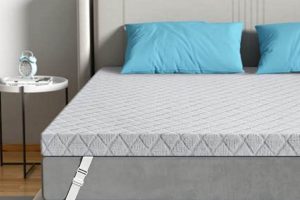
The lifespan of these bedding accessories is not indefinite; it depends on several factors, including the materials used in their construction, the frequency of use, and the care they receive. Generally, one can expect these items to remain functional and provide adequate protection and comfort for a period ranging from one to five years. A low-quality pad made with inexpensive materials, used nightly, and infrequently cleaned might only last a year or two. In contrast, a high-end product crafted from durable materials, used sparingly, and meticulously maintained could provide benefits for up to five years, or even longer.
Maintaining the integrity and extending the usefulness of this bedding element provides multiple advantages. It offers ongoing protection to the underlying mattress, preventing stains and wear. This can be particularly beneficial in preserving the mattress warranty and overall hygiene. Furthermore, a well-maintained item contributes to a more comfortable sleep surface. Historically, similar bedding layers were used primarily for insulation and cleanliness. Modern versions offer enhanced comfort features and mattress protection.
Understanding the contributing factors influencing the product’s durability and knowing effective maintenance techniques are crucial in maximizing its lifespan and the associated benefits.The following sections will delve into the details affecting longevity and strategies to prolong the period of effective use.
Extending Mattress Pad Life
Maximizing the utility of these bedding components hinges on proper care and proactive maintenance. The following tips offer guidance on prolonging the lifespan of mattress pads:
Tip 1: Regular Cleaning: Adhere to the manufacturer’s washing instructions diligently. Frequent washing, typically every one to two months, removes accumulated dust, allergens, and body oils. This prevents material degradation and promotes hygiene.
Tip 2: Use a Mattress Protector: A mattress protector acts as a barrier, shielding the pad from spills and stains. This reduces the frequency of necessary washings and minimizes wear.
Tip 3: Rotate Periodically: Rotate the pad 180 degrees every few months to distribute wear evenly. This prevents localized compression and extends the product’s overall lifespan.
Tip 4: Avoid Excessive Heat: When drying the pad, use a low-heat setting or air-dry it. High heat can damage the fibers and reduce its effectiveness.
Tip 5: Address Stains Promptly: Treat stains as soon as they occur to prevent them from setting. Use a mild stain remover and follow the manufacturer’s instructions.
Tip 6: Store Properly: When not in use, store the pad in a clean, dry place away from direct sunlight. This prevents mildew and deterioration.
Tip 7: Choose Quality Materials: Opt for pads constructed from durable, high-quality materials. While potentially more expensive initially, they offer greater longevity and value over time.
Implementing these strategies helps preserve the functionality and cleanliness of these bedding layers, ensuring a longer period of comfortable and hygienic use. These actions translate to a better return on investment and sustained protection for the underlying mattress.
The concluding section will summarize key considerations for determining replacement needs and offer final thoughts on maintaining a healthy sleep environment.
1. Material Durability

Material durability is a primary determinant in the overall lifespan of mattress pads. The composition of the fabric, fill, and construction techniques directly influences its resistance to wear, tear, and degradation over time, thus dictating the period for which it remains functionally effective.
- Fabric Composition
The type of fabric employed significantly impacts resistance to abrasion and pilling. Natural fibers, such as cotton, may offer breathability but could be more prone to wear than synthetic alternatives like polyester or microfiber. Tightly woven fabrics generally exhibit superior durability compared to looser weaves, extending the pad’s lifespan. The choice of fabric is important in determine “how long do mattress pads last”.
- Fill Material
The fill material, whether down alternative, memory foam, or a blend, contributes to the pad’s comfort and support. High-quality fills retain their loft and shape longer, preventing the pad from flattening or becoming lumpy prematurely. The resilience of the fill directly affects both comfort and longevity, thus impacting “how long do mattress pads last”.
- Construction and Stitching
Reinforced seams and durable stitching enhance the pad’s structural integrity. Well-constructed pads withstand frequent washing and resist tearing at stress points. Poorly constructed items may develop rips or unravel easily, reducing their lifespan.
- Waterproof or Water-Resistant Coatings
The presence and quality of waterproof or water-resistant coatings influence the pad’s ability to withstand spills and stains. Inferior coatings may degrade over time or crack, reducing their effectiveness and potentially leading to damage to the fill material. The integrity of these coatings directly influences “how long do mattress pads last” by protecting the inner materials from damage. The waterproof layer directly correlated to “how long do mattress pads last”.
In conclusion, selecting mattress pads with durable fabrics, resilient fills, robust construction, and effective coatings is crucial for maximizing their lifespan. Investing in higher-quality materials translates to a longer period of comfortable and hygienic use, making material durability a key factor for “how long do mattress pads last”.
2. Frequency of Use

The frequency with which a mattress pad is used directly correlates to its expected lifespan. Daily use subjects the material to constant compression, friction, and absorption of body oils and moisture, accelerating wear and tear and consequently affecting “how long do mattress pads last”. Pads used only in guest rooms, for example, experience a significantly reduced rate of degradation compared to those used nightly.
- Wear and Compression
Daily use leads to increased compression of the fill material, whether it is down alternative, memory foam, or another substance. Over time, this compression reduces the pad’s loft and support, diminishing its comfort and protective qualities. The more frequent the use, the more rapidly this compression occurs, thus affecting “how long do mattress pads last”.
- Friction and Fiber Breakdown
Movement during sleep generates friction between the pad and the mattress, as well as between the pad and
the bedding. This friction causes fibers to break down over time, leading to pilling, thinning, and eventual tearing of the fabric. Pads subjected to nightly use experience significantly more friction-related wear than those used less often, affecting “how long do mattress pads last”. - Absorption of Body Oils and Moisture
The pad absorbs body oils, sweat, and other fluids during sleep. The accumulation of these substances can degrade the fabric and fill material, fostering the growth of bacteria and allergens. Frequent use means a greater build-up of these substances, necessitating more frequent washing which, in turn, contributes to wear and tear and impacting “how long do mattress pads last”.
- Impact of Body Weight
The weight exerted on the mattress pad during sleep contributes to its degradation. Higher frequency of use means the pad is subjected to pressure that stresses its materials. Regular compression, especially if the weight exceeds the pad’s designed capacity, directly impacts its integrity over time and therefore the time element of “how long do mattress pads last”.
In summation, the frequency of use is a pivotal factor influencing “how long do mattress pads last”. Infrequent use leads to slower material degradation compared to the rapid deterioration observed with daily usage. The cumulative effects of compression, friction, absorption, and weight result in a shorter lifespan for pads subjected to consistent nightly use. Therefore, careful consideration of usage patterns is essential for determining the suitable replacement schedule for these bedding accessories.
3. Washing Practices
Washing practices exert a considerable influence on the longevity of mattress pads. The frequency, method, and materials used during laundering directly impact the fabric, fill, and overall structural integrity of the bedding accessory, ultimately dictating “how long do mattress pads last”. Improper washing techniques can accelerate wear and tear, while appropriate care can extend the product’s useful life.
- Frequency of Washing
Washing a mattress pad too frequently can degrade the fabric and fill materials, reducing its lifespan. Excessive laundering causes fibers to break down and can diminish the effectiveness of any waterproof or water-resistant coatings. Conversely, infrequent washing allows the accumulation of dust mites, allergens, and body oils, potentially leading to material degradation and unsanitary sleeping conditions. A balanced approach, adhering to the manufacturer’s recommendations, is vital in optimizing “how long do mattress pads last”.
- Water Temperature and Detergent
High water temperatures can damage certain fabrics and cause shrinkage, while harsh detergents can strip away protective finishes and weaken fibers. Using a mild detergent and washing in cold or warm water helps preserve the pad’s integrity. Residue from harsh detergents can also attract dust mites and allergens. Employing appropriate temperature and detergent choices significantly influences “how long do mattress pads last” by mitigating material stress.
- Drying Methods
High heat in a dryer can cause shrinkage, warping, and damage to the fill material. Air-drying or using a low-heat setting is generally recommended to prevent these issues. Leaving a pad damp can promote mildew growth, further shortening its lifespan. The drying method is therefore crucial for preserving the integrity of the pad’s components and influencing “how long do mattress pads last”.
- Handling and Agitation
Aggressive agitation during the wash cycle can stress the seams and fabric, leading to tears and weakening of the overall structure. Using a gentle cycle helps minimize this stress. Similarly, stretching or pulling the pad while wet can distort its shape and cause damage. Careful handling during both washing and drying contributes to the pad’s longevity, affecting “how long do mattress pads last” by reducing physical stress on its components.
In conclusion, the chosen washing practices are pivotal in determining “how long do mattress pads last”. Maintaining a balance between hygiene and material preservation requires adherence to manufacturer guidelines regarding washing frequency, water temperature, detergent selection, drying methods, and handling. Prioritizing gentle and appropriate laundering techniques helps maximize the lifespan and sustain the beneficial properties of this bedding essential.
4. Spills and Stains
The occurrence of spills and stains represents a significant threat to the longevity of mattress pads. The direct consequences of liquid penetration and subsequent staining compromise the material integrity and contribute to premature degradation, thus critically influencing “how long do mattress pads last”. Unattended spills can seep through the protective layers, reaching the inner fill and fostering mold or bacterial growth, which weakens the fabric and degrades the padding. Stubborn stains often necessitate aggressive cleaning methods that further damage the material. Understanding this relationship underscores the need for immediate and appropriate spill management to prolong the lifespan of the bedding accessory. For instance, a coffee spill left untreated not only creates a permanent stain but also provides a breeding ground for microorganisms, significantly shortening “how long do mattress pads last”.
The composition of the spill also plays a crucial role in determining the severity of damage. Acidic substances, such as vomit or urine, can corrode the fabric fibers and lead to discoloration, while sugary liquids attract insects and promote bacterial growth. Timely action, including blotting the spill with a clean cloth and applying a suitable stain remover, is essential to minimize the long-term impact. The application of specialized mattress pad protectors provides an additional layer of defense against liquid penetration, reducing the frequency of spills reaching and damaging the pad’s inner layers. These protectors are especially valuable in households with children or pets, where the likelihood of spills is elevated, thus safeguarding the pad and influencing “how long do mattress pads last”.
In summary, spills and stains pose a substantial risk to “how long do mattress pads last” by compromising the material structure, fostering microbial growth, and necessitating harsh cleaning methods. Proactive prevention through the use of mattress protectors, combined with immediate and appropriate spill management, are crucial strategies to mitigate these risks and maximize the lifespan of these bedding accessories. Failure to address spills and stains effectively will undoubtedly result in premature degradation and the need for earlier replacement. Therefore, proactive spill management has an outsized impact on “how long do mattress pads last”.
5. Quality of Construction

The structural integrity inherent in the manufacturing process profoundly affects the usable lifespan of mattress pads, directly impacting “how long do mattress pads last”. Superior construction techniques and materials correlate t
o heightened resistance against wear, tear, and the cumulative effects of regular use. Inferior methods, conversely, precipitate premature degradation, diminishing the accessory’s utility and necessitating earlier replacement. Reinforced seams, for example, provide greater resistance to ripping or unraveling, a common failure point in poorly constructed pads. A mattress pad with securely stitched seams withstands frequent washing and daily use far longer than one with loosely sewn or weak seams, extending “how long do mattress pads last”.
The density and uniformity of fill materials also exemplify the impact of construction quality. High-density fill, whether synthetic or natural, maintains its loft and supportiveness over a longer duration compared to low-density alternatives. This resistance to compression contributes to the continued effectiveness of the pad in providing comfort and mattress protection, thus positively affecting “how long do mattress pads last”. As an example, two seemingly identical pads might exhibit drastically different lifespans if one utilizes high-quality memory foam that retains its shape, while the other uses a cheaper, less resilient filling that flattens quickly. High GSM fabrics extend “how long do mattress pads last” because higher weight fabrics are more dense.
In conclusion, construction quality functions as a critical determinant of “how long do mattress pads last”. Investment in mattress pads crafted with durable materials, reinforced stitching, and high-density fill yields a longer period of service and superior performance. While potentially entailing a higher initial cost, the extended lifespan and sustained functionality represent a more economical and sustainable choice over time. Neglecting construction quality results in frequent replacements and diminished protection, undermining the intended benefits of these bedding accessories. Prioritizing well-constructed mattress pads secures a worthwhile and lasting enhancement to the sleep environment.
6. Overall Maintenance
The concept of overall maintenance encompasses a range of practices that collectively influence the durability and lifespan of mattress pads, directly dictating “how long do mattress pads last”. Consistent and appropriate care sustains the integrity of the materials, prevents the accumulation of damaging substances, and optimizes the pad’s performance. Neglecting essential maintenance routines accelerates wear and tear, diminishing the accessory’s effectiveness and shortening its period of utility.
- Regular Airing and Deodorizing
Periodic airing of the mattress pad, preferably outdoors in indirect sunlight, helps to dissipate accumulated moisture and odors. This practice prevents the growth of mold and bacteria, both of which degrade the fabric and fill material. The addition of a fabric-safe deodorizing spray can further neutralize odors, preventing the need for frequent washing, which can also contribute to wear. These practices work in tandem to extend “how long do mattress pads last” by preventing premature breakdown of the padding.
- Prompt Stain Treatment
Addressing stains as soon as they occur prevents them from setting into the fabric and becoming difficult to remove. Using appropriate stain removers and gentle techniques minimizes the need for harsh cleaning methods that can damage the pad’s materials. Prompt stain treatment safeguards the visual appeal of the pad and prevents the development of lingering odors. This proactive approach preserves the pad’s structural integrity and prolongs “how long do mattress pads last” because strong stain removal methods shorten time element of our keyword phrase.
- Careful Storage When Not in Use
When a mattress pad is not in use, such as during seasonal bedding changes, proper storage is essential. The pad should be thoroughly cleaned and dried before being stored in a breathable bag or container. Storing the pad in a damp or poorly ventilated environment promotes mildew growth, which can permanently damage the fabric and render the pad unusable. Careful storage, therefore, is critical for maintaining the pad’s condition and positively influencing “how long do mattress pads last”.
- Adherence to Manufacturer’s Recommendations
Mattress pad manufacturers provide specific guidelines for cleaning, drying, and general care. These recommendations are tailored to the materials used in the pad’s construction and should be followed closely. Deviating from these guidelines can result in damage to the pad and a reduced lifespan. Adhering to the manufacturer’s instructions ensures that the pad is cared for in a manner that optimizes its durability, thereby directly extending “how long do mattress pads last”.
In conclusion, overall maintenance encompasses a range of proactive measures that directly affect “how long do mattress pads last”. Consistent and appropriate care, including regular airing, prompt stain treatment, careful storage, and adherence to manufacturer’s recommendations, preserves the integrity of the materials and prevents premature degradation. Neglecting these essential maintenance routines diminishes the accessory’s effectiveness and shortens its period of utility, ultimately requiring earlier replacement.
7. Storage Conditions

The conditions under which mattress pads are stored when not in active use exert a considerable influence on their lifespan. Improper storage practices can lead to degradation of materials, fostering environments conducive to mold growth and pest infestations, thereby significantly affecting “how long do mattress pads last”. Careful consideration of storage environments is thus crucial to preserving the integrity and extending the usability of these bedding accessories.
- Environmental Humidity
Elevated humidity levels during storage promote the growth of mold and mildew within the mattress pad’s fibers, leading to material breakdown and unpleasant odors. Damp environments facilitate microbial activity that weakens the fabric and degrades the fill. Conversely, storing pads in dry, well-ventilated areas inhibits microbial growth, preserving the material integrity and extending the functional period of “how long do mattress pads last”.
- Exposure to Direct Sunlight
Prolonged exposure to direct sunlight can cause fading and deterioration of fabric fibers, particularly in colored or patterned mattress pads. Ultraviolet radiation weakens the material structure, making it more susceptible to tearing and wear. Storing pads in dark or shaded areas minimizes UV exposure, protecting the fabric and sustaining “how long do mattress pads last”.
- Protection from Pests
Inadequate storage conditions can attract pests such as moths, rodents, and insects, which can damage the mattress pad through feeding or nesting activities. These infestations compromise the structural integrity of the pad and render it unsanitary. Storing pads in sealed containers or using pest deterrents minimizes the risk of infestation, safeguarding the material and affecting “how long do mattress pads last” because the materials in the pad are being protected by infestations.
- Physical Compression and Distortion
Storing mattress pads under heavy objects or in tightly confined spaces can lead to permanent compression or distortion of the fil
l material. This compression reduces the pad’s loft and supportiveness, diminishing its overall comfort and protective qualities. Proper storage involves folding or rolling the pad loosely and avoiding stacking heavy items on top of it, thus preserving the material’s shape and affecting “how long do mattress pads last” as this compression would reduce the overall quality of the pad, requiring replacement sooner.
In summary, appropriate storage conditions play a critical role in maximizing “how long do mattress pads last”. By controlling environmental humidity, minimizing UV exposure, protecting against pests, and avoiding physical compression, the integrity of the mattress pad can be preserved, ensuring a longer period of effective use. Neglecting these considerations can lead to premature degradation and the need for earlier replacement, thus highlighting the importance of proper storage practices.
Frequently Asked Questions
The following questions address common concerns regarding the lifespan and maintenance of mattress pads.
Question 1: How frequently should a mattress pad be replaced?
Replacement frequency varies depending on the material, usage, and care. Generally, a mattress pad should be replaced every one to five years. Signs of wear, such as flattening, tears, or persistent odors, indicate the need for replacement.
Question 2: Does the material composition influence the lifespan of a mattress pad?
Material composition significantly impacts longevity. Pads constructed from durable materials, such as high-quality cotton or resilient synthetics, generally last longer than those made from inexpensive or flimsy materials. Superior materials withstand frequent washing and resist wear and tear.
Question 3: What cleaning practices contribute to extending the lifespan of a mattress pad?
Regular and appropriate cleaning practices are essential. Following the manufacturer’s washing instructions, using mild detergents, and avoiding high heat during drying help preserve the pad’s integrity and extend its useful life. Prompt stain removal also prevents permanent damage.
Question 4: How does the frequency of use affect the lifespan of a mattress pad?
The frequency of use directly impacts lifespan. Mattress pads used nightly experience more wear and tear than those used only occasionally. Pads in guest rooms, for instance, will typically last longer than those on beds used every night.
Question 5: Are mattress pad protectors effective in prolonging the lifespan of a mattress pad?
Mattress pad protectors provide a barrier against spills, stains, and allergens, reducing the need for frequent washing and minimizing wear. The use of a protector can significantly extend the lifespan of the underlying mattress pad.
Question 6: What are the signs indicating that a mattress pad needs replacement?
Signs of wear that necessitate replacement include visible tears or thinning, persistent odors even after washing, flattening of the fill material, and the development of lumps or unevenness. These indicators suggest that the pad is no longer providing adequate support or protection.
In summary, the lifespan of a mattress pad is influenced by multiple factors, including material quality, usage frequency, cleaning practices, and protective measures. Regular care and prompt attention to signs of wear can help maximize its useful life.
The next section will provide a concluding overview of the factors influencing mattress pad lifespan and offer final recommendations for maintaining a healthy sleep environment.
Conclusion
This exploration into “how long do mattress pads last” has revealed a complex interplay of factors influencing the product’s durability. Material quality, frequency of use, washing practices, spill management, construction integrity, overall maintenance, and storage conditions each contribute to the eventual degradation of these bedding accessories. Understanding these elements empowers consumers to make informed purchasing decisions and implement effective care routines.
Recognizing the finite lifespan of mattress pads, individuals are encouraged to proactively assess the condition of their bedding and adhere to recommended replacement schedules. Consistent attention to these aspects promotes a hygienic sleep environment and safeguards the longevity of the underlying mattress, ensuring continued comfort and support. Disregarding the need for timely replacement compromises sleep quality and potentially diminishes the protective function these pads provide.
![Enhance Sleep: Best Bamboo Mattress Pad [Comfort & Value] | Organic & Natural Mattress Buyer’s Guide: Non-Toxic Sleep Solutions](https://mattressworldpa.com/wp-content/uploads/2025/07/th-4805-300x200.jpg "Enhance Sleep: Best Bamboo Mattress Pad [Comfort & Value] Organic & Natural Mattress Buyer’s Guide: Non-Toxic Sleep Solutions")