The expected serviceable duration of a memory foam mattress is a critical consideration for consumers. This lifespan significantly influences purchasing decisions and overall satisfaction. Generally, a quality memory foam mattress is designed to provide support and comfort for a defined period, with factors like density, usage patterns, and care impacting its longevity.
A durable mattress offers long-term value, ensuring consistent sleep quality and reducing the frequency of replacement. The consistent support provided by a well-maintained memory foam mattress contributes to proper spinal alignment and can mitigate discomfort. Historically, mattress materials and construction methods have evolved, resulting in improved durability and extended product lifecycles. Early mattresses often sagged and lost their supportive properties quickly; modern memory foam aims to address these limitations, offering a more resilient and long-lasting sleep surface.
The subsequent sections will delve into specific factors influencing mattress longevity, including foam density, support core composition, and proper maintenance techniques. Furthermore, indicators of mattress wear and tear will be explored, enabling consumers to accurately assess the condition of their mattress and make informed decisions regarding replacement.
Extending Mattress Lifespan
Maximizing the serviceable life of a memory foam mattress requires proactive measures. Consistent care and appropriate usage patterns can significantly impact its long-term performance and prevent premature degradation.
Tip 1: Utilize a Mattress Protector: A waterproof mattress protector safeguards against spills, stains, and dust mites. These contaminants can compromise the foam’s integrity and shorten the mattress’s lifespan. Regular washing of the protector is also recommended.
Tip 2: Employ a Supportive Bed Frame: A robust bed frame provides adequate support, preventing sagging and uneven weight distribution. Ensure the frame’s slats are closely spaced to offer consistent support across the entire mattress surface. Consider a platform bed or box spring if appropriate.
Tip 3: Rotate the Mattress Regularly: Rotating the mattress every three to six months promotes even wear. This minimizes the development of body impressions and ensures consistent support across the entire surface. For some models, flipping may also be beneficial.
Tip 4: Maintain Room Temperature and Humidity: Extreme temperatures and high humidity can damage memory foam. Optimize the bedroom environment to maintain a consistent temperature and prevent moisture buildup, which can lead to mold or mildew growth.
Tip 5: Avoid Jumping or Standing on the Mattress: Excessive and concentrated weight can damage the foam layers and compromise the mattress’s structural integrity. Encourage users to avoid activities that place undue stress on the surface.
Tip 6: Vacuum the Mattress Periodically: Vacuuming removes dust, debris, and allergens that accumulate over time. Use an upholstery attachment to gently clean the surface, focusing on seams and crevices. This helps maintain hygiene and prevent dust mite infestations.
Tip 7: Review Warranty Information: Familiarize yourself with the mattress’s warranty terms. Proper care and maintenance are often prerequisites for warranty claims. Understanding the warranty coverage can assist in making informed decisions regarding repairs or replacements.
By adhering to these recommendations, consumers can significantly extend the functional duration of their memory foam mattress, ensuring optimal sleep quality and maximizing the return on their investment. Prioritizing proactive maintenance practices can delay premature mattress degradation and prolong the period of comfortable and supportive sleep.
The subsequent section will address common indicators that signal the need for mattress replacement. Recognizing these signs allows for timely action to maintain sleep quality and prevent potential discomfort.
1. Density impacts durability.

The correlation between foam density and mattress durability is a central element in determining its longevity. Density, measured in pounds per cubic foot (lbs/ft), directly reflects the amount of material used in the foam’s construction. Higher density foams inherently exhibit increased resistance to compression and deformation, thereby affecting the overall serviceable period.
- Material Composition and Resilience
Higher density foam typically indicates the use of more robust polymers and a denser cell structure. This denser structure translates to enhanced resistance against the constant pressure exerted during sleep. For instance, a mattress with 5 lbs/ft density memory foam will generally maintain its shape and supportive properties for a longer period compared to one with 3 lbs/ft density, given similar usage patterns. This resilience minimizes sagging and body impressions, critical factors in preserving comfort and support over time.
- Resistance to Compression Set
Compression set refers to the permanent deformation of foam after prolonged compression. Higher density foams exhibit a lower compression set due to their stronger cell structure. This means they are less likely to develop lasting indentations and maintain their original thickness and support levels. The ability to recover from compression is a key factor in determining how long should a memory foam mattress last. Mattresses with lower compression set ratings typically outlast those with higher ratings, offering superior long-term support.
- Impact on Support Layer Integrity
The density of the memory foam used in the comfort layer directly impacts the underlying support core. Higher density foams distribute weight more effectively, reducing the stress on the support core, whether it is composed of innersprings or a high-density base foam. This even weight distribution prevents localized wear and tear on the support layer, extending the lifespan of the entire mattress. In contrast, lower density foams may concentrate pressure, potentially causing premature breakdown of the support core.
- Long-Term Cost Effectiveness
While mattresses with higher density foam often come with a higher initial price, their extended lifespan can make them a more cost-effective option in the long run. Replacing a lower density mattress every few years incurs repeated expenses. Investing in a higher density mattress upfront provides a longer period of consistent sleep quality and reduces the frequency of replacements. This long-term perspective highlights the economic benefit of prioritizing density in the mattress selection process.
In summary, foam density is a primary determinant of how long should a memory foam mattress last, influencing its ability to resist compression, maintain support, and distribute weight effectively. Selecting a mattress with appropriately high-density fo
am is a crucial step in ensuring long-term comfort, support, and value.
2. Usage intensity matters.

The degree of utilization significantly affects the serviceable duration of a memory foam mattress. Higher frequency and greater physical demand directly correlate with accelerated wear and a reduced lifespan.
- Occupancy Frequency and Duration
Daily or nightly use by one individual presents a baseline level of stress. However, continuous occupancy or frequent use for extended periods, such as in healthcare facilities or by individuals with prolonged bed rest, accelerates compression and deformation. These scenarios result in a more rapid degradation of the foam’s supportive properties, shortening the expected lifespan.
- Weight Distribution and Load
The total weight applied to the mattress, and the distribution of that weight, influences its structural integrity. A mattress regularly supporting individuals exceeding recommended weight limits experiences increased stress on its foam layers and support core. Localized pressure points from uneven weight distribution can lead to sagging and premature failure, regardless of the foam’s initial density.
- Types of Activities Performed on the Mattress
The types of activities conducted on the mattress also contribute to wear. Routine sleeping exerts a predictable level of pressure. However, activities involving significant movement, such as exercising or children jumping, impart higher impact forces that compromise the foam’s cell structure. These activities create dynamic stresses beyond those for which the mattress was designed, accelerating degradation.
- Environmental Conditions and Hygiene
The environment in which the mattress is used indirectly impacts its lifespan. Humid conditions and lack of ventilation promote microbial growth, weakening the foam. Inadequate hygiene practices, such as infrequent cleaning or the absence of a mattress protector, allow the accumulation of body fluids and allergens, further accelerating material breakdown.
In conclusion, the intensity of utilization is a primary factor determining how long should a memory foam mattress last. High occupancy rates, excessive weight, dynamic activities, and unfavorable environmental conditions all contribute to accelerated wear and a diminished lifespan. By understanding these factors, consumers can make informed decisions about mattress selection and usage patterns to maximize their investment.
3. Support core stability.
The structural integrity of the support core within a memory foam mattress is inextricably linked to its overall longevity. The support core, typically comprised of high-density foam or an innerspring system, provides the essential foundation upon which the memory foam layers function. Deterioration or instability within this core directly reduces the mattress’s ability to provide adequate support, accelerating wear and diminishing its functional lifespan. A stable support core ensures proper weight distribution and prevents sagging, contributing significantly to the mattress’s ability to maintain its shape and comfort over time. For example, a mattress with a weak innerspring system may develop indentations or uneven support zones, leading to premature replacement, irrespective of the quality of the memory foam layers.
Variations in support core materials and construction directly influence stability. High-density polyurethane foam cores offer consistent support, while pocketed coil innerspring systems provide targeted pressure relief and minimize motion transfer. However, a poorly constructed innerspring system, characterized by low-gauge wire or inadequate coil density, is susceptible to deformation and failure. Similarly, a low-density foam core may compress excessively, resulting in inadequate support and a shortened lifespan. The stability of the core is not solely dependent on the material itself but also on the manufacturing process and the overall design of the mattress. Reinforcements, such as edge support systems, further enhance stability and prevent edge collapse, contributing to a more uniform and durable sleep surface.
In summary, the stability of the support core is a critical determinant of the overall duration of a memory foam mattress. A robust and well-constructed core ensures proper weight distribution, prevents sagging, and maintains the mattress’s structural integrity over time. Consumers prioritizing long-term value should carefully evaluate the composition and construction of the support core when selecting a mattress, as it directly impacts its ability to provide consistent comfort and support throughout its expected lifespan. Neglecting this aspect increases the likelihood of premature mattress failure and the need for more frequent replacement.
4. Maintenance procedures followed.

Consistent adherence to recommended maintenance protocols is a critical determinant of a memory foam mattress’s lifespan. Neglecting essential upkeep practices can accelerate degradation and compromise the mattress’s ability to provide optimal support and comfort, thus affecting its overall durability.
- Regular Rotation and Flipping
Periodic rotation of the mattress equalizes wear patterns and prevents localized compression. For flippable models, alternating the sleeping surface further distributes stress. Consistent implementation of these practices minimizes the formation of body impressions and extends the period of uniform support. Failure to rotate or flip a mattress results in concentrated wear, leading to premature sagging and diminished comfort.
- Use of a Mattress Protector
A quality mattress protector acts as a barrier against spills, stains, and dust mites. Liquid spills and stains can compromise the integrity of the foam, leading to structural damage and microbial growth. Dust mites, allergens, and other debris accumulate within the mattress over time, degrading its performance and hygiene. A regularly cleaned mattress protector mitigates these risks, preserving the mattress’s condition and extending its lifespan.
- Proper Support Structure
A supportive bed frame or foundation ensures even weight distribution across the mattress. Inadequate support can lead to sagging and uneven wear. Regularly inspect the bed frame for broken slats or structural weaknesses. Addressing these issues promptly prevents undue stress on the mattress and preserves its intended lifespan.
- Appropriate Cleaning Practices
Periodic vacuuming of the mattress surface removes dust, debris, and allergens. Addressing spills and stains immediately prevents permanent damage. Avoid harsh chemicals and excessive moisture during cleaning, as these can degrade the foam. Following recommended cleaning protocols preserves the mattress’s hygiene and prolongs its lifespan.
In essence, adherence to recommended maintenance procedures is crucial for maximizing the serviceable duration of a memory foam mattress. Consistent implementation
of these practices mitigates common causes of premature wear, preserving the mattress’s support, hygiene, and overall lifespan. Neglecting these protocols can significantly shorten the period of optimal comfort and support, resulting in the need for earlier replacement and reduced overall value.
5. Warranty terms considered.

Warranty provisions represent a manufacturer’s assurance regarding product durability and performance. Scrutiny of the warranty terms provides valuable insight into the anticipated lifespan of a memory foam mattress and the manufacturer’s confidence in its materials and construction.
- Coverage Duration and Scope
The length of the warranty period directly reflects the manufacturer’s assessment of the mattress’s expected lifespan. A longer warranty typically signifies higher-quality materials and construction, indicating greater anticipated longevity. The scope of coverage, detailing specific defects and issues covered, further clarifies the manufacturer’s commitment. Exclusions, such as normal wear and tear or damage from improper use, are equally important to consider, as they define the boundaries of protection. For example, a 10-year warranty covering sagging exceeding a specific depth suggests a higher level of anticipated structural integrity compared to a 5-year warranty with more restrictive terms.
- Pro-rated vs. Non-pro-rated Coverage
Warranty terms may specify either pro-rated or non-pro-rated coverage. A non-pro-rated warranty provides full replacement or repair at no cost to the consumer during the specified period, offering greater protection. A pro-rated warranty, conversely, requires the consumer to bear a portion of the replacement cost, which increases over time. This type of warranty suggests a gradual decline in performance is expected, potentially influencing the perceived lifespan of the mattress. Analyzing this provision reveals the manufacturer’s estimation of the mattress’s gradual deterioration.
- Claim Procedures and Requirements
The ease and clarity of the warranty claim process reflect the manufacturer’s commitment to customer satisfaction and the likely level of support available should issues arise. Complex claim procedures or stringent documentation requirements can deter consumers from pursuing legitimate claims, effectively shortening the period of practical warranty coverage. A streamlined claim process, in contrast, indicates a greater likelihood of successful resolution and reflects a higher level of confidence in the product’s performance.
- Manufacturer Reputation and Stability
The credibility and financial stability of the mattress manufacturer are paramount to the practical value of the warranty. A warranty from a well-established and reputable company carries greater weight than that from a less-known or financially unstable entity. Assessing the manufacturer’s track record and financial health ensures the warranty can be honored throughout its stated duration. A warranty is only as valuable as the manufacturer’s ability to fulfill its obligations.
The warranty provisions offer an implicit, yet insightful, assessment of how long should a memory foam mattress last. Careful consideration of the coverage duration, scope, pro-rated status, claim procedures, and the manufacturer’s reputation provides a basis for estimating the mattress’s potential lifespan and the level of protection afforded against defects or premature failure. Ignoring these factors increases the risk of purchasing a mattress with a limited lifespan and inadequate recourse in the event of performance issues.
Frequently Asked Questions
The following section addresses common inquiries regarding the expected service duration of memory foam mattresses, providing factual information to guide informed decision-making.
Question 1: What is the average expected lifespan of a memory foam mattress?
The typical operational life ranges from seven to ten years, contingent upon factors such as foam density, usage patterns, and adherence to recommended maintenance procedures. Higher density foams and diligent care contribute to extended longevity.
Question 2: Does mattress thickness directly correlate with its lifespan?
While thickness may contribute to perceived comfort, it is not the primary determinant of durability. Foam density, support core composition, and construction quality are more significant factors influencing the overall lifespan.
Question 3: How does sleeping position affect the mattress’s lifespan?
Sleeping position can influence wear patterns. Side sleepers tend to concentrate pressure on smaller surface areas, potentially leading to localized compression. Back sleepers distribute weight more evenly, potentially minimizing wear. However, the mattress’s density and support characteristics are the overarching factors influencing its response to these varied pressure distributions.
Question 4: Can a mattress topper extend a memory foam mattress’s lifespan?
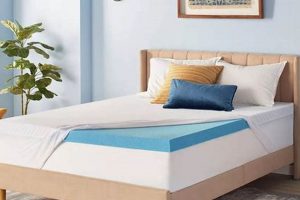
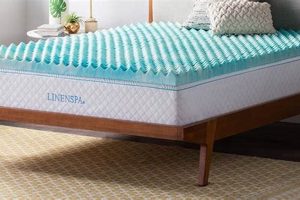
A mattress topper can provide an additional layer of comfort and distribute weight, potentially reducing stress on the underlying mattress. However, it does not fundamentally alter the mattress’s inherent material properties or prevent eventual degradation. A topper primarily addresses comfort preferences rather than extending the absolute lifespan of the mattress itself.
Question 5: How does the type of bed frame impact the mattress’s lifespan?
A bed frame providing adequate and consistent support is essential. Inadequate support or uneven weight distribution can lead to sagging and premature wear. Slatted frames should have closely spaced slats to prevent localized stress points. A sturdy platform bed or box spring offers optimal support.
Question 6: What are the key indicators that a memory foam mattress requires replacement?
Common indicators include visible sagging, persistent body impressions, diminished support, increased discomfort or pain upon waking, and exacerbation of allergies or respiratory issues. These signs suggest a loss of structural integrity and necessitate evaluation for replacement.
In summation, various factors influence the operational lifespan of a memory foam mattress. Proactive maintenance and informed purchasing decisions contribute to maximizing its value and ensuring optimal sleep quality throughout its service duration.
The following section will discuss where to buy a memory foam mattress.
Conclusion
The exploration has detailed the multifaceted nature of memory foam mattress longevity. Determining how long should a memory foam mattress last necessitates a comprehensive evaluation encompassing foam density, usage intensity, support core stability, and maintenance practices. Warranty terms provide an additional benchmark for anticipated performance. Each element contributes uniquely to the mattress’s overall durability and functional lifespan.
Understanding these factors empowers consumers to make informed purchasing decisions and adopt proactive care strategies, maximizing the value and lifespan of their investment. Prioritizing quality materials, diligent maintenance, and a supportive sleep environment ensures prolonged comfort and mitigates premature mattress degradation. Consistent evaluation of mattress condition and timely replacement when necessary are vital for maintaining optimal sleep quality and overall well-be
ing.

![Best Memory Foam vs Hybrid Mattress [Guide 2024] | Organic & Natural Mattress Buyer’s Guide: Non-Toxic Sleep Solutions](https://mattressworldpa.com/wp-content/uploads/2025/07/th-4088-300x200.jpg "Best Memory Foam vs Hybrid Mattress [Guide 2024] Organic & Natural Mattress Buyer’s Guide: Non-Toxic Sleep Solutions")