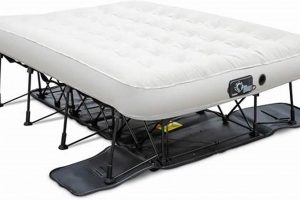
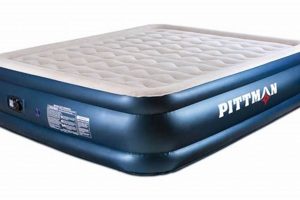
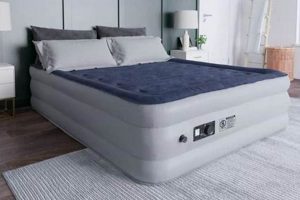
The core of this discussion centers on methods for inflating an air mattress when a standard pump is unavailable. This addresses the practical challenge of preparing an air mattress for use in situations where electrical power or specialized equipment is limited. Various techniques can be employed, ranging from utilizing readily available household items to manipulating air pressure differentials.
The ability to inflate an air mattress without a pump offers significant advantages in scenarios such as camping, travel, or unexpected overnight guests. It provides increased independence and resourcefulness, removing reliance on specific accessories or power sources. Historically, improvised solutions for inflating inflatable objects have been developed and refined out of necessity, demonstrating human ingenuity in adapting to diverse circumstances.
This exploration will now delve into specific, actionable methods for achieving air mattress inflation without the use of a dedicated pump. Each technique will be outlined with clear instructions and considerations for effective implementation.
Inflation Strategies Without a Pump
The following strategies offer viable methods for inflating an air mattress when a pump is not accessible. Effectiveness may vary depending on mattress size and available resources.
Tip 1: Utilize a Vacuum Cleaner (Exhaust Function): If a vacuum cleaner with a hose attachment is available, connect the hose to the exhaust port (where air is blown out, not sucked in). Secure the hose to the mattress valve, ensuring a tight seal to minimize air leakage. Operate the vacuum cleaner to inflate the mattress.
Tip 2: Employ a Hair Dryer (Cool Setting): A hair dryer set to the cool setting can generate airflow suitable for inflation. Similar to the vacuum cleaner method, create a seal between the hair dryer nozzle and the mattress valve. Avoid using the heat setting, as excessive heat can damage the mattress material.
Tip 3: Repurpose a Plastic Bag: A large, heavy-duty plastic bag can be used as a makeshift bellows. Open the bag wide to capture air, then quickly seal the opening around the mattress valve. Squeeze the bag to force air into the mattress. Repeat this process multiple times until the desired inflation level is achieved.
Tip 4: Adapt a Leaf Blower: A leaf blower generates a significant volume of air. Exercise caution and use a low setting to prevent over-inflation. Secure the leaf blower nozzle to the mattress valve and monitor the inflation process carefully.
Tip 5: Implement the Trash Bag and Fan Method: Position a box fan to blow air into a large trash bag. Seal the bag around the fan, leaving a small opening for the mattress valve. The forced air from the fan will inflate the bag, which in turn inflates the mattress.
Tip 6: The Manual Breath Inflation Method: Although time-consuming, direct breath inflation is a viable option. Ensure the mattress valve is clean and unobstructed. Inflate the mattress in sections, taking breaks as needed to avoid hyperventilation.
Tip 7: Bicycle Pump Adaptation: If a bicycle pump is accessible, attempt to create an airtight seal between the pump nozzle and the mattress valve. Inflation may be slow, but it provides a consistent airflow.
These methods offer resourceful alternatives for achieving air mattress inflation without specialized equipment, promoting adaptability and problem-solving in various situations.
This concludes the discussion on alternative inflation strategies. The following section will address considerations for choosing the most appropriate technique.
1. Airflow Generation

Airflow generation constitutes a foundational element in the endeavor to inflate an air mattress without a pump. The rate and volume of air introduced directly correlate with the speed and degree of inflation achieved. Various methods, such as utilizing a vacuum cleaner’s exhaust or employing a repurposed plastic bag as a bellows, differ significantly in their capacity to generate airflow. The effectiveness of each approach hinges upon its ability to displace a sufficient quantity of air into the mattress chamber within a reasonable timeframe. A scenario involving a large air mattress demonstrates this principle; a low-airflow method, like manual breath inflation, necessitates substantial time and effort, while a high-airflow technique, such as using a leaf blower (with appropriate caution), yields rapid inflation. The practical significance lies in understanding that an inadequate airflow rate renders the inflation process protracted and potentially ineffective, especially for larger mattresses.
Different inflation methods also present unique challenges related to airflow generation. The vacuum cleaner method, for instance, requires a tight seal to prevent airflow leakage, while the trash bag and fan approach relies on the fan’s consistent output to maintain adequate pressure. A poorly sealed connection in the former diminishes airflow into the mattress, extending the inflation time. Likewise, a weak fan in the latter provides insufficient airflow to effectively fill the trash bag, thus hindering mattress inflation. These examples demonstrate that simply possessing an airflow source is insufficient; proper implementation and management of that airflow are critical for successful inflation.
In summary, airflow generation is an indispensable component in the process of inflating an air mattress without a pump. A clear understanding of airflow principles, including rate, volume, and containment, is essential for selecting the most appropriate method and optimizing its performance. Overcoming the challenges associated with maintaining consistent and sufficient airflow directly contributes to the successful and timely inflation of the air mattress.
2. Valve Compatibility

Valve compatibility is a crucial, often overlooked, element in the successful inflation of an air mattress without a dedicated pump. It dictates the practicality and efficiency of any alternative inflation method, regardless of the airflow generation capacity. The design and dimensions of the air mattress valve must align with the available tools or improvised adaptors to establish a functional connection for air transfer.
- Valve Type and Adaptability
Air mattress valves exist in various forms, including pinch valves, Boston valves, and screw valves. Each valve type requires a specific connection method. Some are readily adaptable to improvised tools, while others necessitate custom fittings. For instance, a Boston valve, with its wider opening, might accommodate the nozzle of a vacuum cleaner or hair dryer more easily than a smaller pinch valve. The availability of suitable adaptors, such as hose extensions or modified bottle necks, significantly i
mpacts the success of the inflation process. Incompatibility between the valve type and the available tools renders the inflation attempt futile, regardless of the chosen technique. - Airtight Seal Formation
Valve compatibility directly influences the ability to create an airtight seal. A secure seal prevents air leakage during inflation, maximizing the efficiency of the airflow. Mismatched connections, even if seemingly functional, often result in significant air loss, requiring sustained effort and extending the inflation time. The use of sealing materials, such as duct tape or putty, can mitigate compatibility issues by bridging gaps and reinforcing the connection. However, the effectiveness of these materials depends on the valve material and the pressure exerted during inflation. A poorly formed seal negates the benefits of a high-airflow inflation method, as the majority of the generated air escapes before reaching the mattress chamber.
- Pressure Resistance
The valve’s inherent pressure resistance impacts the maximum achievable inflation level. A valve designed for low-pressure inflation may deform or fail under the sustained pressure generated by methods like leaf blowers or high-powered vacuum cleaners. This deformation can compromise the seal, leading to gradual air loss and rendering the mattress unusable for its intended purpose. Identifying the valve’s pressure limits, if available, is crucial to prevent damage and ensure safe inflation. Lower-pressure methods, such as plastic bag bellows or manual breath inflation, are generally safer for valves with unknown pressure ratings.
- Valve Integrity and Material
The material composition and structural integrity of the valve determine its resilience to repeated inflation and deflation cycles. Valves constructed from brittle plastics are prone to cracking or breaking, especially when subjected to forceful connections or extreme temperatures. Damage to the valve renders the air mattress unusable until repaired or replaced. Evaluating the valve’s condition and material prior to inflation is essential. Gentle handling and careful alignment during the connection process minimize the risk of damage. Selecting inflation methods that exert minimal stress on the valve extends its lifespan and ensures long-term functionality of the air mattress.
In summary, valve compatibility is not merely a matter of physical connection but a critical factor determining the success, efficiency, and safety of inflating an air mattress without a pump. Understanding valve types, ensuring airtight seals, respecting pressure limits, and preserving valve integrity are paramount. These considerations directly influence the feasibility of various inflation methods and the long-term usability of the air mattress. Thus, the best method to blow up air mattress without pump is also the one that best uses the available valve.
3. Seal Integrity

Seal integrity is paramount in the process of inflating an air mattress without a pump. The ability to establish and maintain an airtight barrier between the inflation source and the mattress valve dictates the efficiency and ultimate success of alternative inflation methods. Without a robust seal, airflow is compromised, negating the potential benefits of any chosen technique.
- Material Properties and Seal Effectiveness
The material used to create the seal significantly influences its effectiveness. Duct tape, for example, offers a readily available and relatively strong adhesive, but its performance can degrade under pressure or temperature fluctuations. Improvised seals fashioned from plastic sheeting or cloth require careful layering and secure fastening to prevent leakage. The inherent porosity of certain materials, such as loosely woven fabrics, limits their suitability for creating airtight seals. A real-world example involves attempting to inflate a mattress using a vacuum cleaner hose attached with masking tape; the tape’s insufficient adhesion and permeability allow air to escape, rendering the inflation process prolonged and inefficient. Conversely, a properly applied duct tape seal, reinforced with external pressure, can effectively contain airflow and facilitate rapid inflation.
- Connection Pressure and Seal Maintenance
The amount of pressure applied at the connection point between the inflation source and the mattress valve is critical for maintaining seal integrity. Insufficient pressure allows air to escape through minute gaps, while excessive pressure can deform the valve or compromise the sealing material. Regular monitoring of the seal during inflation is necessary to identify and address any leaks promptly. For instance, when using a hair dryer to inflate a mattress, maintaining constant pressure on the nozzle against the valve prevents air loss. Similarly, when employing the plastic bag method, tightly gripping the bag around the valve ensures a secure connection. The consequences of neglecting seal maintenance are evident when attempting to inflate a mattress with a makeshift bellows; if the connection loosens during the process, the forced air escapes, requiring repeated adjustments and prolonging the inflation time.
- Valve Condition and Seal Vulnerability
The condition of the air mattress valve directly impacts seal vulnerability. Cracks, tears, or deformities in the valve compromise its ability to form a secure connection, regardless of the sealing material used. Pre-inflation inspection of the valve is essential to identify any existing damage. Minor imperfections can be temporarily addressed with patching or reinforcing materials, but severe damage necessitates valve replacement or abandonment of the mattress. A practical example involves discovering a hairline crack in the valve of a seemingly functional air mattress. Attempting to inflate the mattress without addressing the crack results in a persistent air leak, rendering the mattress unusable. Conversely, carefully patching the crack with a flexible adhesive can restore the valve’s integrity and enable successful inflation.
- Environmental Factors and Seal Stability
Environmental factors, such as temperature and humidity, can influence seal stability. Extreme temperatures can affect the adhesive properties of sealing materials, leading to premature failure. High humidity levels can compromise the integrity of paper-based seals or promote the growth of mold and mildew, weakening the connection. A scenario involving inflating a mattress outdoors on a hot, humid day illustrates this principle; the heat causes the duct tape to peel away from the valve, while the humidity weakens the adhesive bond, resulting in a significant air leak. Implementing preventative measures, such as shielding the seal from direct sunlight and ensuring a dry, clean surface, can mitigate the adverse effects of environmental factors and maintain seal stability.
In conclusion, seal integrity constitutes an indispensable element in the context of inflating an air mattress without a pump. The interplay between material properties, connection pressure, valve condition, and environmental factors determines the robustness of the seal and, consequently, the success of the inflation process. Attention to detail and proactive maintenance are essential to overcome the challenges associated with creating and maintaining an airtight barrier, enabling the effective utilization of alternative inflation methods.
4. Effort Expenditure

Effort expenditure represents a significant variable when considering methods to inflate an air mattress without a pump. The physical exertion and time investment required by each technique directly influence its practicality and suitability for a given situation. Certain methods, while effective, demand substantial energy and persistence, posing challenges for individuals with limited physical capabilities or time constraints. The relationship between effort expenditure and the feasibility of pump-free inflation is a critical determinant in method selection. For instance, manual breath inflation, although universally accessible, necessitates prolonged and strenuous breathing, quickly becoming unsustainable for larger mattresses or individuals with respiratory limitations. The perceived benefit of a readily available method is diminished by the associated physical demand, making alternative, less strenuous options more appealing despite requiring additional preparation. The understanding of effort expenditure as a component of pump-free inflation empowers informed decision-making, aligning the chosen method with personal capabilities and circumstantial limitations. A real-life example illustrates this point; a camper with a compromised back might find the plastic bag method, despite its iterative nature, preferable to continuous breath inflation due to the reduced strain on their back muscles. The practical significance lies in recognizing that efficiency, in this context, encompasses not only the speed of inflation but also the minimized exertion required to achieve the desired outcome.
Further analysis reveals that the perceived effort expenditure is subjective and influenced by individual fitness levels, environmental conditions, and available resources. An individual accustomed to physical activity may find manual breath inflation less taxing than someone with a sedentary lifestyle. Similarly, inflating a mattress in a cool, well-ventilated environment is less strenuous than doing so in a hot, humid setting. Access to tools that can minimize physical exertion, such as a large trash bag for creating a bellows effect or a repurposed leaf blower (used cautiously), significantly reduces the overall effort expenditure. The subjective nature of effort expenditure underscores the importance of assessing personal limitations and adapting the chosen method accordingly. A practical application involves breaking down the inflation process into smaller, manageable segments to mitigate fatigue. Instead of attempting to inflate the entire mattress at once, the individual focuses on partially inflating it in intervals, allowing for rest periods to prevent exhaustion. This strategy acknowledges the physical demands of pump-free inflation and promotes a more sustainable approach.
In conclusion, effort expenditure is an inherent factor in the context of inflating an air mattress without a pump. It encompasses both the physical exertion and time commitment associated with each method. The choice of technique should be guided by a realistic assessment of personal capabilities, environmental conditions, and available resources. Recognizing the subjective nature of effort expenditure and implementing strategies to minimize physical strain are crucial for ensuring a successful and sustainable inflation process. This understanding promotes a more pragmatic approach, prioritizing efficiency not only in terms of inflation speed but also in terms of minimized physical demand, ultimately linking to the broader theme of resourcefulness and adaptability in the absence of conventional tools.
5. Material Limitations

The operational constraints of an air mattress are inextricably linked to the inherent properties of its constituent materials, a factor of critical importance when exploring alternative inflation methods in the absence of a pump. The type of material used in the air mattress construction, its tensile strength, elasticity, and resistance to temperature fluctuations, dictates the safe and effective pressure limits that can be applied during inflation. Attempting to inflate an air mattress beyond these material-dependent thresholds invariably leads to structural damage, such as seam ruptures, material stretching, or even catastrophic failure. Consequently, the selection of an appropriate inflation method hinges directly on understanding and respecting these material limitations. For example, a lightweight, budget-oriented air mattress constructed from thin PVC is inherently more susceptible to over-inflation damage than a heavier-duty model fabricated with reinforced nylon. Employing a high-volume, high-pressure inflation technique, such as adapting a leaf blower, on the former poses a significant risk of immediate damage, whereas the latter might withstand the increased pressure, albeit with careful monitoring. The practical significance lies in recognizing that aggressive inflation strategies, although potentially faster, can compromise the longevity and functionality of the air mattress if material properties are disregarded. The method how to blow up air mattress without pump must be tempered by consideration of the air mattress material.
Further complicating the matter is the age and condition of the materials. Over time, exposure to ultraviolet radiation, temperature extremes, and repeated stress cycles can degrade the polymer structure, reducing its tensile strength and increasing its susceptibility to punctures and tears. An older air mattress, even one originally constructed from durable materials, will exhibit reduced resistance to inflation pressures compared to a new model. This degradation necessitates a more cautious approach to inflation, favoring low-pressure, gradual techniques over forceful methods. A practical application involves assessing the visual condition of the air mattress prior to inflation, looking for signs of wear, discoloration, or pre-existing damage. A mattress exhibiting significant wear warrants the use of a gentler inflation method, such as manual breath inflation or a low-pressure vacuum cleaner, minimizing the risk of exacerbating existing weaknesses. The effectiveness of temporary repairs, such as patching small punctures, is also contingent on the surrounding material’s integrity; a patch applied to a severely degraded area is more likely to fail under pressure. Air mattresses are composed of PVC and therefore this material becomes britle over time. It becomes difficult to blow up air mattress without pump.
In conclusion, material limitations constitute a fundamental consideration when seeking to inflate an air mattress without a pump. The inherent properties of the materials, their age, and their condition directly constrain the selection of appropriate inflation techniques. A thorough assessment of these factors is essential to prevent damage and ensure the safe and effective inflation of the mattress. Failure to account for material limitations can result in costly repairs, premature failure of the mattress, and ultimately, the inability to utilize it for its intended purpose. Thus, the approach to how to blow up air mattress without pump must be tempered by an understanding of the materials involved and their specific vulnerabilities, promoting a more informed and sustainable approach to inflation.
Frequently Asked Questions
The following section addresses common inquiries and misconceptions regarding the inflation of air mattresses in the absence of a dedicated pump. Information is presented in a factual and objective manner to facilitate informed decision-making.
Question 1: Is it possible to inflate all air matt
resses without a pump?
The feasibility of pump-free inflation depends on the mattress valve design and the availability of alternative inflation methods. Certain valve designs are more amenable to improvised solutions, while others may present significant challenges. The size of the mattress also influences the practicality of manual inflation techniques.
Question 2: What is the fastest method for inflating an air mattress without a pump?
Utilizing a vacuum cleaner with a hose attachment on its exhaust setting or, with extreme caution, a leaf blower, typically provides the most rapid inflation. However, these methods require careful monitoring to prevent over-inflation and potential damage to the mattress.
Question 3: Is it safe to use a hair dryer to inflate an air mattress?
A hair dryer can be used, but only on the cool setting. The heat from a hair dryer on the warm or hot setting can damage the mattress material, leading to premature wear and tear or even melting.
Question 4: How can an airtight seal be achieved when adapting unconventional inflation tools?
Securing an airtight seal often requires improvisation. Duct tape, rubber bands, or even repurposed plastic bottles can be used to create a tight connection between the inflation source and the mattress valve. The effectiveness of these methods depends on the valve design and the pressure exerted during inflation.
Question 5: Can over-inflation damage an air mattress?
Over-inflation is a significant risk, particularly when using high-pressure inflation methods. Exceeding the mattress’s pressure threshold can lead to seam ruptures, material stretching, and ultimately, failure. Consistent monitoring of the mattress’s firmness during inflation is crucial to prevent damage.
Question 6: What precautions should be taken when inflating an air mattress manually?
When inflating an air mattress manually, avoid hyperventilation by taking frequent breaks. Ensure the mattress valve is clean and unobstructed. Be mindful of the physical exertion required, particularly for larger mattresses, and consider enlisting assistance if needed.
These responses aim to provide clarity on key considerations regarding pump-free air mattress inflation. Employing appropriate techniques and exercising caution are essential for achieving successful results and preserving the integrity of the mattress.
This FAQ section concludes the discussion on inflating air mattresses without a pump. Subsequent sections will provide safety measures during this process.
Conclusion
This exploration has provided various methodologies addressing the challenge of inflating an air mattress without a dedicated pump. Techniques ranging from vacuum cleaner adaptation to manual breath inflation have been detailed, emphasizing the importance of airflow generation, valve compatibility, seal integrity, effort expenditure, and material limitations. Each factor plays a critical role in the success and safety of alternative inflation strategies.
The presented information underscores the necessity of resourcefulness and careful planning in situations where conventional tools are unavailable. The knowledge of these methods provides a degree of self-sufficiency, allowing for the utilization of air mattresses in diverse environments. Further research and refinement of these techniques may lead to even more efficient and practical solutions for addressing this common need.
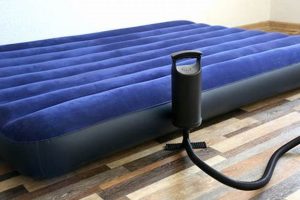
![Best Double Air Mattress [Guide] Sleep Comfortably! | Organic & Natural Mattress Buyer’s Guide: Non-Toxic Sleep Solutions](https://mattressworldpa.com/wp-content/uploads/2025/07/th-6752-300x200.jpg "Best Double Air Mattress [Guide] Sleep Comfortably! Organic & Natural Mattress Buyer’s Guide: Non-Toxic Sleep Solutions")