Proper disposal of a memory foam sleeping surface involves navigating a landscape of options, from donation and recycling to traditional waste management. This process necessitates careful consideration of the item’s condition, local regulations, and environmental impact. Neglecting these factors can lead to improper handling and potential harm to the environment.
Responsible handling of these items offers several benefits. It reduces landfill waste, conserves resources through material recovery, and supports charitable organizations when donation is feasible. Historically, discarding such bulky items was simpler, but increased environmental awareness now mandates more sustainable practices. This shift reflects a broader societal understanding of waste management’s role in preserving natural resources.
The subsequent sections will detail various methods for discarding your old sleeping surface, outlining the steps for each and the associated considerations. These include options such as recycling programs, donation centers, junk removal services, and traditional landfill disposal, providing a comprehensive guide to ensure environmentally conscious removal.
Guidance for Mattress Removal
The following recommendations serve as a practical guide for responsibly managing the disposal process.
Tip 1: Research Local Regulations: Contact the municipal waste management department to ascertain specific guidelines and restrictions pertaining to bulky item disposal in the area. Compliance with local ordinances is essential.
Tip 2: Evaluate Condition for Donation: Assess the item’s condition thoroughly. If it is free from significant damage, stains, and infestations, consider donating it to a local charity or shelter. Contact the organization beforehand to confirm acceptance and any specific requirements.
Tip 3: Explore Recycling Options: Investigate mattress recycling facilities in the vicinity. Many regions have specialized centers that disassemble and recycle the various components, such as foam, steel springs, and fabric. Contact the facility to inquire about drop-off procedures and associated fees.
Tip 4: Consider Professional Removal Services: Employ a reputable junk removal service that specializes in responsible waste disposal. Confirm their commitment to recycling or donation before engaging their services. Obtain a detailed cost estimate upfront.
Tip 5: Prepare for Landfill Disposal (If Necessary): If other options are unavailable, prepare the item for landfill disposal. Encasing it in a durable plastic mattress bag can help prevent the spread of pests and reduce environmental contamination. Contact the local waste management authority for specific disposal instructions.
Tip 6: Deconstruct for Component Recycling: If capable, consider disassembling the item and separating its components for individual recycling. Steel springs can often be recycled as scrap metal, and certain foam types may be accepted at specialized recycling centers. This process requires appropriate safety precautions, including gloves and eye protection.
These recommendations emphasize proactive planning and careful consideration, ensuring a more environmentally sound approach. Choosing the correct method is essential for minimizing its impact.
The final section will provide a summary of key considerations and resources to further assist in the disposal process.
1. Donation

Donating a used memory foam sleeping surface represents a viable option when considering responsible removal. It diverts usable items from landfills, benefiting individuals and organizations in need. However, several factors must align for donation to be a feasible solution.
- Condition Assessment
The primary determinant of donation suitability is the item’s condition. Donation centers typically require items to be free from significant stains, tears, or infestations, like bed bugs. A rigorous inspection is necessary to ensure it meets these standards.
- Organizational Acceptance Policies
Each charitable organization possesses unique acceptance policies regarding used items. Some may decline certain types due to hygiene concerns or logistical constraints. Contacting potential recipients beforehand is crucial to confirm their requirements and prevent wasted effort.
- Hygiene Regulations and Standards
Health and safety regulations may impact the ability to donate certain items. Some jurisdictions have specific guidelines regarding the sanitation and refurbishment of used bedding before it can be redistributed. Compliance with these standards is mandatory.
- Logistical Considerations
Transportation and handling of the item present logistical challenges. Many donation centers lack the resources to pick up large items, necessitating self-transport. Consider the size and weight when planning the donation process.
The feasibility of donation as a removal method hinges on a careful evaluation of condition, adherence to organizational policies and hygiene standards, and logistical capabilities. When these criteria are met, donation represents a socially and environmentally responsible alternative to landfill disposal.
2. Recycling

Recycling represents a crucial strategy within the overall framework of proper mattress disposal. The composition of these items, incorporating materials such as foam, steel springs, and fabric, lends itself to resource recovery, reducing reliance on raw material extraction and minimizing landfill volume. Consequently, choosing recycling over direct landfill disposal mitigates the environmental impact associated with both waste accumulation and resource depletion.
The recycling process typically involves disassembling the item into its constituent components. Steel springs are often recycled as scrap metal, while foam can be processed for use in carpet padding, insulation, or other manufactured products. Fabric can be repurposed or recycled into new textiles. The success of recycling initiatives hinges on the availability of specialized facilities equipped to handle the disassembly and processing of these materials. For example, organizations such as Bye Bye Mattress operate in several states, facilitating the recycling of mattresses through a network of collection sites and processing facilities. The financial viability of these programs is often supported by fees levied on mattress sales, internalizing the cost of end-of-life management.
The effective integration of recycling into mattress disposal practices requires increased public awareness, expanded access to recycling facilities, and ongoing innovation in material recovery technologies. Overcoming challenges such as transportation costs and the presence of contaminants in recycled materials
is essential to realizing the full potential of mattress recycling as a sustainable waste management solution.
3. Landfill

Landfill disposal, while historically a primary method for managing discarded mattresses, represents the least desirable option from an environmental perspective. Due to their bulk and composition, these items consume significant landfill space and contribute to various environmental concerns.
- Volume Consumption
Mattresses are bulky items that occupy substantial landfill volume. Their slow decomposition rate further exacerbates the problem, leading to long-term space constraints and accelerating the need for new landfill sites. This increased demand places a strain on land resources and ecosystems.
- Environmental Contamination
As mattresses degrade in landfills, they can leach harmful chemicals into the surrounding soil and groundwater. The foam and other synthetic materials may release volatile organic compounds (VOCs) and other pollutants, posing a risk to both environmental and human health. Proper containment measures are often insufficient to completely prevent such contamination.
- Transportation Costs and Emissions
Transporting bulky mattresses to landfills involves considerable fuel consumption and associated greenhouse gas emissions. The distance to disposal sites and the number of trips required contribute to the overall carbon footprint of landfill disposal. These costs and environmental impacts can be reduced by exploring alternative disposal methods closer to the source of waste.
- Resource Depletion
Landfilling mattresses represents a lost opportunity to recover valuable materials. The steel, foam, and fabric components could be recycled or repurposed, reducing the demand for virgin resources. By diverting mattresses from landfills and promoting material recovery, resource depletion can be mitigated, fostering a more circular economy.
Consequently, relegating a sleeping surface to a landfill should be viewed as a last resort. Prioritizing donation, recycling, or other forms of material recovery represents a more sustainable approach, minimizing environmental damage and promoting resource conservation.
4. Regulations

Mandatory guidelines governing the removal and handling of discarded mattresses exert a significant influence on waste management practices. These regulations, enacted at local, state, and federal levels, dictate permissible disposal methods, impacting both consumer behavior and the operations of waste management facilities. A primary effect of these rules is to reduce the volume of mattresses entering landfills, encouraging alternative strategies such as recycling and donation. Without such rules, economic incentives often favor landfill disposal due to its perceived convenience and lower upfront cost, disregarding the long-term environmental consequences.
Compliance with waste disposal rules is crucial for several reasons. Failure to adhere to stipulated protocols can result in fines and legal penalties for individuals and businesses alike. More importantly, conformity ensures the environmentally sound handling of materials, minimizing the risk of soil and water contamination from decaying components. Many municipalities, for example, have implemented “bulky waste” collection programs that mandate specific preparation steps, such as wrapping the item in plastic, before curbside pickup. These programs often impose restrictions on the type and quantity of items accepted, incentivizing residents to seek alternative disposal channels, especially for recyclable components.
In summary, a comprehensive understanding of relevant requirements is essential for anyone seeking to dispose of a memory foam sleeping surface responsibly. These rules not only dictate the legally permissible options but also reflect broader societal goals related to environmental sustainability and resource conservation. By actively researching and adhering to established protocols, individuals can contribute to more effective waste management practices and reduce the adverse impacts associated with conventional landfill disposal.
5. Deconstruction

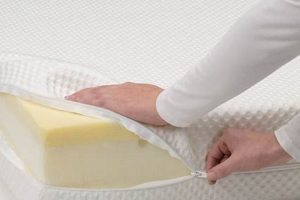
Deconstruction, in the context of mattress disposal, refers to the systematic dismantling of the item into its constituent materials. This process facilitates the separation and sorting of components, enabling more effective recycling and resource recovery compared to whole-item disposal. It demands a methodical approach and, potentially, specialized tools, offering a sustainable alternative to landfilling.
- Material Separation
The primary facet of deconstruction is the segregation of distinct materials. This includes separating the outer fabric cover, layers of memory foam and other padding, the internal spring system (if present), and any wood or metal frame components. Accurate separation is crucial for optimizing downstream recycling processes, as each material stream typically requires distinct processing methods. For instance, steel springs can be recycled as scrap metal, while certain foam types may be suitable for shredding and reuse in carpet padding.
- Volume Reduction
Deconstruction significantly reduces the overall volume of waste requiring disposal. By disassembling the item, the individual components can be more efficiently compacted and transported, lowering transportation costs and minimizing the space occupied in landfills. This volume reduction is particularly important given the bulky nature of mattresses, which can quickly consume landfill capacity.
- Resource Recovery
This facet highlights the potential for recovering valuable resources from otherwise discarded mattresses. Steel, foam, and textiles can be repurposed into new products, reducing the demand for virgin materials and conserving natural resources. For example, shredded foam can be used as fill in furniture or as a component in construction materials, extending the lifespan of these resources and reducing environmental impact.
- Hazard Mitigation
Deconstruction allows for the identification and safe handling of potentially hazardous materials. Some older mattresses may contain flame retardants or adhesives that pose environmental or health risks. By disassembling the item, these materials can be identified and properly disposed of according to hazardous waste regulations, preventing them from contaminating landfills or posing a threat to human health.
These facets of deconstruction demonstrate its multifaceted benefits in the context of managing old memory foam mattresses. By focusing on material separation, volume reduction, resource recovery, and hazard mitigation, deconstruction facilitates a more sustainable and environmentally responsible approach to end-of-life mattress management. The careful execution of deconstruction processes maximizes the value of recyclable materials while minimizing the negative impacts associated with landfill disposal.
6. Removal service

The engagement of a removal service in managing mattress disposal represents a significant decision point in the process. These services offer convenience by handling the physical labor of lifting, hauling, and transporting the bulky item. This convenience, however, necessitates careful scrutiny to ensure responsible waste management practices are upheld. The selection of a reputable service committed to environmentally sound methods is paramount, as not all companies prioritize recycling or donation over landfill disposal. The lack of due diligence can inadvertently contribute to increased landfill waste, undermining efforts to minimize environmental impact. For instance, a seemingly affordable service might simply transport the mattress to the nearest landfill, neglecting opportunities for resource recovery.
Conversely, responsible removal services actively seek alternatives to landfill disposal. They may partner with recycling facilities or charitable organizations, diverting usable materials from the waste stream. The effectiveness of this approach depends on transparency and verifiable practices. Consumers should inquire about the service’s disposal protocols, requesting documentation or certifications that demonstrate a commitment to sustainability. Some companies provide detailed tracking of the item, showing its journey from collection to final destination, whether it be a recycling center or a donation facility. This level of accountability reinforces responsible waste management and allows consumers to make informed decisions about their disposal options.
In summary, employing a removal service is a practical approach to handling an old mattress, but the choice should be guided by a commitment to environmental stewardship. Verification of the service’s disposal practices, through direct inquiry and review of credentials, is essential to ensure that the convenience of removal does not come at the expense of responsible waste management. Prioritizing services that demonstrably support recycling and donation aligns disposal efforts with broader sustainability goals, contributing to a more circular economy and minimizing the environmental impact of mattress disposal.
7. Environmental Impact

The methods chosen for discarding an old mattress have direct and consequential effects on the environment. Improper disposal amplifies negative consequences, while responsible handling minimizes harm and promotes resource conservation. A mattress improperly discarded in a landfill contributes to several interconnected environmental issues.
The sheer volume occupied by these bulky items strains landfill capacity, accelerating the depletion of available space and driving the need for new landfill sites. These sites disrupt ecosystems, impacting habitats and contributing to biodiversity loss. As mattresses decompose, they release volatile organic compounds (VOCs) and other pollutants into the soil and groundwater, potentially contaminating drinking water sources and harming human health. By contrast, choosing donation or recycling significantly reduces these environmental burdens. Donation extends the useful life of the mattress, preventing it from entering the waste stream prematurely. Recycling recovers valuable materials, such as steel and foam, reducing the demand for virgin resources and lowering the energy consumption associated with manufacturing new products. For example, recycling steel from a mattress frame avoids the energy-intensive process of mining and refining iron ore.
Understanding the environmental impact of different disposal methods is crucial for making informed decisions. By prioritizing donation and recycling, individuals can actively minimize their ecological footprint and contribute to a more sustainable waste management system. Regulatory initiatives and industry collaborations play a vital role in promoting responsible practices and establishing infrastructure for effective recycling programs, thereby transforming the management of mattresses from an environmental liability into a resource recovery opportunity. Ultimately, the choices made regarding mattress disposal reflect a broader commitment to environmental stewardship and responsible consumption.
Frequently Asked Questions
The following questions address common concerns regarding proper methods.
Question 1: Is it acceptable to leave a discarded mattress on the curb for regular trash collection?
Many municipalities prohibit the disposal of bulky items, such as mattresses, through standard trash collection services. Disregarding this restriction can result in fines. Contacting the local waste management authority to ascertain specific guidelines is crucial.
Question 2: Are there environmental concerns associated with sending a mattress to a landfill?
Landfill disposal presents several environmental concerns. Mattresses consume significant landfill space and slowly decompose, potentially releasing pollutants into the soil and groundwater. Exploring recycling or donation alternatives minimizes this negative impact.
Question 3: How should a mattress be prepared for donation to a charitable organization?
Charitable organizations typically require donated mattresses to be clean, free from stains, and devoid of infestations. A thorough inspection and cleaning are necessary. Contacting the organization beforehand to confirm their acceptance criteria is recommended.
Question 4: Are there specialized recycling facilities that process discarded mattresses?
Some regions feature specialized recycling facilities equipped to disassemble and recycle mattress components. These facilities recover valuable materials, such as steel and foam, reducing landfill waste. Researching the availability of such facilities in the vicinity is advisable.
Question 5: What are the typical costs associated with professional mattress removal services?
The costs of professional removal services vary depending on the service provider, location, and complexity of the removal process. Obtaining multiple quotes and confirming the service’s commitment to responsible disposal practices is recommended before making a decision.
Question 6: Can a mattress be disassembled for individual component recycling?
If equipped with the necessary tools and knowledge, disassembling a mattress and recycling its individual components is possible. Steel springs can be recycled as scrap metal, and certain foam types may be accepted at specialized recycling centers. Safety precautions, including gloves and eye protection, are essential during this process.
These FAQs offer clarification on key considerations for ensuring responsible handling. Adhering to the guidance promotes both environmental stewardship and compliance with local regulations.
The concluding section will synthesize the key points and provide final recommendations.
Conclusion
The preceding discussion has explored various avenues for mattress disposal, emphasizing the environmental and regulatory considerations involved. The information presented highlights the importance of moving beyond simple landfill disposal, prioritizing donation, recycling, or component separation whenever feasible. Compliance with local regulations is non-negotiable, and a thorough understanding of available options is crucial for making informed decisions. The environmental impact of mattress disposal ca
nnot be overstated, necessitating a proactive and responsible approach.
Effective management of discarded mattresses requires a collective effort. As environmental consciousness grows, individuals, businesses, and governing bodies bear a shared responsibility to promote sustainable practices. Continued innovation in recycling technologies and expanded access to disposal facilities are essential for a future where mattresses are viewed not as waste but as a source of recoverable resources. Embracing this perspective will drive progress toward a more circular and environmentally sustainable economy.