Addressing urine stains and odors from a canine on a sleeping surface requires a multi-faceted approach. Prompt and thorough action is crucial to minimize lasting damage and unpleasant smells. Successful removal often involves a combination of absorption, cleaning, and deodorization techniques. This ensures a hygienic environment for occupants of the sleeping space.
Preserving the integrity and hygiene of a mattress is essential for health and comfort. Untreated urine can foster bacterial growth and emit persistent odors, impacting sleep quality and overall well-being. Historically, various methods, from sun-drying to rudimentary cleaning solutions, have been employed to combat such incidents; modern approaches leverage specialized products and techniques for enhanced effectiveness.
The following information details practical steps to address and resolve canine urine contamination in a mattress. This includes immediate stain management, effective cleaning procedures, and long-term odor control strategies, to ensure a clean and fresh sleeping environment.
Essential Steps for Mattress Urine Removal
Addressing canine urine contamination requires a structured approach. The following steps outline best practices for effective cleaning and odor elimination.
Tip 1: Immediate Action: Time is critical. Blot the affected area immediately with clean, absorbent cloths or paper towels to remove as much urine as possible before it penetrates deeper into the mattress fibers.
Tip 2: Absorbent Application: Cover the damp area with a generous layer of baking soda. Allow it to sit for several hours, or preferably overnight, to absorb remaining moisture and odors. Vacuum thoroughly to remove the baking soda residue.
Tip 3: Enzyme Cleaner Application: Utilize an enzymatic cleaner specifically formulated for pet urine. Follow the product instructions carefully, ensuring adequate saturation of the affected area. Enzyme cleaners break down the uric acid crystals responsible for the lingering odor.
Tip 4: Dilution and Blotting: After the enzyme cleaner has sat for the recommended time, gently blot the area with a clean, damp cloth. Avoid excessive soaking, which can exacerbate the problem. Repeat blotting with dry cloths to remove excess moisture.
Tip 5: Hydrogen Peroxide Solution (Use with Caution): For persistent stains, a diluted hydrogen peroxide solution (3% concentration) can be used. Test the solution on an inconspicuous area of the mattress first to ensure it does not cause discoloration. Apply sparingly and blot thoroughly.
Tip 6: Air Drying: Allow the mattress to air dry completely. Position a fan to circulate air and expedite the drying process. Avoid using heat, as it can set the stain and odor.
Tip 7: Deodorizing: Once dry, sprinkle baking soda over the entire mattress surface and let it sit for several hours before vacuuming. This helps to further neutralize any residual odors.
Tip 8: Mattress Protector: After cleaning and deodorizing, invest in a high-quality, waterproof mattress protector to prevent future incidents from causing permanent damage.
Effective urine removal requires swift action, appropriate cleaning agents, and thorough drying. Adhering to these steps can restore mattress hygiene and eliminate unpleasant odors.
Following these recommendations provides a comprehensive strategy for handling canine urine incidents. This ensures a clean and hygienic sleeping environment, safeguarding the mattress’s longevity.
1. Immediate Absorption

The promptness of absorption directly impacts the success of removing canine urine from a mattress. Urine, if left unattended, permeates deeper into mattress fibers, resulting in more persistent stains and odors. Immediate blotting action minimizes the spread and depth of penetration. For example, blotting a fresh urine stain significantly reduces the amount of liquid reaching the inner layers compared to allowing it to sit for an extended period. The efficiency of subsequent cleaning efforts is directly correlated with how quickly and effectively the initial absorption is performed.
Several factors influence the effectiveness of immediate absorption. These include the type of absorbent material used (e.g., paper towels, cloths, specialized absorbent pads), the pressure applied during blotting, and the duration of the absorption process. Repeated blotting with clean, dry materials is essential to draw out as much urine as possible. Ignoring this step necessitates more aggressive and potentially damaging cleaning methods later, and complete odor removal becomes increasingly difficult.
In conclusion, immediate absorption is a foundational step in the process of removing canine urine. Neglecting this aspect increases the difficulty and reduces the likelihood of complete remediation. The timely application of absorbent materials sets the stage for subsequent cleaning treatments and contributes significantly to restoring the mattress to a hygienic condition. Ultimately, it saves time, resources, and potential damage to the mattress.
2. Enzyme Cleaners

Enzyme cleaners represent a crucial category of cleaning agents specifically formulated to address organic stains and odors, particularly those arising from canine urine contamination within mattresses. Their unique mechanism of action distinguishes them from conventional cleaning products, making them highly effective in breaking down the complex compounds present in urine.
- Mechanism of Action
Enzyme cleaners utilize enzymes, biological catalysts, to accelerate the breakdown of organic matter. In the context of canine urine, enzymes target uric acid crystals, the primary source of persistent odors. These enzymes effectively digest the uric acid, converting it into smaller, odorless components that are easily removed during the cleaning process. Traditional cleaners, conversely, may only mask the odor or fail to completely eliminate the underlying organic matter, leading to a recurrence of the smell over time.
- Specificity and Effectiveness
The effectiveness of enzyme cleaners stems from their specificity. Different enzymes are designed to target different types of organic compounds. Products formulated for pet urine typically contain a blend of enzymes specifically selected to address the various components of urine, including uric acid, urea, and proteins. This targeted approach ensures a more thorough breakdown of the stain and odor-causing elements, resulting in a more complete and lasting cleaning outcome. The specificity, as compared to the general effects of conventional soap-based products, is a key aspect of their benefit.
- Application Techniques
Proper application is essential to maximize the effectiveness of enzyme cleaners. Typically, the affected area should be thoroughly saturated with the enzyme cleaner to ensure that the enzymes reach all the urine-soaked fibers of the mattress. Allowing the cleaner to dwell for the recommended time, often several hours, enables the enzymes to fully break down the organic matter. After the dwell time, the area should be blotted dry, and repeat applications may be necessary for particularly stubborn or heavily soiled areas. Application guidelines are often specific to the product, but follow the above key elements for any treatment.
- Safety Considerations
While generally safe, enzyme cleaners should be used with consideration for potential skin or eye irritation. Direct contact should be avoided, and proper ventilation is recommended during application. It is also advisable to test the cleaner on an inconspicuous area of the mattress first to ensure that it does not cause discoloration or damage to the material. When used as directed, enzyme cleaners provide a safe and effective solution for removing canine urine stains and odors without posing a significant risk to health or property.
The strategic use of enzyme cleaners is a cornerstone of successful canine urine removal. Their targeted enzymatic action, combined with proper application techniques and safety considerations, makes them indispensable tools for restoring the cleanliness and hygiene of mattresses contaminated by pet accidents. Using enzyme cleaning is a long-lasting effective way to get dog wee out of a mattress.
3. Odor Neutralization

Odor neutralization represents a critical phase in the comprehensive process of eliminating canine urine from a mattress. The presence of residual odors after initial cleaning indicates incomplete remediation, often stemming from uric acid crystals embedded within the mattress fibers. While cleaning agents may remove visible stains, they frequently fail to address the underlying source of the persistent smell. Therefore, odor neutralization techniques become essential for achieving a truly hygienic and comfortable sleeping environment. Failure to neutralize these lingering odors can lead to continued discomfort and may even attract the animal to repeat the behavior in the same location.
Several methods contribute to effective odor neutralization. Baking soda, a commonly used agent, acts as an absorbent, drawing out residual moisture and odors. Enzyme-based products, previously discussed, continue their work by breaking down any remaining uric acid. Activated charcoal is another potent odor absorber. Sunlight exposure can also aid in odor reduction, although it carries the risk of material fading or damage. The choice of method depends on the severity of the odor and the type of mattress material. In cases of particularly stubborn odors, a combination of these techniques may be necessary. An example would be using baking soda as an absorbent, followed by an enzyme based product.
Ultimately, odor neutralization is not merely a cosmetic step but an integral component of thorough urine removal. Successful neutralization ensures a fresh and sanitary mattress, promoting a healthy and restful sleep experience. Ignoring this phase compromises the effectiveness of the overall cleaning process, potentially leading to persistent odors and repeated contamination. Understanding the connection between the need for Odor Neutralization and the steps to get dog wee out of a mattress cannot be understated, and is a critical step for effective cleaning.
4. Thorough Drying

Thorough drying is paramount in the process of removing canine urine from a mattress. Residual moisture promotes microbial growth, exacerbates odors, and can compromise the structural integrity of the mattress. Effective urine removal inherently necessitates complete moisture elimination.
- Prevention of Microbial Growth
Moisture provides an ideal environment for bacteria and mold proliferation. Residual urine, combined with dampness, accelerates this process, leading to unpleasant odors and potential health risks. Thorough drying inhibits microbial activity, preventing the development of unsanitary conditions. Allowing dampness to linger fosters the growth of mildew and mold.
- Odor Control
Even after cleaning, trapped moisture can reactivate dormant odor molecules. Thorough drying eliminates the medium through which these odors are released. Simply masking the smell without removing the moisture will result in its eventual return, creating a persistent problem. Complete drying neutralizes odors and prevents resurgence.
- Maintaining Mattress Integrity
Prolonged exposure to moisture weakens mattress fibers and components, leading to premature degradation. This is particularly true for mattresses containing natural materials like cotton or wool. By ensuring complete dryness, the mattresss structural integrity is preserved, extending its lifespan and maintaining its support capabilities. Dampness may cause the materials to compress or break down causing sagging and discomfort.
- Methods for Effective Drying
Achieving thorough drying requires strategic techniques. These include the use of fans to circulate air, dehumidifiers to reduce ambient humidity, and absorbent materials to wick away residual moisture. Sunlight exposure can also aid drying, although caution is necessary to prevent material fading. Combinations of these methods often provide the most effective results, ensuring complete moisture removal without damaging the mattress.
In conclusion, thorough drying is not merely a supplementary step but an integral component of urine removal. Addressing each aspect of this ensures a fresh, sanitary, and structurally sound mattress. Effective drying ensures that efforts to get dog wee out of a mattress do not result in lingering problems.
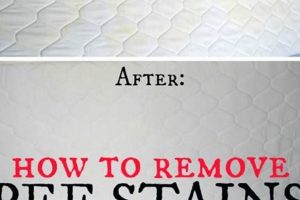
5. Stain Removal

Stain removal is inextricably linked to the process of eliminating canine urine from a mattress. While odor neutralization addresses the olfactory element, visible staining represents a tangible reminder of the incident and can impact the perceived cleanliness and hygiene of the sleeping surface. Effective stain removal contributes significantly to restoring the mattress to its original aesthetic condition. The presence of visible stains, even after odor elimination, may suggest incomplete cleaning, potentially affecting user comfort and well-being. Therefore, stain removal is an essential component of a comprehensive approach to addressing urine contamination.
Various factors influence the success of stain removal. The age of the stain, the type of mattress material, and the cleaning agents employed all play a crucial role. Fresh stains are generally easier to remove than older, set-in stains. Different materials react differently to cleaning solutions; what is effective on a cotton mattress may damage a memory foam one. Common stain removal techniques include the use of enzymatic cleaners, diluted hydrogen peroxide solutions, and specialized stain removers. Each method carries its own risks and benefits, requiring careful consideration and, in some cases, testing on an inconspicuous area before widespread application. For instance, hydrogen peroxide may lighten darker fabrics, while some enzymatic cleaners may leave a residue if not properly rinsed.
Ultimately, stain removal is a critical aspect of a complete solution to canine urine contamination in mattresses. It not only improves the appearance of the mattress but also reinforces the perception of thorough cleaning. Successfully addressing both the stain and the odor ensures a clean, hygienic, and comfortable sleep environment. A comprehensive understanding of stain removal techniques, matched to the specific material and stain characteristics, is essential for achieving optimal results and restoring the mattress to a satisfactory condition. The need for stain removal when seeking to get dog wee out of a mattress cannot be overstated and should not be overlooked.
6. Mattress Protection
Mattress protection serves as a proactive defense against canine urine contamination, mitigating the need for extensive cleaning and preserving mattress integrity. The implementation of protective measures reduces the frequency and severity of incidents requiring stain and odor removal interventions. Therefore, mattress protection is integral to strategies focused on maintaining a hygienic sleep environment and minimizing the impact of pet-related accidents.
- Waterproof Barriers
Waterproof mattress protectors form an impermeable layer, preventing urine from penetrating the mattress fibers. This barrier simplifies cleanup, often requiring only the removal and washing of the protector rather than treating the mattress itself. Examples include polyurethane-backed fabrics and vinyl covers, which effectively repel liquids. The use of a waterproof barrier drastically reduces the effort required to get dog wee out of a mattress, as the urine is contained and does not saturate the inner layers.
- Absorbent Padding
Some mattress protectors incorporate absorbent layers designed to draw moisture away from the surface. While not fully waterproof, these protectors can minimize the spread of urine and facilitate easier cleanup. Materials like quilted cotton or microfiber provide a degree of absorption, reducing the likelihood of urine reaching deeper mattress layers. Absorbent padding offers a secondary line of defense, delaying or reducing the saturation of the mattress core and simplifying the subsequent cleaning process when attempting to resolve dog urine contamination.
- Hypoallergenic Properties
Mattress protectors with hypoallergenic properties create a barrier against allergens, dust mites, and other irritants that can accumulate in mattresses. While not directly related to urine protection, these properties contribute to a healthier sleep environment, particularly for individuals with sensitivities. These protectors are usually tightly woven fabrics, which are usually waterproof to a significant degree. By creating a clean and allergen-free surface, hypoallergenic protectors indirectly support efforts to get dog wee out of a mattress by maintaining overall mattress hygiene.
- Ease of Maintenance
The primary benefit of mattress protectors lies in their ease of maintenance. Most protectors are machine washable, allowing for convenient and hygienic cleaning. Regular washing removes surface contaminants and prevents the buildup of odors. This contrasts sharply with the complex and labor-intensive process of cleaning a urine-soaked mattress. The ease of maintenance associated with mattress protectors directly translates to reduced effort and expense when addressing canine urine incidents.
In conclusion, mattress protection offers a practical and effective strategy for mitigating the challenges associated with canine urine contamination. By implementing protective measures, individuals can significantly reduce the effort required to get dog wee out of a mattress, while also preserving the cleanliness, hygiene, and longevity of their sleeping surface. Choosing the correct protection is a good defense and greatly reduces the need to attempt remediation.
7. Proper Ventilation

Proper ventilation plays a crucial role in mitigating the effects of canine urine contamination in mattresses. It is an essential element in facilitating drying, reducing odor, and preventing microbial growth, thereby contributing to successful remediation. Ventilation should be regarded as a mandatory aspect of mattress cleaning protocols rather than an optional supplement.
- Accelerated Drying
Effective ventilation significantly accelerates the drying process following urine removal efforts. Air circulation removes moisture from the mattress fibers, preventing the proliferation of bacteria and mold. Without adequate ventilation, residual moisture can linger for extended periods, creating an environment conducive to microbial growth. Utilizing fans or opening windows to promote airflow is crucial in expediting drying and reducing the risk of secondary contamination. Expedited drying makes it much easier to get dog wee out of a mattress, and helps guarantee success.
- Odor Reduction
Ventilation aids in the dissipation of odors associated with canine urine. Airflow helps to carry away volatile organic compounds (VOCs) responsible for the lingering smell. Stagnant air traps these compounds, intensifying the odor and prolonging its presence. Providing adequate ventilation allows the odors to dissipate more readily, resulting in a fresher and more hygienic sleeping environment. In the absence of Proper Ventilation the malodors may remain a problem.
- Prevention of Microbial Growth
Proper ventilation inhibits the growth of mold and mildew, which thrive in damp environments. These microorganisms can cause allergic reactions and respiratory problems, posing a health risk to individuals exposed to them. By promoting drying and reducing humidity, ventilation helps to prevent the establishment and spread of mold and mildew within the mattress. This proactive approach is essential for maintaining a healthy sleep environment. In order to get dog wee out of a mattress one must consider the issue of mold growth and prevention.
- Enhanced Effectiveness of Cleaning Agents
Ventilation improves the efficacy of cleaning agents, particularly enzyme-based products. Air circulation facilitates the evaporation of the cleaning solution, allowing the enzymes to work more effectively on the urine stains and odors. Proper ventilation creates conditions that optimize the performance of these cleaning agents, leading to more thorough and lasting results. The increased cleaning effectiveness makes it much easier to get dog wee out of a mattress and reduces the time required to achieve it.
Proper ventilation is an indispensable component of mattress cleaning, particularly when addressing canine urine contamination. It supports drying, reduces odor, inhibits microbial growth, and enhances the effectiveness of cleaning agents. Integrating ventilation into the cleaning process ensures a more thorough and lasting remediation, contributing to a healthier and more comfortable sleep environment. Proper ventilation allows all remediation efforts to be more effective.
Frequently Asked Questions
The following addresses common inquiries related to removing canine urine contamination from mattresses, providing clarity and actionable advice for effective remediation.
Question 1: Is it possible to completely eliminate canine urine odor from a mattress?
Complete odor removal is achievable with diligent application of appropriate techniques. Enzyme-based cleaners, thorough drying, and subsequent deodorization are crucial. However, the success hinges on the promptness of the initial response and the extent of the contamination.
Question 2: Can household cleaning products effectively remove canine urine stains and odors?
While some household cleaners may address surface stains, they often fail to eliminate the underlying uric acid crystals responsible for persistent odors. Enzyme-based cleaners are specifically formulated to break down these crystals, offering a more effective solution. Standard household soaps generally do not deliver the same benefit.
Question 3: How quickly must action be taken following a canine urine incident on a mattress?
Immediate action is paramount. The longer urine remains in contact with the mattress fibers, the deeper it penetrates, making removal more challenging. Prompt blotting with absorbent materials is essential to minimize stain and odor persistence.
Question 4: Are there specific mattress materials that are more susceptible to urine damage?
Mattresses constructed with absorbent materials, such as cotton or wool, are more prone to urine penetration and retention. Memory foam mattresses can also be challenging to clean due to their dense structure. Mattresses with waterproof or stain-resistant coatings offer better protection.
Question 5: What are the potential long-term consequences of failing to adequately remove canine urine from a mattress?
Inadequate urine removal can lead to persistent odors, bacterial growth, mold formation, and mattress degradation. These consequences can compromise sleep quality, pose health risks, and reduce the lifespan of the mattress.
Question 6: Is professional mattress cleaning necessary for severe canine urine contamination?
Severe contamination may necessitate professional cleaning services. Professionals possess specialized equipment and cleaning agents to address deep-seated stains and odors, ensuring thorough remediation and restoring mattress hygiene. However, homeowners should also attempt cleaning first before hiring a professional.
Effective management of canine urine in mattresses demands prompt action, appropriate cleaning agents, and adherence to proper techniques. Addressing both the stain and the odor is essential for restoring mattress hygiene and preventing long-term damage.
The following section provides a summary of key strategies for preventing future incidents and maintaining mattress cleanliness.
Effective Management of Canine Urine Contamination in Mattresses
The preceding exploration of “how to get dog wee out of a mattress” has highlighted several key points for successful remediation. These include the importance of immediate absorption, the strategic application of enzyme cleaners, effective odor neutralization techniques, thorough drying protocols, targeted stain removal methods, proactive mattress protection measures, and the necessity of proper ventilation. Adherence to these principles significantly improves the likelihood of complete urine removal and the restoration of a hygienic sleep environment.
Maintaining mattress cleanliness in the face of canine accidents requires vigilance and informed action. Implementing preventative strategies and responding promptly to incidents are crucial for preserving the integrity and longevity of the mattress. Continued awareness and proactive management will contribute to a healthier and more comfortable sleeping space. Addressing the problem is best when vigilance is the rule, and damage is dealt with swiftly.