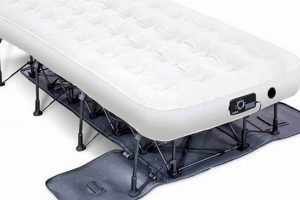
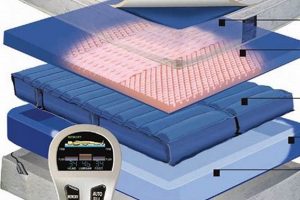
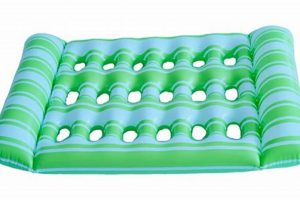
The process of adding air into a portable, inflatable bed to achieve its intended shape and firmness is essential for its usability. This procedure typically involves utilizing a pump designed either specifically for air mattresses or one adaptable to their valve systems. Successful completion results in a temporary sleeping surface suitable for indoor or outdoor use.
Achieving the correct level of inflation in such a bed is crucial for user comfort and support, offering a convenient and easily storable sleep solution. Historically, these beds have provided temporary sleeping arrangements in situations where conventional beds are unavailable, making them valuable for camping, hosting guests, or disaster relief scenarios. Their portability and ease of setup are significant advantages.
The following sections will detail various methods for achieving optimal inflation, covering pump types, alternative inflation techniques, and troubleshooting common issues, ensuring a comfortable and reliable sleeping experience.
Tips for Optimal Air Mattress Inflation
Achieving proper inflation is key to maximizing the comfort and lifespan of an air mattress. Adhering to the following tips will aid in a successful and efficient inflation process.
Tip 1: Select the Appropriate Pump: Ensure compatibility between the pump nozzle and the air mattress valve. Using an ill-fitting nozzle can result in air leakage or valve damage.
Tip 2: Inspect the Mattress Prior to Inflation: Before inflating, examine the air mattress for any existing punctures, tears, or weaknesses in the material. Addressing these issues beforehand prevents further damage during inflation.
Tip 3: Monitor Inflation Pressure: Over-inflation can stress the mattress seams, leading to potential rupture. Inflate to a firm, yet yielding, level, referencing any manufacturer guidelines regarding pressure.
Tip 4: Inflate in a Temperature-Controlled Environment: Ambient temperature affects air pressure within the mattress. Inflating in extremely hot or cold conditions can lead to under- or over-inflation as the air temperature stabilizes.
Tip 5: Utilize a Level Surface: Position the mattress on a flat, even surface, free from sharp objects. Uneven surfaces can cause uneven weight distribution and potential stress points on the mattress.
Tip 6: Secure the Valve Properly: After inflation, ensure the valve is tightly sealed to prevent air from escaping. Some valves have multiple locking mechanisms; engage all of them.
Tip 7: Regularly Check for Air Leaks: Over time, air mattresses may develop minor leaks. Periodically check the mattress for leaks, particularly around the seams and valve, and address them promptly with appropriate repair methods.
Following these guidelines can significantly enhance the user experience and prolong the life of the air mattress, ensuring a comfortable and reliable sleeping solution.
The subsequent section will address troubleshooting common issues encountered during and after the inflation process, providing solutions to maintain optimal performance.
1. Pump Compatibility

Pump compatibility constitutes a foundational element in the effective inflation of air mattresses. A mismatch between the pump and the valve system significantly hinders the inflation process, potentially leading to inefficiency or complete failure. Selection of the appropriate pump is therefore essential.
- Valve Type Matching
Various air mattresses utilize different valve designs, including Boston valves, double-lock valves, and pinch valves. A pumps nozzle must correspond to the specific valve type of the mattress. Using an incompatible nozzle can result in air leakage during inflation or prevent a secure connection altogether, rendering the pump ineffective.
- Nozzle Adaptability
Certain pumps feature interchangeable nozzles or adapters designed to accommodate multiple valve types. This adaptability provides versatility, enabling a single pump to be used with a range of air mattresses. The availability and proper usage of such adapters are critical for ensuring compatibility across diverse mattress models.
- Pump Pressure Output
Air mattresses require a specific pressure range for optimal inflation. Pumps vary in their pressure output capabilities, measured in PSI (pounds per square inch). A pump with insufficient pressure output may fail to fully inflate the mattress, while excessive pressure can lead to over-inflation and potential damage. Matching the pumps pressure output to the mattress’s recommended inflation pressure is necessary.
- Power Source Considerations
Pumps are powered by various sources, including electricity (AC or DC), batteries, or manual operation. The availability of a suitable power source must align with the pump type. For instance, an electric pump requires access to a power outlet, while a battery-powered pump necessitates charged batteries. Selecting a pump with an appropriate power source facilitates convenient and reliable inflation in the intended usage environment.
The interconnectedness of valve type, nozzle adaptability, pressure output, and power source highlights the significance of pump compatibility in the successful inflation of air mattresses. Proper assessment of these factors ensures an efficient and trouble-free inflation experience.
2. Valve Integrity

Valve integrity serves as a critical factor in the inflation and subsequent maintenance of air pressure within an air mattress. The valve is the sole entry and exit point for air; therefore, its ability to form and maintain an airtight seal directly affects the mattresses capacity to retain its inflated state. A compromised valve, exhibiting cracks, deformities, or a faulty sealing mechanism, invariably leads to air leakage, rendering the inflation effort futile. This leakage necessitates frequent re-inflation, diminishes the structural support provided by the mattress, and ultimately compromises the user’s comfort.
The cause-and-effect relationship between valve integrity and mattress performance is readily observable in practical scenarios. Consider, for instance, an air mattress used during a camping trip. If the valve has a minor crack, the mattress may initially inflate to its full capacity. However, over the course of the night, the slow but persistent air leakage caused by the compromised valve leads to a gradual deflation. By morning, the mattress is significantly deflated, diminishing its cushioning effect and resulting in an uncomfortable sleeping experience. This example illustrates the direct impact of even a seemingly minor valve issue on the overall effectiveness of the mattress.
Maintaining valve integrity requires careful handling during inflat
ion and deflation, proper storage practices to prevent physical damage, and periodic inspection for signs of wear or degradation. Failure to address valve issues promptly can transform a functional air mattress into an unusable item. Therefore, a proactive approach to valve maintenance is essential for ensuring the continued utility and longevity of the air mattress.
3. Inflation Method

The chosen inflation method fundamentally dictates the efficiency and effectiveness of inflating an air mattress. This selection determines the type of equipment required, the duration of the inflation process, and the level of physical exertion involved. A deliberate and informed choice of inflation method is, therefore, integral to achieving a properly inflated air mattress. An unsuitable method can result in incomplete inflation, damage to the mattress valve, or undue physical strain.
Consider the scenario of preparing an air mattress for unexpected overnight guests. If a manual foot pump is selected as the inflation method, the process may be protracted and physically demanding, particularly if the mattress is large. This could lead to delays in preparing the sleeping arrangement and potential user fatigue. Conversely, employing an electric pump can significantly reduce the inflation time and physical effort, streamlining the preparation process and allowing for quicker accommodation of the guests. The selected method, in this case, directly influences the convenience and speed of achieving a usable air mattress.
Ultimately, the appropriate inflation method depends on several factors, including the size and type of air mattress, the availability of power sources, and the physical capabilities of the individual performing the inflation. A careful evaluation of these factors, followed by the selection of a method that aligns with these considerations, is crucial for ensuring a successful and efficient inflation process. Challenges such as limited power access or physical constraints may necessitate the exploration of alternative inflation techniques, further emphasizing the practical significance of understanding the relationship between inflation method and the overall objective of achieving a usable air mattress.
4. Pressure Monitoring

Pressure monitoring is an integral component of successful air mattress inflation. The internal air pressure directly affects the mattress firmness, support, and overall longevity. Consistent pressure assessment during and after inflation mitigates the risk of over-inflation or under-inflation, both of which can compromise performance and structural integrity.
- Optimal Firmness Determination
Pressure monitoring enables precise adjustment of the air volume to achieve the desired firmness. Over-inflating can create an uncomfortably rigid surface, while under-inflating leads to inadequate support and potential sagging. Regularly checking the pressure allows for fine-tuning to meet individual comfort preferences. For instance, a user requiring firmer support might target a higher pressure, whereas someone preferring a softer feel would aim for a lower pressure.
- Preventing Over-Inflation Damage
Exceeding the maximum recommended pressure places undue stress on the mattress seams and internal structure. Over-inflation can result in seam rupture, valve failure, or material stretching, leading to permanent damage and air leakage. Pressure monitoring, through the use of a pressure gauge or by carefully observing the mattresses shape and feel, helps prevent over-inflation and prolongs the mattresses lifespan. Manufacturers often specify the maximum permissible pressure, which serves as a crucial benchmark during inflation.
- Accounting for Temperature Fluctuations
Air pressure is sensitive to temperature variations. As the ambient temperature rises, the air inside the mattress expands, increasing the internal pressure. Conversely, a drop in temperature causes a pressure decrease. Pressure monitoring allows for adjustments to compensate for these temperature-induced changes, maintaining consistent firmness. For example, an air mattress inflated indoors at room temperature and then moved outdoors on a cold night will experience a pressure drop, necessitating additional inflation to restore the desired firmness.
- Detecting and Addressing Leaks
A gradual decrease in pressure over time indicates a leak. Regular pressure monitoring enables early detection of these leaks, allowing for timely repair. Addressing minor leaks promptly prevents them from escalating into larger problems and minimizes air loss. Pressure monitoring can also aid in pinpointing the location of the leak by observing the rate and pattern of pressure decline. For example, a rapid pressure loss suggests a significant puncture, while a slow, steady decline indicates a smaller leak or valve issue.
The facets of pressure monitoring underscore its critical role in maintaining the optimal performance and longevity of air mattresses. Through careful attention to pressure levels and responsiveness to environmental factors and potential leaks, users can ensure a consistently comfortable and reliable sleeping surface.
5. Leak Prevention

The principle of leak prevention is inextricably linked to the effective process. While the act of inflation initially provides the necessary air volume, the long-term usability of an air mattress is fundamentally dependent on its ability to retain that air. A failure to implement effective leak prevention strategies negates the benefits of any inflation effort. Causes of leaks range from punctures and seam weaknesses to valve malfunctions and material degradation. The effects of these leaks include gradual deflation, reduced support, and ultimately, the rendering of the mattress unusable. Leak prevention, therefore, functions as a crucial element in ensuring that the effort expended in is not rendered futile by subsequent air loss.
Consider the practical application of this principle in a household setting. An air mattress is inflated for use by overnight guests. If preventative measures are not taken, such as inspecting the mattress for sharp objects or placing it on a protective surface, the likelihood of punctures increases. Even a small puncture can lead to a slow leak, causing the mattress to deflate gradually throughout the night. The result is a progressively uncomfortable sleeping surface, diminishing the quality of the guest’s experience. Conversely, if the user implements leak prevention strategies, such as a pre-inflation inspection and protective placement, the risk of punctures is minimized, and the mattress is more likely to maintain its inflated state throughout the night, ensuring a comfortable and supportive sleeping surface. This underscores the importance of proactive leak prevention in maximizing the benefits of the inflation process.
In summary, leak prevention is not merely an ancillary concern but an intrinsic component of achieving a successfully inflated and functional air mattress. Understanding the various causes of leaks and implementing preventative measures, such as careful handling, surface protection, and regular inspection, are essential
for maximizing the utility and lifespan of the mattress. While inflation provides the initial air volume, it is leak prevention that ensures the air is retained, ultimately determining the long-term effectiveness of the process.
Frequently Asked Questions
This section addresses common inquiries and concerns regarding the process of achieving optimal inflation and maintaining the integrity of air mattresses.
Question 1: What constitutes the most efficient method for inflating an air mattress quickly?
The utilization of an electric pump specifically designed for inflatable products generally offers the quickest inflation. This method minimizes physical exertion and delivers a consistent air pressure. Compatibility with the mattress valve is paramount for efficient operation.
Question 2: Is it possible to over-inflate an air mattress, and what are the potential consequences?
Over-inflation poses a significant risk to the structural integrity of the mattress. Excessive pressure can cause seam separation, valve failure, or material rupture. Adherence to the manufacturer’s recommended pressure range is crucial to prevent damage.
Question 3: What alternative inflation methods exist in the absence of a dedicated pump?
In the absence of a dedicated pump, a shop vacuum with a hose attachment can be used, exercising caution to avoid over-inflation. Alternatively, a manual foot pump or even a high-capacity hairdryer (on the cool setting) may serve as temporary solutions, albeit with reduced efficiency.
Question 4: How can one effectively locate a leak within an inflated air mattress?
A mixture of mild soap and water applied to the surface of the inflated mattress can aid in leak detection. Bubbles will form at the point of air escape, indicating the leak’s location. Careful observation around seams and the valve area is particularly important.
Question 5: What measures can be taken to prevent punctures and extend the lifespan of an air mattress?
Placing a protective barrier, such as a blanket or tarp, beneath the mattress can mitigate the risk of punctures from sharp objects. Avoidance of abrasive surfaces and proper storage when not in use are also essential for extending the mattress’s lifespan.
Question 6: How does ambient temperature affect the pressure within an air mattress, and what adjustments are necessary?
Ambient temperature fluctuations significantly impact air pressure within the mattress. Lower temperatures cause a pressure decrease, necessitating additional inflation. Conversely, higher temperatures increase pressure, potentially requiring deflation to prevent over-inflation. Regular monitoring and adjustment are advisable to maintain optimal firmness.
In summary, achieving optimal inflation requires careful consideration of the method employed, vigilance in pressure monitoring, and proactive measures to prevent leaks and damage. Adherence to these principles ensures both comfort and longevity.
The subsequent section will provide guidance on repairing minor damage to air mattresses, extending their usability and minimizing waste.
Concluding Insights on the Inflation of Air Mattresses
This exploration has elucidated the critical aspects of “how to inflate an air mattress” effectively. It has underscored the importance of pump compatibility, valve integrity, appropriate inflation methods, meticulous pressure monitoring, and proactive leak prevention. Each facet contributes significantly to the performance and longevity of these temporary sleeping solutions, thereby emphasizing the need for a comprehensive understanding of these principles.
The effective utilization of an air mattress hinges not only on the initial act of adding air but also on the consistent application of these key insights. By embracing a systematic approach to inflation and maintenance, users can maximize the comfort, reliability, and lifespan of their air mattresses, ensuring that these temporary beds provide a restful and dependable solution when and where they are needed most.