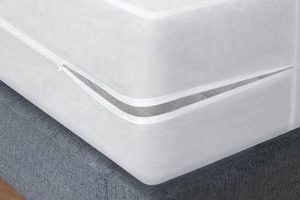
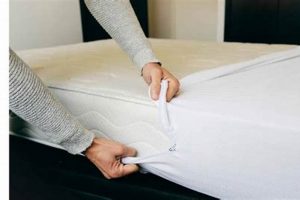
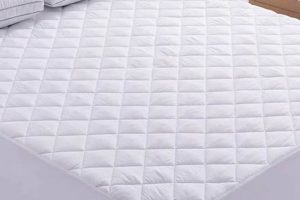
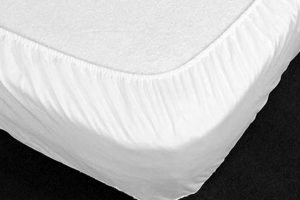
Maintaining a clean and hygienic sleep environment often necessitates the use of a barrier against spills and stains. These barriers, typically made of a waterproof material bonded to a fabric layer, protect mattresses from liquids and allergens. Their construction demands specific cleaning protocols to ensure effectiveness and longevity.
The use of such protective coverings extends the lifespan of the underlying mattress, preventing costly replacements due to damage. Furthermore, they contribute to improved hygiene by mitigating dust mite infestations and limiting the accumulation of bodily fluids. Historically, simpler methods were employed, but advancements in material science have led to more effective and easier-to-maintain solutions.
Effective maintenance requires careful adherence to manufacturer guidelines. The following sections detail the recommended procedures for laundering and drying, alongside tips for handling stains and maintaining waterproof integrity.
Maintaining Mattress Protector Integrity
These guidelines are crucial for preserving the waterproof qualities and extending the lifespan of mattress encasements.
Tip 1: Review Manufacturer Instructions: Before laundering, examine the care label. Specified water temperatures, detergent types, and drying methods vary by manufacturer and ignoring these directives can damage the protector.
Tip 2: Use Mild Detergent: Harsh chemicals can degrade the waterproof membrane. Opt for a gentle, fragrance-free detergent to prevent premature wear and tear.
Tip 3: Avoid Bleach and Fabric Softeners: Bleach can compromise the waterproof lining. Fabric softeners often leave residue that reduces breathability and overall performance.
Tip 4: Wash on a Gentle Cycle: A delicate cycle minimizes agitation, preventing stress on the waterproof barrier. Consider using cold or lukewarm water as specified by the care label.
Tip 5: Tumble Dry Low or Air Dry: High heat can melt or warp the waterproof layer. Tumble drying on a low heat setting or air-drying the protector is recommended. Ensure it is completely dry before placing it back on the mattress to prevent mildew.
Tip 6: Address Stains Promptly: Treat stains as soon as they occur. Gently blot the affected area with a clean cloth and mild detergent solution. Avoid aggressive scrubbing, which can damage the waterproof membrane.
Tip 7: Consider Using a Laundry Bag: Enclosing the mattress protector in a large mesh laundry bag during washing can provide additional protection against snags and tears.
Adhering to these best practices helps ensure continued performance and protection against spills, allergens, and dust mites.
The concluding section will summarize key steps and address common concerns regarding mattress protector care.
1. Gentle detergent selection

The selection of detergent directly impacts the longevity and efficacy of a waterproof mattress protector. Aggressive chemical compounds present in certain detergents can degrade the waterproof layer, compromising its primary function of preventing liquid penetration. This degradation arises from the chemical interaction between the detergent’s harsh components and the polymers composing the waterproof membrane. A compromised membrane allows liquids to seep through, negating the protector’s intended purpose and potentially damaging the mattress beneath. For example, using a detergent containing bleach on a polyurethane-backed protector can lead to cracking and peeling of the waterproof layer within a few wash cycles.
The use of gentle detergents mitigates this risk. These formulations are specifically designed to clean without harsh chemicals that can damage delicate materials. A non-ionic detergent, for instance, offers effective cleaning power while remaining relatively inert in relation to the waterproof membrane. This reduces the likelihood of structural damage and maintains the protector’s integrity over repeated washings. Regular use of such detergents not only extends the life of the protector but also helps to preserve its hypoallergenic properties by preventing the buildup of residue that could attract allergens.
Therefore, gentle detergent selection is a pivotal component of a comprehensive maintenance strategy. By prioritizing detergents free from harsh chemicals, individuals can ensure the continued performance and longevity of their mattress protectors, safeguarding their mattresses and contributing to a cleaner, healthier sleep environment. Disregarding this aspect can lead to premature failure of the protector, necessitating replacement and ultimately increasing costs.
2. Low heat drying

The drying process significantly influences the lifespan and protective capabilities of waterproof mattress protectors. Excessive heat during drying can compromise the integrity of the waterproof membrane, leading to diminished functionality and premature failure. The application of low heat, therefore, is a crucial step in proper care.
- Polymer Degradation
The waterproof layer typically consists of polymers like polyurethane or thermoplastic polyurethane (TPU). These materials exhibit temperature sensitivity; exposure to high heat weakens the polymer chains, causing them to become brittle and crack. For example, drying a protector at high temperatures in a conventional dryer can result in the waterproof layer delaminating from the fabric backing, rendering it ineffective. Consequently, low heat drying mitigates this risk, preserving the polymer’s structural integrity.
- Adhesive Failure
Many protectors feature a waterproof membrane bonded to a fabric layer using adhesives. High heat can soften or melt these adhesives, leading to separation between the layers. An instance of this is the appearance of bubbles or wrinkles in the protector’s surface after being subjected to high dryer settings. Low heat settings ensure that the adhesive bond remains intact, maintaining the functional layering of the protector.
- Shrinkage and Distortion
The fabric components of the protector, often cotton or polyester blends, may shrink or distort under high heat. This shrinkage can alter the protector’s dimensions, making it difficult to fit properly on the mattress. Furthermore, distortion can create uneven surfaces that reduce comfort and the protector’s ability to lie flat. Low heat drying minimizes shrinkage and distortion, preserving the protector’s original shape and fit.
- Energy Consumption
Low heat drying consumes less energy compared to high heat settings. While it may extend the drying time, the reduced energy consumption translates to cost savings over the lifespan of the protector. This represents an economic benefit alongside the extended lifespan of the protector itself, thus making it a cost-effective and environmentally conscious practice.
In summation, the employment of low heat during drying is paramount to maintaining the structural integrity, functional layering, and proper fit of waterproof mattress protectors. It prevents polymer degradation, adhesive failure, and material shrinkage, extending the protector’s lifespan and ensuring continued protection of the mattress. Moreover, the energy efficiency of low heat drying provides additional economic and environmental advantages.
3. Avoid harsh chemicals

The avoidance of harsh chemicals is paramount in the maintenance of waterproof mattress protectors. The composition of these protectors, often involving delicate waterproof membranes, necessitates gentle cleaning practices to preserve their integrity and effectiveness.
- Membrane Degradation
Harsh chemicals, such as bleach and strong detergents, can chemically react with the waterproof layer of the protector. This reaction leads to the breakdown of the polymers that constitute the membrane, resulting in cracking, peeling, and eventual loss of waterproof properties. For instance, frequent washing with chlorine bleach will compromise a polyurethane membrane, reducing its effectiveness and lifespan.
- Irritant Residue
Residue from harsh chemicals can remain embedded within the protector’s fabric even after rinsing. This residue can cause skin irritation and allergic reactions, especially for individuals with sensitive skin or allergies. Certain optical brighteners and strong fragrances found in some detergents are known to cause such reactions. Avoiding these chemicals minimizes the risk of skin discomfort and health issues.
- Reduced Breathability
The waterproof membrane is designed to be breathable, allowing air circulation while preventing liquid penetration. Harsh chemicals can clog the pores of the membrane, reducing its breathability and leading to moisture buildup and discomfort. This is particularly relevant for protectors intended to regulate temperature and prevent overheating. Using gentle detergents ensures that the membrane’s breathability remains intact.
- Environmental Impact
Harsh chemicals often have negative environmental consequences, contributing to water pollution and harming aquatic life. By choosing milder, eco-friendly detergents, one reduces the environmental footprint associated with the cleaning of mattress protectors. This aligns with sustainable practices and promotes responsible consumption.
In summary, the avoidance of harsh chemicals in the maintenance of waterproof mattress protectors is crucial for preserving the protector’s waterproof properties, minimizing skin irritation, maintaining breathability, and reducing environmental impact. Adherence to gentle cleaning practices extends the lifespan of the protector, ensures its continued effectiveness, and contributes to a healthier sleep environment.
4. Cold water washing

The use of cold water washing is a significant factor in maintaining waterproof mattress protectors. The thermal sensitivity of the materials commonly used in their construction necessitates careful consideration of water temperature during laundering.
- Preservation of Waterproof Membrane Integrity
Elevated water temperatures can degrade the waterproof membrane, often composed of polyurethane or similar materials. Heat weakens the polymer structure, leading to cracking or delamination. Cold water washing minimizes this risk, preserving the membrane’s integrity and extending the protector’s lifespan. For example, a protector washed repeatedly in hot water may exhibit diminished waterproof capabilities within a short period compared to one washed in cold water.
- Minimization of Fabric Shrinkage
The fabric component of the protector, typically cotton or a synthetic blend, is susceptible to shrinkage in hot water. This shrinkage can alter the protector’s dimensions, rendering it ill-fitting and compromising its ability to effectively protect the mattress. Cold water washing significantly reduces the likelihood of shrinkage, ensuring the protector retains its original size and shape.
- Reduced Dye Fading and Bleeding
Hot water can cause dyes to fade or bleed from the fabric, resulting in discoloration and a less aesthetically pleasing appearance. Cold water washing helps to preserve the fabric’s color and prevents dyes from transferring to other items in the wash. This is particularly important for protectors with patterned or brightly colored fabrics.
- Energy Efficiency
Cold water washing requires less energy than hot water washing, reducing energy consumption and lowering utility costs. The savings can be substantial over the lifespan of the protector, making it an economically sound choice. Furthermore, using cold water reduces the environmental impact associated with heating water for laundry.
In conclusion, cold water washing offers several advantages in the context of maintaining waterproof mattress protectors. It preserves the integrity of the waterproof membrane, minimizes fabric shrinkage and dye fading, and promotes energy efficiency. Adherence to cold water washing protocols contributes to the longevity and continued effectiveness of the mattress protector, ensuring a hygienic and protected sleep environment.
5. Stain pre-treatment
Stain pre-treatment is a critical step in laundering a waterproof mattress protector, enhancing the effectiveness of the washing process and preserving the material’s integrity. Addressing stains before washing maximizes stain removal while minimizing the potential for damage to the waterproof membrane.
- Enhanced Stain Removal
Pre-treatment loosens and breaks down stain molecules, facilitating their removal during the wash cycle. Certain stains, such as blood or urine, bond strongly to fabric fibers. Pre-treatment with an enzymatic cleaner targets these bonds, improving the likelihood of complete removal. Without pre-treatment, such stains may set permanently, diminishing the protector’s cleanliness and aesthetic appeal.
- Prevention of Stain Setting
Washing a stained protector without pre-treatment can cause the stain to set, particularly if heat is applied during the drying process. Heat solidifies the stain, making it significantly more difficult, if not impossible, to remove. Pre-treatment prevents this by addressing the stain before it undergoes the chemical changes induced by heat.
- Preservation of Waterproof Membrane
Aggressive scrubbing or the use of harsh chemicals during washing can compromise the waterproof membrane. Pre-treatment reduces the need for such harsh methods by targeting the stain directly. Gentle stain removers, applied locally, are less likely to damage the overall membrane structure compared to subjecting the entire protector to intense washing conditions.
- Targeted Cleaning Solutions
Different stains require different cleaning approaches. Pre-treatment allows for the application of specific solutions tailored to the stain type. For example, an oil-based stain benefits from a solvent-based pre-treatment, while a protein-based stain requires an enzymatic cleaner. This targeted approach is more effective than relying on a single detergent to address a variety of stains during the wash cycle.
The integration of stain pre-treatment into the laundering process for waterproof mattress protectors is essential for maintaining cleanliness, preserving material integrity, and extending the lifespan of the protector. By addressing stains before washing, individuals can achieve superior cleaning results while minimizing the risk of damage to the waterproof membrane.
6. Regular laundering frequency

Consistent and timely washing is crucial for maintaining the hygiene and protective qualities of a waterproof mattress protector. The frequency with which these protectors are laundered directly impacts their ability to effectively safeguard mattresses from spills, allergens, and dust mites.
- Allergen and Dust Mite Control
Mattress protectors accumulate allergens and dust mites over time. Regular laundering removes these irritants, promoting a healthier sleep environment. Infrequent washing allows allergen levels to build up, potentially exacerbating allergies and respiratory issues. Washing every one to two months is generally recommended to maintain effective allergen control. For individuals with severe allergies, a more frequent schedule, such as every two weeks, may be advisable.
- Spill and Stain Management
Waterproof mattress protectors are designed to prevent liquids from penetrating the mattress. However, spills and stains can still accumulate on the protector’s surface. Regular washing removes these substances, preventing odors and discoloration. Prompt laundering after a spill is essential to prevent staining. A consistent washing schedule, even in the absence of visible stains, ensures that minor spills and bodily fluids are removed before they cause lasting damage or odors.
- Maintenance of Waterproof Integrity
While waterproof mattress protectors are durable, frequent washing can place stress on the waterproof membrane. Following manufacturer guidelines for washing frequency and proper care techniques, such as using mild detergents and low heat drying, is crucial to maintaining the membrane’s integrity. Overwashing can prematurely degrade the membrane, reducing its effectiveness. Therefore, establishing a balanced washing schedule is necessary, considering both hygiene and material durability.
- Odor Prevention
Body oils, sweat, and other bodily fluids can permeate the fabric of a mattress protector over time, leading to unpleasant odors. Regular laundering eliminates these odor-causing substances, ensuring a fresh and hygienic sleep surface. A consistent washing schedule prevents the buildup of odors, contributing to a more comfortable sleep environment. Allowing odors to persist for extended periods can make them more difficult to remove, necessitating more aggressive cleaning methods that may damage the protector.
Optimal preservation of waterproof mattress protectors involves a balanced approach to cleaning. While consistent laundering is necessary to control allergens, manage spills, prevent odors, and maintain hygiene, adhering to manufacturer recommendations regarding washing frequency and proper care techniques is critical to preserving the protector’s waterproof integrity and extending its lifespan.
Frequently Asked Questions
This section addresses common inquiries regarding the proper care and cleaning of waterproof mattress protectors, providing authoritative guidance on best practices.
Question 1: How frequently should a waterproof mattress protector be laundered?
Laundering frequency depends on usage and environmental factors. In general, washing every one to two months is advisable for routine maintenance. More frequent washing, such as every two weeks, is recommended for individuals with allergies or in households with pets or young children.
Question 2: Can standard laundry detergents be used on waterproof mattress protectors?
Standard laundry detergents can be used, provided they are mild and free of harsh chemicals such as bleach, fabric softeners, and optical brighteners. These chemicals can degrade the waterproof membrane, diminishing its effectiveness and lifespan. Fragrance-free detergents are also recommended to minimize potential allergic reactions.
Question 3: What is the optimal water temperature for washing a waterproof mattress protector?
Cold or lukewarm water is optimal. High water temperatures can damage the waterproof membrane and cause fabric shrinkage. Adherence to the manufacturer’s recommended water temperature, typically indicated on the care label, is crucial for preserving the protector’s integrity.
Question 4: Is it safe to tumble dry a waterproof mattress protector?
Tumble drying is permissible, but only on a low heat setting or an air-dry cycle. High heat can melt or warp the waterproof membrane. Complete drying is essential to prevent mildew growth. Air-drying is an alternative method, although it may require a longer drying time.
Question 5: How should stains be addressed on a waterproof mattress protector?
Stains should be pre-treated promptly with a mild stain remover before washing. Avoid harsh scrubbing, which can damage the waterproof membrane. Gently blot the stained area with a clean cloth and the stain remover, allowing it to sit for a short period before washing. For persistent stains, a second pre-treatment application may be necessary.
Question 6: What measures can be taken to prevent damage to the waterproof membrane during washing and drying?
To prevent damage, utilize a gentle wash cycle, avoid overloading the washing machine, and refrain from using harsh chemicals. When drying, employ a low heat setting or air-dry. Inspect the protector regularly for signs of wear and tear, such as cracks or peeling. Addressing minor issues promptly can prevent further damage.
Proper care and maintenance are essential for maximizing the lifespan and effectiveness of waterproof mattress protectors. Following these guidelines ensures a hygienic and protected sleep environment.
The subsequent section will provide a summary of key steps and address common concerns regarding mattress protector care, offering a consolidated guide for optimal maintenance.
Concluding Remarks on Proper Maintenance
This exploration has detailed the essential steps involved in effectively maintaining a waterproof mattress protector. Key among these are the selection of mild detergents, the utilization of cold water washing, the avoidance of harsh chemicals and high heat drying, consistent stain pre-treatment, and adherence to a regular laundering schedule. Implementing these practices safeguards the integrity of the waterproof membrane, extends the protector’s lifespan, and promotes a sanitary sleep environment.
The consistent application of these guidelines ensures the sustained effectiveness of the protective barrier, minimizing the potential for mattress contamination and fostering a healthier sleep space. Proper maintenance is not merely a matter of cleanliness; it is an investment in the longevity of bedding and the overall well-being of individuals. Therefore, adherence to these protocols is strongly advised.