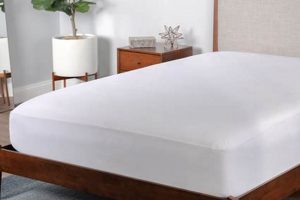
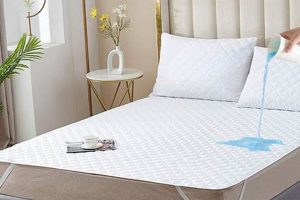
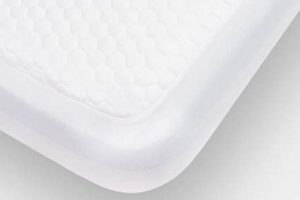
Maintaining a clean sleeping environment is essential for hygiene and comfort. A mattress protector serves as a barrier against spills, stains, dust mites, and allergens, thereby prolonging the life of the mattress itself. Tempurpedic mattress protectors, designed to complement their mattresses, require specific care to preserve their protective qualities and ensure longevity.
Regular cleaning of a mattress protector contributes significantly to a healthier sleep environment. It minimizes the buildup of allergens and dust mites, which can exacerbate respiratory issues and allergies. Furthermore, addressing spills and stains promptly prevents them from penetrating the mattress, protecting the investment and preventing unpleasant odors. Following the manufacturer’s instructions for cleaning ensures the protector retains its integrity and effectiveness.
The subsequent sections will detail the recommended procedures for laundering a Tempurpedic mattress protector, encompassing pre-wash preparations, washing machine settings, drying instructions, and stain removal techniques. These steps, when followed carefully, will help maintain the protector’s protective qualities and provide a clean and comfortable sleep surface.
Tips for Laundering a Tempurpedic Mattress Protector
Adhering to specific guidelines ensures the proper care and maintenance of a Tempurpedic mattress protector during laundering. Consistent and correct cleaning procedures can extend the protector’s lifespan and effectiveness.
Tip 1: Consult the Care Label: Prior to washing, always examine the care label affixed to the protector. This label provides specific instructions from the manufacturer regarding water temperature, detergent type, and drying methods. Deviation from these instructions may compromise the protector’s integrity.
Tip 2: Pre-Treat Stains: Address any visible stains before placing the protector in the washing machine. Use a mild stain remover specifically formulated for delicate fabrics. Apply the stain remover directly to the affected area, allowing it to sit for the recommended time before laundering.
Tip 3: Use a Gentle Detergent: Select a mild, hypoallergenic detergent free from harsh chemicals, bleach, or fabric softeners. These additives can damage the protector’s waterproof membrane or alter its texture.
Tip 4: Wash on a Delicate Cycle: Employ the washing machine’s delicate or gentle cycle. This minimizes agitation and reduces the risk of damage to the protector’s fibers and waterproof lining. A cold water setting is generally recommended.
Tip 5: Avoid Overloading the Washing Machine: Ensure the washing machine is not overloaded. Excessive weight can prevent the protector from being cleaned thoroughly and may cause damage to both the protector and the machine.
Tip 6: Tumble Dry on Low Heat: If the care label permits tumble drying, use the lowest heat setting. Excessive heat can shrink or warp the protector’s material. Alternatively, air drying is a gentler option.
Tip 7: Ensure Complete Dryness: Before placing the protector back on the mattress, verify that it is completely dry. Dampness can lead to mold and mildew growth, compromising hygiene and potentially damaging the mattress.
Following these recommendations ensures that a Tempurpedic mattress protector remains clean, hygienic, and effective at safeguarding the mattress from spills, stains, and allergens. Regular and appropriate cleaning enhances the sleep environment and prolongs the life of both the protector and the mattress.
The next section will address common issues encountered during mattress protector care and provide solutions to maintain its performance.
1. Care Label Review

The initial and arguably most crucial step in properly laundering a Tempurpedic mattress protector involves a thorough review of the care label. This label, typically sewn onto the protector, provides specific instructions from the manufacturer regarding washing temperature, permissible detergents, drying methods, and other relevant guidelines. Adherence to these instructions is paramount as deviations can lead to shrinkage, damage to the waterproof membrane, or discoloration of the fabric. For instance, a care label may explicitly state “Tumble dry low” or “Do not bleach.” Ignoring such directives could result in irreparable harm to the protector, rendering it ineffective in safeguarding the mattress.
The care label acts as a direct communication channel from the manufacturer, reflecting the specific materials and construction techniques used in the protector’s creation. Different Tempurpedic mattress protector models may utilize varying fabrics and waterproofing technologies, necessitating individualized cleaning approaches. For example, a protector with a delicate waterproof layer might require air drying only, while a more robust model could tolerate low-heat tumble drying. Furthermore, the label may specify the type of detergent to avoid, such as those containing enzymes or optical brighteners, which could degrade the protector’s materials over time. Failure to consult the care label creates a significant risk of improper cleaning, potentially voiding any warranty and shortening the lifespan of the product.
In summary, the care label review is an indispensable component of the overall laundering process for a Tempurpedic mattress protector. It provides essential information tailored to the specific characteristics of the protector, ensuring that cleaning practices align with the manufacturer’s recommendations. Neglecting this step introduces a high probability of damage and reduces the protector’s effectiveness, ultimately compromising the hygienic integrity of the sleep environment. Prioritizing this review serves as a fundamental safeguard for maintaining the protector’s quality and extending its useful life.
2. Gentle Detergent Use

The selection of detergent plays a critical role in preserving the integrity of a Tempurpedic mattress protector during laundering. Harsh chemicals and abrasive agents present in conventional detergents can compromise the protector’s waterproof membrane, degrade the fabric fibers, and potentially void the warranty. Therefore, the use of a gentle detergent is not merely a suggestion, but a necessity for effective and safe cleaning.
Gentle detergents, formulated without harsh chemicals, bleach, or fabric softeners, provide a safer cleaning alternative. These detergents effectively remove dirt, dust mites, and allergens without damaging the protector’s delicate materials. For instance, detergents labeled as “hypoallergenic” or “for sensitive skin” often lack the aggressive enzymes and brighteners found in standard detergents, minimizing the risk of material degradation. Failure to use a gentle detergent can result in the protector losing its waterproof qualities, becoming susceptible to staining, and potentially harboring mold or mildew. The outcome of such misuse necessitates more frequent replacements, leading to increased expense and environmental impact. The efficacy of the protector hinges on the selection of appropriate detergent, linking it directly to its lifespan and performance.
In summary, the utilization of a gentle detergent represents an integral component of the proper washing procedure for a Tempurpedic mattress protector. This practice safeguards the protector’s materials from damage, preserving its functionality and extending its usable lifespan. Adherence to this guideline translates to long-term cost savings, reduced environmental impact, and the maintenance of a hygienic sleep environment. Neglecting this crucial step can lead to premature failure of the protector, negating its intended purpose and diminishing its value.
3. Delicate Cycle Selection

The selection of a delicate cycle on a washing machine is a critical element in the process of properly laundering a Tempurpedic mattress protector. The gentler agitation and reduced spin speed associated with this cycle minimize stress on the protector’s materials, preserving its integrity and extending its lifespan. Choosing an inappropriate wash cycle can lead to irreversible damage and reduced performance.
- Reduced Agitation
The delicate cycle utilizes reduced agitation during the wash process. Standard wash cycles employ vigorous tumbling that can abrade the waterproof membrane and weaken the fabric fibers of the mattress protector. Reduced agitation minimizes this friction, thereby preserving the protective qualities of the material. For example, a standard cycle might involve forceful back-and-forth movement, while a delicate cycle employs gentle, rolling motions.
- Lower Spin Speed
The spin cycle removes excess water from the protector after washing. Higher spin speeds, common in regular cycles, exert significant centrifugal force that can stretch and distort the protector’s shape, potentially compromising its fit on the mattress. The delicate cycle employs a lower spin speed, reducing the stress on the fabric and maintaining its original dimensions. This is particularly important for protectors with fitted skirts or elasticized edges.
- Prevention of Material Degradation
The combined effects of reduced agitation and lower spin speed in the delicate cycle work synergistically to prevent material degradation. Harsh washing conditions can cause the waterproof membrane to crack or delaminate, rendering the protector ineffective against spills and stains. The delicate cycle provides a gentler cleaning environment that minimizes the risk of such damage, ensuring that the protector continues to perform its intended function.
- Compatibility with Care Label Instructions
Manufacturer care labels often explicitly recommend using a delicate cycle for laundering Tempurpedic mattress protectors. This recommendation is based on the specific materials and construction techniques employed in these products. Adhering to this instruction ensures that the washing process aligns with the manufacturer’s guidelines, helping to maintain the protector’s warranty and prevent premature wear. Deviating from the recommended cycle may void the warranty and compromise the protector’s performance.
Selecting a delicate cycle for washing a Tempurpedic mattress protector is not merely a matter of convenience; it is an essential step in preserving its functionality and extending its lifespan. This practice minimizes stress on the protector’s materials, prevents damage to the waterproof membrane, and ensures compatibility with manufacturer recommendations. The consequence of ignoring this guideline may be the premature degradation of the protector and a compromised sleep environment.
4. Low Heat Drying
The application of low heat drying is inextricably linked to the appropriate laundering of a Tempurpedic mattress protector. Elevated temperatures during the drying process can compromise the protector’s waterproof membrane and alter its structural integrity, rendering it less effective. This practice is not merely preferential, but a necessary precaution to maintain the protector’s functionality and longevity. Utilizing low heat minimizes the risk of shrinkage, warping, or delamination of the protective layer. For example, a protector subjected to high heat might experience a breakdown of its waterproof coating, leading to increased susceptibility to staining and potential damage to the underlying mattress.
Alternatively, air drying presents a viable option when low heat drying is not feasible or desired. However, it is critical to ensure the protector is completely dry before placing it back on the mattress. Residual moisture can foster mold and mildew growth, negating the hygienic benefits of washing. Proper air drying involves laying the protector flat or hanging it in a well-ventilated area, away from direct sunlight, which can cause discoloration. A practical illustration involves an individual who, upon washing their Tempurpedic mattress protector, opts for air drying in a humid environment. If the protector is not thoroughly dried, musty odors and potential mold growth may ensue, requiring another wash or, in severe cases, replacement of the protector.
In conclusion, low heat drying, or thorough air drying, constitutes a critical step in the process. Neglecting to employ these techniques can undermine the benefits of washing and potentially damage the protector, shortening its lifespan and compromising its protective qualities. Adherence to these drying recommendations ensures a clean and hygienic sleep environment while safeguarding the investment in the Tempurpedic mattress protector.
5. Stain Pre-treatment
Stain pre-treatment is a crucial preliminary step in the comprehensive process of laundering a Tempurpedic mattress protector. The effectiveness of stain removal during the wash cycle is significantly enhanced when stains are addressed prior to the main wash. Failure to pre-treat can result in the persistence of stains, requiring repeated washings or rendering the protector permanently discolored. This is due to the fact that some substances bond strongly with fabric fibers, and the mechanical action of a washing machine alone may not be sufficient to dislodge them entirely.
The rationale behind pre-treatment lies in the targeted application of stain-removing agents directly to the affected area. This concentrated approach allows the agent to penetrate the stain and break down its chemical bonds, facilitating its removal during the wash cycle. For instance, enzymatic stain removers are particularly effective against organic stains such as blood or urine, as they contain enzymes that digest the proteins and other complex molecules comprising these stains. A practical example involves a spill of coffee on the mattress protector; without pre-treatment, a visible stain may remain even after washing. Conversely, applying a suitable stain remover before washing significantly increases the likelihood of complete stain removal. The choice of pre-treatment agent should be appropriate for both the stain type and the mattress protector material, considering the potential for discoloration or damage. A gentle pre-treatment is critical to avoid the degradation of the protector’s waterproof properties.
In summary, the integration of stain pre-treatment into the Tempurpedic mattress protector laundering process represents a proactive strategy to ensure optimal cleaning and stain removal. This step not only enhances the aesthetic appeal of the protector but also contributes to its longevity by minimizing the need for aggressive washing methods. While pre-treatment may require additional effort, the resulting improvement in cleaning effectiveness and the preservation of the protector’s integrity render it a worthwhile investment of time and resources. Omission of this step increases the potential for permanent staining and accelerated degradation of the mattress protector, ultimately diminishing its value.
6. Avoid Overloading

The concept of avoiding overloading a washing machine during the laundering process is integrally linked to the proper maintenance of a Tempurpedic mattress protector. Overloading, characterized by exceeding the washing machine’s recommended capacity, directly impedes the effective cleaning and rinsing of the protector, leading to potential damage and reduced lifespan. The primary consequence of overloading is restricted movement of the protector within the machine. This limitation prevents thorough water circulation and detergent distribution, resulting in uneven cleaning and the retention of dirt, allergens, and detergent residues within the fabric. A poorly cleaned protector can harbor bacteria and dust mites, negating the intended hygienic benefits of washing. Furthermore, retained detergent can stiffen the fabric and potentially irritate sensitive skin. For example, if one attempts to wash a king-size Tempurpedic mattress protector in a standard-capacity washing machine, the protector will be tightly packed, hindering proper cleaning and potentially damaging both the protector and the machine.
Beyond inadequate cleaning, overloading can also physically damage the Tempurpedic mattress protector. The excessive weight and restricted movement place undue stress on the fabric and seams, increasing the risk of tearing or stretching. The protector’s waterproof membrane, designed to prevent liquid penetration, is particularly vulnerable to damage from overloading. The increased friction and pressure can cause the membrane to crack or delaminate, compromising its protective function. In practice, this means that the protector may no longer effectively prevent spills from reaching the mattress, defeating its primary purpose. The washing machine itself can also suffer from overloading. The added weight can strain the motor and suspension system, potentially leading to mechanical failure and costly repairs. A balanced load ensures that the machine operates efficiently and reliably, prolonging its lifespan.
In conclusion, avoiding overloading the washing machine is an indispensable element of properly laundering a Tempurpedic mattress protector. This practice safeguards the protector’s cleanliness and functionality by ensuring adequate cleaning, rinsing, and preventing physical damage. Failure to adhere to this guideline can result in a poorly cleaned protector, reduced lifespan, and potential harm to the washing machine itself. The small effort required to ensure an appropriately sized load yields significant benefits in terms of hygiene, protector longevity, and appliance maintenance. The recommendation to avoid overloading should be regarded as a critical instruction, not a mere suggestion, in the care of a Tempurpedic mattress protector.
Frequently Asked Questions
This section addresses common inquiries concerning the proper cleaning and maintenance of Tempurpedic mattress protectors. The information provided aims to clarify best practices and address potential concerns.
Question 1: How often should a Tempurpedic mattress protector be laundered?
The frequency of washing depends on usage and environmental factors. A general recommendation is to launder the protector every one to two months. More frequent washing may be necessary if spills occur or if individuals using the mattress experience allergies or sensitivities.
Question 2: Can bleach be used when washing a Tempurpedic mattress protector?
The use of bleach is generally discouraged. Bleach can degrade the fabric fibers and the waterproof membrane, potentially shortening the protector’s lifespan. Consult the care label for specific instructions regarding bleach usage; if not explicitly permitted, it should be avoided.
Question 3: What water temperature is recommended for washing a Tempurpedic mattress protector?
Cold water is typically recommended. High water temperatures can cause shrinkage and damage to the waterproof lining. Refer to the care label for specific temperature guidelines, but cold water is generally the safest option.
Question 4: Can a Tempurpedic mattress protector be dry cleaned?
Dry cleaning is generally not recommended. The chemicals used in dry cleaning processes can damage the waterproof membrane and other materials used in the protector’s construction. Washing according to the care label instructions is the preferred method.
Question 5: How should stains be treated on a Tempurpedic mattress protector?
Stains should be pre-treated as soon as possible. Use a mild stain remover specifically designed for delicate fabrics. Apply the stain remover to the affected area, allow it to sit for the recommended time, and then launder the protector according to the care label instructions.
Question 6: What should be done if the Tempurpedic mattress protector develops an odor?
An odor may indicate the presence of mold or mildew, often caused by insufficient drying after washing. Ensure the protector is completely dry before placing it back on the mattress. Baking soda can be sprinkled on the protector before washing to help neutralize odors. If the odor persists, the protector may need to be replaced.
Consistent adherence to the manufacturers instructions and best practices ensures the longevity and effectiveness of the protector.
The subsequent section will address storage tips to keep Tempurpedic mattress protectors in optimal condition.
Conclusion
The preceding sections have explored the critical aspects of how to wash Tempurpedic mattress protector effectively. Emphasis was placed on the importance of consulting the care label, utilizing gentle detergents, selecting the delicate cycle on washing machines, and implementing low-heat drying techniques. Pre-treatment of stains and avoiding overloading the washing machine were also highlighted as essential steps in maintaining the integrity and extending the lifespan of the protector.
Adherence to these established guidelines ensures the ongoing protection of the mattress and contributes to a healthier sleep environment. The consistent application of these laundering procedures constitutes a responsible approach to preserving the investment in the mattress protector and safeguarding the hygiene of the sleep surface. Neglecting these protocols may diminish the protector’s effectiveness and necessitate premature replacement.