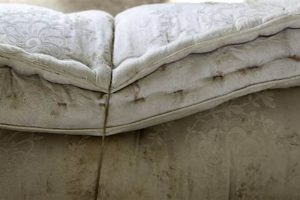
A covering designed to be placed on top of a mattress, beneath the fitted sheet, enhances comfort and protection. This removable layer serves multiple purposes, ranging from modifying the feel of the sleeping surface to safeguarding the mattress from spills and wear. For example, a plush, quilted version can add a layer of softness to a firm mattress.
The utilization of such bedding accessories yields several key advantages. It can prolong the lifespan of the mattress by acting as a barrier against stains and damage. Furthermore, many options offer hypoallergenic properties, promoting a healthier sleep environment by reducing allergens. Historically, these items were primarily intended for simple protection, but contemporary designs incorporate features such as temperature regulation and improved support.
The subsequent sections will examine the specific factors that influence the decision to use such a covering, including individual comfort preferences, mattress warranty requirements, and potential cost savings over time.
Guidance on Mattress Pad Utilization
The following recommendations provide insight into the appropriate application and selection of mattress pads.
Tip 1: Evaluate Existing Mattress Condition: Before acquiring a mattress pad, assess the state of the current mattress. If the mattress is new and primarily requires protection, a basic, waterproof option may suffice.
Tip 2: Consider Comfort Preferences: Individuals seeking to alter the feel of their mattress should select a pad that aligns with their desired level of firmness or softness. Options include memory foam, down alternative, and quilted constructions.
Tip 3: Address Specific Needs: Those with allergies should prioritize hypoallergenic materials such as bamboo or tightly woven cotton to minimize allergen exposure.
Tip 4: Review Mattress Warranty: Certain mattress warranties may be voided by the presence of stains. Employing a waterproof mattress pad can mitigate this risk and preserve the warranty’s validity.
Tip 5: Explore Temperature Regulation Features: For individuals prone to overheating during sleep, consider mattress pads incorporating cooling technologies or breathable materials such as wool or Tencel.
Tip 6: Examine Cleaning and Maintenance Requirements: Prior to purchase, assess the ease of cleaning and maintenance. Opt for machine-washable options to simplify upkeep.
Tip 7: Assess Pad Thickness: Mattress pad thickness affects comfort and support. Thicker pads offer more cushioning, while thinner pads primarily protect the mattress.
Proper assessment and selection of a mattress pad can improve sleep quality, extend mattress lifespan, and maintain warranty compliance.
The article will now conclude by summarizing the key benefits and considerations.
1. Protection

The degree of protection desired directly influences the necessity of a mattress pad. The primary role of a mattress pad, regarding protection, involves creating a barrier between the mattress and external factors. These factors include spills, stains, body oils, and general wear and tear. If a mattress is subjected to frequent exposure to these elements, its lifespan may be significantly reduced. A mattress pad acts as a sacrificial layer, absorbing the brunt of potential damage and thereby preserving the integrity of the underlying mattress. For example, in households with young children or pets, the likelihood of spills is increased, thereby elevating the need for a waterproof or water-resistant mattress pad.
The absence of a protective layer can lead to irreversible damage to the mattress. Stains not only detract from the mattress’s appearance but can also harbor bacteria and allergens. Furthermore, the accumulation of body oils and sweat can degrade the mattress’s materials over time, affecting its structural integrity and comfort. Implementing a mattress pad, especially one with hypoallergenic and waterproof qualities, mitigates these risks. This preemptive measure can potentially avert costly professional cleaning services or, in severe cases, the premature replacement of the mattress.
In summary, the connection between protection and the necessity of a mattress pad is a direct correlation. The higher the perceived or actual risk of mattress damage, the greater the justification for using a protective mattress pad. While not universally indispensable, its protective function offers considerable benefits in preserving mattress condition and longevity, particularly in high-risk environments.
2. Comfort

The degree to which an individual prioritizes comfort directly influences the perceived need for a mattress pad. While a mattress provides the foundational support, a mattress pad can significantly alter the surface feel, addressing individual preferences that the mattress alone may not satisfy.
- Modifying Firmness
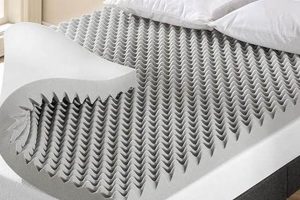
A mattress pad can soften a firm mattress or, conversely, firm up a softer mattress. For instance, a memory foam pad adds cushioning to a rigid surface, while a firmer latex pad can provide additional support. This adjustment caters to individuals with specific comfort needs, such as those with pressure point sensitivity or back pain. The ability to customize firmness can circumvent the need to replace an otherwise functional mattress.
- Temperature Regulation
Certain mattress pads incorporate materials designed to regulate temperature, addressing concerns about overheating or sleeping too cold. Cooling gel-infused memory foam or breathable wool pads can mitigate temperature fluctuations, promoting a more comfortable sleep environment. Individuals prone to night sweats or residing in warmer climates may find such pads particularly beneficial.
- Surface Texture
Mattress pads can alter the surface texture of a mattress, providing a smoother or more plush feel. Quilted pads or those with added cushioning layers can enhance comfort by creating a softer sleeping surface. This consideration is particularly relevant for individuals with sensitive skin or those seeking a more luxurious sleep experience.
- Noise Reduction
Some mattress pads can reduce the noise generated by a mattress, particularly innerspring models. The added layer of cushioning can dampen the sound of springs compressing, resulting in a quieter sleep environment. This feature can be beneficial for light sleepers or those sharing a bed with someone who moves frequently during the night.
In essence, the relationship between comfort and the perceived necessity of a mattress pad is subjective and dependent on individual preferences. While a mattress pad is not essential for everyone, its ability to modify firmness, regulate temperature, alter surface texture, and reduce noise can significantly enhance sleep quality
and address specific comfort concerns, potentially extending the lifespan of the existing mattress by obviating the need for premature replacement solely based on comfort dissatisfaction.
3. Hygiene

The maintenance of a sanitary sleep environment is a critical factor in assessing the necessity of a mattress pad. The mattress itself, due to its size and composition, presents challenges in regular cleaning. A mattress pad serves as a removable and washable barrier, mitigating hygiene-related concerns.
- Allergen Control
Mattresses accumulate dust mites, pet dander, and other allergens over time. These allergens can trigger respiratory issues and allergic reactions in susceptible individuals. A mattress pad, particularly one made of hypoallergenic materials, can reduce allergen exposure by creating a barrier between the sleeper and the allergen reservoir within the mattress. Regularly laundering the pad removes accumulated allergens, contributing to a cleaner sleep environment. This is especially pertinent for individuals with asthma or allergies.
- Moisture Management
The human body releases moisture during sleep in the form of sweat. This moisture can penetrate the mattress, creating a breeding ground for mold and bacteria. A mattress pad, especially one with moisture-wicking properties, can absorb and dissipate this moisture, preventing it from reaching the mattress core. This is critical in humid climates or for individuals who experience night sweats.
- Stain Prevention
Accidental spills and stains can compromise the hygiene of a mattress. Food, beverages, and bodily fluids can seep into the mattress, creating permanent stains and fostering bacterial growth. A waterproof or water-resistant mattress pad provides a protective barrier, preventing liquids from penetrating the mattress. This not only maintains the mattress’s appearance but also prevents the proliferation of harmful microorganisms.
- Odor Mitigation
Over time, mattresses can absorb odors from sweat, body oils, and environmental factors. These odors can be difficult to remove and can negatively impact sleep quality. A mattress pad can help to mitigate odor absorption by acting as a buffer between the sleeper and the mattress. Regularly laundering the pad helps to eliminate any absorbed odors, maintaining a fresher sleep environment.
In summary, the maintenance of optimal hygiene is a compelling argument for the utilization of a mattress pad. By controlling allergens, managing moisture, preventing stains, and mitigating odors, a mattress pad contributes significantly to a cleaner, healthier, and more comfortable sleep environment. While not a panacea for all hygiene-related concerns, it serves as an effective and practical tool in promoting sleep hygiene and prolonging the lifespan of the mattress.
4. Warranty

Mattress warranties frequently stipulate conditions that, if unmet, render the warranty void. A common condition involves maintaining the mattress in a stain-free state. Manufacturers often interpret any visible stain as evidence of neglect, thereby justifying the nullification of the warranty. The presence of a mattress pad, particularly a waterproof variant, acts as a preventative measure against stains. This protective barrier shields the mattress from spills, bodily fluids, and other potential contaminants that could lead to warranty invalidation. Therefore, the use of a mattress pad can be a crucial element in preserving the warranty’s validity.
Consider a scenario wherein a mattress develops an internal defect within the warranty period. If the mattress bears a stain, the manufacturer may reject the warranty claim, regardless of whether the stain caused the defect. The financial implication for the consumer is significant, potentially requiring the purchase of a new mattress. Conversely, if a waterproof mattress pad had been consistently used, preventing any stains, the warranty claim would likely proceed without impediment, allowing for repair or replacement as stipulated in the warranty terms. This illustrates the direct economic benefit of using a protective mattress pad.
In conclusion, the connection between mattress warranties and the use of a mattress pad is fundamentally about risk mitigation. Mattress pads, especially those offering waterproof protection, serve as a form of insurance against warranty voidance due to staining. While not a guaranteed safeguard against all warranty issues, their utilization significantly reduces the likelihood of claim rejection based on stain-related clauses. Therefore, consideration of the warranty terms and the potential for stain-related voidance strengthens the rationale for deploying a mattress pad as a proactive protective measure.
5. Cost

The financial implications of acquiring and maintaining a mattress, versus the potential savings or added expenses associated with using a mattress pad, are central to evaluating its necessity. Cost considerations extend beyond the initial purchase price and encompass long-term value and potential expenditures.
- Initial Investment vs. Long-Term Savings
The upfront cost of a quality mattress pad represents an immediate expenditure. However, this cost must be weighed against the potential for long-term savings. By protecting the mattress from stains, wear, and tear, a mattress pad can extend its lifespan. This extended lifespan delays the need for a costly mattress replacement, potentially resulting in significant savings over time. The expenditure on a pad, therefore, can be viewed as an investment in preserving the longevity and value of the primary mattress.
- Warranty Preservation Costs
As previously noted, mattress warranties often contain clauses regarding stain-free conditions. The cost of failing to adhere to these conditions can be substantial, as a stained mattress may void the warranty, necessitating premature replacement. A mattress pad, particularly a waterproof model, mitigates this risk, effectively functioning as a form of insurance against warranty voidance. The cost of a mattress pad, in this context, is less than the cost of a new mattress should a warranty claim be denied due to staining.
- Cleaning and Maintenance Expenses
Maintaining a mattress in a clean and hygienic state requires effort and potentially incurs costs. Professional mattress cleaning services can be expensive, especially for stain removal or deep cleaning to eliminate allergens. A mattress pad, being easily removable and washable, simplifies maintenance. The cost of laundering a mattress pad is significantly less than the cost of professional mattress cleaning, rendering it a cost-effective solution for maintaining hygiene.
- Indirect Health-Related Costs
A mattress pad can indirectly impact health-related costs. A cleaner, more hygienic sleep environment, facilitated by the use of a mattress pad, can reduce exposure to allergens and irritants. This reduction can lead to fewer allergy-related symptoms, potentially decreasing the need for allergy medications or medical consultations. While difficult to quantify precisely, these indirect health-related cost saving
s represent a potential benefit of using a mattress pad.
The decision of whether or not a mattress pad is necessary from a cost perspective necessitates a comprehensive evaluation. The initial purchase price must be balanced against the potential for long-term savings through extended mattress lifespan, warranty preservation, reduced cleaning expenses, and potential indirect health benefits. While a mattress pad introduces an immediate cost, it often represents a prudent investment when considering the totality of potential expenditures associated with mattress ownership and maintenance.
6. Maintenance
The ease and frequency of maintenance are significant determinants in evaluating whether a mattress pad is a practical and necessary addition to bedding. The inherent challenges in cleaning a mattress directly impact the perceived value of a protective and easily maintained layer.
- Washability and Cleaning Frequency
Mattress pads are designed to be easily removed and laundered, allowing for regular cleaning. This contrasts with the difficulty and infrequency with which mattresses themselves can be cleaned. Regular washing of the pad removes dust mites, allergens, and surface contaminants, contributing to a cleaner sleep environment. The convenience of machine washability makes this a practical hygiene solution. Without a pad, the mattress becomes more susceptible to direct contamination, necessitating more intensive and less frequent cleaning methods.
- Stain and Spill Management
Mattress pads, particularly those with waterproof properties, simplify the management of stains and spills. When a spill occurs, the pad can be quickly removed and cleaned, preventing the liquid from penetrating the mattress. Cleaning a spill directly on a mattress is a more laborious and less effective process, often resulting in permanent staining or requiring professional cleaning services. The ease of stain management afforded by a pad reduces the overall effort required to maintain a clean sleep surface.
- Durability and Longevity of Bedding
The maintenance practices applied to bedding influence its durability and longevity. A mattress pad, when regularly cleaned and maintained, protects the underlying mattress from wear and tear. This protection extends the lifespan of the mattress, delaying the need for replacement. Conversely, neglecting the maintenance of bedding can accelerate its degradation, leading to premature wear and reduced comfort. The proactive maintenance facilitated by a mattress pad contributes to the long-term value of the bedding investment.
- Ventilation and Moisture Control
Proper ventilation and moisture control are essential aspects of bedding maintenance. Some mattress pads incorporate breathable materials that promote air circulation, preventing the build-up of moisture and odors. Regular laundering of the pad further enhances ventilation and moisture control. Without a pad, the mattress is more prone to trapping moisture, creating a breeding ground for mold and bacteria. The ventilation properties of a well-maintained pad contribute to a fresher and more hygienic sleep environment.
The connection between maintenance practices and the perceived need for a mattress pad underscores the importance of convenience and hygiene. The ease with which a mattress pad can be cleaned and maintained directly impacts the overall effort required to maintain a sanitary and long-lasting sleep surface. The reduction in cleaning complexity and the proactive protection afforded by a pad contribute significantly to its practical value.
Frequently Asked Questions Regarding Mattress Pad Necessity
The following addresses common inquiries and clarifies prevailing uncertainties concerning the utilization of mattress pads.
Question 1: Does mattress pad usage negate the need for a mattress protector?
A mattress pad and a mattress protector serve distinct, albeit sometimes overlapping, functions. The former primarily enhances comfort, while the latter prioritizes protection against spills and stains. A dedicated mattress protector remains advisable, especially in situations where liquid exposure is a concern. Combining both provides comprehensive benefits.
Question 2: Can a mattress pad rejuvenate an old mattress?
A mattress pad can provide a temporary improvement in comfort and support for an aging mattress. However, it is not a substitute for replacing a mattress that has lost its structural integrity or exhibits significant sagging. A pad offers a surface-level modification, not a fundamental repair.
Question 3: Are all mattress pads hypoallergenic?
Not all mattress pads possess hypoallergenic properties. Materials such as cotton, wool, and certain synthetics are inherently less allergenic than others. Individuals with allergies should specifically seek out pads labeled as hypoallergenic and constructed from certified allergen-resistant materials.
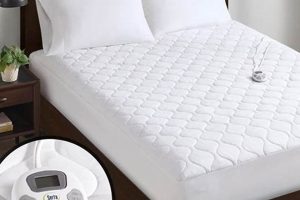
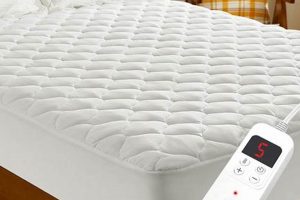
Question 4: Does a heated mattress pad impact mattress longevity?
The prolonged use of a heated mattress pad can potentially degrade certain mattress materials over time, particularly memory foam. The constant application of heat may accelerate the breakdown of the foam’s structure. Careful monitoring and adherence to the manufacturer’s guidelines are essential when using heated pads.
Question 5: Can a mattress pad correct an unsupportive mattress?
A mattress pad can augment the support provided by a mattress to a limited extent. However, it cannot fundamentally correct a mattress that lacks adequate underlying support. If the primary issue is inadequate support, addressing the mattress’s core structure, rather than relying solely on a pad, is advisable.
Question 6: How frequently should a mattress pad be replaced?
The replacement frequency for a mattress pad depends on its material, usage, and maintenance. Generally, replacing a pad every one to two years is recommended to maintain hygiene and optimal performance. Visible wear, persistent odors, or a noticeable decline in comfort are indicators that replacement is necessary.
In summation, while mattress pads offer various advantages, discerning their specific limitations and tailoring their selection to individual requirements are critical. Comprehensive assessment of needs ensures appropriate application.
The subsequent section will present concluding remarks summarizing the multifaceted aspects discussed herein.
Is a Mattress Pad Necessary
The preceding exploration has illuminated the multifaceted considerations surrounding the question of whether a mattress pad is necessary. It has been established that the decision is contingent upon individual needs and priorities, encompassing aspects such as protection, comfort, hygiene, warranty preservation, cost-effectiveness, and maintenance ease. While not universally indispensable, the data indicates that a mattress pad offers tangible benefits in various scenarios, ranging from safeguarding the mattress against damage to augmenting sleep quality and hygiene.
The determination of a mattress pad’s necessity, therefore, rests upon a careful evaluation of personal circumstances and requirements. Individuals are encouraged to weigh the potential advantages against their specific contexts, taking into account factors such as mattress age, lifestyle, and health considerations. Informed decision-making, based on a thorough understanding of the relevant factors, will ultimate
ly determine the suitability of a mattress pad for individual needs.
![Best Camping Cot Mattress Pad: [Year] Comfort Guide! | Organic & Natural Mattress Buyer’s Guide: Non-Toxic Sleep Solutions](https://mattressworldpa.com/wp-content/uploads/2025/07/th-4807-300x200.jpg "Best Camping Cot Mattress Pad: [Year] Comfort Guide! Organic & Natural Mattress Buyer’s Guide: Non-Toxic Sleep Solutions")