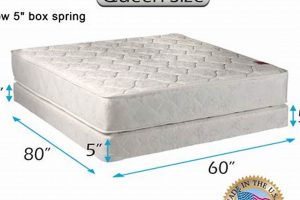
The issue of a mattress migrating from its intended position on a box spring is a common problem affecting sleep quality and bed stability. This displacement, often occurring gradually over time, can lead to discomfort and require frequent readjustments. The undesirable movement is frequently a result of friction reduction between the two surfaces.
Addressing this issue is important for maintaining proper spinal alignment during sleep and preventing potential injuries caused by rolling off the bed. Historically, various methods, from makeshift solutions to commercially available products, have been employed to mitigate this problem, reflecting a persistent need for secure and stable bedding.
Several strategies can be implemented to prevent mattress slippage. Exploring these methods, including the use of non-slip materials, physical barriers, and alterations to the bed frame, provides individuals with effective solutions for ensuring a stable and comfortable sleep environment.
Methods to Prevent Mattress Displacement
The following methods address the common issue of mattress movement on a box spring, providing effective solutions for improved stability and sleep quality.
Tip 1: Utilize Non-Slip Mattress Pads: Employ a specifically designed non-slip pad between the mattress and box spring. These pads create increased friction, effectively minimizing movement. Ensure the pad’s dimensions correspond to the mattress size for optimal performance.
Tip 2: Implement Mattress Grippers or Straps: Secure the mattress and box spring using specialized grippers or straps. These products physically connect the two components, preventing lateral movement. Installation should follow the manufacturer’s guidelines to ensure proper and secure fitting.
Tip 3: Apply Hook and Loop Fasteners: Strategically attach hook and loop fasteners (e.g., Velcro) to the underside of the mattress and the corresponding areas on the box spring. This method provides a strong, yet removable, connection that resists slippage. Ensure the adhesive used is suitable for fabric and wood surfaces.
Tip 4: Employ a Rubberized Shelf Liner: A cost-effective alternative involves placing a rubberized shelf liner between the mattress and box spring. The rubber material offers enhanced grip, hindering unwanted movement. The liner should be cut to size to cover the majority of the contact surface.
Tip 5: Consider a Mattress Encasement: Encase both the mattress and box spring in fitted covers. These encasements, particularly those with textured or rubberized undersides, can help to prevent sliding. Ensure the encasements are compatible with the dimensions of both the mattress and box spring.
Tip 6: Evaluate Bed Frame Compatibility: Assess the bed frame to ensure it adequately supports the box spring and mattress. A frame that is too large or lacks sufficient support can contribute to instability. Consider adding slats or shims to improve the fit.
Tip 7: Rotate the Mattress Regularly: Periodic rotation of the mattress can distribute wear evenly and prevent localized compression, which can contribute to slippage. Follow the manufacturer’s recommendations for mattress rotation.
Implementing these strategies contributes to a more stable and secure sleep environment, reducing the need for frequent adjustments and promoting restful sleep.
The successful application of these methods necessitates a careful evaluation of the specific circumstances and selection of the most appropriate solution.
1. Friction Enhancement

Friction enhancement plays a vital role in mitigating mattress displacement on a box spring. The primary cause of a mattress sliding is insufficient friction between the mattress underside and the box spring surface. Increasing this friction coefficient directly counters the forces that cause movement, such as subtle shifts during sleep or the influence of gravity on inclined surfaces. The effectiveness of solutions designed to keep a mattress in place relies heavily on their ability to augment friction.
Examples of friction enhancement include the use of rubberized pads, shelf liners with non-slip properties, and specialized mattress encasements that incorporate textured undersides. These materials create a high-friction interface, resisting lateral movement. Without adequate friction, even minor disturbances can gradually lead to significant mattress migration, compromising sleep quality and potentially damaging both the mattress and the bed frame. The selection of appropriate friction-enhancing materials must also consider durability and compatibility with the mattress and box spring materials to avoid unintended degradation or staining.
In conclusion, friction enhancement is a critical component in maintaining mattress stability on a box spring. While other methods such as straps or fasteners offer securement, increasing the inherent friction between the contact surfaces serves as the foundation for preventing movement. The challenge lies in selecting durable and effective materials that provide long-lasting friction without compromising the integrity of the bedding components.
2. Securement Methods

Securement methods represent a direct approach to mitigating mattress displacement on a box spring. These methods involve physically attaching the mattress to the box spring or bed frame, preventing lateral movement through mechanical means. The effectiveness of securement techniques hinges on the strength of the connection and the distribution of force across the mattress surface. When friction-based solutions prove inadequate, securement offers a more robust and reliable alternative.
Examples of securement methods include mattress straps, which encircle both the mattress and box spring, cinching them together. Another method involves hook and loop fasteners strategically placed to create a strong bond between the two surfaces. Bed frame modifications, such as adding side rails or lips, also serve as securement mechanisms by physically containing the mattress. The selection of an appropriate securement method depends on factors such as mattress size, weight, and the type of bed frame. Improper installation or the use of inadequate materials can compromise the effectiveness of the securement, leading to eventual failure.
In summary, securement methods provide a tangible solution to the problem of mattress slippage, offering a direct and often more reliable approach compared to friction-based techniques. While friction enhancement aims to prevent movement, securement actively resists it. The successful implementation of securement relies on careful selection of materials and precise installation to ensure a lasting and effective connection between the mattress, box spring, and bed frame, ultimately contributing to a stable and secure sleep environment.
3. Frame Compatibility

Frame compatibility directly influences the propensity of a mattress to shift on a box spring. An ill-fitting frame, whether too large or lacking adequate support, creates conditions that exacerbate mattress movement. A frame that exceeds the dimensions of the box spring allows for lateral movement, providing space for the mattress to slide. Conversely, a frame with insufficient support, such as missing or damaged slats, can cause uneven weight distribution, leading to mattress distortion and subsequent slippage. Real-world examples include mattresses placed on platforms without adequate edge support, frequently resulting in the mattress sliding off the sides, particularly during sleep. The practical significance of understanding this connection lies in the ability to proactively address potential stability issues by selecting an appropriately sized and structurally sound bed frame.
Furthermore, the height differential between the frame rails and the top of the box spring plays a role. A frame with low rails offers minimal containment, increasing the likelihood of mattress displacement. Conversely, higher rails provide greater resistance to lateral movement. The type of bed frame also matters. Platform beds with recessed surfaces designed to accommodate the mattress are inherently more stable than frames with minimal support structures. Regular inspection of the frame is crucial; loose joints or damaged components can compromise the frame’s integrity and contribute to mattress instability. Adjustments, such as tightening bolts or replacing damaged slats, can restore proper support and prevent slippage.
In conclusion, frame compatibility is a crucial factor in maintaining mattress stability on a box spring. Addressing frame-related issues is often a necessary first step in preventing unwanted movement. While friction-enhancing methods and securement techniques can provide additional stability, they are most effective when the underlying frame provides a solid and appropriately sized foundation. Ignoring frame compatibility increases the risk of mattress slippage, diminishing sleep quality and potentially shortening the lifespan of both the mattress and the bed frame.
4. Material Properties

Material properties exert a considerable influence on mattress stability on a box spring. The characteristics of both the mattress cover and the box spring surface directly impact the degree of friction and adhesion between the two components. Understanding these properties is crucial for selecting materials and implementing strategies to minimize mattress displacement.
- Coefficient of Friction
The coefficient of friction between the mattress and box spring materials is a primary determinant of stability. Higher coefficients translate to greater resistance to sliding. Materials such as rubber, certain textured fabrics, and specialized non-slip coatings exhibit elevated friction coefficients. Conversely, smooth, low-friction materials like silk or polished wood offer minimal resistance, increasing the likelihood of mattress movement. Practical examples include the use of rubberized shelf liners or non-slip mattress pads to increase the effective coefficient of friction. The selection of materials with appropriate friction coefficients is essential for preventing unwanted movement.
- Surface Texture
The surface texture of both the mattress cover and the box spring affects the contact area and interlocking between the two surfaces. Rough or textured surfaces provide greater grip compared to smooth surfaces. For instance, a quilted mattress cover offers more resistance to sliding than a smooth, tightly woven cover. Similarly, a box spring covered in a coarse fabric provides better traction than one covered in slick vinyl. The microscopic irregularities present in textured surfaces create mechanical interlocking, further enhancing friction and minimizing the potential for slippage. This principle is evident in the design of many non-slip products, which incorporate textured surfaces to maximize grip.
- Compressibility and Conformability
The compressibility and conformability of the materials influence how well the mattress and box spring conform to each other. Materials that readily conform to the contours of the opposing surface create a larger contact area, increasing friction. Softer, more compressible materials, such as foam or padding, tend to conform better than rigid materials. This is why a mattress with a thick comfort layer may exhibit greater stability than a thinner, firmer mattress. The ability of materials to adapt to irregularities on the opposing surface is a critical factor in maximizing contact and minimizing movement.
- Adhesive Properties
While not typically a primary consideration, the inherent adhesive properties of the materials can contribute to mattress stability. Certain materials, particularly those with a slightly tacky or sticky surface, exhibit a natural tendency to adhere to other surfaces. This adhesion, though subtle, can enhance friction and resist sliding. The effectiveness of adhesive properties depends on factors such as surface cleanliness and moisture levels. While intentionally applying adhesives is generally not recommended due to potential damage or discomfort, understanding the natural adhesive tendencies of materials can inform material selection for improved stability.
The interplay of these material properties dictates the stability of a mattress on a box spring. By carefully considering the friction coefficient, surface texture, compressibility, and adhesive properties of the materials involved, individuals can implement strategies to minimize mattress displacement and ensure a more secure and comfortable sleep environment. The effective application of these principles relies on a comprehensive understanding of material science and its practical implications for bedding stability.
5. Weight Distribution

Weight distribution significantly influences mattress stability on a box spring. Uneven weight distribution exacerbates the tendency of a mattress to slide, particularly when combined with other contributing factors such as low friction or an ill-fitting bed frame. Understanding and addressing weight distribution issues is, therefore, crucial in preventing unwanted mattress movement.
- Uneven Wear and Compression
Localized compression due to prolonged pressure in specific areas, such as where individuals typically sit or lie, creates uneven wear. This wear reduces friction and alters the contact area between the mattress and box spring. A sagging mattress, for example, concentrates weight in the center, reducing contact at the edges and increasing the likelihood of slippage. Rotating the mattress regularly helps to distribute wear more evenly, mitigating this effect. Failure to address uneven wear can necessitate more drastic measures to maintain mattress stability.
- Off-Center Loading
Habitual sleeping positions or activities that concentrate weight on one side of the mattress create off-center loading. This imbalance generates forces that tend to push the mattress laterally. For instance, individuals who consistently sleep near the edge of the bed may find that the mattress gradually slides in that direction. Similarly, repeatedly sitting on the edge of the bed while dressing or reading can contribute to this effect. Addressing off-center loading involves adopting more balanced sleeping habits or reinforcing the affected side of the mattress support.
- Improper Box Spring Support
Inadequate or uneven support from the box spring directly contributes to uneven weight distribution on the mattress. Sagging or broken box spring slats create localized pressure points and reduce overall support. This uneven support distorts the mattress shape and reduces friction between the two surfaces. Regular inspection and maintenance of the box spring are, therefore, essential for maintaining proper weight distribution. Replacing damaged slats or reinforcing the box spring can restore proper support and prevent mattress slippage.
- Mattress Material Variations
Variations in mattress material density and construction affect weight distribution. Mattresses with unevenly distributed internal components, such as varying densities of foam or unevenly spaced coils, may exhibit localized areas of higher or lower support. These variations create pressure points and contribute to uneven wear. Selecting mattresses with consistent and uniform internal construction minimizes these issues and promotes more balanced weight distribution. Knowledge of these variations aids in making informed purchasing decisions for mattresses that resist displacement.
In conclusion, weight distribution is a critical factor in preventing mattress slippage. By addressing issues such as uneven wear, off-center loading, improper box spring support, and mattress material variations, individuals can significantly improve mattress stability and prolong its lifespan. The successful application of strategies to manage weight distribution often complements other methods, such as friction enhancement and securement techniques, to create a comprehensive solution for maintaining mattress position on a box spring.
Frequently Asked Questions
The following questions address common concerns regarding mattress displacement on a box spring, providing detailed and factual answers to aid in preventing and resolving this issue.
Question 1: Why does a mattress slide off a box spring?
Mattress slippage typically arises from insufficient friction between the mattress underside and the box spring surface. Contributing factors include smooth mattress covers, worn box spring fabric, and uneven weight distribution. Inclined surfaces or frequent movement on the bed exacerbate this issue.
Question 2: Are non-slip mattress pads effective in preventing mattress movement?
Non-slip mattress pads can significantly reduce mattress slippage by increasing friction between the mattress and box spring. The effectiveness depends on the quality of the pad material and its coverage area. Regular inspection and replacement of worn pads are recommended.
Question 3: Can a poorly constructed bed frame contribute to mattress displacement?
Yes, an ill-fitting or inadequately supported bed frame can exacerbate mattress slippage. Frames that are too large or lack sufficient center support allow for lateral movement, increasing the likelihood of mattress displacement.
Question 4: How does mattress rotation affect its stability on a box spring?
Regular mattress rotation distributes wear evenly, preventing localized compression and maintaining a consistent surface for contact with the box spring. This practice helps to preserve friction and reduces the tendency for the mattress to slide.
Question 5: Are mattress straps a viable solution for preventing mattress slippage?
Mattress straps offer a direct and secure method for preventing mattress movement. By physically connecting the mattress and box spring, straps minimize the likelihood of slippage, particularly in situations where friction-based solutions prove inadequate.
Question 6: Does mattress weight influence its tendency to slide off a box spring?
Mattress weight, in conjunction with other factors, affects stability. Heavier mattresses may be more resistant to minor movements, but their weight can also exacerbate slippage on inclined surfaces or with insufficient support. Proper weight distribution is critical regardless of mattress weight.
Addressing mattress stability involves a multifaceted approach, considering friction, support, and securement methods. Understanding the underlying causes and implementing appropriate solutions promotes a stable and comfortable sleep environment.
The subsequent section explores specific product recommendations to address mattress stability issues.
Addressing Mattress Stability
The preceding discussion has comprehensively explored the complexities associated with efforts to keep mattress from sliding off box spring. Key factors contributing to this instability include insufficient friction, inadequate frame support, and uneven weight distribution. Employing strategies such as non-slip pads, securement methods, and regular mattress rotation offers viable solutions.
Maintaining a stable sleep surface is paramount for ensuring both restorative rest and the longevity of bedding components. Consistent monitoring and proactive intervention are essential to prevent mattress displacement. The successful application of these principles leads to an enhanced sleep experience and a more durable bedding system.
![Affordable Twin Mattress Set with Box Spring [Deals] | Organic & Natural Mattress Buyer’s Guide: Non-Toxic Sleep Solutions](https://mattressworldpa.com/wp-content/uploads/2025/07/th-3486-300x200.jpg "Affordable Twin Mattress Set with Box Spring [Deals] Organic & Natural Mattress Buyer’s Guide: Non-Toxic Sleep Solutions")