![Best King Mattress Foundation: Support & Comfort [Guide]](data:image/svg+xml;base64,PHN2ZyB4bWxucz0iaHR0cDovL3d3dy53My5vcmcvMjAwMC9zdmciIHdpZHRoPSI0NzQiIGhlaWdodD0iNjYiIHZpZXdCb3g9IjAgMCA0NzQgNjYiPjxyZWN0IHdpZHRoPSIxMDAlIiBoZWlnaHQ9IjEwMCUiIHN0eWxlPSJmaWxsOiNjZmQ0ZGI7ZmlsbC1vcGFjaXR5OiAwLjE7Ii8+PC9zdmc+ "Best King Mattress Foundation: Support & Comfort [Guide] Organic & Natural Mattress Buyer’s Guide: Non-Toxic Sleep Solutions")
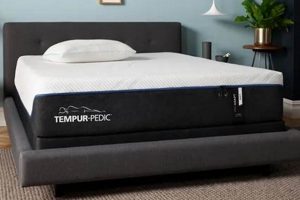
A support structure designed for a king-size bed, it provides a stable and level surface for the mattress. These structures typically consist of a wooden or metal frame, sometimes incorporating slats or a solid surface, upon which the mattress rests. For example, a traditional box spring is a common type of this support, though newer alternatives like platform frames and adjustable bases are also available.
Proper support is critical for maintaining the integrity and comfort of the mattress, extending its lifespan and ensuring adequate sleep quality. A suitable base absorbs shock and distributes weight evenly, preventing sagging and premature wear. Historically, simpler forms of bed frames served primarily to elevate the sleeping surface, evolving into more sophisticated designs with enhanced functionality and ergonomic benefits.
The following sections will delve into the various types available, factors to consider when selecting one, and how proper maintenance contributes to a better sleep experience and the longevity of both the mattress and its underlying support.
Essential Considerations for King Mattress Foundations
Selecting the appropriate support system for a king-size mattress is paramount for optimizing sleep quality and maximizing mattress lifespan. The following tips offer guidance on making an informed decision.
Tip 1: Assess Mattress Compatibility: Different mattress types, such as memory foam, innerspring, or hybrid, may require specific support structures. Consult the mattress manufacturer’s guidelines to ensure compatibility and avoid voiding the warranty.
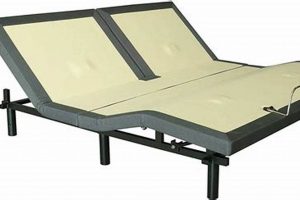
Tip 2: Evaluate Support Type: Options include box springs, platform frames, and adjustable bases. Box springs offer traditional support, while platform frames provide a solid, even surface. Adjustable bases allow for customized positioning, potentially alleviating pressure points and improving comfort.
Tip 3: Consider Frame Height: The overall bed height should be considered for ease of getting in and out of bed. Take into account mattress thickness and personal preferences when determining the optimal frame height.
Tip 4: Inspect Material Quality: Opt for materials that exhibit durability and sturdiness. Solid wood or heavy-gauge steel frames offer superior support and longevity compared to lower-quality alternatives.
Tip 5: Verify Weight Capacity: Ensure the support structure can adequately accommodate the combined weight of the mattress and occupants. Exceeding the weight capacity can compromise structural integrity and lead to premature failure.
Tip 6: Evaluate Noise Reduction: Some frames can generate noise during movement. Look for features such as padded joints or secure fastening systems to minimize squeaks and rattles.
Tip 7: Assess Assembly Requirements: Consider the ease of assembly. Some frames require professional assembly, while others can be assembled independently. Review the assembly instructions and ensure all necessary tools are available.
By carefully considering these factors, individuals can select a support structure that provides optimal support, enhances comfort, and contributes to a more restful sleep experience.
The subsequent sections will further explore specific types of foundations and address common concerns related to their use and maintenance.
1. Support

Adequate support is fundamental to the function of a king mattress. It is the primary determinant of sleep quality and the longevity of the mattress. The foundation provides this essential support, preventing sagging, which can lead to discomfort, misalignment of the spine, and ultimately, disrupted sleep patterns. The cause-and-effect relationship is clear: insufficient support from the foundation results in compromised mattress performance and adverse health outcomes. For example, a substandard frame might exhibit bowing under the weight of a king-size mattress, creating uneven pressure points that accelerate wear and tear. A properly engineered support system distributes weight evenly, preserving the mattress’s structural integrity and providing consistent comfort.
The importance of appropriate support extends beyond individual comfort. A stable support is crucial for maintaining the mattress warranty. Many manufacturers stipulate specific foundation types or constructions to validate warranty claims. Using an incompatible or inadequate foundation can void the warranty, leaving the consumer responsible for replacement costs should the mattress prematurely fail. This practical significance underscores the need to select a foundation that is specifically designed for use with the intended mattress type, taking into account factors such as mattress weight, material composition, and recommended support specifications.
In summary, support is an inextricable component of a successful king mattress setup. Choosing the appropriate foundation is an investment in sleep quality, mattress lifespan, and warranty protection. While the specific requirements may vary depending on the mattress design and manufacturer, understanding the fundamental relationship between support and the king mattress foundation is paramount for making an informed decision and avoiding costly mistakes. The challenge lies in navigating the variety of options available and selecting the support system that best aligns with individual needs and mattress specifications.
2. Durability

Durability, regarding king mattress foundations, pertains to the structure’s capacity to withstand prolonged use and maintain its integrity over time. This characteristic directly affects the mattress’s performance and lifespan, rendering it a critical consideration.
- Material Composition and Structural Integrity
The materials used in construction are paramount. Steel frames, particularly those with reinforced joints and welds, exhibit superior durability compared to lightweight aluminum or plastic alternatives. Solid wood frames, if properly treated and constructed, can also offer substantial longevity. Structural integrity is compromised if the foundation lacks robust joinery or utilizes substandard fasteners, leading to premature failure under the considerable weight of a king-size mattress and occupants. For example, a platform frame with poorly supported slats is prone to breakage, compromising the mattress’s support and potentially causing injury.
- Weight Capacity and Load Distribution
A durable king mattress foundation must possess an adequate weight capacity to accommodate the combined weight of the mattress and occupants. Exceeding the weight limit places undue stress on the frame, accelerating wear and potentially causing catastrophic failure. Proper load distribution is equally important. A well-designed foundation evenly disperses weight across its surface, preventing localized stress points that can lead t
o sagging or structural damage. In contrast, a poorly designed frame might concentrate weight in certain areas, compromising its long-term durability. - Resistance to Environmental Factors
Environmental factors, such as humidity and temperature fluctuations, can negatively impact the durability of a king mattress foundation. Wooden frames are particularly susceptible to moisture damage, which can lead to warping, rot, and structural weakening. Metal frames are vulnerable to rust and corrosion, especially in humid environments. Choosing materials that are resistant to these environmental stressors, such as powder-coated steel or kiln-dried hardwoods, enhances the foundation’s longevity and prevents premature deterioration.
- Construction Quality and Manufacturing Processes
The quality of construction and the manufacturing processes employed directly influence a king mattress foundation’s durability. Precision engineering, skilled craftsmanship, and rigorous quality control measures are essential for producing a robust and long-lasting product. Features such as reinforced corners, secure fastening systems, and durable finishes contribute to the overall resilience of the structure. Conversely, foundations manufactured with substandard materials, sloppy construction, and inadequate quality control are prone to failure and require premature replacement.
The facets of durability, encompassing material composition, weight capacity, environmental resistance, and construction quality, collectively determine a king mattress foundation’s ability to withstand prolonged use and maintain its structural integrity. Prioritizing durability when selecting a foundation is a prudent investment, ensuring long-term support, comfort, and mattress protection.
3. Compatibility

The compatibility between a king mattress and its foundation is paramount to achieving optimal support, comfort, and longevity of both components. Selecting a support system that harmonizes with the mattress’s design and construction is not merely a matter of preference, but a crucial element in safeguarding the investment and ensuring restorative sleep.
- Mattress Type and Foundation Design
Different mattress types, such as innerspring, memory foam, latex, or hybrid models, exhibit unique structural characteristics that necessitate specific foundation designs. For example, memory foam mattresses often require a solid, non-yielding surface to prevent sagging and ensure even weight distribution. In contrast, innerspring mattresses may benefit from a box spring foundation that provides additional cushioning and shock absorption. Failure to match the mattress type with an appropriate foundation can compromise support, accelerate wear, and potentially void the manufacturer’s warranty.
- Weight Capacity Considerations
Compatibility extends beyond mattress type to encompass weight capacity. The foundation must be capable of supporting the combined weight of the mattress and occupants without exhibiting signs of stress or deformation. Exceeding the foundation’s weight limit can lead to structural failure, resulting in uneven support, discomfort, and premature mattress deterioration. Manufacturers typically specify weight limits for their foundations, and adhering to these guidelines is essential for maintaining compatibility and ensuring long-term performance.
- Frame Height and Bed Aesthetics
The overall height of the bed is influenced by both the mattress thickness and the foundation height. Compatibility, in this context, involves considering aesthetic preferences and ergonomic factors. A foundation that is too high or too low can result in an awkward bed height, making it difficult to get in and out of bed comfortably. Furthermore, the foundation’s style and finish should complement the mattress and overall bedroom decor to achieve a cohesive and visually appealing aesthetic.
- Warranty Requirements and Manufacturer Specifications
Many mattress manufacturers stipulate specific foundation requirements to validate warranty claims. Using an incompatible foundation can void the warranty, leaving the consumer responsible for repair or replacement costs should the mattress develop defects. Thoroughly reviewing the mattress manufacturer’s specifications and selecting a foundation that meets or exceeds those requirements is crucial for ensuring warranty compliance and protecting the investment. This is a critical aspect of compatibility often overlooked by consumers.
The compatibility between a king mattress and its foundation is a multifaceted consideration that encompasses mattress type, weight capacity, bed height, aesthetic preferences, and warranty requirements. A careful assessment of these factors is essential for selecting a foundation that provides optimal support, enhances comfort, and protects the long-term performance of the mattress. Neglecting this aspect can lead to compromised sleep quality, premature mattress wear, and potential warranty issues.
4. Height
The height of a king mattress foundation significantly influences the overall bed height, impacting accessibility, aesthetics, and even perceived comfort. Selecting an appropriate height is a critical aspect of creating a functional and visually harmonious sleep environment.
- Accessibility and Ergonomics
Foundation height directly affects the ease with which one can get into and out of bed. An excessively low foundation, combined with a thick mattress, may require excessive bending, posing challenges for individuals with mobility limitations. Conversely, an overly high foundation, especially when paired with a tall mattress, can necessitate climbing into bed, which is equally undesirable. The ideal height promotes a comfortable and natural transition into and out of the sleeping position, minimizing strain on joints and muscles.
- Aesthetic Proportions and Room Dcor
The height of the foundation contributes significantly to the overall visual proportions of the bed within the bedroom. A foundation that is disproportionately low can make the mattress appear bulky and out of place, while an excessively high foundation can dominate the room and create an unbalanced aesthetic. The selected height should complement the mattress thickness, the size of the room, and the existing dcor to achieve a visually pleasing and harmonious effect. Considerations include headboard height and the visibility of other furniture elements.
- Storage Considerations and Under-Bed Space
Foundation height directly impacts the available space beneath the bed. Higher foundations provide greater clearance for under-bed storage containers, offering a practical solution for optimizing space in smaller bedrooms. Conversely, lower foundations minimize or eliminate under-bed storage options, potentially requiring alternative storage solutions. The decision should align with individual storage needs and the overall organization of the bedroom.
- Mattress Type and Support Characteristics
While not a direct determinant of support, foundation height can indirectly influence perceived support characteristics. A lower foundation, particularly when combined with a softer mattress, may create a feeling of sinking into the bed, while a higher foundation can contribute to a more
elevated and supportive feel. This is especially relevant with all-foam mattresses. Though support primarily stems from the foundation’s internal structure, the perceived experience can be subtly altered by its height.
Therefore, the height of a king mattress foundation constitutes a critical design element with implications extending beyond mere aesthetics. Accessibility, proportions, storage, and subtle support perceptions are all affected. A considered approach to foundation height selection ensures both functional comfort and visual harmony within the bedroom environment.
5. Materials
The composition of a king mattress foundation is a primary determinant of its support, durability, and overall performance. The selection of materials directly impacts the foundation’s ability to withstand weight, resist wear, and contribute to a comfortable sleep environment. Understanding the properties of various materials is, therefore, crucial for informed decision-making.
- Wood Frames
Wooden frames, typically constructed from hardwoods like oak, maple, or pine, offer a blend of strength and aesthetic appeal. The quality of the wood, the joinery techniques employed, and the presence of kiln-drying to reduce moisture content are critical factors. Solid wood frames are generally more durable than those made from particleboard or MDF, but are also more susceptible to damage from humidity and insects. Example: A solid oak frame with mortise-and-tenon joints provides exceptional stability and longevity but requires proper sealing to prevent moisture absorption.
- Steel Frames
Steel frames provide robust support and are highly resistant to bending and deformation. The gauge of the steel, the welding techniques used, and the presence of a protective coating to prevent rust are essential considerations. Steel frames are often lighter than solid wood frames, making them easier to move, but may lack the aesthetic warmth of wood. Example: A heavy-gauge steel frame with powder coating offers excellent durability and corrosion resistance, making it suitable for a variety of environments.
- Upholstery Fabrics
The fabric covering a king mattress foundation contributes to its aesthetic appeal and protects the underlying structure. Durable, stain-resistant fabrics like polyester, linen, or blends are commonly used. The quality of the stitching and the attachment method are important for preventing tearing and sagging. Example: A tightly woven linen upholstery fabric provides a classic look and resists wear and tear, but may require professional cleaning to remove stains.
- Support Components
The internal support components of a king mattress foundation, such as slats, springs, or solid platforms, play a critical role in distributing weight and preventing sagging. Slats made from hardwood are more durable than those made from softwood or plastic. Springs provide additional cushioning and shock absorption, but may wear out over time. Solid platforms offer a firm, even surface for the mattress. Example: Hardwood slats spaced closely together provide excellent support for a memory foam mattress, preventing sagging and extending its lifespan.
The interplay of these materials dictates the overall quality and performance of the support structure. From the strength of wood and steel to the resilience of fabric and internal components, careful selection is essential for ensuring long-term comfort, durability, and mattress protection. A comprehensive understanding of the composition and properties of various materials empowers consumers to make informed decisions and invest in a foundation that meets their specific needs and preferences.
Frequently Asked Questions
The following questions address common inquiries regarding the selection, maintenance, and impact of support structures for king-size mattresses. These answers aim to provide clear and concise information for informed decision-making.
Question 1: What are the essential considerations when selecting a base for a king mattress?
Key considerations include the type of mattress, the weight capacity of the base, the desired bed height, the presence of any warranty requirements from the mattress manufacturer, and the overall aesthetic preferences. A mismatch between these factors can result in compromised support and premature wear.
Question 2: How does the foundation type influence the lifespan of the mattress?
A properly chosen support system provides even weight distribution and prevents sagging, which can significantly extend the mattress’s lifespan. An unsuitable support can cause undue stress on specific areas of the mattress, leading to premature deterioration and loss of support.
Question 3: Can any support structure be used with a king-size mattress?
No. Different mattress types, such as memory foam, innerspring, or hybrid, have specific support requirements. Using an incompatible structure can void the mattress warranty and negatively impact sleep quality.
Question 4: What is the recommended maintenance for these support structures?
Regular inspection for signs of damage, such as broken slats or loose joints, is essential. Periodic tightening of bolts and screws can prevent instability. Cleaning the structure to remove dust and debris can also contribute to its longevity.
Question 5: What are the signs that a support structure needs replacement?
Indications of a failing support system include visible sagging, squeaking or creaking noises, instability, and uneven support. These signs suggest that the base is no longer providing adequate support and should be replaced.
Question 6: What is the typical lifespan of a properly maintained support system?
The lifespan varies depending on the quality of materials, construction, and usage. However, a well-maintained support can typically last between 7 to 10 years, or potentially longer with high-quality materials and careful use.
In summary, the selection and maintenance of a appropriate base structure are critical components of a king-size bed setup. Careful attention to these details ensures optimal support, extended mattress lifespan, and a comfortable sleep environment.
The subsequent section will explore advanced features and innovations in support system technology.
Conclusion
The preceding exploration has underscored the critical role a king mattress foundation plays in supporting the lifespan, comfort, and overall performance of a king-size mattress. Key considerations, including material composition, compatibility with the mattress type, height, durability, and adherence to warranty requirements, have been examined. Furthermore, maintenance practices and troubleshooting common issues were detailed to promote optimal usage. The selection of an appropriate base structure is not merely a matter of preference; it’s an investment in sleep health and long-term value.
Given the significant influence a sound support system exerts on sleep quality and mattress longevity, careful deliberation is warranted. Individuals are encouraged to thoroughly assess their specific needs, consult manufacturer guidelines, and prioritize quality materials and construction. This proactive approach will foster a more restful sleep environment, enhance the lifespan of the mattress, and ultimately, contribute to improved well-being.