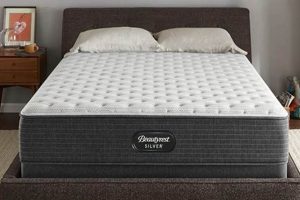
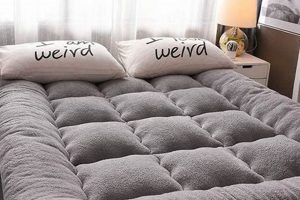
A collection of bedding textiles designed specifically to fit a king-size bed is often purchased as a coordinated unit. Typically, such a unit includes a fitted sheet, a flat sheet, and two pillowcases. These components are made from various materials, such as cotton, linen, or synthetic blends, and are offered in a wide array of colors, patterns, and thread counts.
The selection of appropriate bedding contributes significantly to sleep comfort and hygiene. High-quality materials enhance breathability and temperature regulation, factors that promote restful sleep. Furthermore, the aesthetic appeal of bedding can contribute to the overall ambiance of a bedroom, creating a more inviting and relaxing environment. Historically, bedding has evolved from basic necessity to a significant element of interior design and personal expression.
The following sections will delve into the factors to consider when selecting these items, including material properties, thread count, weave, and care instructions. Further discussion will explore the impact of bedding choice on sleep quality and overall well-being, as well as an overview of available styles and price points.
Selecting Appropriate Bedding
The selection of the correct bedding can significantly impact sleep quality and overall satisfaction. Consider the following guidelines to ensure optimal comfort and durability.
Tip 1: Material Composition: Prioritize natural fibers such as cotton, linen, or bamboo for enhanced breathability and moisture-wicking properties. Synthetic materials may trap heat and moisture, leading to discomfort.
Tip 2: Thread Count Considerations: While a high thread count is often associated with quality, it is not the sole determinant. A thread count between 300 and 500, combined with high-quality materials, typically provides a balance of softness and durability.
Tip 3: Weave Type: Different weaves, such as percale or sateen, offer distinct textures and performance characteristics. Percale provides a crisp, cool feel, while sateen offers a silkier, smoother texture. Consider personal preference and climate when selecting a weave.
Tip 4: Fitted Sheet Depth: Measure the depth of the mattress accurately to ensure the fitted sheet has sufficient pocket depth. Sheets that are too shallow will slip off the mattress, while those that are too deep may bunch and create discomfort.
Tip 5: Color and Pattern Selection: Choose colors and patterns that complement the bedroom’s existing decor and promote a relaxing atmosphere. Neutral tones and subtle patterns are often conducive to sleep.
Tip 6: Proper Care and Maintenance: Follow the manufacturer’s care instructions carefully to preserve the quality and longevity of the bedding. Avoid harsh detergents and excessive heat during washing and drying.
Tip 7: Certifications: Look for certifications such as Oeko-Tex Standard 100, which indicates that the bedding has been tested for harmful substances and is safe for contact with skin.
Adhering to these guidelines will contribute to a more restful and comfortable sleep experience, ensuring the selected bedding meets individual needs and preferences.
The subsequent section will address common misconceptions surrounding bedding selection and offer additional resources for informed purchasing decisions.
1. Size Accuracy

The precision of dimensions constitutes a foundational element in the selection and utilization of king mattress sheet sets. Discrepancies in size compromise the fit, potentially diminishing comfort and accelerating wear. Accurate sizing ensures optimal functionality and preserves the aesthetic integrity of the bedding.
- Fitted Sheet Dimensions and Mattress Compatibility
The fitted sheet must correspond precisely to the dimensions of the king-size mattress, typically 76 inches wide by 80 inches long. Variances in either width or length result in either an excessively loose or excessively tight fit. A loose fit causes the sheet to bunch and shift during sleep, while a tight fit places undue stress on the fabric, potentially leading to tears or seam failures. Mattress depth, or thickness, is equally critical. A fitted sheet with insufficient pocket depth will continually slip off the corners of the mattress, necessitating frequent readjustment.
- Flat Sheet Dimensions and Coverage
The flat sheet’s dimensions must provide adequate coverage for the mattress and sufficient overhang to allow for comfortable tucking. Undersized flat sheets leave portions of the mattress exposed, compromising hygiene and potentially causing discomfort due to direct contact with the sleeping surface. Conversely, excessively large flat sheets can be cumbersome and difficult to manage.
- Pillowcase Dimensions and Pillow Size
Pillowcases designed for king-size beds must accurately accommodate king-size pillows. Undersized pillowcases compress the pillow, reducing its loft and supportiveness. Oversized pillowcases allow the pillow to shift excessively within the case, potentially leading to discomfort and an unkempt appearance. Proper fit ensures optimal pillow performance and aesthetic consistency.
- Shrinkage Considerations and Pre-Shrunk Fabrics
Natural fibers, such as cotton, are susceptible to shrinkage after washing. Therefore, it is crucial to consider the potential for shrinkage when selecting a king mattress sheet set. Opting for pre-shrunk fabrics or selecting sheets with slightly larger initial dimensions mitigates the risk of the sheets becoming too small after laundering, thus preserving the intended fit and functionality.
The interplay between precise dimensions and material properties dictates the overall satisfaction derived from a king mattress sheet set. Neglecting size accuracy invariably compromises comfort, durability, and aesthetic appeal, underscoring the importance of meticulous attention to dimensional specifications during the purchasing process.
2. Material Quality
Material quality is paramount in determining the performance and longevity of any king mattress sheet set. The inherent properties of the chosen material directly influence comfort, breathability, durability, and overall user satisfaction. Compromises in material quality invariably lead to diminished sleep quality and premature product failure.
- Fiber Composition and Performance Characteristics
The type of fibercotton, linen, silk, or synthetic blendsfundamentally dictates the characteristics of the sheet set. Long-staple cotton varieties, such as Egyptian or Pima cotton, exhibit superior softness, strength, and resistance to pilling compared to shorter-staple alternatives. Linen offers exceptional breathability and moisture-wicking capabilities, albeit with a poten
tially coarser texture. Silk provides a luxurious feel and excellent temperature regulation, but demands delicate care. Synthetic blends often prioritize affordability and wrinkle resistance at the expense of breathability and long-term durability. The selection of fiber composition should align with individual preferences and priorities. - Thread Count and Fabric Density Correlation
While not the sole determinant of quality, thread countthe number of horizontal and vertical threads per square inchcorrelates with fabric density and perceived softness. However, excessively high thread counts achieved through artificial means may compromise breathability and durability. A thread count ranging from 300 to 500, combined with high-quality fibers, typically represents an optimal balance of comfort and longevity. Density should be considered alongside the type of fiber and weaving technique used to produce the fabric.
- Dyeing Processes and Colorfastness
The dyeing processes employed in manufacturing king mattress sheet sets significantly impact colorfastness and potential for skin irritation. Inferior dyes may fade prematurely or leach chemicals onto the skin, causing allergic reactions. Reactive dyes, which chemically bond with the fabric fibers, offer superior color retention and reduced risk of irritation compared to cheaper pigment dyes. Examination of product certifications and material specifications provides insight into the quality and safety of the dyeing processes used.
- Weave Type and Surface Texture
The weave patternsuch as percale, sateen, or twilldetermines the surface texture and drape of the sheet set. Percale offers a crisp, cool feel and enhanced durability, while sateen provides a silkier, smoother texture but may be more prone to pilling. Twill exhibits a diagonal rib pattern and offers good durability and wrinkle resistance. The choice of weave depends on personal preference and desired aesthetic. A tighter weave generally indicates greater resistance to wear and tear.
The interplay between these material properties dictates the overall performance and satisfaction derived from a king mattress sheet set. A comprehensive understanding of these factors empowers informed purchasing decisions that prioritize comfort, durability, and long-term value.
3. Thread Count
Thread count, defined as the number of horizontal and vertical threads per square inch of fabric, is a frequently cited metric in the context of king mattress sheet sets. It is often presented as a direct indicator of the sheet set’s softness, durability, and overall quality. While there is a correlation between thread count and these attributes, the relationship is not absolute. A higher thread count can contribute to a smoother, denser fabric, leading to increased comfort and a longer lifespan for the sheets. However, the quality of the yarn and the finishing processes employed are equally important factors.
For example, a king mattress sheet set made from long-staple cotton with a thread count of 400 will typically outperform a sheet set made from short-staple cotton with a thread count of 600. This is because long-staple cotton fibers are stronger and create a smoother yarn, resulting in a more durable and comfortable fabric. Similarly, the type of weave (e.g., percale, sateen) influences the feel of the sheets, regardless of thread count. A percale weave, known for its crispness, may feel different from a sateen weave, which is known for its silkiness, even if both have the same thread count. Misinterpreting thread count as the sole determinant of quality can lead to purchasing decisions that do not align with desired comfort levels or durability expectations. Sheet sets with artificially inflated thread counts, achieved by using thinner or multi-ply yarns, may offer a misleading perception of quality and can be less durable in the long run.
In conclusion, thread count should be considered one factor among many when evaluating a king mattress sheet set. Understanding the type of fiber, the yarn quality, and the weave is crucial for making an informed decision. Focusing solely on thread count without considering these other aspects can result in a purchase that fails to deliver the anticipated level of comfort, durability, or overall satisfaction. The pursuit of high thread counts should be tempered with a discerning assessment of the overall material quality and construction of the sheet set.
4. Weave Type

Weave type fundamentally influences the texture, durability, and breathability of a king mattress sheet set. The interlacing pattern of warp and weft threads dictates the surface feel, thermal properties, and resistance to wear. Understanding weave variations is crucial for selecting bedding that aligns with individual preferences and sleep needs.
- Percale Weave: Crispness and Durability
Percale is characterized by a plain weave, creating a matte finish and a crisp, cool feel. This tight weave enhances durability and resistance to pilling. Percale king mattress sheet sets are well-suited for warm sleepers or those who prefer a more structured feel. The tight weave also makes it less prone to wrinkling than some other weave types, although ironing may still be desired for a pristine appearance. Its breathability promotes air circulation, preventing overheating during sleep.
- Sateen Weave: Softness and Sheen
Sateen utilizes a weave structure that exposes more surface threads, resulting in a silky-smooth texture and a subtle sheen. This weave drapes well and provides a luxurious feel against the skin. However, sateen king mattress sheet sets may be more prone to snagging and pilling compared to percale. While comfortable, the tighter weave can trap more heat than percale, making it less ideal for hot sleepers. It requires more careful laundering to maintain its smooth finish.
- Twill Weave: Diagonal Ribbing and Resilience
Twill weave is distinguished by its diagonal rib pattern, which enhances the fabric’s strength and wrinkle resistance. This robust weave is often used in higher-end king mattress sheet sets intended for frequent use and washing. Although not as soft as sateen initially, twill softens with repeated washing and offers excellent durability. Its characteristic ribbing adds a subtle visual texture to the bedding.
- Jersey Knit: Stretchy Comfort and Casual Appeal
Jersey knit, similar to that used in t-shirts, provides a soft, stretchy feel and a more relaxed appearance. King mattress sheet sets made from jersey knit conform to the body, offering a comfortable and forgiving fit. However, jersey knit tends to retain more heat than woven fabrics and may be less durable over time. This weave type is well-suited for those seeking a casual and cozy bedding option but may not be the best choice for hot sleepers or those prioritizing longevity.
The selection of a weave type for a king mattress sheet set should reflect individual preferences regarding texture, thermal regulation, and expected durability. While percale offers a cool and durable option, sateen provides a luxurious and soft feel. Twill combines resilience with a distinctive visual texture, and jersey knit prioritizes stretchy comfort. The optimal choice hinges on a balance of these factors, tailored to individual sleep needs and aesthetic prefer
ences. The subsequent step involves exploring the influence of pocket depth on “king mattress sheet set” selection.
5. Pocket Depth
Pocket depth, a critical dimension in the selection of a king mattress sheet set, refers to the measurement of the fitted sheet’s side panel. This dimension dictates the sheet’s ability to securely encase the mattress, particularly relevant with the increasing prevalence of thicker mattresses and the addition of mattress toppers.
- Standard vs. Deep Pocket Definitions
Standard pocket sheets typically accommodate mattresses up to 12 inches in depth. Deep pocket sheets, conversely, are designed for mattresses ranging from 13 to 17 inches thick. Extra deep pocket sheets may be necessary for mattresses exceeding 17 inches in depth. Failure to account for mattress thickness can result in a fitted sheet that repeatedly slips off the corners, leading to discomfort and requiring frequent readjustment.
- Measuring Mattress Depth Accurately
Accurate measurement of the mattress depth is essential before purchasing a king mattress sheet set. This involves using a measuring tape to determine the distance from the top surface of the mattress to the bottom edge. Any mattress toppers or pads should be included in this measurement. Rounding up to the nearest inch is recommended to ensure a secure fit, particularly if the measurement falls between standard pocket sizes.
- Consequences of Incorrect Pocket Depth Selection
Selecting a fitted sheet with insufficient pocket depth results in the sheet pulling tautly across the mattress surface. This creates stress on the fabric, accelerating wear and tear, and increasing the likelihood of tearing at the seams. Conversely, selecting a sheet with excessive pocket depth can lead to bunching and wrinkling, which diminishes comfort and compromises the aesthetic appearance of the bedding.
- Elastic Quality and its Impact on Fit
The quality and strength of the elastic edging on the fitted sheet significantly impact its ability to maintain a secure fit, regardless of pocket depth. Inferior elastic may stretch out over time, reducing its effectiveness and causing the sheet to slip off the corners. Reinforced elastic or elastic that encircles the entire perimeter of the sheet generally provides a more secure and durable fit.
The interplay between pocket depth and elastic quality determines the overall functionality and longevity of a king mattress sheet set. Accurate measurement of mattress depth, coupled with careful consideration of pocket depth specifications and elastic properties, ensures a secure, comfortable, and aesthetically pleasing bedding arrangement. Selecting a king mattress sheet set with appropriate pocket depth is not merely an aesthetic concern but also a functional one, contributing directly to sleep quality and the lifespan of the sheets.
6. Care Instructions

Care instructions constitute an integral component of any king mattress sheet set, directly impacting the fabric’s longevity, aesthetic appeal, and hygiene. Adherence to the manufacturer’s specified care guidelines influences the sheet set’s resistance to wear, shrinkage, and color fading. For instance, improper washing temperatures may cause cotton fibers to contract, resulting in a reduced fit and diminished comfort. Similarly, the use of harsh detergents containing bleaching agents can degrade fabric integrity, leading to premature weakening and discoloration. Care instructions provided typically outline optimal washing temperatures, detergent types, drying methods, and ironing recommendations. Disregarding these instructions increases the risk of irreversible damage and a shortened lifespan for the bedding.
The practical significance of understanding care instructions extends beyond preserving the sheet set’s physical characteristics. Appropriate laundering practices directly affect the removal of allergens, dust mites, and body oils that accumulate during sleep. Insufficient washing or drying may fail to eliminate these contaminants, potentially exacerbating allergies or skin sensitivities. Conversely, excessive washing or drying at high temperatures can damage delicate fabrics like linen or silk. A real-world example includes a scenario where a user consistently washes a king mattress sheet set made of Egyptian cotton at high temperatures and uses strong detergents, leading to significant fading and thinning of the fabric within a year. In contrast, a user who follows the recommended care instructions, including washing in cold water with mild detergents and tumble drying on low heat, maintains the sheet set’s quality and color for several years.
In summary, care instructions for a king mattress sheet set are not merely suggestions, but rather crucial guidelines for preserving the investment and promoting healthy sleep hygiene. Challenges arise when care labels are unclear or when users prioritize convenience over adherence to specific recommendations. However, a diligent approach to understanding and following care instructions translates directly into extended product lifespan, maintained aesthetic appeal, and a more hygienic sleep environment. The understanding and implementation of proper care instructions, therefore, is paramount to maintaining a fresh and comfortable “king mattress sheet set”.
Frequently Asked Questions
This section addresses common inquiries regarding king mattress sheet sets, providing concise and informative answers to assist in informed purchasing decisions.
Question 1: What constitutes a standard king mattress size for the purpose of selecting appropriate sheets?
A standard king mattress measures 76 inches in width and 80 inches in length. Fitted sheets should correspond to these dimensions to ensure a secure and proper fit.
Question 2: How does thread count influence the quality and feel of a king mattress sheet set?
Thread count, while relevant, is not the sole determinant of quality. A thread count between 300 and 500, combined with high-quality materials such as long-staple cotton, typically offers a balance of softness and durability.
Question 3: What are the primary differences between percale and sateen weave fabrics in king mattress sheet sets?
Percale offers a crisp, cool feel, while sateen provides a silkier, smoother texture. Percale is generally more durable and breathable, while sateen may be more prone to pilling.
Question 4: How should mattress depth be considered when selecting a fitted sheet for a king-size bed?
Mattress depth should be accurately measured to ensure the fitted sheet has sufficient pocket depth. Standard pocket sheets accommodate mattresses up to 12 inches, while deep pocket sheets are suitable for mattresses ranging from 13 to 17 inches.
Question 5: What are the recommended washing instructions to preserve the quality of a king mattress sheet set?
Consult the manufacturer’s care instructions for specific recommendations. Generally, washing in cold water with mild detergents and tumble drying on low heat is advisable to prevent shrinkage and fading.
Question 6: How can colorfastness be assessed prior to purchasing a king mattress sheet set?
Examine product certifications and material speci
fications to determine the quality and safety of the dyeing processes used. Reactive dyes offer superior color retention compared to pigment dyes.
In summary, selecting a king mattress sheet set requires careful consideration of size, material, weave, pocket depth, and care instructions. Prioritizing high-quality materials and adhering to recommended care guidelines will ensure a comfortable and durable bedding arrangement.
The subsequent section will provide a comparative analysis of available styles and price points for “king mattress sheet set,” offering insights into budgetary considerations and aesthetic preferences.
Conclusion
The preceding exploration of the king mattress sheet set highlights several critical factors influencing purchase satisfaction. Size accuracy ensures proper fit, material quality dictates comfort and durability, thread count offers a measure of fabric density, weave type affects texture and breathability, pocket depth accommodates varying mattress thicknesses, and adherence to care instructions prolongs product lifespan. Neglecting these elements compromises the overall sleep experience and accelerates the need for replacement.
Informed selection of a king mattress sheet set constitutes a significant investment in personal well-being. Prioritizing quality materials, precise dimensions, and appropriate care yields not only enhanced comfort but also a more sustainable and cost-effective bedding solution. Future research may explore the impact of specific materials and weave types on sleep quality metrics, further refining consumer decision-making. The king mattress sheet set remains a foundational element of the sleep environment, warranting careful consideration and diligent maintenance.
![Best Extra Firm Cal King Mattress [Guide & Reviews] | Organic & Natural Mattress Buyer’s Guide: Non-Toxic Sleep Solutions](https://mattressworldpa.com/wp-content/uploads/2025/07/th-8382-300x200.jpg "Best Extra Firm Cal King Mattress [Guide & Reviews] Organic & Natural Mattress Buyer’s Guide: Non-Toxic Sleep Solutions")
![Best King Mattress Hybrid [Guide & Reviews] | Organic & Natural Mattress Buyer’s Guide: Non-Toxic Sleep Solutions](https://mattressworldpa.com/wp-content/uploads/2025/07/th-8381-300x200.jpg "Best King Mattress Hybrid [Guide & Reviews] Organic & Natural Mattress Buyer’s Guide: Non-Toxic Sleep Solutions")
![Best King Knoll Mattress [Sleep Like Royalty] | Organic & Natural Mattress Buyer’s Guide: Non-Toxic Sleep Solutions](https://mattressworldpa.com/wp-content/uploads/2025/07/th-8380-300x200.jpg "Best King Knoll Mattress [Sleep Like Royalty] Organic & Natural Mattress Buyer’s Guide: Non-Toxic Sleep Solutions")