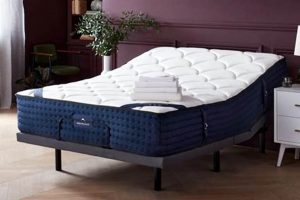
A bed designed to fold vertically into a cabinet or wall recess necessitates a specialized sleeping surface. The size adheres to standard queen dimensions, but the construction requires considerations for weight, flexibility, and profile. For instance, a memory foam model, chosen for its conforming properties, would be appropriate given its ability to compress when the bed is stored, unlike a traditional innerspring unit with rigid coils.
Selecting the correct sleeping surface for a fold-away bed is crucial for both comfort and functionality. A lightweight design eases the lifting and lowering mechanism’s strain, ensuring the bed operates smoothly and lasts longer. Historically, these space-saving beds often sacrificed comfort; however, modern materials and construction techniques allow for designs that provide adequate support and pressure relief while maintaining a slim profile.
The following sections will delve into specific types of suitable sleeping surfaces, factors to consider during the selection process, and recommendations for ensuring optimal performance and longevity of this type of space-saving bed.
Essential Considerations for Fold-Away Bed Surfaces
Selecting an appropriate sleeping surface for a fold-away bed requires careful consideration of several factors to ensure both user comfort and the mechanism’s longevity. The following tips offer guidance in making an informed decision.
Tip 1: Profile Thickness: Limit the sleeping surface’s thickness. Excessively thick models may prevent the bed from closing correctly or damage the cabinet. A maximum thickness of 12 inches is generally recommended; confirm compatibility with the specific unit’s specifications.
Tip 2: Weight Assessment: Opt for a lighter model. Heavier units place undue stress on the lifting mechanism, potentially leading to premature wear or failure. Consider latex or memory foam options, which tend to be lighter than traditional innerspring designs.
Tip 3: Flexibility Testing: Evaluate the flexibility of the model. Some innerspring constructions are too rigid for fold-away applications. Choose materials that can bend without compromising support or structural integrity.
Tip 4: Motion Isolation Properties: Prioritize motion isolation. Since fold-away beds are often used in shared spaces, minimizing motion transfer is crucial for undisturbed sleep. Memory foam or pocketed coil designs offer superior motion isolation.
Tip 5: Material Breathability: Consider breathability to regulate temperature. Lack of airflow can lead to discomfort. Look for models with breathable covers or open-cell foam construction to promote ventilation.
Tip 6: Support Requirements: Ensure adequate support for proper spinal alignment. Regardless of the space-saving design, the sleeping surface must provide sufficient support to prevent back pain and promote restful sleep. Test the surface in various sleeping positions before making a purchase.
Tip 7: Warranty Review: Scrutinize the warranty offered. A comprehensive warranty indicates the manufacturer’s confidence in the product’s durability and performance. Pay attention to the terms and conditions, including coverage for sagging or deformation.
By carefully evaluating these aspects, consumers can select a sleeping surface that provides both comfort and longevity while optimizing the functionality of the fold-away bed. The following section will discuss specific product recommendations based on these criteria.
1. Thickness limitation

Thickness limitation is a paramount consideration in the context of fold-away queen bed sleeping surfaces. The mechanism of a fold-away unit dictates that the sleeping surface must be accommodated within a defined space when stowed. Exceeding this space can prevent the unit from closing completely, potentially damaging the cabinet, the mechanism itself, or obstructing movement within the room. Therefore, the cause-and-effect relationship is direct: excessive thickness results in functional impairment of the bed.
The impact of thickness is best illustrated through practical examples. Consider a scenario where a standard 14-inch thick innerspring unit is paired with a fold-away system designed for a maximum thickness of 12 inches. In this instance, the unit will not close, rendering the bed unusable in its intended space-saving configuration. Conversely, selecting a thinner, 10-inch memory foam model allows for seamless operation and preserves the intended functionality. Furthermore, a thinner profile generally translates to a lighter weight, further reducing strain on the lifting mechanism and extending its lifespan. Some manufacturer of fold-away bed specifies that the max thickness of mattress should be less than 12 inches. Exceeding this thickness will void the warranty.
In summary, thickness limitation is not merely a superficial characteristic but a fundamental design constraint dictated by the mechanics of fold-away systems. Understanding and adhering to the specified thickness ensures proper operation, prevents damage, and maximizes the functional utility of fold-away beds. Ignoring this consideration invariably leads to operational failure and compromises the intended space-saving benefits.
2. Weight distribution
Even distribution of weight across the surface of a sleeping surface designed for fold-away queen beds directly affects its performance and lifespan. Uneven weight distribution can lead to localized stress points, potentially causing premature sagging, deformation of the internal components, or even failure of the fold-away mechanism itself. The cause is a concentration of force in specific areas, exceeding the material’s capacity to withstand the pressure. For example, a model with inadequate edge support will exhibit accelerated wear along the perimeter, especially when the bed is frequently used near the edges.
The importance of uniform weight distribution is further amplified by the mechanics of fold-away systems. Unlike traditional beds with continuous support from a box spring and frame, fold-away beds often rely on a more limited support structure, typically consisting of a platform or a series of slats. This reduced support area necessitates that the sleeping surface effectively disperse the weight to prevent undue strain on the mechanism. Examples of models that address this concern include those incorporating zoned support systems, where different areas of the unit are engineered to provide varying levels of firmness based on the body’s pressure points. Proper weight distribution also contributes to enhanced user comfort, preventing pressure points and promoting healthy spinal alignment.
In summary, optimal weight distribution is an essential attribute of a high-quality sleeping surface intended for fold-away queen beds. It ensures longevity, prevents structural damage, enhances
user comfort, and supports the overall functionality of the fold-away system. Addressing potential challenges related to uneven weight distribution requires careful material selection, innovative design, and adherence to manufacturing best practices. Understanding and prioritizing weight distribution ultimately contributes to a superior sleep experience and extended product lifespan.
3. Flexibility

Flexibility is a critical attribute in sleeping surfaces intended for queen-sized fold-away beds due to the repeated folding and unfolding inherent in the bed’s operation. A rigid design can lead to structural damage over time, as the material is forced to bend beyond its elastic limit. This results in cracking, internal component degradation, and ultimately, a reduced lifespan. The cause-and-effect relationship is clear: insufficient flexibility leads to premature material failure, compromising the functional integrity of the unit. The degree of flexibility must be balanced with the need for adequate support, ensuring that the sleeping surface conforms to the folding mechanism without sacrificing comfort.
Consider a traditional innerspring design with a tightly coiled, high-gauge spring system. While providing substantial support, such designs often lack the necessary pliability to withstand repeated folding. Over time, the coils can become distorted, leading to uneven support and discomfort. In contrast, a memory foam or latex model, known for its inherent flexibility, is better suited for fold-away applications. These materials can compress and conform to the folded position without permanent deformation, maintaining their shape and support characteristics even after numerous cycles. Furthermore, the flexibility of the sleeping surface directly impacts the ease of operation for the fold-away bed. A more pliable model requires less force to fold and unfold, reducing strain on the lifting mechanism and extending its operational life.
In summary, flexibility is not merely a desirable characteristic but a fundamental requirement for sleeping surfaces used in queen-sized fold-away beds. Proper material selection, construction techniques, and testing protocols are essential to ensure adequate flexibility without compromising support, durability, or user comfort. Addressing the challenges associated with flexibility ensures the long-term functionality and overall value of the fold-away bed system. Therefore, prioritize materials that offer both the desired support level and the ability to withstand repeated bending and compression without degradation.
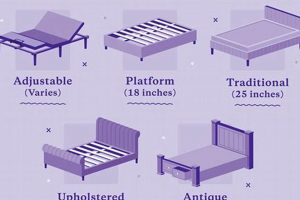
4. Support structure

The support structure underlying a sleeping surface intended for a queen-sized fold-away unit is integral to its performance, longevity, and the overall functionality of the bed. This framework provides the foundation upon which the sleeping surface rests and dictates how weight is distributed, affecting both comfort and the bed’s folding mechanism.
- Slat Systems
Slat systems are a common support method, typically consisting of wooden or metal strips spaced across the bed frame. The slat spacing and material determine the degree of support. Closely spaced, robust slats provide firmer support and minimize sagging, crucial for heavier individuals or those preferring a firmer sleeping surface. Conversely, wider spacing may result in uneven support and premature wear of the mattress. For example, a fold-away bed with widely spaced wooden slats may cause a memory foam mattress to conform excessively between the slats, leading to discomfort and potential damage over time.
- Platform Support
A platform support offers a solid, continuous surface, often constructed from wood or composite materials. This provides uniform support across the entire area, reducing the risk of sagging and extending the mattress’s lifespan. Platform support is particularly beneficial for innerspring mattresses, which require a stable foundation to maintain their shape and support characteristics. A platform support system ensures consistent weight distribution, preventing localized pressure points and promoting healthy spinal alignment.
- Wire Mesh
Wire mesh support systems consist of a grid of interconnected wires providing a flexible and lightweight base. While offering adequate support for lighter individuals, wire mesh may lack the necessary firmness for heavier users, potentially leading to sagging and discomfort. Wire mesh systems must be carefully constructed to prevent sharp edges or protrusions that could damage the sleeping surface. The tension and gauge of the wire directly affect the overall support provided.
- Adjustable Support Systems
Adjustable support systems incorporate features allowing users to customize the firmness and support level. These may include adjustable slats or inflatable air chambers. Adjustable systems cater to individual preferences and accommodate varying body types and sleeping positions. An adjustable support system can fine-tune the sleeping surface to provide optimal support and comfort. This allows for a personalized sleep experience tailored to individual needs.
The choice of support structure significantly impacts the performance and longevity of any sleeping surface used in a fold-away bed. Proper support promotes even weight distribution, prevents premature wear, and enhances user comfort, thereby maximizing the functional utility of the fold-away unit. Selecting a support system compatible with the chosen sleeping surface material and designed for the specific demands of a fold-away mechanism is crucial for achieving optimal results.
5. Breathability
The characteristic of air permeability, commonly referred to as breathability, is a crucial factor when selecting a sleeping surface for a queen-sized fold-away unit. The enclosed nature of a fold-away system can impede airflow, leading to heat retention and discomfort. Therefore, the breathability of the sleeping surface directly impacts sleep quality and thermal regulation.
- Material Composition and Airflow
The materials used in the construction of the sleeping surface significantly influence its breathability. Dense materials, such as traditional memory foam with a closed-cell structure, can restrict airflow, trapping heat. Open-cell memory foam, latex, or hybrid designs incorporating breathable fabrics promote air circulation, dissipating heat and moisture. For instance, a sleeping surface with a perforated latex core allows for enhanced ventilation compared to a solid memory foam core.
- Cover Fabric and Ventilation
The type of fabric used for the sleeping surface cover plays a vital role in its breathability. Natural fibers, such as cotton or bamboo, are inherently more breathable than synthetic materials like polyester. Additionally, specialized weave patterns, such as mesh or knit fabrics, enhance airflow and moisture wicking. A cover with ventilation holes or strategically placed mesh panels can further improve breathability. An example would be a cover with a moisture-wicking treatment combined with integrated ventilation channels to improve airflow.
- Heat Dissipation and Comforttrong>
Effective breathability promotes heat dissipation, preventing the sleeping surface from becoming excessively warm during the night. This temperature regulation contributes to a more comfortable sleep environment, reducing the likelihood of overheating and subsequent sleep disturbances. A sleeping surface with poor breathability can lead to increased perspiration and discomfort, disrupting sleep patterns. This is particularly relevant for individuals prone to night sweats or those living in warmer climates.
- Moisture Management and Hygiene
Breathability aids in moisture management by allowing moisture to evaporate, preventing the buildup of humidity within the sleeping surface. This reduces the risk of mold growth and bacterial proliferation, promoting a more hygienic sleep environment. A sleeping surface with poor breathability can trap moisture, creating a breeding ground for microorganisms. This is essential for maintaining the cleanliness and longevity of the sleeping surface. For instance, a bamboo cover naturally wicks away moisture and prevents the growth of bacteria and mold.
The integration of breathable materials and design features is paramount in sleeping surfaces intended for queen-sized fold-away units. Adequate breathability promotes temperature regulation, moisture management, and overall comfort, contributing to a more restful and hygienic sleep experience within the confines of a fold-away system. By prioritizing breathability, manufacturers can create sleeping surfaces that effectively address the unique challenges associated with enclosed sleep environments.
6. Warranty Coverage

Warranty coverage constitutes a critical factor in the purchase decision for a sleeping surface intended for a fold-away queen bed. The warranty serves as a guarantee of the manufacturer’s confidence in the product’s durability and performance, addressing potential defects and premature wear. Given the specific demands placed on sleeping surfaces within fold-away systems, understanding the nuances of warranty coverage is paramount.
- Structural Integrity Protection
This facet encompasses coverage against sagging, deformation, or structural failures of the sleeping surface. The warranty should explicitly address issues arising from normal use within a fold-away bed, acknowledging the unique stresses associated with folding and unfolding. For example, a warranty covering sagging exceeding a specific depth (e.g., 1.5 inches) indicates a commitment to maintaining the product’s support characteristics. Claims related to structural integrity often require photographic evidence and adherence to specific usage guidelines outlined in the warranty documentation. Structural defects will impact comfort and support performance of mattress.
- Material Defect Coverage
This facet safeguards against flaws in the materials used in the sleeping surface’s construction, such as faulty foam, defective coils, or substandard fabric. The warranty should delineate the types of material defects covered and the procedures for filing a claim. For instance, a warranty might cover premature foam degradation or coil breakage within a specified timeframe. Documentation, including purchase receipts and photographs, is typically required to substantiate claims. Consider an example where a mattress’s comfort layer starts to breakdown under normal use, warranty coverage for material defects ensures that the faulty components can be replaced or repaired under manufacturer agreement.
- Mechanism Compatibility Assurance
Some warranties explicitly address compatibility with fold-away bed mechanisms, acknowledging the potential impact of the mechanism on the sleeping surface’s lifespan. This facet may cover damage directly attributable to the folding and unfolding process, such as tearing or compression-related issues. To illustrate, a warranty might cover seam separation or fabric wear caused by the bed’s folding action. This aspect provides added assurance that the product is designed to withstand the rigors of a fold-away system. Claims related to mechanism compatibility may require providing evidence of the fold-away bed model and its specifications.
- Claim Process and Limitations
Understanding the claim process and any limitations is essential before purchasing. Warranties typically outline specific procedures for filing claims, including documentation requirements, inspection protocols, and resolution options (e.g., repair, replacement, refund). Limitations may include exclusions for damage resulting from misuse, improper cleaning, or normal wear and tear. For example, some warranties exclude stains or odors from coverage, while others may limit coverage based on the user’s weight or sleeping habits. Carefully reviewing the warranty documentation ensures clarity regarding claim eligibility and resolution procedures. If terms and conditions of warranty coverage are not met, the claim can be rejected.
In conclusion, thorough assessment of warranty coverage is paramount when selecting a sleeping surface for a fold-away queen bed. The warranty provides a crucial safeguard against potential defects and premature wear, ensuring long-term satisfaction and maximizing the value of the investment. By carefully reviewing the warranty terms and conditions, consumers can make informed decisions and mitigate the risks associated with the unique demands of fold-away systems.
Frequently Asked Questions
This section addresses common inquiries regarding sleeping surfaces specifically designed for queen-sized fold-away beds. The information aims to provide clarity and informed guidance.
Question 1: What is the maximum recommended thickness for a queen-sized sleeping surface intended for a fold-away unit?
The maximum recommended thickness generally ranges from 11 to 12 inches. Exceeding this limit can prevent the bed from closing properly and may damage the cabinet or mechanism. Consult the fold-away bed manufacturer’s specifications for precise guidelines.
Question 2: Are innerspring units suitable for fold-away queen beds?
While some innerspring units may be compatible, careful consideration is required. The sleeping surface should possess sufficient flexibility to withstand repeated folding without coil damage or deformation. Models with individually pocketed coils often provide better flexibility than traditional interconnected coil systems. Always adhere to the weight and thickness specifications of the fold-away bed manufacturer.
Question 3: What type of sleeping surface material is considered optimal for a fold-away queen bed?
Memory foam and latex models are frequently recommended due to their inherent flexibility, lightweight nature, and ability to conform to the folding mechanism without permanent damage. Hybrid units combining foam and innerspring elements may also be suitable, provided they meet the thickness and flexibility requirements.
Question 4: How does the weight of the sleeping surface impact the functionality of a fold-away queen bed?
Excessive weight places undue stress on the lifting mechanism, potentially leading to premature wear or failure. Lighter sleeping surfaces are preferable, reducing the strain on the mechanism and extending its lifespan. Latex and memory foam models typically weigh less than traditional innerspring units.
Question 5: What features contribute to breathability in a sleeping surface designed for a fold-away queen bed? em>
Breathability is enhanced through the use of open-cell foam structures, breathable cover fabrics (e.g., cotton, bamboo), and ventilation channels. These features promote airflow, dissipate heat, and prevent moisture buildup, ensuring a more comfortable sleep environment within the enclosed fold-away system.
Question 6: What aspects should be considered when evaluating the warranty coverage for a sleeping surface intended for a fold-away queen bed?
The warranty should explicitly cover structural defects, material flaws, and potential damage resulting from the folding and unfolding process. Pay close attention to the claim process, limitations, and exclusions outlined in the warranty documentation. A comprehensive warranty provides assurance of the product’s durability and suitability for use within a fold-away system.
Selecting the appropriate sleeping surface for a fold-away queen bed requires careful consideration of thickness, weight, material composition, flexibility, breathability, and warranty coverage. Adhering to manufacturer specifications and prioritizing quality ensures optimal performance and longevity.
The following section explores case studies and real-world examples of successful sleeping surface selections for fold-away queen beds.
Concluding Remarks
The preceding discussion has outlined the critical considerations for selecting a suitable sleeping surface. Key elements encompass thickness limitations, weight distribution, flexibility, support structure, breathability, and warranty coverage. Adherence to these parameters ensures optimal performance, longevity, and user satisfaction within the constraints of a space-saving design. Selecting a model without due consideration of these factors can lead to premature wear, compromised comfort, and potential damage to the fold-away mechanism.
Therefore, thorough research and careful evaluation are essential. The investment in a compatible model represents a commitment to both sleep quality and the long-term functionality of the fold-away system. Continued adherence to manufacturer guidelines and diligent maintenance practices will further safeguard the investment and maximize the benefits of this dual-purpose furniture solution.