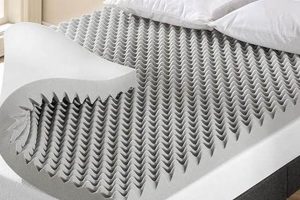
Devices designed to provide warmth during sleep commonly fall into two categories: those that are placed atop the mattress surface and those that are layered over the user. These warming products utilize electric resistance to generate heat, offering a means to regulate temperature in bed. A typical example involves choosing between a heated layer directly beneath the fitted sheet or a heated covering on top of all bedding.
The significance of these heating solutions lies in their capacity to enhance sleep quality, especially in colder climates or for individuals sensitive to temperature fluctuations. Historically, methods of staying warm in bed were limited to heavy blankets and warmed bricks or hot water bottles. Modern electric versions offer consistent, adjustable heat levels, improving comfort and potentially reducing energy consumption by allowing users to lower thermostat settings in their homes.
The subsequent discussion will explore the specific attributes of each type of device, examining factors such as heat distribution, safety features, maintenance requirements, and energy efficiency. This comparison will allow for informed decision-making when selecting a suitable personal climate control system for sleep.
Tips
Maximizing the functionality and longevity of heating devices requires careful consideration of usage and maintenance procedures. The following recommendations are intended to optimize performance and ensure user safety.
Tip 1: Prioritize Safety Certifications: When selecting a product, verify that it has been tested and certified by a recognized safety organization, such as UL or ETL. This certification indicates adherence to established safety standards and reduces the risk of electrical hazards.
Tip 2: Regularly Inspect for Damage: Before each use, examine the device and its power cord for any signs of wear, fraying, or damage. Discontinue use immediately if any damage is detected and consult the manufacturer for repair or replacement.
Tip 3: Adhere to Manufacturer Cleaning Instructions: Follow the manufacturer’s specific cleaning guidelines. Most require unplugging the device and spot cleaning with a damp cloth. Submersion in water can damage the electrical components and pose a safety risk.
Tip 4: Ensure Proper Bedding Compatibility: Use with compatible bedding materials. Avoid layering heavy blankets on top, as this can trap heat and potentially damage the heating elements or create a fire hazard.
Tip 5: Unplug When Not in Use: To conserve energy and minimize the risk of electrical issues, unplug the device when it is not actively in use, particularly during warmer months.
Tip 6: Store Properly During Off-Season: When storing the device, ensure it is completely dry and neatly folded. Avoid creasing or bending the internal wires, as this can compromise their integrity. Store in a cool, dry place away from direct sunlight.
Tip 7: Avoid Using with Other Heating Devices: Refrain from using with other heating appliances simultaneously, such as space heaters, to prevent overloading the electrical circuit.
Implementing these suggestions can enhance the safety, effectiveness, and lifespan, resulting in a more comfortable and energy-efficient sleep environment.
The concluding section will summarize the essential considerations for selecting between the two device types and offer a final perspective on their respective benefits and drawbacks.
1. Heat Distribution

The effectiveness of devices designed to provide warmth during sleep is significantly influenced by their capacity for consistent heat distribution. In the context of under-blanket and over-blanket heated solutions, variations in heat distribution patterns directly affect user comfort and overall satisfaction. Under-blanket devices, positioned beneath the user, tend to provide a more uniform warming effect across the entire body. This consistent heat transfer is achieved through direct contact with the mattress surface. In contrast, over-blanket options often exhibit more localized warmth, concentrating primarily on the area they directly cover. This differential in heat distribution represents a fundamental distinction between the two device categories.
The implications of uneven heat distribution can range from discomfort due to hot spots or cold spots to potential disruptions in sleep patterns. For instance, an individual utilizing an over-blanket type may experience warmth in the torso region but coldness in the extremities. This discrepancy can lead to restlessness and a diminished quality of sleep. Conversely, the uniform warming provided by under-blanket types minimizes temperature variations across the body, potentially promoting a more stable and restful sleep state. Furthermore, the proximity of the heating element to the body affects the perceived warmth. Under-blanket types require careful temperature regulation to prevent overheating due to direct contact, while over-blanket types may necessitate higher temperature settings to compensate for heat loss to the surrounding environment.
In conclusion, the distinction in heat distribution represents a critical factor to consider when selecting between under-blanket and over-blanket heated devices. The choice depends upon individual preferences and specific needs. Those seeking consistent, full-body warmth may find under-blanket solutions more suitable, while individuals who prefer localized warming or have concerns about direct contact with the heating element may opt for over-blanket types. Understanding the impact of heat distribution is essential for maximizing the benefits of these sleep-enhancing devices.
2. Safety Features

The integration of safety features is a paramount consideration in the design and operation of electrically heated bedding. Variations in design necessitate distinct safety mechanisms to mitigate potential hazards associated with electrical devices in close proximity to the human body during sleep.
- Overheat Protection
Overheat protection is a critical safety mechanism. This typically involves a sensor that monitors the temperature of the heating element. If the temperature exceeds a predefined safe threshold, the device automatically shuts off to prevent fire hazards or burns. This feature is particularly vital, as continuous operation at excessively high temperatures can degrade the insulation and increase the risk of electrical shorts. Contemporary iterations incorporate multiple sensors distributed across the heating grid to ensure comprehensive temperature monitoring.
- Automatic Shut-Off Timer
Automatic shut-off timers are designed to limit the operational duration of the device. After a predetermined period, such as two, four, or ten hours, the device will automatically power down. This
feature serves to conserve energy and prevent overheating in the event that the user falls asleep while the device is active. Furthermore, it addresses the potential for prolonged exposure to low-level heat, which may pose risks for individuals with certain medical conditions. This shut-off mechanism can also be manually overridden, providing users with the option to maintain continuous operation if desired. - Low Voltage Systems
The utilization of low voltage systems enhances safety by reducing the potential for electrical shock. Step-down transformers convert standard household voltage (e.g., 120V or 240V) to a lower voltage, typically in the range of 12V to 24V. This lower voltage significantly reduces the risk of electric shock in the event of damage to the heating element or wiring. This approach often necessitates a larger gauge of wire to deliver the same power, increasing manufacturing costs but improving overall safety.
- Moisture Sensors
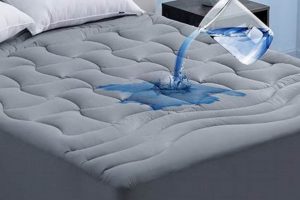
Moisture sensors can detect the presence of liquids and trigger an immediate shutdown of the device. These sensors are strategically placed within the device to identify moisture intrusion, which can create a short circuit and pose a significant electrical hazard. The sensors rapid response minimizes the potential for electrocution or fire. This is especially pertinent in environments where spills or leaks are possible.
The integration of these safety features is non-negotiable when assessing heated bedding products. The effectiveness of these features directly correlates with the user’s well-being and mitigates the inherent risks associated with combining electricity and textiles. Consequently, careful scrutiny of these elements is vital in making an informed purchasing decision.
3. Energy Efficiency
Energy efficiency is a critical consideration when evaluating different types of electrically heated bedding. The operational costs and environmental impact are directly linked to the energy consumption of under-blanket and over-blanket devices. Understanding the factors influencing energy efficiency is essential for making informed purchasing decisions.
- Wattage Consumption
Wattage consumption, measured in watts, indicates the rate at which a device consumes electrical energy. Products with lower wattage ratings generally consume less energy during operation, resulting in lower electricity bills. However, lower wattage may also translate to reduced heating capacity. Under-blanket solutions, due to their direct contact with the user, may achieve the desired warming effect at lower wattage levels compared to over-blanket options that lose heat to the surrounding environment. It is important to compare the wattage ratings of different devices while considering their heating performance.
- Heating Time and Temperature Settings
The time required to reach a desired temperature and the range of available temperature settings directly impact energy consumption. Devices that heat up rapidly and offer precise temperature control allow users to minimize energy usage. For example, a device with a rapid preheat function can quickly warm the bed before the user enters, reducing the need for continuous operation throughout the night. Similarly, adjustable temperature settings enable users to select the minimum heat level necessary for comfort, avoiding unnecessary energy expenditure. The efficiency of heat distribution also plays a role. If heat is not evenly distributed, users may increase the temperature setting to compensate, leading to higher energy consumption.
- Insulation and Heat Retention
The quality of insulation and the material composition influence heat retention. Devices with better insulation minimize heat loss, requiring less energy to maintain the desired temperature. Under-blanket types benefit from the insulation provided by the mattress beneath and bedding above, which helps to trap heat. Over-blanket types may require thicker materials or additional insulation layers to achieve comparable heat retention. The effectiveness of heat retention directly affects the device’s energy efficiency. Products with poor insulation will cycle on and off more frequently to maintain temperature, resulting in higher energy consumption.
- Automatic Shut-Off Features
Automatic shut-off timers are an energy-saving feature. These timers automatically turn off the device after a set period, preventing continuous operation and reducing energy waste. Users who fall asleep with the device activated will benefit from the automatic shut-off, as it eliminates the risk of the device running all night. Adjustable timer settings allow users to customize the duration of operation to match their individual needs, further optimizing energy efficiency. The absence of an automatic shut-off feature can lead to significant energy waste, particularly if the device is left on unintentionally.
The interplay of wattage, heating time, insulation, and automatic shut-off features determines the overall energy efficiency. When comparing under-blanket and over-blanket versions, assessing these factors provides insight into long-term operational costs and environmental impact. Selecting a device with low wattage, efficient heating, good insulation, and an automatic shut-off timer optimizes energy usage and reduces electricity consumption.
4. Maintenance Demands

Maintenance demands represent a significant factor in the long-term usability and cost-effectiveness of electrically heated bedding solutions. The upkeep requirements for under-blanket and over-blanket types differ due to their construction, materials, and proximity to the user, influencing their lifespan and hygiene.
- Cleaning Procedures
Cleaning procedures vary substantially between these two types of devices. Many under-blanket solutions are not machine washable due to the embedded heating elements and wiring. Spot cleaning with a damp cloth is often the only recommended method. This limitation can pose challenges in removing stains or allergens. Over-blanket types, in contrast, frequently allow for machine washing, albeit with specific instructions regarding water temperature and drying cycles. The convenience of machine washing contributes to better hygiene and easier maintenance.
- Wire Integrity
Maintaining wire integrity is essential for safety and functionality. Both types are susceptible to damage if mishandled. Under-blanket versions face increased risk due to their position directly beneath the user, which can lead to creasing or compression of the internal wiring. Over-blanket types, while not directly under the user’s weight, can still experience wire damage from improper folding or storage. Regular inspection of the power cord and the device itself for signs of wear or fraying is crucial for preventing electrical hazards.
- Control Unit Care
The control unit, which regulates temperature and power, requires protection from moisture and impact. Spills or excessive humidity can damage the electronic components within the control unit, leading to malfunction or failure. Users should avoid placing drinks or other liquids near the control unit and should store it in a dry environment. Over-blanket and under-blanket control units are generally similar in design and vulnerabilit
y, necessitating comparable care. - Storage Practices
Proper storage practices are vital for preserving the condition of heated bedding during periods of non-use. Folding these devices carelessly can damage the internal wiring. Manufacturers typically recommend loosely rolling or folding the device to prevent sharp creases. Storing the device in a dry, cool place away from direct sunlight and extreme temperatures is also advisable. Incorrect storage can reduce the lifespan of the device and increase the risk of electrical hazards.
The maintenance demands associated with these devices are not negligible. While the convenience of machine washing for some over-blanket types offers an advantage, both types require careful handling, inspection, and storage to ensure their longevity and safe operation. Neglecting these maintenance aspects can lead to premature failure, increased costs, and potential safety risks.
5. Cost comparison
A primary factor in the selection between a heated mattress pad and an electric blanket involves a thorough cost comparison. This assessment necessitates evaluating both the initial purchase price and the long-term operational expenses. The initial investment for either device can vary significantly based on factors such as brand reputation, material quality, size, and the inclusion of advanced features such as multiple heat zones or smart technology integration. For instance, a basic electric blanket may present a lower upfront cost compared to a higher-end heated mattress pad with sophisticated temperature control. However, the long-term cost implications extend beyond the initial price tag, encompassing factors such as energy consumption and product lifespan.
Operational costs are directly related to energy consumption, measured in watts. A device with a lower wattage rating will generally consume less energy and result in lower electricity bills. However, the heating efficiency must also be considered. A device with a higher wattage may heat up faster or provide more consistent warmth, potentially offsetting the higher energy consumption if used for shorter durations. Furthermore, product lifespan significantly influences the overall cost. A more durable and well-constructed device, though initially more expensive, may offer a longer service life, reducing the need for frequent replacements and thus minimizing the total cost of ownership. Real-life examples illustrate this point: a cheaply made electric blanket may fail after one or two seasons, requiring a new purchase, while a higher-quality heated mattress pad could last for five years or more, proving more economical in the long run.
In conclusion, a comprehensive cost comparison is essential when deciding between a heated mattress pad and an electric blanket. This evaluation must consider not only the initial purchase price but also the operational costs associated with energy consumption and the potential lifespan of the device. Understanding these factors enables consumers to make informed decisions that align with their budgetary constraints and long-term comfort needs. A careful analysis of these elements is crucial for optimizing both thermal comfort and financial prudence during the selection process.
6. Comfort Levels

The subjective perception of comfort is a critical determinant in selecting a heated bedding solution. The relative comfort levels offered by devices placed atop the mattress surface and those layered over the user are influenced by several factors, warranting careful consideration.
- Material Composition and Texture
The materials used in construction directly impact tactile comfort. Mattress pad heaters typically feature quilted surfaces of cotton, polyester blends, or microfiber. These materials aim to provide a smooth, even surface that does not significantly alter the feel of the mattress. Electric blankets, conversely, may utilize thicker or plusher materials like fleece or faux fur, prioritizing a soft, enveloping sensation. Individuals sensitive to texture may find one material more appealing than the other. For example, a person preferring a firm mattress feel might find the added thickness of a plush electric blanket detracts from their desired support.
- Heat Distribution Uniformity
Consistent heat distribution is integral to thermal comfort. Uneven heating can lead to localized hot spots or cold zones, disrupting sleep. Mattress pad heaters, positioned directly beneath the user, generally offer more uniform heat distribution across the body. Electric blankets may exhibit greater variability in heat distribution, particularly if they shift during sleep. The uniformity of heat can influence the overall comfort experience, with more consistent warmth contributing to a more restful sleep.
- Weight and Drape
The weight and drape of the heating device affect the sensation of confinement or freedom. Mattress pad heaters add minimal weight to the bed, remaining largely imperceptible beneath the fitted sheet. Electric blankets, due to their greater thickness and potential for looser drape, may impart a feeling of being enveloped. This sensation can be comforting for some individuals but restrictive for others. Individuals who prefer a lighter feel may find a mattress pad heater more comfortable, while those who enjoy a sense of security may prefer the enveloping warmth of an electric blanket.
- Control and Adjustability
The capacity to customize temperature settings and control heat zones is a factor in personal comfort. Devices with multiple heat zones allow users to independently regulate temperature in different areas of the bed. Dual-zone controls are particularly beneficial for couples with differing temperature preferences. Precise temperature adjustments enable users to fine-tune the warmth to their individual comfort level, avoiding overheating or underheating. The ability to adjust the intensity and location of heat contributes to a more personalized and comfortable sleep environment.
The subjective nature of comfort necessitates individual evaluation. While mattress pad heaters often provide a more consistent, unobtrusive warmth, electric blankets may offer a greater sense of plushness and envelopment. Consideration of material preferences, heat distribution patterns, weight and drape characteristics, and control options enables informed selection based on personal comfort requirements.
7. Control settings

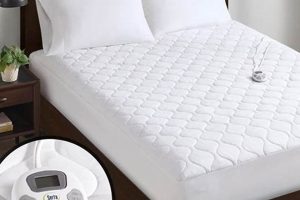
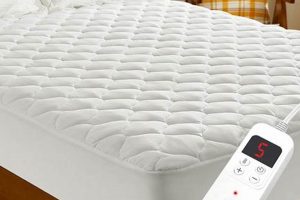
Control settings constitute a pivotal component in differentiating the functionality and user experience of heated mattress pads and electric blankets. The sophistication and precision of these settings directly influence the user’s ability to regulate temperature according to individual needs and preferences, thus affecting sleep quality and safety. Varied control mechanisms, ranging from basic on/off switches to advanced digital interfaces, dictate the degree of customization available. For instance, a heated mattress pad featuring multiple heat zones and a digital control panel allows users to independently adjust the temperature on each side of the bed, catering to couples with disparate thermal requirements. Conversely,
a simpler electric blanket with limited control settings might offer only a few pre-set temperature levels, potentially compromising the user’s capacity to achieve optimal thermal comfort. The practical significance of these control settings is underscored by their direct impact on energy consumption. More precise controls facilitate efficient energy use by enabling users to select the minimum heat level necessary to maintain desired warmth, thereby reducing electricity bills and minimizing environmental impact.
Further analysis reveals that the effectiveness of control settings extends beyond mere temperature adjustment. Advanced features, such as programmable timers and automatic shut-off mechanisms, enhance both safety and convenience. Timers allow users to preheat the bed before sleep and automatically deactivate the device after a specified period, preventing overheating and conserving energy. Automatic shut-off features, typically triggered by overheating sensors, mitigate the risk of fire or burns in the event of malfunction. An illustrative example involves a heated mattress pad equipped with a built-in safety system that detects abnormal temperature fluctuations and immediately cuts off power, preventing potential hazards. The absence of such features in less sophisticated devices highlights the critical role of control settings in ensuring user safety and promoting responsible energy consumption. The location and accessibility of the control unit also factor into the overall user experience. A control unit that is easily reachable and intuitively designed simplifies operation, particularly for individuals with limited mobility or visual impairments.
In summary, control settings represent a key differentiator between heated mattress pads and electric blankets, influencing not only the level of thermal comfort but also safety, energy efficiency, and convenience. The challenges associated with designing effective control settings lie in balancing user-friendliness with technological sophistication. While advanced features offer greater customization and safety benefits, they can also increase complexity and potentially intimidate less tech-savvy users. Addressing this challenge requires a focus on intuitive design and clear, concise instructions. The broader theme connecting control settings to the overall functionality of heated bedding underscores the importance of considering technological advancements in the context of user needs and safety regulations. A well-designed control system enhances the overall value and utility of the device, promoting both comfort and peace of mind.
Frequently Asked Questions
This section addresses common inquiries and misconceptions surrounding the selection and use of electrically heated bedding devices. The information provided aims to clarify key differences and considerations for optimal performance and safety.
Question 1: Are heated mattress pads or electric blankets safer for long-term use?
The safety of either device depends primarily on adherence to safety certifications (UL, ETL), regular inspection for damage, and adherence to the manufacturer’s instructions. Modern devices incorporate overheat protection and automatic shut-off features, mitigating potential risks regardless of type. Consistent monitoring and responsible usage are crucial.
Question 2: Does one type offer superior energy efficiency?
Energy efficiency is primarily determined by wattage consumption, insulation quality, and control settings. Heated mattress pads, positioned directly beneath the user, may achieve comparable warming at lower wattage levels due to reduced heat loss to the surrounding environment. However, differences in insulation and control precision can also impact efficiency.
Question 3: What are the key differences in cleaning and maintenance?
Cleaning procedures vary. Many heated mattress pads are limited to spot cleaning, while some electric blankets are machine washable (following specific instructions). Regular inspection for wire damage and proper storage are essential for both types. Neglecting these aspects can compromise safety and shorten product lifespan.
Question 4: Which device is more suitable for individuals with allergies or sensitivities?
The suitability depends on individual sensitivities. Some individuals may be allergic to the materials used in electric blankets (e.g., fleece). Heated mattress pads, covered by a fitted sheet, may offer a barrier against direct contact. Regular cleaning, as feasible, is crucial for minimizing allergen accumulation.
Question 5: Can these devices interfere with medical implants or devices?
Individuals with implanted medical devices (e.g., pacemakers) should consult their physician before using any electrically heated bedding. While interference is generally minimal, it is prudent to seek professional medical advice to ensure compatibility and safety.
Question 6: How do warranty terms differ between the two types?
Warranty terms vary significantly depending on the manufacturer and model. It is essential to review the warranty documentation carefully, paying attention to the duration of coverage, the types of defects covered, and any limitations or exclusions. Longer warranties typically indicate greater confidence in product durability.
In summary, selecting the appropriate heated bedding device involves careful consideration of safety features, energy efficiency, maintenance requirements, personal sensitivities, and warranty terms. Informed decision-making contributes to a comfortable and safe sleep environment.
The concluding segment provides a consolidated overview of the key considerations and offers final recommendations for selecting the most suitable option.
Conclusion
The preceding analysis has explored the nuanced distinctions between electric under-blankets and electric over-blankets. Considerations encompass safety, energy efficiency, maintenance, comfort, and cost. Selecting the appropriate device hinges on individual needs, preferences, and circumstances. Evaluating these aspects provides a foundation for informed decision-making.
The future of heated bedding may incorporate advancements in smart technology and improved safety mechanisms. Continued research and development will likely refine existing designs and introduce new options. Consumers are encouraged to prioritize safety certifications and regularly assess the condition of their devices. Prudent evaluation of product features and adherence to safety guidelines will contribute to a more comfortable and secure sleep environment.