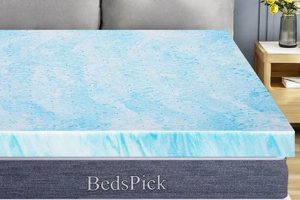
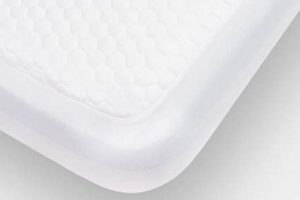
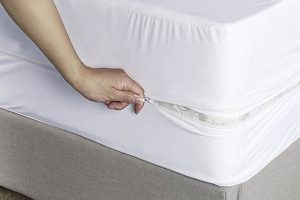
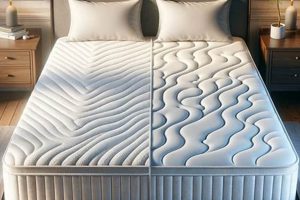
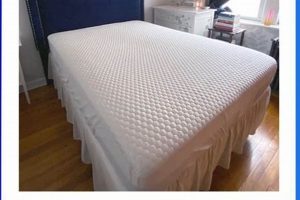
A specialized covering designed to shield a sleep surface made of viscoelastic polyurethane foam. These coverings function as a barrier against liquids, allergens, dust mites, and other potential contaminants that could compromise the integrity and hygiene of the foam material. An example is a waterproof, fitted sheet-style product placed over a bed before the bedding is added.
The use of such a covering extends the lifespan of the underlying sleep surface by preventing stains, reducing wear and tear, and maintaining a cleaner sleep environment. Historically, basic coverings were primarily for spill protection; however, modern versions often incorporate features like hypoallergenic properties and enhanced breathability, reflecting a growing awareness of indoor air quality and allergy management.
Understanding the types of materials used in these coverings, the various features offered, and the proper methods for cleaning and maintaining them are key considerations for consumers seeking to protect their investment and optimize their sleep experience. The following sections will delve into these aspects in more detail.
Tips for Maintaining a Mattress Protector for Memory Foam
Implementing proper care practices is crucial for maximizing the lifespan and effectiveness of a mattress protector designed for use with viscoelastic foam mattresses. These tips outline essential maintenance procedures.
Tip 1: Regular Washing: Launder the protector every one to two months, or more frequently if spills occur. Follow the manufacturer’s instructions regarding water temperature and detergent type to avoid damaging the protective layer.
Tip 2: Avoid Harsh Chemicals: Refrain from using bleach or fabric softeners, as these substances can degrade the waterproof or hypoallergenic properties of the material. Opt for gentle, hypoallergenic detergents.
Tip 3: Tumble Dry on Low Heat: High heat can melt or warp the protective membrane. Tumble dry on the lowest heat setting or air dry completely before placing back on the mattress.
Tip 4: Prompt Spill Cleanup: Immediately address any spills to prevent absorption into the protector and potential damage to the foam beneath. Blot the affected area with a clean, dry cloth.
Tip 5: Regular Inspection: Periodically examine the protector for tears, punctures, or signs of wear. Address any damage promptly to maintain its protective capabilities. Replacement may be necessary if significant wear is observed.
Tip 6: Consider a Second Protector: Utilizing a second protector allows for immediate replacement during washing, ensuring continuous protection of the sleep surface and extending the life of both protectors.
Adhering to these maintenance guidelines will ensure the continued performance of the mattress protector, safeguarding the investment in the memory foam mattress and promoting a hygienic sleep environment.
The following sections will provide information on selecting the appropriate type of protector for specific needs and understanding warranty considerations.
1. Waterproof Barrier
The presence of a waterproof barrier is a defining characteristic and functional imperative in protectors intended for use with viscoelastic polyurethane foam mattresses. Its significance lies in mitigating the inherent vulnerability of this foam type to liquid damage, a compromise that affects the integrity, hygiene, and longevity of the mattress.
- Protection Against Liquid Ingress
The primary role of the waterproof barrier is to prevent liquids, such as spills, sweat, or bodily fluids, from penetrating the foam structure. Memory foam’s open-cell structure readily absorbs liquids, leading to staining, odor development, and microbial growth. The waterproof barrier creates an impermeable layer that deflects these liquids, maintaining a dry and sanitary sleep surface. For example, a polyurethane film laminated to a fabric backing effectively blocks liquids while allowing for a degree of flexibility.
- Preservation of Mattress Integrity
Liquid penetration can compromise the structural integrity of the foam. Absorbed moisture can degrade the foam’s cell structure, leading to softening, compression, and ultimately, reduced support and comfort. A waterproof barrier safeguards against this degradation, preserving the mattress’s original firmness and contouring properties. Consider the scenario where consistent moisture exposure from nightly perspiration, without a barrier, can lead to premature mattress sagging.
- Mitigation of Allergen and Microbial Growth
A damp foam environment fosters the growth of allergens, such as dust mites and mold, and bacteria. These organisms can trigger allergic reactions and respiratory problems, negatively impacting sleep quality and overall health. A waterproof barrier limits the moisture needed for their proliferation, creating a less hospitable environment for allergens and microbes. An instance includes a household with allergy sufferers, where a waterproof barrier is essential to minimize allergen exposure.
- Facilitation of Cleaning and Maintenance
The waterproof barrier simplifies the process of cleaning spills and accidents. Instead of attempting to clean the absorbent foam directly, the spill is contained on the protector’s surface and can be easily wiped away. This ease of cleaning reduces the risk of lasting stains and odors. As an example, a quickly cleaned spill on a protected mattress prevents the need for extensive and potentially damaging cleaning procedures.
The waterproof barrier is therefore not merely an optional feature but an essential component for any covering intended to protect a memory foam mattress. It directly addresses the material’s inherent vulnerabilities, preserving its integrity, hygiene, and longevity, and promoting a healthier sleep environment.
2. Breathability
Breathability represents a critical performance attribute of a mattress protector designed for use with viscoelastic polyurethane foam. This characteristic directly influences sleep comfort and hygiene, counteracting the foam’s inherent tendency to retain heat.
- Regulation of Heat Dissipation
Memory foam possesses a relatively dense structure that can impede airflow, potentially leading to heat buildup and discomfort during sleep. A breathable protector facilitates the dissipation of body heat away from the sleeper, maintaining a more consistent and comfortable sleep temperature. Examples include protectors constructed with open-weave fabrics or incorporating specialized membranes designed to promote air circulation. This is particularly important for individuals prone to night sweats or those residing in warmer climates.
- Reduction of Moisture Accumulation
Inadequate breathability can result in the accumulation of moisture within the sleep environment, originating from perspiration or humidity. A breathable protector wicks away moisture, preventing it from saturating the foam and creating a breeding ground for mold, mildew, and bacteria. Materials like cotton, Tencel, or bamboo-derived fabrics offer enhanced moisture-wicking properties, promoting a drier and more hygienic sleep surface. This aspect is crucial for maintaining a healthy sleep environment and preventing the development of unpleasant odors.
- Impact on Protector Durability
The selection of materials impacting breathability can directly influence the protector’s longevity. A protector lacking adequate breathability can trap moisture, leading to material degradation over time. Breathable materials, while potentially requiring specialized care, generally exhibit enhanced durability due to the reduced stress from moisture buildup. For instance, a protector utilizing a breathable membrane, properly maintained, will likely outlast a non-breathable vinyl alternative.
- Influence on Sleep Quality
The presence or absence of breathability significantly affects subjective sleep quality. Overheating and moisture buildup can disrupt sleep cycles, leading to restlessness and reduced sleep duration. A breathable protector mitigates these issues, fostering a more comfortable and undisturbed sleep experience. Sleep studies have indicated that maintaining a consistent sleep temperature contributes to improved sleep quality and overall well-being.
The interplay between breathability and the functional requirements of a memory foam mattress protector underscores the importance of selecting materials and designs that prioritize both protection and comfort. Failing to address the inherent heat retention properties of memory foam can negate the benefits of the protector and compromise the overall sleep experience.
3. Hypoallergenic Properties
The integration of hypoallergenic properties into a mattress protector designed for memory foam directly addresses a significant concern for individuals susceptible to allergies and respiratory sensitivities. The dense structure of memory foam can trap dust mites, pet dander, mold spores, and other common allergens. These trapped particles can trigger allergic reactions, leading to symptoms such as sneezing, coughing, skin irritation, and breathing difficulties. A protector with hypoallergenic properties acts as a barrier, preventing these allergens from penetrating the foam and creating an environment less conducive to their proliferation. For example, a protector incorporating a tightly woven microfiber fabric can effectively block dust mites, while a coating of antimicrobial agents inhibits the growth of mold and bacteria. The practical significance of this lies in improved indoor air quality and a reduction in allergy-related sleep disturbances.
Beyond preventing allergen penetration, some protectors feature materials specifically engineered to be inert and non-irritating. These materials minimize the risk of causing allergic reactions in sensitive individuals. Examples include protectors made from organic cotton, bamboo, or Tencel, which are naturally hypoallergenic and free from harsh chemicals or dyes that can trigger sensitivities. The effectiveness of these protectors is often verified through independent certifications, such as OEKO-TEX Standard 100, which ensures that the materials have been tested for harmful substances. Furthermore, proper care and regular washing of the protector are essential to maintain its hypoallergenic efficacy over time. Failure to do so can lead to allergen accumulation, negating the benefits of the protective barrier.
In conclusion, hypoallergenic properties are a critical component of a mattress protector for memory foam, offering a tangible benefit for individuals with allergies or sensitivities. By preventing allergen penetration, utilizing inert materials, and maintaining proper hygiene, these protectors contribute to a healthier sleep environment. However, challenges remain in accurately assessing and verifying the long-term efficacy of hypoallergenic claims, highlighting the importance of seeking certified products and adhering to recommended care practices. The understanding of this connection enhances informed consumer choices and promotes improved sleep quality.
4. Fitted Design
A fitted design is a crucial element in mattress protectors intended for viscoelastic polyurethane foam, serving a practical purpose beyond mere aesthetics. Its primary function is to ensure secure and consistent coverage of the mattress, preventing slippage and maintaining the integrity of the protective barrier. A loose or ill-fitting protector will not effectively safeguard the mattress from spills, allergens, or wear and tear. Real-world examples include fitted sheet-style protectors with elasticized edges that grip the mattress securely, preventing bunching or movement during sleep. The consequence of a poorly fitted design can be direct exposure of the foam to contaminants, compromising its lifespan and hygiene. The importance lies in ensuring the protector remains in place, consistently providing the intended protection.
Further consideration of the fitted design extends to the depth of the pocket, accommodating mattresses of varying thicknesses. A shallow pocket on a thick mattress will result in inadequate coverage, while an excessively deep pocket on a thin mattress can lead to bunching and discomfort. Manufacturers often specify the pocket depth range to ensure compatibility. Moreover, the elasticity and durability of the elasticized edges are critical factors. Over time, inferior elastic can lose its elasticity, rendering the fitted design ineffective. Products employing high-quality elastic and reinforced seams offer greater longevity and sustained performance. The practical application of understanding this is in selecting a protector that truly fits the dimensions of the target mattress.
In summary, the fitted design is not merely an aesthetic choice but a functional necessity for mattress protectors intended for memory foam. It directly influences the protector’s ability to safeguard the mattress and maintain a hygienic sleep environment. Challenges remain in standardizing pocket depths and ensuring consistent elastic quality across different manufacturers. Overall, a properly fitted design is fundamental to maximizing the benefits of the protector and prolonging the life of the mattress.
5. Washability

Washability is a key feature for mattress protectors designed for memory foam, directly influencing hygiene and the longevity of both the protector and the mattress. Memory foam’s structure readily absorbs liquids and harbors allergens. A washable protector allows the periodic removal of these contaminants, preventing buildup that could degrade the foam or trigger allergic reactions. For example, a spill on a non-washable protector may necessitate discarding the entire unit, while a washable version can be laundered and reused. The practical significance of washability lies in maintaining a clean and healthy sleep environment.
The method of washing and drying also has a direct impact on the effectiveness and lifespan of mattress protectors. High heat can damage waterproof membranes or shrink certain fabrics, compromising their protective qualities. Therefore, following the manufacturer’s washing instructions is crucial. Many protectors require gentle cycles and low-heat drying, or air drying. Some protectors are even dry-clean only, presenting a challenge for regular maintenance. An understanding of the material composition and its care requirements is essential for preserving washability and the overall functionality of the protector. For instance, using harsh detergents on a protector with a laminated waterproof layer can delaminate the layers.
In summary, washability is an indispensable attribute of a mattress protector for memory foam, enabling regular removal of contaminants and extending the protector’s service life. However, proper washing and drying techniques are essential to prevent damage and maintain its protective properties. Challenges remain in balancing waterproof functionality with washability and durability, requiring careful consideration of materials and construction. By understanding these aspects, consumers can make informed decisions, ensuring a hygienic and protected sleep surface.
6. Material Composition

The selection of materials for a protector directly influences its performance, durability, and suitability for use with viscoelastic polyurethane foam. The composition determines the protector’s ability to safeguard the mattress, regulate temperature, and maintain hygiene.
- Surface Fabric
The material in direct contact with the sleeper contributes significantly to comfort and breathability. Common choices include cotton, polyester, bamboo, and Tencel. Cotton offers natural comfort and absorbency but may lack durability. Polyester is durable and affordable but less breathable. Bamboo and Tencel excel in moisture-wicking and temperature regulation, promoting a cooler sleep environment. The selection impacts the overall sleep experience. For example, a protector with a bamboo surface can mitigate the heat retention often associated with memory foam.
- Waterproof Membrane
A waterproof layer is essential for preventing liquid damage to the foam. Polyurethane (PU) film is a common choice due to its impermeability and flexibility. However, traditional PU membranes can restrict airflow. Newer technologies incorporate breathable membranes that allow vapor transmission while remaining waterproof. These membranes, often composed of specialized polymers, enhance comfort by reducing heat buildup. A protector employing a breathable membrane can effectively protect the mattress from spills while maintaining a more comfortable sleep temperature.
- Elastic Components
The elastic used in the fitted skirt determines the protector’s ability to stay securely in place on the mattress. High-quality elastic maintains its elasticity over time, preventing slippage and ensuring consistent protection. Inferior elastic can stretch out or lose its resilience, rendering the fitted design ineffective. Durable elastic, often a blend of synthetic fibers, is essential for long-term performance. For example, a protector with reinforced elastic edges will maintain a snug fit even after repeated washings.
- Barrier Layer
Some protectors incorporate a dedicated barrier layer designed to block allergens and dust mites. This layer is typically composed of tightly woven microfiber or a specialized membrane. The barrier layer prevents allergens from penetrating the mattress, promoting a healthier sleep environment for individuals with allergies or sensitivities. Examples include protectors certified by organizations like the Asthma and Allergy Foundation of America. Such protectors provide a verifiable level of protection against common allergens.
These components work in concert to provide effective protection and enhance the sleep experience. The choice of materials should reflect the specific needs and preferences of the user, balancing factors such as comfort, durability, and protection. Understanding these materials is vital for selecting a protector that effectively safeguards the mattress.
7. Size Accuracy
Size accuracy is a fundamental prerequisite for a mattress protector intended for viscoelastic polyurethane foam. The protector’s ability to effectively safeguard the mattress and maintain a comfortable sleep surface is directly contingent upon its precise fit. Deviations from the mattress’s dimensions, whether in length, width, or depth, can compromise its protective function.
- Full Coverage and Protection
Accurate dimensions ensure complete coverage of the mattress surface, preventing exposure to liquids, allergens, and other contaminants. Undersized protectors leave vulnerable areas unprotected, while oversized protectors can bunch up, creating discomfort and compromising the intended protective barrier. A properly sized protector fits snugly, effectively sealing the mattress from potential damage. For example, a protector that is too short will leave the foot of the mattress exposed to spills, while one that is too wide will create wrinkles that can trap dust mites.
- Secure Fit and Stability
Precise sizing contributes to a secure fit, minimizing movement and slippage during sleep. A loose-fitting protector can shift, exposing portions of the mattress or creating uncomfortable folds. A snug fit, achieved through accurate sizing and elasticized edges, keeps the protector firmly in place, providing consistent protection and a smooth sleep surface. Consider the scenario of a restless sleeper; a poorly sized protector is more likely to shift and bunch up, disrupting sleep and reducing its effectiveness.
- Preservation of Mattress Integrity
An accurately sized protector helps to maintain the structural integrity of the memory foam. Oversized protectors can exert undue pressure on the foam, leading to compression and uneven wear. Undersized protectors, conversely, can strain the fabric and elastic, reducing their lifespan and effectiveness. A properly fitted protector distributes weight evenly and allows the foam to conform to the body without restriction. An example would be a protector that is too tight across the top of the mattress, compressing the foam and reducing its ability to contour to the sleeper’s body.
- Compatibility with Bedding
Accurate sizing ensures compatibility with standard bedding sizes. An improperly sized protector can make it difficult to fit sheets and other bedding items, leading to discomfort and frustration. A properly sized protector conforms to the mattress dimensions, allowing for easy and secure placement of sheets and blankets. As an example, oversized protectors can make it difficult to tuck in fitted sheets, while undersized protectors can leave gaps that expose the mattress.
The criticality of size accuracy underscores the importance of precise measurements and adherence to standardized sizing guidelines. Inconsistencies in manufacturing or labeling can lead to improper fits, negating the intended benefits of the protector. Therefore, careful attention to sizing is essential for ensuring optimal protection and comfort.
Frequently Asked Questions
The following questions and answers address common concerns regarding mattress protectors specifically designed for use with viscoelastic polyurethane foam mattresses. This information aims to provide clarity and assist in informed decision-making.
Question 1: Does a mattress protector diminish the contouring benefits of memory foam?
The impact of a mattress protector on the contouring properties of memory foam depends on the protector’s design and materials. Thin, flexible protectors with minimal padding are less likely to interfere with the foam’s ability to conform to the body’s shape. Conversely, thicker or more rigid protectors can reduce the contouring effect. Selecting a protector specifically designed for memory foam, emphasizing breathability and flexibility, minimizes this potential compromise.
Question 2: Are all mattress protectors waterproof?
Not all mattress protectors are inherently waterproof. The level of protection depends on the materials and construction. Some protectors offer water-resistance, providing a degree of protection against minor spills, while others feature a waterproof membrane, offering complete protection against liquid penetration. It is essential to verify the product’s specifications to ensure it meets the required level of waterproof protection.
Question 3: How often should a mattress protector be washed?
The frequency of washing a mattress protector depends on usage and environmental factors. As a general guideline, washing the protector every one to two months is recommended to maintain hygiene. However, more frequent washing may be necessary if spills occur or if the sleeper experiences night sweats or allergies. Adhering to the manufacturer’s care instructions is crucial to avoid damaging the protector’s materials or protective properties.
Question 4: Can a mattress protector trap heat and exacerbate the heat retention of memory foam?
Certain mattress protectors, particularly those made from non-breathable materials like vinyl, can impede airflow and trap heat. This can exacerbate the heat retention properties often associated with memory foam. Selecting a protector constructed from breathable materials, such as cotton, Tencel, or bamboo, or featuring a breathable membrane, mitigates this issue. Breathability promotes air circulation and helps dissipate body heat, maintaining a more comfortable sleep temperature.
Question 5: Does a mattress protector void the mattress warranty?
The impact of using a mattress protector on the mattress warranty varies depending on the manufacturer’s policies. While using a protector generally does not void the warranty, neglecting to use one might, particularly in cases where stains or damage are the basis for a warranty claim. It is prudent to review the mattress warranty terms and conditions to understand the specific requirements regarding mattress protection.
Question 6: Can a mattress protector effectively prevent bed bug infestations?
While a mattress protector can contribute to bed bug prevention, it is not a foolproof solution. A tightly woven protector with a secure zipper enclosure can prevent bed bugs from infesting the mattress. However, the protector itself can still be susceptible to infestation, and bed bugs can also infest other areas of the bedroom. A comprehensive bed bug control strategy, including regular inspections and professional pest control services, is necessary for effective prevention and elimination.
These FAQs highlight key considerations when choosing and using mattress protectors for memory foam. Proper selection and maintenance contribute to preserving the mattress’s condition and promoting a hygienic sleep environment.
The subsequent section will address warranty considerations related to mattress protectors for memory foam.
Concluding Remarks
This exploration has illuminated the multifaceted role of a mattress protector designed for viscoelastic polyurethane foam. Key aspects addressed include the provision of a waterproof barrier, the importance of breathability, the significance of hypoallergenic properties, the functionality of a fitted design, the implications of washability, the considerations of material composition, and the necessity of size accuracy. Each element contributes to safeguarding the foam against damage, maintaining a hygienic sleep environment, and prolonging the mattress’s lifespan.
The information presented underscores the critical need for informed consumer choices. The selection of an appropriate covering is not merely an aesthetic consideration, but a fundamental investment in both sleep quality and the longevity of the underlying mattress. Continued advancements in material science and manufacturing techniques promise to further enhance the performance and durability of these protective measures, ensuring their ongoing value in preserving the integrity and hygiene of sleep surfaces.