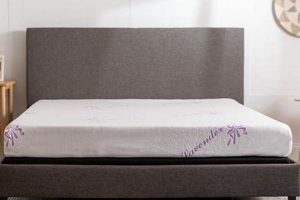
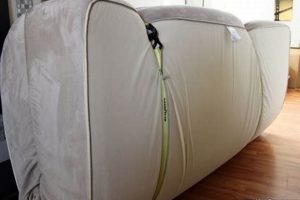
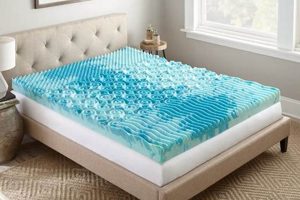
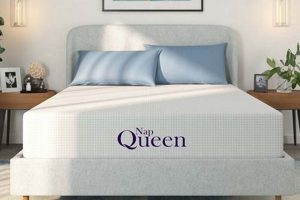
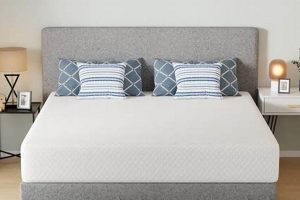
A convertible furniture piece combines the comfort of memory foam with the functionality of a sofa. This type of furniture typically features a seating area that can be unfolded or reconfigured into a sleeping surface. The incorporation of visco-elastic foam aims to provide pressure relief and contouring support for both sitting and sleeping applications. For instance, a compact apartment dweller might opt for such a piece to maximize space utilization, using it as a sofa during the day and a bed at night.
These adaptable furnishings offer several advantages, including space-saving design and versatility. Historically, convertible furniture has been sought after in environments with limited square footage. The addition of the described foam technology enhances comfort levels, differentiating it from traditional sleeper sofas. The enhanced support provided by this material can improve sleep quality when utilized as a bed, while still offering comfortable seating during the day.
The following sections will delve into the specific types available, material composition, care considerations, and purchasing factors relevant to selecting this versatile furniture option. Understanding these aspects allows for informed decision-making when considering this investment for a home or living space.
Tips for Selecting and Maintaining a Sofa with Memory Foam Mattress
The following guidance addresses key considerations for choosing and caring for a sofa bed incorporating visco-elastic foam, aiming to maximize its longevity and user satisfaction.
Tip 1: Assess Foam Density. Higher density foam generally offers greater support and durability. Inquire about the density specifications prior to purchase to ensure it meets individual comfort and support requirements. A density of 4 pounds per cubic foot or higher is often recommended for optimal performance.
Tip 2: Examine Frame Construction. The structural integrity of the frame significantly impacts the overall lifespan of the furniture. Opt for solid hardwood frames, as they tend to withstand greater stress and resist warping compared to frames made from particleboard or softwood.
Tip 3: Evaluate Folding Mechanisms. The ease and smoothness of the folding mechanism are crucial for convenient use. Test the mechanism thoroughly before purchase to ensure it operates without excessive force or obstruction. Prioritize mechanisms constructed with durable metal components.
Tip 4: Consider Mattress Thickness. The thickness of the integrated mattress affects sleep comfort. Aim for a thickness of at least 4 inches to provide adequate cushioning and support. Thicker mattresses generally offer a more comfortable sleeping experience.
Tip 5: Investigate Cover Material. The fabric covering the mattress and sofa should be durable, stain-resistant, and easy to clean. Consider fabrics such as microfiber, which are known for their resilience and ease of maintenance. Removable and washable covers are highly advantageous.
Tip 6: Implement Regular Cleaning Protocols. Vacuum the sofa and mattress regularly to remove dust and debris. Address spills promptly with appropriate cleaning solutions to prevent staining and odor buildup. Follow manufacturer’s instructions for cleaning specific fabric types.
Tip 7: Utilize a Mattress Protector. A waterproof mattress protector shields the foam from moisture and allergens, extending its lifespan and maintaining hygiene. This is particularly crucial if the sofa bed is used frequently for sleeping.
Effective selection and diligent maintenance are paramount for optimizing the utility and longevity of such furniture. Attention to foam density, frame quality, and cleaning practices contributes to a satisfying ownership experience.
The concluding sections of this document will provide a summary of key features and benefits to consider when purchasing this specific furniture type, facilitating a well-informed decision.
1. Space Optimization

Space optimization is a fundamental consideration in modern living environments, particularly within urban dwellings or multi-purpose rooms. The integration of convertible seating solutions, specifically incorporating memory foam mattress technology, addresses the need for efficient use of limited square footage.
- Dual Functionality
The primary role of a convertible seating unit is to provide both seating and sleeping surfaces within a single footprint. This eliminates the need for separate dedicated spaces for each function. Examples include studio apartments or guest rooms where space is at a premium. This functionality translates to reduced clutter and maximized utilization of available area.
- Footprint Reduction
When configured as a seating area, the convertible unit occupies less floor space compared to a traditional sofa and a separate bed. This is particularly relevant in compact living spaces where every square foot is valuable. The reduction in footprint allows for greater flexibility in furniture arrangement and improved traffic flow within the room.
- Versatile Room Design
Convertible seating enables dynamic room configuration. A living room can be transformed into a guest bedroom with minimal effort. This adaptability allows for more efficient use of multi-purpose spaces, catering to varying needs throughout the day or week. The capacity to seamlessly transition between functions enhances the overall utility of the living area.
- Storage Integration
Some convertible units incorporate integrated storage compartments. These compartments can be used to store bedding, pillows, or other items related to sleeping arrangements. This further optimizes space by minimizing the need for separate storage solutions and keeping essential items readily accessible. The integration of storage enhances the practicality of the convertible furniture.
The features described illustrate how the strategic design and function of convertible, memory foam-enhanced seating directly contribute to optimized space utilization. The ability to provide both seating and sleeping surfaces, reduce the overall footprint, enable versatile room design, and integrate storage options underscore the value of these solutions in contemporary living environments. These combined attributes make it a practical solution for homes where space is at a premium, allowing efficient utilization of available area without compromising comfort.
2. Comfort and Support
The incorporation of visco-elastic foam technology within convertible seating units directly addresses the user’s need for both comfort and support. This combination aims to provide a superior experience compared to traditional sofa beds that often prioritize functionality over ergonomic cons
iderations. The following facets outline the core elements contributing to enhanced comfort and support.
- Pressure Redistribution
Memory foam’s primary attribute is its ability to conform to the body’s shape, distributing weight evenly and reducing pressure points. This is particularly relevant in a sleeping surface, where prolonged pressure on certain areas can lead to discomfort and disrupted sleep. By minimizing these pressure points, the material promotes improved circulation and a more restful experience. For instance, individuals with chronic back pain may experience relief due to the foam’s ability to contour to the spine’s natural curvature.
- Motion Isolation
The visco-elastic properties of the foam dampen motion transfer. This feature is beneficial when the convertible unit is used as a bed for two individuals. Movement by one person is less likely to disturb the other, leading to improved sleep quality for both. This is a distinct advantage over traditional innerspring mattresses, which tend to transmit motion more readily.
- Contouring Support
The foam’s ability to mold to the body’s unique shape provides customized support. This is essential for maintaining proper spinal alignment during sleep, which can reduce the risk of back pain and other musculoskeletal issues. The contouring support adapts to individual body types and sleeping positions, offering a more personalized comfort experience.
- Density and Firmness Options
Manufacturers offer varying densities and firmness levels of memory foam to cater to diverse preferences. Softer foams provide a plush feel, while firmer foams offer greater support. Selecting the appropriate density and firmness is crucial for achieving optimal comfort and support. Personal preference, body weight, and sleeping position are key factors in determining the ideal combination.
The interplay of these facets highlights the critical role of visco-elastic foam in enhancing comfort and support in convertible seating. From pressure redistribution to motion isolation and contouring support, the material’s unique properties contribute to a superior seating and sleeping experience. Careful consideration of density and firmness options is paramount for tailoring the experience to individual needs. These combined attributes make it a valuable addition to any multi-functional furniture design, providing long-term well-being.
3. Durability of Materials

The long-term utility of convertible memory foam seating is directly predicated upon the durability of the constituent materials. The ability of these units to withstand consistent use, transformation between seating and sleeping configurations, and environmental factors determines their overall value and lifespan. The selection of robust materials is therefore a critical factor in ensuring customer satisfaction and minimizing the need for premature replacement.
- Frame Construction Materials
The frame provides the structural foundation of the convertible unit. Hardwood frames, such as those made from oak or maple, offer superior strength and resistance to warping compared to softwood or engineered wood alternatives. The joinery methods employed, such as mortise and tenon or dovetail joints, also contribute to the frame’s overall stability and resistance to stress. A well-constructed frame ensures the unit can withstand repeated use without structural failure.
- Upholstery Fabric Composition
The upholstery fabric is subjected to constant friction, stretching, and potential staining. High-performance fabrics, such as microfiber or tightly woven synthetics, exhibit greater resistance to abrasion, fading, and liquid penetration than more delicate materials like linen or silk. The fabric’s thread count and weave density are indicators of its durability. A robust upholstery fabric maintains its appearance and structural integrity over time, reducing the need for frequent cleaning or reupholstering.
- Memory Foam Density and Resilience
Memory foam density is a key determinant of its long-term performance. Higher density foam exhibits greater resistance to compression and deformation. It retains its shape and support characteristics for a longer period, even with regular use. Resilience, the foam’s ability to recover its original shape after compression, is another important factor. High-resilience foam rebounds quickly, preventing sagging and maintaining its comfort properties. Lower quality foam degrades more rapidly, resulting in diminished support and a shorter lifespan.
- Mechanism Components and Build Quality
The folding mechanism facilitates the transformation between seating and sleeping configurations. The mechanism’s components, such as hinges, levers, and support bars, must be constructed from durable materials like steel or reinforced alloys. The precision and quality of the mechanism’s assembly are also critical. A well-engineered mechanism operates smoothly and reliably over many cycles, without jamming, bending, or breaking. Poorly constructed mechanisms are prone to failure, rendering the convertible unit unusable.
The selection of durable materials across all componentsframe, upholstery, foam, and mechanismis paramount for ensuring the longevity and sustained performance of convertible memory foam seating. While initial cost considerations may influence purchasing decisions, prioritizing durable materials represents a more cost-effective approach in the long term, minimizing the need for repairs, replacements, and associated expenses. Careful evaluation of material specifications and construction quality is therefore essential for making an informed investment in a durable and reliable product.
4. Mechanism Reliability

Mechanism reliability is fundamentally linked to the functionality and longevity of a convertible sofa featuring a memory foam mattress. The mechanism, responsible for the seamless transformation between seating and sleeping configurations, directly dictates the ease of use and the product’s ability to fulfill its intended purpose. A poorly designed or constructed mechanism can lead to operational difficulties, including sticking, binding, or complete failure, thereby negating the benefits of the integrated memory foam mattress. For example, a user unable to easily convert the sofa into a bed due to a faulty mechanism would be unable to experience the purported comfort and support of the foam mattress. Thus, mechanism reliability functions as a prerequisite for realizing the benefits associated with this type of furniture.
The structural integrity of the mechanism also influences the long-term durability of the overall unit. Repeated stress from converting the sofa can place undue strain on weak or poorly fabricated components, leading to premature wear and eventual breakage. Consider a scenario where a hinge repeatedly fails to lock securely in either the seating or sleeping position; this constant instability will compromise the user’s safety and diminish the functional value of the product. Selecting a model with a robust and well-engineered mechanism, therefore, is critical to ensure that the memory foam mattress can be consistently and reliably deployed for its intended purpose.
In summary, mechanism reliability serves as a
keystone for the practical utility and lifespan of a memory foam mattress sofa. Failure in this component directly impacts the unit’s functionality, rendering the comfort benefits of the mattress moot. While material quality and design aesthetics contribute to the overall value of the product, a dependable mechanism remains paramount for ensuring long-term customer satisfaction. Further research and development into durable and user-friendly mechanisms are essential for enhancing the appeal and practicality of this multi-functional furniture category.
5. Ease of Maintenance
The practicality of a memory foam mattress sofa is significantly influenced by its ease of maintenance. The ability to readily clean and maintain the unit affects its longevity, hygiene, and overall appeal, directly impacting user satisfaction. Consideration of maintenance requirements is therefore a crucial aspect of the purchasing decision.
- Removable and Washable Covers
Removable and washable covers are a primary factor in simplifying maintenance. These covers protect the underlying foam from spills, stains, and allergens. The ability to remove and launder the cover allows for convenient cleaning and disinfection. For example, a sofa with a spilled beverage can be readily cleaned by removing and washing the affected cover, preventing permanent staining and odor buildup. The availability of replacement covers further extends the lifespan of the unit by allowing for the replacement of damaged or worn components.
- Stain-Resistant Fabric Treatments
The application of stain-resistant treatments to the upholstery fabric reduces the likelihood of permanent staining from accidental spills. These treatments create a barrier that prevents liquids from penetrating the fabric fibers, allowing for easier cleanup. For instance, a sofa treated with a stain-resistant coating can withstand spills of coffee or wine without leaving lasting marks, preserving the appearance of the unit. The use of such treatments minimizes the need for professional cleaning services and reduces the overall maintenance burden.
- Vacuuming and Spot Cleaning Recommendations
Regular vacuuming is essential for removing dust, debris, and allergens from the surface of the sofa. Consistent vacuuming prevents the accumulation of dirt that can embed itself within the fabric fibers and contribute to premature wear. Spot cleaning with appropriate cleaning solutions addresses localized stains and spills. Adhering to manufacturer-recommended cleaning protocols ensures the preservation of the fabric’s integrity and color. For example, using a pH-neutral cleaning solution is less likely to damage or discolor the fabric compared to harsh chemicals. Following these recommendations promotes long-term cleanliness and aesthetic appeal.
- Foam Care Instructions
The memory foam component requires specific care to maintain its integrity and performance. Exposure to direct sunlight or excessive moisture can degrade the foam’s properties. Vacuuming the foam regularly helps to remove dust and allergens. Spot cleaning with a mild detergent and water is recommended for addressing spills. Professional cleaning services specializing in foam care can address more significant stains or odors. Adhering to these care instructions preserves the foam’s shape, support, and hygiene, extending the lifespan of the mattress and ensuring continued comfort.
The ease with which a memory foam mattress sofa can be cleaned and maintained significantly contributes to its long-term value and appeal. Features such as removable covers, stain-resistant treatments, and clear care instructions simplify the maintenance process, reducing the effort and expense required to keep the unit in optimal condition. Prioritizing these aspects during the purchasing process ensures a more satisfying and practical ownership experience.
Frequently Asked Questions
The following addresses common inquiries regarding convertible seating units integrating visco-elastic foam mattress components. These answers aim to provide clarity and inform decision-making.
Question 1: What is the typical lifespan of such convertible seating?
Lifespan varies based on materials, construction quality, and usage frequency. Generally, units with solid hardwood frames and high-density foam can last 7-10 years with moderate use. Regular maintenance extends this lifespan.
Question 2: Is it suitable for individuals with back pain?
The conforming properties of visco-elastic foam can provide pressure relief and support spinal alignment. However, individual comfort needs differ. Consulting a physician or physical therapist is recommended.
Question 3: How does it compare to a traditional innerspring sleeper sofa?
Visco-elastic foam typically offers superior pressure relief and motion isolation compared to innerspring mattresses. This can result in improved sleep quality and reduced discomfort.
Question 4: What are the primary maintenance requirements?
Regular vacuuming, spot cleaning, and the use of a mattress protector are essential. Removable and washable covers simplify maintenance. Adhering to manufacturer’s instructions is crucial.
Question 5: What factors influence the price?
Price is determined by materials, construction quality, brand reputation, and features. Higher-density foam, solid hardwood frames, and durable fabrics typically command a higher price point.
Question 6: Can the foam be replaced if it wears out?
Foam replacement depends on the unit’s construction. Some models allow for foam replacement, while others do not. Inquiring about replacement options prior to purchase is advisable.
Understanding these answers facilitates informed decisions regarding the selection and care of these versatile furniture pieces.
The subsequent section will provide a concise summary of key considerations for evaluating this specific type of furniture.
Memory Foam Mattress Sofa
This exposition has explored the multi-faceted aspects of the memory foam mattress sofa, emphasizing its space-saving design, enhanced comfort features, and the significance of durable construction. Attention was given to foam density, frame materials, mechanism reliability, and ease of maintenance as crucial determinants of long-term value and user satisfaction. The analysis presented underscores the importance of informed decision-making when considering such a purchase.
The integration of visco-elastic foam technology into convertible seating represents a fusion of practicality and comfort. Prospective buyers are encouraged to carefully evaluate their individual needs and priorities before making a final selection. With mindful consideration of the factors outlined herein, an informed investment in this versatile furniture type can yield years of dependable service and enhanced living space functionality. The future may bring further innovations in materials and design, further solidifying the role of the memory foam mattress sofa in modern living environments.