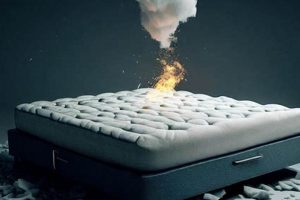
A sleep surface engineered with viscoelastic foam infused with gel particles, this bedding innovation conforms to the sleeper’s body, distributing weight evenly and minimizing pressure points. Its composition allows for a reduction in motion transfer, ensuring undisturbed rest. The added gel component aids in temperature regulation, promoting a cooler sleep experience compared to traditional memory foam.
The significance of this sleep technology lies in its ability to enhance sleep quality and alleviate discomfort. The conforming nature supports spinal alignment, potentially reducing back pain. Historically, the initial development of viscoelastic foam by NASA for aircraft seating paved the way for its application in consumer products, with subsequent infusion of gel further refining its performance and appeal.
The following sections will delve into the specific types of these mattresses, their construction materials, and considerations for selecting the optimal option based on individual needs and preferences, including factors such as density, thickness, and cooling technologies.
Guidance on Optimal Utilization
The following guidelines aim to maximize the lifespan and performance of your specialized sleep surface, ensuring sustained comfort and support.
Tip 1: Foundation Suitability: Employ a solid, supportive base. Slatted platforms with appropriately spaced slats, or a box spring in good condition, are recommended. Avoid placing the mattress directly on the floor, as this restricts airflow and can lead to moisture accumulation.
Tip 2: Regular Rotation: Rotate the mattress 180 degrees every three to six months. This promotes even wear and prevents localized compression, extending the product’s lifespan.
Tip 3: Protective Covering: Utilize a mattress protector. This safeguards against spills, stains, and dust mites, maintaining hygiene and preventing damage to the foam structure.
Tip 4: Adequate Ventilation: Ensure proper airflow around the mattress. Avoid encasing it in airtight coverings, as this can trap moisture and promote mold growth. Allow for occasional airing out, particularly in humid environments.
Tip 5: Weight Distribution: Refrain from concentrating excessive weight in a single area. Avoid sitting on the edge of the mattress for prolonged periods, as this can cause premature sagging.
Tip 6: Appropriate Cleaning: Spot clean spills immediately with a mild detergent and a damp cloth. Avoid harsh chemicals or excessive moisture, which can damage the foam. Professional cleaning services are recommended for deep stains.
Tip 7: Temperature Control: Maintain a consistent room temperature and humidity level. Extreme temperature fluctuations can affect the foam’s properties and reduce its effectiveness in regulating temperature.
Adhering to these recommendations will contribute to preserving the integrity and enhancing the longevity of this specialized sleep product.
The subsequent sections will address common misconceptions and provide troubleshooting advice for resolving potential issues.
1. Pressure Relief

The capacity to alleviate concentrated force on specific body areas is a fundamental characteristic of memory gel foam mattresses. This functionality arises from the viscoelastic properties of the foam, which enables it to deform under pressure and redistribute the load across a broader surface. Consequently, areas such as the shoulders, hips, and knees, which typically bear significant weight during sleep, experience reduced stress. An individual with chronic back pain, for instance, may find that the conforming nature of the foam minimizes pressure on the spine, potentially leading to a more comfortable and restful night.
The effectiveness of pressure relief is directly correlated with the density and thickness of the memory foam layer, as well as the presence and concentration of gel particles. Higher-density foams generally provide greater support and more effective weight distribution. The gel infusion contributes to a cooler sleep environment, which can indirectly enhance pressure relief by minimizing muscle tension caused by overheating. Consider the practical example of an athlete recovering from an injury; the pressure-relieving properties can aid in muscle relaxation and reduce inflammation, contributing to a faster recovery process. The design also ensures the reduction of common discomforts in key areas of the body.
In summary, the pressure-relieving capability of memory gel foam mattresses is a crucial element of their appeal, driven by the unique properties of the foam and the strategic integration of gel technology. This feature addresses a core need for many individuals seeking improved sleep quality and pain management. However, the effectiveness of pressure relief can vary depending on individual body weight, sleep position, and the specific characteristics of the mattress itself. Therefore, careful consideration of these factors is essential when selecting a suitable product.
2. Temperature Regulation

Temperature regulation constitutes a critical performance attribute in sleep surfaces, impacting sleep quality and overall comfort. The capacity of a mattress to dissipate heat and maintain a stable, comfortable sleeping temperature is particularly relevant in memory gel foam mattresses due to the inherent thermal properties of viscoelastic foam.
- Gel Infusion Mechanism
Gel particles are integrated into the foam structure to enhance thermal conductivity. These particles absorb and dissipate heat away from the sleeper’s body, creating a cooler microclimate. For example, a high-density foam mattress without gel may retain heat, leading to discomfort and disrupted sleep, whereas a gel-infused counterpart promotes a more regulated temperature. This integration reduces the overall heat buildup.
- Open-Cell Structure Implementation
Open-cell foam configurations are designed to promote enhanced airflow. This structural design facilitates the movement of air through the mattress, aiding in the dissipation of heat and moisture. The open-cell structure ensures the ventilation to dissipate heat more effectively.
- Material Composition Variety
Various materials, beyond the gel itself, contribute to temperature regulation. Some manufacturers incorporate phase-change materials (PCMs) that absorb and release heat as needed, maintaining a consistent temperature. Others utilize breathable fabrics in the mattress cover to improve airflow and wick away moisture. These materials are beneficial in controlling the temperature of the bed.
- Density and Airflow Correlation
Higher-density memory foam can restrict airflow, potentially leading to increased heat retention. Conversely, lower-density foams may
offer better airflow but may compromise support. The ideal balance involves a density that provides adequate support while allowing sufficient airflow for effective temperature regulation. The balance between the density of memory foam and airflow is essential for optimizing thermoregulation.
The effectiveness of temperature regulation in a memory gel foam mattress is multifaceted, depending on the specific materials used, the construction techniques employed, and individual environmental factors. While gel infusion, open-cell structures, and specialized materials all play a role, the optimal combination varies based on individual needs and preferences. Further developments in material science continue to refine temperature regulation capabilities in these mattresses.
3. Motion Isolation
Motion isolation, the ability to minimize the transfer of movement across a sleep surface, is a significant attribute of memory gel foam mattresses. This characteristic is particularly relevant for individuals who share a bed, as it reduces the likelihood of disturbances caused by a partner’s movements during the night.
- Viscoelasticity of Memory Foam
Memory foam’s inherent viscoelastic properties allow it to absorb and dampen motion energy. Upon application of pressure, the foam conforms to the body and slowly returns to its original shape. This slow response characteristic prevents the energy from propagating across the mattress, thus minimizing disturbance to other areas. A real-world example is a partner shifting positions; the motion is absorbed locally, reducing the sensation felt by the other sleeper. The implications of this characteristic include improved sleep quality and reduced awakenings for bed partners.
- Density and Thickness Considerations
The density and thickness of the memory foam layer directly influence the degree of motion isolation. Higher-density foams generally provide superior motion isolation due to their greater ability to absorb energy. Thicker layers of memory foam amplify this effect by increasing the distance over which the motion energy must travel, further dampening its propagation. For instance, a mattress with a 4-inch memory foam layer will typically exhibit better motion isolation than one with a 2-inch layer. The appropriate density helps absorb the movement when changing positions.
- Gel Infusion Impact
While the primary purpose of gel infusion is temperature regulation, it can indirectly contribute to motion isolation. The addition of gel particles can slightly alter the foam’s density and responsiveness, potentially enhancing its ability to absorb motion energy. A mattress with a standard memory foam may not conform to the shape of the body, and a Gel Infusion contributes a small measure of motion isolation. However, the impact is less significant than the viscoelastic properties of the foam itself.
- Layer Construction and Design
The overall construction of the mattress, including the presence and composition of underlying support layers, also plays a role in motion isolation. A stable and supportive base layer can prevent motion from being transferred through the entire mattress. Hybrid mattresses that combine memory foam with innerspring coils may exhibit reduced motion isolation compared to all-foam mattresses, depending on the coil system and the design. Good layer construction to reduce vibration across the surface.
In summary, motion isolation in memory gel foam mattresses is primarily a function of the viscoelastic properties of the foam, its density, and its thickness. While gel infusion and overall mattress construction contribute, the inherent ability of memory foam to absorb and dampen motion energy is the key factor. This feature directly addresses a significant concern for individuals seeking undisturbed sleep while sharing a bed, thereby enhancing overall sleep quality and well-being. The combination of these materials leads to a higher quality of sleep.
4. Density Variation

Density variation in memory gel foam mattresses represents a spectrum of firmness and support levels, directly influencing comfort, durability, and overall suitability for individual needs. The measure, typically expressed in pounds per cubic foot (PCF), indicates the mass of the foam material within a defined volume. Higher density generally correlates with greater support, longevity, and resistance to impressions, while lower density offers a softer feel and potentially improved airflow.
- Support and Spinal Alignment
Density plays a critical role in providing adequate support and maintaining proper spinal alignment. Mattresses with higher density memory foam offer greater resistance to compression, preventing excessive sinking and ensuring that the spine remains in a neutral position during sleep. For individuals with back pain or those who prefer a firmer sleep surface, a higher density mattress is often recommended. An example includes individuals with a higher body mass, who will benefit from increased support for maintaining a straight line.
- Durability and Longevity
Density is a key indicator of a mattress’s durability and expected lifespan. Higher density foams are more resistant to wear and tear, retaining their shape and supportiveness over time. Lower density foams, while initially offering a softer feel, tend to break down more quickly, leading to sagging and a reduced lifespan. A low-density mattress may only last a couple of years, while a high-density mattress can last for a decade or more.
- Pressure Relief Distribution
While higher density generally provides greater support, lower density foams can offer superior pressure relief for certain individuals. Softer, lower density foams conform more readily to the body’s contours, distributing weight evenly and reducing pressure points. This can be particularly beneficial for individuals with sensitive joints or those who prefer sleeping on their side. For example, the shape of the sleeper’s body can be accommodated and better align the mattress.
- Temperature Regulation Impact
Density influences the mattress’s ability to regulate temperature. Higher density foams tend to retain more heat due to reduced airflow. Manufacturers often address this issue by infusing the foam with gel particles or incorporating open-cell structures to improve breathability. Lower density foams generally offer better airflow, making them a cooler option for some sleepers. The balance of heat and ventilation makes the material highly useful.
In summary, density variation is a crucial consideration when selecting a memory gel foam mattress, impacting support, durability, pressure relief, and temperature regulation. The optimal density depends on individual preferences, body weight, sleeping position, and specific needs. A careful assessment of these factors is essential to ensure a comfortable and supportive sleep experience.
5. Longevity
The lifespan of a memory gel foam mattress is a critical consideration, impacting long-term value and overall consumer satisfact
ion. Several factors contribute to or detract from the durability of these sleep surfaces, including material quality, manufacturing processes, usage patterns, and maintenance practices. Higher-density foams, for instance, tend to resist compression and degradation more effectively than lower-density alternatives, thereby extending the mattress’s usable life. Similarly, robust construction techniques, such as reinforced edge support and durable cover materials, can mitigate premature wear and tear. A mattress subjected to consistent, heavy use without proper support is likely to degrade more rapidly than one used occasionally and supported by a suitable foundation.
Appropriate care and maintenance significantly influence mattress longevity. Regular rotation, use of a mattress protector, and avoidance of excessive weight concentration can prevent localized sagging and material breakdown. Spills and stains, if left unattended, can compromise the integrity of the foam structure, fostering mold growth and accelerating deterioration. In contrast, proactive stain removal and periodic professional cleaning can preserve the mattress’s hygiene and structural integrity. Furthermore, environmental factors, such as humidity and temperature fluctuations, can impact the foam’s properties and lifespan, underscoring the importance of maintaining a stable and controlled sleep environment.
In summary, the longevity of a memory gel foam mattress is a multifaceted attribute, influenced by intrinsic material properties, manufacturing quality, usage patterns, and maintenance practices. Maximizing lifespan requires careful consideration of these factors and proactive implementation of preventative measures. Understanding these influences not only informs purchase decisions but also empowers consumers to extend the value and comfort derived from their mattress investment. Failure to address these key aspects can result in premature degradation and diminished sleep quality, highlighting the practical significance of understanding and prioritizing mattress longevity.
Frequently Asked Questions
The following addresses prevalent inquiries regarding the performance, maintenance, and suitability of memory gel foam mattresses, providing objective information to aid informed decision-making.
Question 1: Does a memory gel foam mattress sleep hot?
Memory gel foam mattresses, while designed to mitigate heat retention, may still exhibit some degree of warmth. The effectiveness of temperature regulation is contingent upon the density of the foam, the concentration of gel particles, and the breathability of the cover materials. Mattresses with higher density and less airflow are more likely to sleep warmer than those with open-cell structures and breathable fabrics.
Question 2: How does the density of the memory foam impact performance?
Density, measured in pounds per cubic foot (PCF), directly influences the support, durability, and pressure relief characteristics of the mattress. Higher density foams offer greater resistance to compression, providing enhanced support and longevity. Lower density foams conform more readily to the body’s contours, potentially offering improved pressure relief. However, lower density foams are also more susceptible to degradation over time.
Question 3: What is the recommended foundation for a memory gel foam mattress?
A solid, supportive foundation is crucial for ensuring optimal performance and longevity. Slatted platforms with adequately spaced slats, or a traditional box spring in good condition, are suitable options. Avoid placing the mattress directly on the floor, as this restricts airflow and can lead to moisture accumulation and mold growth.
Question 4: How should a memory gel foam mattress be cleaned?
Spot cleaning with a mild detergent and a damp cloth is recommended for minor spills and stains. Avoid harsh chemicals and excessive moisture, which can damage the foam. Professional cleaning services are advisable for deep stains. Regular vacuuming can also help to remove dust and allergens from the mattress surface.
Question 5: How often should a memory gel foam mattress be rotated?
Rotating the mattress 180 degrees every three to six months promotes even wear and prevents localized compression, extending its lifespan. This practice helps to distribute body weight evenly across the mattress surface, minimizing the development of sagging or impressions.
Question 6: Are memory gel foam mattresses suitable for all sleep positions?
The suitability of a memory gel foam mattress for different sleep positions depends on its firmness level and the individual’s body weight and preferences. Side sleepers generally benefit from softer mattresses that conform to the contours of the body and alleviate pressure on the shoulders and hips. Back and stomach sleepers typically require firmer mattresses to maintain proper spinal alignment.
In summary, selecting and maintaining a memory gel foam mattress involves careful consideration of factors such as density, support requirements, and cleaning protocols. Adherence to these guidelines can optimize sleep quality and maximize the product’s lifespan.
The concluding section will provide a comprehensive overview of purchasing considerations and offer guidance on navigating the market to identify the optimal memory gel foam mattress for individual needs.
In Conclusion
This exploration has elucidated the core attributes of the memory gel foam mattress, encompassing its pressure-relieving capabilities, temperature regulation mechanisms, motion isolation properties, density variations, and considerations for longevity. Understanding these multifaceted aspects is critical for discerning the suitability of this sleep technology to individual needs and preferences. Informed evaluation of material composition, construction techniques, and maintenance requirements remains paramount for maximizing value and optimizing sleep quality.
The proliferation of options within the memory gel foam mattress market necessitates a discerning approach to purchasing. Consumers are encouraged to prioritize objective assessments of product specifications, independent reviews, and retailer transparency in order to make well-informed decisions. As material science and manufacturing processes continue to evolve, prospective buyers should remain vigilant in seeking out innovations that enhance performance, durability, and overall sleep experience. The long-term benefits of this specific mattress hinge on informed selection and diligent maintenance.
![Best Non Memory Foam Mattress [Guide & Reviews] | Organic & Natural Mattress Buyer’s Guide: Non-Toxic Sleep Solutions](https://mattressworldpa.com/wp-content/uploads/2025/07/th-4120-300x200.jpg "Best Non Memory Foam Mattress [Guide & Reviews] Organic & Natural Mattress Buyer’s Guide: Non-Toxic Sleep Solutions")