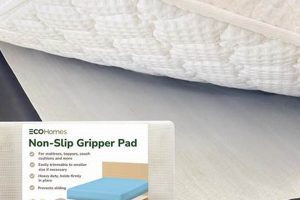
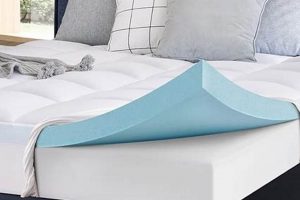
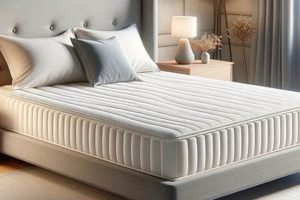
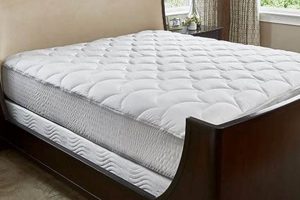
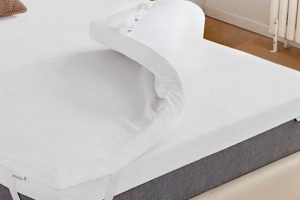
A bedding accessory designed to enhance the comfort and support of a mattress, these products are typically composed of a layer of natural rubber derived from the sap of rubber trees. Placed directly on top of the existing mattress, they offer an additional layer of cushioning and can modify the overall feel of the sleep surface. Examples include varying thicknesses and densities designed to provide a softer or firmer feel.
These mattress additions are valued for several reasons. Historically, the use of natural rubber in bedding products has been associated with improved pressure relief and spinal alignment. Furthermore, the inherent properties of the material contribute to enhanced breathability, promoting temperature regulation during sleep. This can be particularly beneficial for individuals who tend to overheat at night. Additionally, natural rubber is often cited for its durability and resilience compared to synthetic alternatives.
The subsequent sections will delve into the specific characteristics of these products, including the different types of natural rubber used in their construction, the range of firmness options available, and considerations for selecting the appropriate topper based on individual sleep preferences and needs. Durability, care instructions, and potential benefits related to health and well-being will also be explored.
Guidance on Selection and Use
The following guidance aims to assist in making informed decisions regarding the acquisition and utilization of this bedding enhancement.
Tip 1: Assess Mattress Condition: Prior to purchase, evaluate the state of the existing mattress. If the underlying mattress is significantly worn or sagging, a topper may offer limited improvement. Addressing the foundation is paramount before adding an overlay.
Tip 2: Consider Density: Density impacts firmness and support. Higher density generally equates to a firmer feel and greater durability. Lower density provides a softer, more plush surface. Choose based on preferred sleeping position and support requirements.
Tip 3: Evaluate Thickness: Thickness influences the degree of change to the mattress’s feel. A thinner profile offers subtle enhancement, while a thicker one provides more substantial alteration. Account for personal comfort preferences.
Tip 4: Inquire About Processing: Understand the processing methods used in the creation of the material. Dunlop and Talalay are two common processes, each resulting in distinct characteristics regarding density and breathability. Research these methods to determine the best fit.
Tip 5: Check for Certifications: Look for certifications such as Oeko-Tex or eco-INSTITUT. These certifications indicate that the product has been tested for harmful substances and meets certain environmental standards. These certifications can give a high degree of confidence regarding material purity.
Tip 6: Account for Weight Considerations: This type of mattress enhancement can be relatively heavy. Ensure the bed frame can adequately support the additional weight to prevent structural issues. Inadequate support can lead to premature wear and tear.
Tip 7: Allow Adequate Ventilation: This mattress addition benefits from proper ventilation. Use a breathable mattress protector to prevent moisture buildup and promote airflow. Consider using a slatted bed frame for optimal aeration.
Selecting the appropriate model necessitates careful evaluation of existing mattress conditions, density, thickness, processing methods, certifications, weight considerations, and ventilation strategies. Adhering to this guidance can optimize comfort and extend product lifespan.
The subsequent section will address proper care and maintenance procedures to maximize the longevity and performance of the chosen product.
1. Material Origin

The foundation of any bedding featuring natural rubber rests upon its origin: the rubber tree (Hevea brasiliensis). The sap, or latex, extracted from these trees constitutes the raw material. Geographical location, agricultural practices, and the age of the trees all influence the latex’s quality. For instance, latex harvested from mature trees in well-maintained plantations typically exhibits superior elasticity and durability compared to latex from younger or neglected trees. Improper tapping techniques can also compromise latex quality, leading to weakened structural integrity in the finished product.
The transformation from raw latex to a usable mattress topper material involves various processing methods. These methods, often categorized as Dunlop or Talalay, further impact the final product’s characteristics. Dunlop produces a denser, firmer core, while Talalay yields a more consistent, aerated structure. The origin of the raw latex dictates its suitability for these processes and influences the resulting topper’s properties. Contamination of the raw latex during harvesting or processing can introduce impurities, affecting durability, off-gassing potential, and even allergenic properties. An example is seen in regions with less stringent quality control, where adulteration of natural latex with synthetic fillers can occur, diminishing the expected performance benefits.
In summary, the origin of the natural rubber serves as the primary determinant of a product’s overall quality and performance. Sourcing from reputable plantations with sustainable harvesting practices and rigorous quality control is paramount. Transparency regarding the source and processing methods enables consumers to make informed choices and ensures the long-term durability and comfort benefits associated with these particular mattress enhancements.
2. Density Options
The density of natural rubber within these mattress enhancements is a critical determinant of its feel, support, and longevity. The term “density” refers to the mass of natural rubber per unit volume, typically measured in pounds per cubic foot (lbs/ft). Variations in density directly correlate with the firmness and responsiveness of the topper, influencing its suitability for different sleep preferences and body types.
- Low Density (2.5 – 4 lbs/ft)
Low-density options offer a plush, cushioning feel. They conform closely to the body, providing pressure relief, particularly beneficial for side sleepers. These toppers tend to be less supportive for heavier individuals or those who prefer sleeping on their stomach or back. An example includes a 3-inch topper with a density of 3 lbs/ft, designed to soften a firm mattress. The implication is reduced support for the spine in certain sleeping positions.
- Medium Density (4 – 5.5 lbs/ft)
Medium-density options provide a balance of comfort and support. They offer pressure relief while maintaining spinal alignment, suitable for a wide range of sle
epers. These toppers are more durable than low-density options and can accommodate a broader range of body weights. An example includes a 2-inch topper with a density of 4.5 lbs/ft, intended to add moderate cushioning to an existing mattress. The implication is increased versatility for various sleeping styles. - High Density (5.5 – 7 lbs/ft)
High-density options offer firm support, ideal for back and stomach sleepers. They resist compression and maintain spinal alignment, suitable for individuals who require more support. These toppers are the most durable but may not provide sufficient pressure relief for side sleepers. An example includes a 3-inch topper with a density of 6 lbs/ft, designed to provide a firm sleeping surface. The implication is a reduced level of conforming to the body.
- Zoned Density
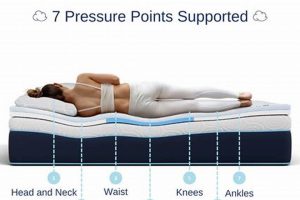
Some models incorporate varied density zones to provide targeted support and pressure relief. For example, a topper might feature a lower density in the shoulder and hip areas to accommodate side sleeping, combined with a higher density in the lumbar region for back support. This construction caters to combination sleepers seeking personalized comfort. These models represent an attempt to maximize individualized comfort.
In conclusion, the selection of a natural rubber mattress topper should carefully consider density, matching it with individual sleep preferences, body weight, and spinal support needs. Understanding the implications of different densities on comfort, support, and durability enables a more informed purchase decision and ultimately contributes to improved sleep quality. Neglecting this material property may lead to dissatisfaction.
3. Thickness Variation

The thickness of a bedding accessory composed of natural rubber directly impacts its performance characteristics. Greater thickness generally results in increased contouring and pressure relief, as the deeper layer of material can more readily conform to the body’s curves. Conversely, thinner options offer less significant contouring but may provide a subtle enhancement to the existing mattress’s feel. The selection of an appropriate thickness involves balancing the desired level of comfort modification with considerations for cost and potential alterations to the overall bed height. For example, a 1-inch topper will primarily influence surface feel, whereas a 3-inch topper can fundamentally alter the sleep experience.
Thickness also affects the level of support provided. While density is the primary factor determining support, increased thickness allows for a greater distribution of weight and a reduction in pressure points. Individuals experiencing pain or discomfort may benefit from thicker models, which can alleviate pressure on sensitive areas. However, excessively thick options may compromise proper spinal alignment, particularly if the underlying mattress is already soft or unsupportive. This demonstrates a need for discernment.
In summary, thickness variation is a critical factor to consider when evaluating the suitability of this type of bedding product. The effect of thickness is intertwined with material density. The optimal choice depends on individual preferences, sleeping position, and the condition of the existing mattress. Careful consideration of thickness, in conjunction with other factors, is essential to achieving the desired level of comfort and support, and this consideration is crucial for overall sleeping habits.
4. Durability Factors

The longevity of a bedding component is paramount in assessing its overall value. For items composed of natural rubber, several factors directly influence its lifespan and resistance to degradation. Understanding these elements is essential for consumers seeking a durable and long-lasting sleeping surface enhancement.
- Harvesting and Processing Methods
The methods used to harvest the raw latex and process it into a finished product significantly impact its durability. Sustainable harvesting practices minimize damage to the trees, ensuring a consistent supply of high-quality latex. Processing techniques, such as the Dunlop or Talalay methods, affect the material’s density and structural integrity. Dunlop typically results in a denser, more durable core, while Talalay offers a softer feel but may be more susceptible to degradation over time. Improper processing can introduce impurities or weaken the material’s cellular structure, leading to premature breakdown. Examples of this might be poor temperature controls during vulcanization or insufficient washing to remove residual compounds.
- Density and Composition
The density of the material, measured in pounds per cubic foot, correlates directly with its ability to withstand compression and maintain its shape over time. Higher density generally equates to greater durability. The presence of fillers or additives in the composition can also affect its resilience. While some additives may enhance certain properties, such as fire resistance, they can also compromise the material’s long-term durability if not carefully selected. For instance, excessive use of synthetic fillers can reduce the material’s elasticity and increase its susceptibility to cracking or crumbling.
- Exposure to Environmental Factors
Exposure to environmental factors, such as sunlight, heat, and humidity, can accelerate the degradation of natural rubber. Ultraviolet (UV) radiation from sunlight can break down the material’s polymer chains, causing it to become brittle and lose its elasticity. High temperatures can also accelerate oxidation and promote the growth of mold or mildew. Proper ventilation and protection from direct sunlight are essential for preserving the material’s integrity. Examples would be direct sunlight through a window, or a non-breathable mattress cover trapping moisture and heat.
- Usage Patterns and Maintenance
The way a sleeping surface addition is used and maintained directly affects its lifespan. Excessive weight or uneven distribution of weight can place undue stress on certain areas, leading to localized compression or deformation. Proper rotation and flipping (if applicable) can help to distribute wear evenly. Regular cleaning and maintenance, such as vacuuming or spot cleaning, can prevent the accumulation of dust, dirt, and allergens, which can contribute to material degradation. For example, neglecting to clean spills can lead to staining, and even mold growth in some cases.
The interplay of these factors determines the overall durability of products using natural rubber. Understanding their influence enables consumers to make informed choices and implement proper care practices to maximize the lifespan of their bedding investment. Neglecting these factors can lead to premature degradation and diminished performance, thus influencing the user’s purchase satisfaction. Careful scrutiny and proper care are required for the greatest value.
5. Support Level
The support level offered by a sleeping surface enhancement composed of natural rubber is a critical determinant of its efficacy in promoting proper spinal al
ignment and pressure relief. Support, in this context, refers to the material’s ability to resist compression and maintain a consistent surface, preventing excessive sinking or sagging. The degree of support directly influences the sleeper’s posture and can mitigate or exacerbate existing musculoskeletal conditions. An inadequate support level can lead to spinal misalignment, resulting in back pain, neck pain, and generalized discomfort. Conversely, appropriate support promotes a neutral spinal position, reducing stress on joints and muscles.
The support level of a natural rubber addition is primarily governed by its density and thickness. Higher density translates to increased resistance to compression, resulting in a firmer and more supportive surface. Greater thickness provides additional material to distribute weight and reduce pressure points. The combination of density and thickness determines the overall support profile. For instance, a thin, low-density topper will offer minimal support and is primarily intended for enhancing surface comfort. In contrast, a thick, high-density topper will provide significant support, making it suitable for individuals requiring firm spinal stabilization. An example of the practical significance is its selection of appropriate model for people suffering from scoliosis. It can alleviate the pain by offering firm support. This would result in reduced pain. Therefore, density, and thickness determine the suitable option.
In summary, the support level is a fundamental characteristic of any sleeping accessory, and its proper selection is crucial for optimizing sleep quality and mitigating musculoskeletal issues. The interrelation between density, thickness, and the individual’s specific needs determines the effectiveness of a natural rubber component in providing adequate support. Prioritizing this aspect ensures proper spinal alignment and minimizes the risk of discomfort and pain. Failure to address this key factor can diminish the potential benefits, and it can be avoided with proper selection.
6. Breathability

The capacity for air circulation within a sleeping surface directly impacts sleep quality and thermal regulation. This capacity, termed breathability, is a significant factor in the selection of bedding components. In the context of enhancements made from natural rubber, breathability arises from the material’s inherent open-cell structure, a characteristic that facilitates the passage of air and moisture. This contrasts with closed-cell foam alternatives, which tend to trap heat and restrict airflow. The open-cell structure allows heat generated by the body during sleep to dissipate, preventing the buildup of uncomfortable temperatures. For instance, an individual residing in a humid climate may find that bedding with limited breathability leads to overheating and disrupted sleep, whereas a breathable material such as natural rubber can mitigate these issues. A real-life example is sleeping hot during summer months when there is no air-conditioning.
The manufacturing process also influences the breathability. Processes like Talalay, which involve vacuum-sealing and flash-freezing, result in a more uniform and open-cell structure compared to the Dunlop process. This difference translates to enhanced breathability in Talalay processed materials. However, the overall breathability can be compromised by factors such as the addition of synthetic fillers or the use of non-breathable covers. Therefore, the selection of materials used in conjunction with the natural rubber bedding component is crucial for maintaining optimal airflow. The consequence is poor circulation or material degradation from moisture buildup.
In summary, breathability is an essential attribute in bedding accessories, particularly those composed of natural rubber. The open-cell structure facilitates heat dissipation and moisture evaporation, contributing to a more comfortable sleep environment. However, the degree of breathability is contingent upon the manufacturing process, the composition of the material, and the selection of complementary bedding components. Understanding these factors is essential for consumers seeking to optimize thermal regulation and enhance sleep quality. Neglecting breathability during material selection can result in a less comfortable and potentially disruptive sleep experience, especially for individuals prone to overheating or residing in warm climates.
Frequently Asked Questions
The following questions address common inquiries and concerns regarding natural rubber additions designed to enhance mattress comfort and support. These responses aim to provide clarity and inform decision-making regarding this product category.
Question 1: What distinguishes natural from synthetic materials in such products?
Natural material is derived from the sap of rubber trees (Hevea brasiliensis), while synthetic materials are petroleum-based polymers. Natural material possesses inherently superior elasticity, breathability, and durability compared to synthetic alternatives. Furthermore, natural material is often considered a more environmentally sustainable choice.
Question 2: Is off-gassing a concern with sleeping surface enhancements of this material?
Off-gassing refers to the release of volatile organic compounds (VOCs) from a material. Natural materials generally exhibit lower levels of off-gassing compared to synthetic options. However, off-gassing can still occur, particularly if the manufacturing process involves chemical additives. Certifications such as Oeko-Tex Standard 100 indicate that the product has been tested for harmful substances and VOC emissions.
Question 3: How does density impact the performance of the enhancement?
Density, measured in pounds per cubic foot, directly influences the firmness and support level. Higher density results in a firmer surface that resists compression, while lower density provides a softer, more cushioning feel. The optimal density depends on individual sleep preferences, body weight, and spinal support needs.
Question 4: Are these products hypoallergenic?
Natural rubber itself can be allergenic for individuals with sensitivities. However, the processing methods employed in manufacturing can reduce the allergenic potential. Thorough washing and vulcanization processes minimize the presence of allergenic proteins. Individuals with known sensitivities should seek out products specifically labeled as hypoallergenic and consider using a protective cover.
Question 5: What is the expected lifespan of this mattress enhancement?
The lifespan depends on factors such as material quality, density, usage patterns, and maintenance practices. High-quality enhancements with proper care can last for several years. Factors such as excessive weight, exposure to sunlight, and improper cleaning can shorten the lifespan. Rotation and flipping (if applicable) can promote even wear.
Question 6: How should a topper of this material be cleaned and maintained?
Spot cleaning with a mild detergent and water is generally recommended. Avoid harsh chemicals or abrasive cleaners. Allow the material to air dry thoroughly before replacing bedding. Protective covers can prevent staining and reduce the need for frequent cleaning. Vacuuming can help remove dust and allergens.
In summary, understanding the characteristics, potential allergens, and proper maintenance procedures associated with the product is essential for maximizing its benefits and longevity.
The subsequent section wil
l provide guidance on the optimal integration of the material into a comprehensive sleep system, including considerations for mattress selection and bedding choices.
Conclusion
This exploration has detailed the composition, characteristics, and considerations pertinent to the selection and utilization of the natural latex mattress topper. From material origin and density options to durability factors and breathability, these elements collectively define the performance and suitability of this bedding accessory. Informed decision-making requires a comprehensive understanding of these attributes and their interrelationships.
The efficacy of a natural latex mattress topper hinges on aligning its properties with individual sleep needs and preferences. While this bedding enhancement offers potential benefits in terms of comfort, support, and thermal regulation, its successful integration into a sleep system demands careful consideration and ongoing maintenance. The long-term advantages are contingent upon diligent adherence to established guidelines and a commitment to preserving the integrity of this sleep surface component.