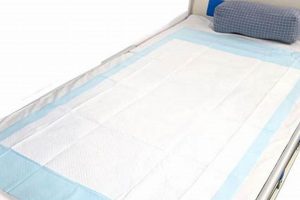
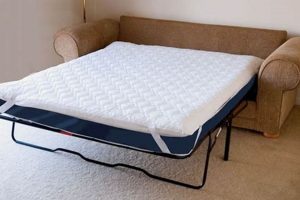
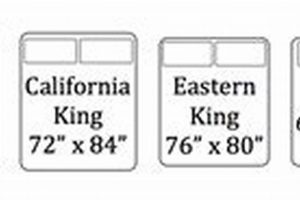
These products are designed to prevent a mattress from sliding on a bed frame or foundation. They typically consist of a layer of material, often textured or coated with a gripping substance, placed between the mattress and the supporting surface. For example, a pad with a rubberized backing can effectively inhibit movement.
Their usage contributes to a more stable and secure sleeping environment. This stability reduces wear and tear on both the mattress and the foundation, potentially prolonging their lifespan. Historically, makeshift solutions like carpets or towels were used, but modern iterations offer specialized grip and conform to mattress dimensions.
The following sections will further explore the different types available, factors to consider when purchasing, and proper maintenance techniques.
Tips for Selecting and Utilizing Non-Skid Mattress Solutions
Maximizing the effectiveness and longevity of these products requires careful consideration during selection and proper implementation during use.
Tip 1: Assess Bed Frame Compatibility: Before purchasing, measure the dimensions of both the mattress and the bed frame. Confirm the pad’s size corresponds to ensure full coverage and prevent slippage at uncovered edges.
Tip 2: Consider Material Composition: Investigate the materials used in the pad’s construction. Opt for breathable fabrics that minimize heat retention, preventing potential discomfort during sleep. Rubber, silicone, or felt are common materials for the non-skid surface.
Tip 3: Evaluate Grip Strength: Determine the required level of grip based on the mattress type and foundation material. Heavier mattresses on slick surfaces may require pads with stronger adhesive properties or more aggressive textures.
Tip 4: Prioritize Washability: Select a pad that is machine washable for easy cleaning and maintenance. Regular washing prevents the buildup of dust mites, allergens, and odors, promoting a hygienic sleeping environment.
Tip 5: Inspect for Durability: Scrutinize the pad’s construction quality, paying attention to seam strength and material resilience. A durable pad will withstand repeated use and laundering without losing its non-skid properties.
Tip 6: Follow Manufacturer’s Instructions: Adhere strictly to the manufacturers guidelines regarding installation, care, and cleaning. Deviating from these recommendations may reduce the pads effectiveness or shorten its lifespan.
Tip 7: Implement Proper Placement: Ensure the pad is placed correctly between the mattress and the foundation, with the non-skid surface facing the foundation. Avoid folding or bunching the pad, as this can compromise its functionality.
By adhering to these guidelines, individuals can ensure the selected product offers optimal stability, hygiene, and longevity.
The subsequent sections will delve into specific product reviews and address frequently asked questions about their usage and maintenance.
1. Material Composition

Material composition is a primary determinant of a stabilizer’s functionality and longevity. The specific materials used directly influence the product’s grip strength, breathability, durability, and overall suitability for various mattress types and foundation surfaces.
- Grip Enhancement Materials
Materials used to create the non-skid surface are crucial for preventing slippage. Common choices include rubber, silicone, PVC, and textured polymers. Rubber and silicone offer high friction coefficients, effectively adhering to both the mattress and the bed frame. Textured polymers provide a more subtle grip, suitable for lighter mattresses or smoother surfaces. The selection of grip-enhancing materials impacts the pad’s ability to maintain mattress stability.
- Base Layer Materials
The base layer provides support and cushioning, and its material composition contributes to overall comfort and breathability. Common materials include felt, cotton, polyester, and blends thereof. Breathable materials like cotton or open-weave polyester help dissipate heat, preventing moisture buildup and promoting a more comfortable sleep environment. The base layer material also influences the pad’s ability to conform to the contours of the mattress and bed frame.
- Adhesive Properties (If Applicable)
Some stabilizers incorporate adhesives to enhance their grip. The type and quality of adhesive used are critical. Pressure-sensitive adhesives (PSAs) are commonly employed, allowing for easy application and removal without leaving residue. The adhesive must be durable enough to withstand repeated movement and weight without losing its tack. The chemical composition of the adhesive must also be considered to ensure it does not off-gas or react negatively with the mattress or bed frame materials.
- Flammability and Safety Standards
The materials used in stabilizers must adhere to relevant flammability and safety standards. Regulations such as California’s Proposition 65 restrict the use of certain chemicals and materials. Flame-retardant treatments may be applied to improve fire safety. The absence of harmful chemicals and compliance with safety regulations are essential considerations for consumer health and well-being.
The interplay between these material facets determines a stabilizer’s overall performance. The selection process should prioritize materials that offer the optimal balance of grip, breathability, durability, and safety, ensuring a secure and comfortable sleeping experience. For instance, a high-density memory foam mattress may require a pad with a robust rubberized grip and a breathable cotton base layer to prevent overheating and slippage.
2. Grip Strength

Grip strength, in the context of stabilizers for mattresses, directly correlates to the ability of the product to inhibit unwanted mattress movement. Insufficient grip strength renders the product ineffective, failing to prevent sliding and compromising sleep quality. A primary cause of inadequate grip strength stems from incompatible material pairings between the mattress and bed frame. For example, a smooth mattress surface placed on a polished metal frame requires a stabilizer with a significantly higher coefficient of friction than a similar mattress on a carpeted surface. The importance of grip strength is underscored by its direct impact on mattress stability and the prevention of potential physical injury. A mattress that shifts unexpectedly can lead to falls or disruptions to sleep, particularly for individuals with mobility limitations or pre-existing medical conditions.
The measurable effectiveness of grip strength is often evaluated using standardized testing methods. These tests assess the force required to initiate slippage under controlled conditions. Manufacturers typi
cally specify the maximum load or weight capacity of their stabilizers, providing consumers with a quantifiable measure of expected performance. In practical applications, grip strength is further influenced by factors such as mattress weight, user movement during sleep, and the cleanliness of the contact surfaces. The accumulation of dust or debris can reduce the effectiveness of the gripping material, necessitating regular cleaning to maintain optimal performance. Selection of a pad that greatly exceeds these conditions, can ensure long term effectiveness.
In summary, grip strength is a critical attribute in the performance of mattress stabilizers. Insufficient grip can lead to instability and potential safety hazards. Understanding the factors that influence grip strength, including material composition, load capacity, and environmental conditions, is essential for informed product selection and proper usage. Continuing research into improved grip technologies and standardized testing protocols is necessary to ensure that these products effectively meet the diverse needs of consumers.
3. Size Compatibility

Size compatibility is a fundamental consideration in the selection and utilization of stabilizers for mattresses. A mismatch between the dimensions of the mattress and the stabilizer directly undermines the product’s intended function of preventing slippage. If the stabilizer is too small, it leaves portions of the mattress unsupported, creating leverage points that facilitate movement. Conversely, an excessively large stabilizer may bunch or fold, reducing its contact area with both the mattress and the bed frame, thereby diminishing its grip effectiveness. For instance, a twin-size stabilizer used on a queen-size mattress will offer minimal resistance to sliding, rendering it functionally useless. This incompatibility can lead to premature wear on the mattress and potential damage to the bed frame due to the increased friction and shifting.
The practical implications of size incompatibility extend beyond mere inconvenience. An unstable mattress poses a safety hazard, increasing the risk of falls, particularly for elderly individuals or those with mobility impairments. Furthermore, the constant movement of a poorly supported mattress can disrupt sleep, leading to fatigue and diminished overall well-being. Proper sizing ensures that the stabilizer provides uniform support across the entire mattress surface, maximizing its contact area and preventing localized pressure points that could contribute to uneven wear. In commercial settings, such as hotels or hospitals, ensuring size compatibility is crucial for maintaining a safe and comfortable environment for guests and patients, reducing the liability associated with potential injuries caused by unstable bedding.
In conclusion, size compatibility is not merely a trivial detail but a critical parameter that directly affects the performance and safety of stabilizers for mattresses. Failing to account for precise dimensional matching can negate the benefits of the product, leading to instability, premature wear, and potential safety hazards. A thorough understanding of size compatibility principles is therefore essential for informed product selection and responsible usage, contributing to a stable and comfortable sleeping environment.
4. Washability
Washability represents a critical attribute of stabilizers for mattresses, directly influencing hygiene and longevity. The accumulation of dust mites, allergens, bodily fluids, and other contaminants within a stabilizer significantly degrades its performance and poses potential health risks. A non-washable product, therefore, becomes a breeding ground for microorganisms, leading to unpleasant odors and triggering allergic reactions in susceptible individuals. For example, a stabilizer that absorbs perspiration and is not regularly cleaned can quickly develop a musty odor and harbor mold growth, compromising air quality and potentially exacerbating respiratory conditions. This underscores the importance of washability as an integral component of effective mattress stabilization, contributing to a healthier sleep environment.
The practical significance of washability extends beyond mere hygiene. Frequent laundering helps to maintain the stabilizer’s non-skid properties by removing debris that can interfere with its grip. Dirt and grime can reduce the friction coefficient of the gripping material, diminishing its ability to prevent mattress slippage. A washable stabilizer allows for the periodic removal of these contaminants, preserving its functionality and extending its lifespan. Furthermore, the cleaning process itself can rejuvenate the material, restoring some of its original elasticity and resilience. Specific cleaning protocols, such as using mild detergents and avoiding harsh chemicals, are essential for preserving the integrity of the stabilizer’s materials and preventing damage to its non-skid surface.
In summary, washability is a paramount feature of mattress stabilizers, ensuring both hygiene and sustained performance. The ability to regularly clean these products prevents the buildup of allergens and maintains the integrity of the gripping material, contributing to a healthier and more secure sleeping environment. Recognizing the importance of washability and adhering to proper cleaning practices are essential for maximizing the benefits and lifespan of these products, addressing potential health challenges and contributing to overall well-being.
5. Durability
Durability, in the context of stabilizers for mattresses, signifies the product’s capacity to maintain its intended functionality and structural integrity over an extended period of use. It directly influences the product’s overall value proposition, affecting both cost-effectiveness and sustained performance in preventing mattress slippage.
- Material Resistance to Degradation
The inherent resistance of the materials composing the pad to physical and chemical degradation is paramount. Fabrics must withstand repeated compression, abrasion, and laundering without losing structural integrity or exhibiting significant wear. The non-skid coating or surface must retain its frictional properties despite exposure to body oils, sweat, and cleaning agents. For instance, a pad constructed with low-grade rubber may become brittle and crack over time, losing its grip, while a pad utilizing high-density polymers will maintain its effectiveness for a longer duration. This material resistance determines the lifespan of the product and its ability to consistently perform its intended function.
- Construction Integrity and Seam Strength
The manner in which the various components of the pad are assembled is critical for durability. Seams and bonding agents must withstand the stresses associated with mattress weight, movement, and cleaning cycles. Weak seams are prone to tearing, leading to delamination of the pad and a reduction in its overall effectiveness. Reinforced stitching, high-quality adhesives, and robust construction techniques contribute significantly to the pad’s ability to endure prolonged use without structural failure. The integrity of the construction directly affects the pad’s ability to distribute weight evenly and ma
intain its shape, preventing localized wear and tear. - Resistance to Compression Set
Compression set refers to the permanent deformation of a material under sustained pressure. Pads that exhibit a high degree of compression set will lose their thickness and cushioning properties over time, reducing their ability to conform to the contours of the mattress and bed frame. This loss of conformity can compromise the pad’s grip and overall effectiveness. Materials with high resilience and low compression set, such as high-density foams or engineered fabrics, are preferred for stabilizers due to their ability to maintain their shape and functionality despite prolonged use. The resistance to compression set directly impacts the pad’s ability to provide consistent support and prevent mattress movement.
- Performance Under Repeated Stress Cycles
The ability of the pad to withstand repeated stress cycles, such as the constant shifting and movement of a mattress during sleep, is a crucial indicator of durability. Materials that are prone to fatigue or degradation under cyclic loading will exhibit a reduced lifespan and diminished performance. Testing protocols that simulate real-world usage conditions, such as repeated compression and shear forces, can provide valuable insights into the pad’s ability to withstand these stresses without significant degradation. The performance under repeated stress cycles determines the pad’s ability to maintain its grip and structural integrity over the long term, ensuring consistent performance in preventing mattress slippage.
These facets of durability, encompassing material resistance, construction integrity, compression set, and performance under stress, are interconnected and collectively determine the lifespan and effectiveness of mattress stabilizers. A product that excels in all these areas will provide sustained performance, offering long-term value and ensuring a stable and secure sleeping environment.
Frequently Asked Questions
The following section addresses common inquiries regarding the utilization and maintenance of stabilizers for mattresses.
Question 1: What constitutes appropriate cleaning procedures for stabilizers?
Cleaning protocols vary depending on the composition of the product. Machine-washable variants should be laundered according to the manufacturer’s instructions, typically using a mild detergent and a gentle cycle. For non-machine-washable pads, spot cleaning with a damp cloth and mild soap is recommended. Harsh chemicals and abrasive cleaners should be avoided, as they can damage the materials and diminish the product’s non-skid properties. Thorough drying is essential to prevent mold growth and maintain hygiene.
Question 2: How does one ascertain the correct size of stabilizer for a particular mattress?
The dimensions of the stabilizer should precisely match the dimensions of the mattress. Overhang or undersizing compromises the product’s functionality. Manufacturers typically provide size charts indicating compatibility with standard mattress sizes (twin, full, queen, king, etc.). Measuring the mattress dimensions prior to purchase is advisable to ensure accurate selection.
Question 3: What materials are deemed most effective for providing non-skid properties?
Rubber, silicone, and textured polymers are commonly employed for their high coefficients of friction. The selection depends on the mattress type and the surface of the bed frame or foundation. Heavier mattresses on smooth surfaces necessitate materials with superior grip. The durability and resistance to wear of the material are also critical factors.
Question 4: Is there a risk of stabilizers damaging the mattress or bed frame?
Damage is unlikely if the stabilizer is properly sized and constructed from non-abrasive materials. However, stabilizers with aggressive adhesive properties may leave residue upon removal. Prior to use, it is prudent to test the stabilizer on an inconspicuous area of the mattress or bed frame to assess for potential adverse reactions.
Question 5: How frequently should stabilizers be replaced?
The replacement frequency depends on the quality of the product and the intensity of usage. Signs of wear, such as tearing, loss of grip, or compression set, indicate the need for replacement. Regular inspection is recommended to identify these issues. Under normal usage conditions, a high-quality stabilizer can last for several years.
Question 6: Do stabilizers affect mattress breathability or contribute to overheating?
Stabilizers constructed from non-breathable materials can impede airflow and potentially contribute to overheating. Selecting pads with breathable fabrics, such as cotton or open-weave polyester, mitigates this issue. Maintaining adequate ventilation in the bedroom and avoiding overly thick or dense stabilizers can also improve airflow.
Proper selection and maintenance contribute significantly to the longevity and effectiveness of stabilizer products.
The subsequent section delves into specific product recommendations and reviews, providing further guidance for informed purchasing decisions.
Non-Skid Mattress Pads
This exploration has underscored the critical function of non-skid mattress pads in ensuring mattress stability, promoting hygiene, and extending the lifespan of both mattresses and bed frames. The selection criteria discussed, encompassing material composition, grip strength, size compatibility, washability, and durability, highlight the nuanced considerations necessary for informed consumer choices.
Ultimately, the effective implementation of non-skid mattress pads represents a proactive investment in sleep quality and safety. Further advancements in material science and design will likely lead to even more effective and sustainable solutions, further solidifying their place as an essential component of modern bedding systems. Continued research and adherence to best practices remain crucial for optimizing their utility and minimizing potential risks.
![Best Camping Cot Mattress Pad: [Year] Comfort Guide! | Organic & Natural Mattress Buyer’s Guide: Non-Toxic Sleep Solutions](https://mattressworldpa.com/wp-content/uploads/2025/07/th-4807-300x200.jpg "Best Camping Cot Mattress Pad: [Year] Comfort Guide! Organic & Natural Mattress Buyer’s Guide: Non-Toxic Sleep Solutions")
![Enhance Sleep: Best Bamboo Mattress Pad [Comfort & Value] | Organic & Natural Mattress Buyer’s Guide: Non-Toxic Sleep Solutions](https://mattressworldpa.com/wp-content/uploads/2025/07/th-4805-300x200.jpg "Enhance Sleep: Best Bamboo Mattress Pad [Comfort & Value] Organic & Natural Mattress Buyer’s Guide: Non-Toxic Sleep Solutions")