Sleeping surfaces inflated with air, intended for temporary or recreational use, are often manufactured using materials that may contain volatile organic compounds (VOCs) or phthalates. These chemicals can off-gas, potentially affecting indoor air quality and raising concerns for individuals with sensitivities. Safer alternatives utilize materials like natural rubber, organic cotton, or thermoplastic polyurethane (TPU) that are certified to have low or no VOC emissions. These alternatives aim to reduce the potential for chemical exposure during use.
Choosing sleeping solutions constructed with reduced chemical content provides multiple advantages. It minimizes the risk of inhaling potentially harmful substances, thereby promoting healthier indoor environments, particularly crucial for children, pregnant women, and individuals with respiratory conditions. The sourcing of these materials often aligns with environmentally conscious practices, supporting sustainable production and reduced reliance on petroleum-based products. Historically, the focus on minimizing synthetic chemical exposure in consumer goods has grown, driving demand for products manufactured with safer materials and transparent manufacturing processes.
The following sections will delve into specific materials used in manufacturing safer inflatable beds, explore certifications that verify low-emission claims, examine maintenance practices to prolong the lifespan of these products, and provide considerations for disposal and recycling to minimize environmental impact.
Guidance for Selecting an Air Mattress with Reduced Chemical Exposure
The following recommendations are designed to assist in making informed choices when selecting inflatable mattresses manufactured with materials intended to minimize chemical emissions and potential health impacts.
Tip 1: Material Composition Assessment: Scrutinize the listed materials. Look for mattresses utilizing natural rubber, organic cotton, or TPU, which generally exhibit lower VOC emissions compared to PVC. Verify the absence of phthalates in the product description.
Tip 2: Certification Verification: Seek certifications from reputable organizations such as GREENGUARD Gold, OEKO-TEX Standard 100, or CertiPUR-US. These certifications indicate the product has been tested for and meets stringent chemical emissions standards.
Tip 3: Off-Gassing Period: Upon initial inflation, allow the mattress to air out in a well-ventilated area for a minimum of 24 to 48 hours. This process facilitates the dissipation of any residual VOCs present in the materials.
Tip 4: Odor Evaluation: Prior to use, carefully assess the mattress for strong or lingering chemical odors. Persistent strong odors may indicate higher VOC content or the presence of undesirable chemicals. Consider returning the product if unacceptable odors are detected.
Tip 5: Reviews and Research: Conduct thorough research by consulting online reviews and independent product tests. User experiences can provide valuable insights into the long-term performance and potential issues associated with specific models.
Tip 6: Consider Breathable Covers: Use a breathable mattress cover, such as one made from organic cotton or wool, to create a barrier between the sleeping surface and the individual. This helps to reduce direct contact with the mattress material.
Tip 7: Manufacturer Transparency: Prioritize manufacturers who openly disclose the materials used in their products and provide detailed information regarding their manufacturing processes and chemical testing results.
Selecting an air mattress manufactured with reduced chemical content necessitates careful consideration of materials, certifications, and user experiences. Prioritizing these factors can contribute to a healthier sleep environment.
The subsequent section will address maintenance procedures aimed at preserving the integrity and extending the lifespan of the selected product.
1. Material Composition

The selection of materials is a primary determinant of the potential for a sleeping surface to be categorized as designed for reduced chemical exposure. Material choices directly influence the release of volatile organic compounds (VOCs) and other substances that can impact indoor air quality and human health.
- Natural Rubber Sourcing
Natural rubber, derived from the sap of rubber trees, presents an alternative to synthetic materials. The cultivation and processing methods significantly affect its overall toxicity profile. Sustainably sourced natural rubber, processed without harsh chemicals, minimizes the presence of harmful residues and reduces the potential for off-gassing compared to conventionally produced natural rubber.
- Organic Cotton Usage
Organic cotton, grown without synthetic pesticides and fertilizers, reduces the risk of chemical contamination in the finished product. When used in mattress covers or internal components, organic cotton limits direct skin contact with potentially allergenic or irritating substances often found in conventionally grown cotton. The absence of chemical treatments during cultivation and processing enhances the overall biocompatibility.
- Thermoplastic Polyurethane (TPU) Selection
Thermoplastic polyurethane (TPU) offers a durable and flexible alternative to polyvinyl chloride (PVC). Certain TPU formulations can be manufactured without phthalates, plasticizers known to disrupt endocrine function. Selecting TPU grades with low VOC emissions is crucial for minimizing indoor air pollution. Furthermore, bio-based TPU, derived from renewable resources, offers a reduced environmental footprint.
- Avoidance of PVC and Phthalates
Polyvinyl chloride (PVC) and phthalates are frequently employed in conventional inflatable beds to enhance flexibility and durability. However, PVC production releases harmful dioxins into the environment, and phthalates are known endocrine disruptors. Therefore, the absence of PVC and phthalates is a key characteristic of inflatable beds that minimize chemical exposure. Alternative materials, such as TPU or rubberized cotton, are utilized in their place.
The careful consideration and selection of materials fundamentally define the characteristics of an inflatable sleeping surface designed for reduced chemical exposure. The choice of natural and organic materials, coupled with the avoidance of potentially harmful chemicals, contribute significantly to a healthier sleep environment and a smaller environmental impact.
2. Certification Standards

Certification standards play a critical role in verifying claims related to reduced chemical content in inflatable sleeping surfaces. These standards provide an objective framework for evaluating product emi
ssions and material composition, enabling consumers to make informed purchasing decisions.
- GREENGUARD Gold Certification
GREENGUARD Gold certification signifies that a product has undergone rigorous testing for chemical emissions, including volatile organic compounds (VOCs), phthalates, and other potentially harmful substances. This certification ensures that the product meets stringent emission limits, contributing to improved indoor air quality and reduced chemical exposure. Products bearing the GREENGUARD Gold label are frequently used in sensitive environments such as schools and healthcare facilities, highlighting their low-emission characteristics.
- OEKO-TEX Standard 100 Certification
The OEKO-TEX Standard 100 certification assesses textiles and components for harmful substances, including pesticides, heavy metals, and allergenic dyes. This certification verifies that the materials used in the construction of the inflatable sleeping surface have been tested and meet specified limits for these substances. While not exclusively focused on VOC emissions, OEKO-TEX Standard 100 provides assurance regarding the overall chemical safety of the textile components.
- CertiPUR-US Certification
CertiPUR-US certification applies to flexible polyurethane foam and verifies that it has been tested for and meets specific standards for content, emissions, and durability. Certified foam is made without ozone depleters, certain flame retardants, heavy metals, formaldehyde, and phthalates. While not directly applicable to all components of an inflatable sleeping surface, CertiPUR-US certification is relevant when foam is used in the construction of internal support structures or cushioning layers.
- Third-Party Verification
Beyond specific certifications, independent third-party testing and verification can provide additional assurance regarding the chemical safety of inflatable sleeping surfaces. Organizations specializing in product testing and certification conduct comprehensive evaluations of material composition and emissions, providing unbiased assessments of product performance. These assessments enhance transparency and credibility, enabling consumers to differentiate between products with substantiated claims and those without.
The integration of certification standards and third-party verification mechanisms contributes to a more reliable and transparent market for inflatable sleeping surfaces designed to minimize chemical exposure. Adherence to these standards provides consumers with a valuable tool for selecting products that align with their health and environmental concerns.
3. VOC Emission Levels

Volatile Organic Compound (VOC) emission levels are a crucial metric in determining the suitability of an inflatable sleeping surface for individuals seeking reduced chemical exposure. These compounds, released from various materials, can impact indoor air quality and potentially affect health. Consequently, understanding and minimizing VOC emissions are paramount in the context of inflatable beds designed to minimize chemical exposure.
- Material Composition Influence on VOCs
The types of materials used in manufacturing inflatable beds directly influence the quantity and type of VOCs emitted. Polyvinyl chloride (PVC), a common material, often releases VOCs such as vinyl chloride and phthalates. Alternatives like thermoplastic polyurethane (TPU) or natural rubber, when processed with reduced chemical inputs, generally exhibit lower VOC emissions. For example, a TPU mattress certified to GREENGUARD standards demonstrates significantly lower VOC emissions compared to a standard PVC model.
- Impact of Manufacturing Processes
The processes employed during the manufacturing of inflatable beds can also affect VOC emission levels. The use of adhesives, solvents, and other chemical treatments can contribute to residual VOCs in the finished product. Manufacturers committed to reduced chemical exposure often utilize water-based adhesives or implement processes that minimize the use of solvents. Proper curing and ventilation during production can further reduce VOC off-gassing.
- Certification and Testing Protocols
Established certification programs, such as GREENGUARD and OEKO-TEX, provide standardized testing protocols for assessing VOC emission levels in consumer products. These certifications require manufacturers to submit their products for independent testing, verifying compliance with defined emission limits. Products that meet these standards are considered to have low VOC emissions and are deemed suitable for individuals seeking to minimize chemical exposure. Compliance with these certifications is crucial.
- Long-Term Off-Gassing Considerations
VOC emissions from inflatable beds are not limited to the initial period after manufacturing; off-gassing can continue over time, albeit at a decreasing rate. The rate and duration of off-gassing depend on the materials used and environmental factors such as temperature and humidity. Consumers seeking sleeping surfaces that minimize chemical exposure should consider the long-term VOC emission characteristics of the selected product and ensure adequate ventilation in the sleeping area.
The interplay between material selection, manufacturing processes, and independent certification directly determines the VOC emission profile of an inflatable sleeping surface. By prioritizing products with demonstrably low VOC emission levels, consumers can mitigate potential health impacts and create a healthier indoor environment. Careful attention to these factors is integral when selecting an inflatable sleeping surface designed to minimize chemical exposure.
4. Manufacturing Transparency
Manufacturing transparency represents a critical element in the procurement of inflatable sleeping surfaces designed for reduced chemical exposure. Detailed knowledge of the production processes and material sourcing enables consumers to make informed decisions aligned with their health and environmental concerns. Without transparency, claims of reduced toxicity lack verifiable support.
- Material Sourcing Disclosure
Disclosure of material sources is essential for evaluating the overall environmental and health impact of an inflatable mattress. Transparency regarding the origin of raw materials, such as natural rubber or organic cotton, allows for assessment of sustainable harvesting practices and the potential for exposure to pesticides or other contaminants during cultivation and processing. For example, manufacturers might disclose whether natural rubber is sourced from sustainably managed forests, or if cotton is certified organic, guaranteeing it was grown without synthetic pesticides. Lack of this information hinders informed purchasing decisions.
- Chemical Usage Documentation
Comprehensive documentation of chemical substances employed throughout the manufacturing process allows for the assessment of potential residual chemical exposure. A transparent manufacturer will provide a complete list of chemicals used in the production of the inflatable mattress, including those used in adhesives, coatings, and cleaning agents. This information enables consumers to identify and avoid
products containing potentially harmful substances such as phthalates, flame retardants, or volatile organic compounds (VOCs). Explicitly stating all chemicals used and their concentrations builds trust. - Production Process Visibility
Visibility into the production process itself can provide insights into quality control measures and the potential for contamination. Transparent manufacturers may offer tours of their facilities or provide detailed descriptions of their production processes, including measures taken to minimize chemical exposure and ensure product purity. This could involve outlining the steps taken to prevent cross-contamination between different materials or detailing the ventilation systems used to remove VOCs during manufacturing. This demonstrates a commitment to quality and safety.
- Third-Party Certifications and Audits
Independent third-party certifications and audits validate a manufacturer’s claims regarding manufacturing transparency and product safety. Certifications such as GREENGUARD or OEKO-TEX require manufacturers to undergo rigorous testing and inspection to demonstrate compliance with established standards for chemical emissions and material content. These certifications provide an independent verification of the manufacturer’s claims and offer consumers increased confidence in the safety of the inflatable mattress. Publishing audit results and certification documentation is vital.
The degree of manufacturing transparency directly impacts the consumer’s ability to assess the true potential for reduced chemical exposure in an inflatable sleeping surface. By prioritizing manufacturers who openly disclose material sources, chemical usage, production processes, and third-party certifications, consumers can make informed choices that align with their health and environmental values, thereby increasing the likelihood of selecting a genuinely safer and more sustainable inflatable sleeping surface.
5. Long-Term Durability

The long-term durability of an inflatable sleeping surface directly correlates with its sustained capacity to minimize chemical exposure. Degradation or failure of the materials comprising an inflatable bed can lead to increased off-gassing of volatile organic compounds (VOCs) or the release of particulate matter, thereby compromising its intended function of providing a safer sleep environment. Therefore, the longevity of the product is an integral factor in assessing its overall value proposition.
- Material Degradation and Chemical Release
The gradual breakdown of materials, particularly polymers such as thermoplastic polyurethane (TPU) or natural rubber, can result in the release of previously bound chemicals. Exposure to ultraviolet (UV) radiation, temperature fluctuations, and repeated inflation/deflation cycles accelerate this degradation process. For instance, prolonged exposure to sunlight can cause TPU to become brittle and release plasticizers, negating the benefits of initially selecting a material with low VOC emissions. Selecting materials inherently resistant to degradation is paramount in ensuring sustained minimization of chemical exposure.
- Seam Integrity and Air Retention
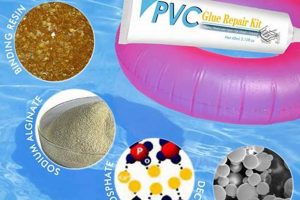
The integrity of seams and valves is critical for maintaining air retention and preventing material stress. Leaks not only compromise the comfort and support of the sleeping surface but also necessitate more frequent inflation, increasing the mechanical stress on the materials and accelerating degradation. Furthermore, attempts to repair leaks using adhesives containing VOCs can introduce additional chemical exposure, undermining the intended benefits of a “non toxic” product. Durable seam construction and robust valve mechanisms are essential features to consider.
- Resistance to Microbial Growth
Inflatable sleeping surfaces are susceptible to microbial growth, particularly in humid environments. Microorganisms can degrade materials, release allergens, and contribute to unpleasant odors. Some antimicrobial treatments, however, may involve the use of chemicals that negate the benefits of a reduced chemical content product. Therefore, the material’s inherent resistance to microbial growth, or the use of non-toxic antimicrobial agents, is an important factor in maintaining long-term durability and minimizing exposure to both chemical and biological contaminants. Examples would include using tightly woven fabrics to inhibit moisture penetration.
- Impact of Cleaning Practices
Cleaning practices influence the lifespan of an inflatable sleeping surface and the potential for chemical exposure. Harsh cleaning agents can damage materials and accelerate degradation. Similarly, improper storage practices can expose the product to environmental factors that promote material breakdown. Utilizing gentle, non-toxic cleaning solutions and storing the inflatable bed in a cool, dry place can extend its lifespan and minimize the risk of chemical release. Following manufacturer’s recommendations for cleaning and storage is crucial.
In summary, the long-term durability of an inflatable sleeping surface directly impacts its sustained ability to minimize chemical exposure. Material selection, seam integrity, resistance to microbial growth, and appropriate cleaning and storage practices are all crucial factors in ensuring the longevity of the product and its continued contribution to a healthier sleep environment. Attention to these aspects is essential when selecting an inflatable bed designed to reduce chemical exposure.
Frequently Asked Questions
The following addresses common inquiries regarding inflatable sleeping surfaces designed to minimize chemical exposure. The responses are intended to provide clarity and promote informed decision-making.
Question 1: Are all inflatable beds labeled as “non-toxic” truly free of harmful chemicals?
The term “non-toxic” is often used loosely. It is essential to scrutinize material composition and seek certifications from reputable organizations, such as GREENGUARD Gold or OEKO-TEX Standard 100, to verify claims of reduced chemical content. Absence of certification does not guarantee a product is devoid of potentially harmful substances.
Question 2: What materials are commonly used in inflatable beds designed for reduced chemical exposure?
Alternatives to polyvinyl chloride (PVC) include thermoplastic polyurethane (TPU), natural rubber, and organic cotton. These materials, when processed without harsh chemicals, generally exhibit lower volatile organic compound (VOC) emissions. The specific combination and processing methods dictate the overall chemical profile.
Question 3: How can the odor emanating from a newly purchased inflatable bed be mitigated?
Upon initial inflation, allowing the mattress to air out in a well-ventilated area for a period of 24 to 48 hours facilitates the dissipation of residual VOCs. If a strong chemical odor persists beyond this period, the product may contain undesirable chemicals, and its suitability should be reconsidered.
Question 4: Do inflatable beds with reduced chemical content offer the same level of durability and comfort as conventional models?
The durability and comfort of inflatable beds are primarily determined by material quality and construction techniques, irrespective of chemical content. Inflatable beds made with high-quality TPU or reinforced natural rubber can offer comparable or superior durability and comfort compared to conv
entional PVC models.
Question 5: What steps should be taken to properly clean and maintain an inflatable bed designed for reduced chemical exposure?
Harsh cleaning agents can damage materials and accelerate degradation. Gentle, non-toxic cleaning solutions are recommended. Following the manufacturer’s instructions for cleaning and storage is crucial for prolonging the lifespan and minimizing the risk of chemical release.
Question 6: Are inflatable beds designed for reduced chemical exposure significantly more expensive than conventional models?
The price of inflatable beds varies depending on material quality, construction, and certifications. Inflatable beds designed for reduced chemical exposure may command a premium due to the use of more expensive materials and specialized manufacturing processes. However, the long-term health and environmental benefits may justify the increased initial investment.
In summary, selecting inflatable beds designed for reduced chemical exposure requires careful consideration of material composition, certifications, manufacturing processes, and maintenance practices. Prioritizing these factors can contribute to a healthier sleep environment.
The subsequent section will delve into considerations for responsible disposal and recycling of inflatable sleeping surfaces.
Conclusion
The preceding analysis has explored the characteristics, benefits, and considerations surrounding inflatable sleeping surfaces manufactured to minimize chemical exposure. Key aspects include material composition, the significance of third-party certifications, the quantification of volatile organic compound emission levels, manufacturing process transparency, and the factors that influence long-term product durability. A comprehensive understanding of these elements facilitates informed consumer choices regarding products designed for reduced chemical exposure.
The selection of a “non toxic air mattress,” or any product marketed as such, should be approached with diligence. Independent verification of manufacturers’ claims and a commitment to responsible disposal practices are paramount. Continued research and development in material science and manufacturing processes hold the potential to further reduce chemical exposure from consumer goods, contributing to improved public health and environmental sustainability.