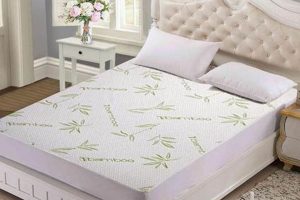
A sleeping surface layer designed to enhance comfort and protect a mattress, manufactured without the use of harmful chemicals, represents a conscious choice for healthier sleep. These products are often crafted from natural or certified materials, ensuring reduced exposure to volatile organic compounds and other potentially detrimental substances.
Opting for such a product contributes to a purer sleep environment, potentially mitigating risks associated with chemical sensitivities and allergies. Historically, conventional bedding often incorporated synthetic materials treated with flame retardants and stain repellents; however, growing awareness of health implications has driven demand for alternatives. These alternatives frequently utilize materials like organic cotton, natural latex, or wool, known for their inherent breathability and hypoallergenic properties.
The following sections will delve into material composition, certifications to look for, and the potential health benefits of choosing a safer bedding option, offering a comprehensive guide for consumers seeking to prioritize well-being in their sleep environment.
Guidance for Selecting a Safer Sleeping Surface Layer
The selection of a sleeping surface layer absent of harmful substances requires careful consideration of materials, certifications, and manufacturing processes. Diligence in research is paramount to ensuring a healthier sleep environment.
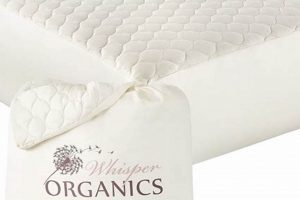
Tip 1: Prioritize Certified Organic Materials: Look for certifications such as GOTS (Global Organic Textile Standard) or Oeko-Tex Standard 100. These certifications indicate that the materials used have been tested for harmful substances and meet rigorous environmental and social criteria. For example, a sleeping surface layer bearing the GOTS label ensures the organic cotton used has been grown and processed according to strict guidelines.
Tip 2: Investigate Material Composition: Scrutinize the product label and description. Avoid products listing undisclosed chemical treatments or containing polyurethane foam without CertiPUR-US certification. Instead, consider options made from natural latex, wool, or breathable plant-based materials. For example, a wool sleeping surface layer naturally wicks away moisture and resists dust mites, contributing to a drier and more hypoallergenic sleep environment.
Tip 3: Evaluate Fire Retardant Methods: Traditional flame retardants can pose health risks. Seek out sleeping surface layers that utilize natural fire-resistant materials, such as wool, or employ safer alternatives like silica. Ensure that any flame retardant treatment complies with relevant safety standards without compromising material purity.
Tip 4: Consider Hypoallergenic Properties: If sensitivities or allergies are a concern, prioritize materials known for their hypoallergenic qualities. Natural latex, wool, and tightly woven organic cotton can minimize allergen accumulation. Regularly cleaning the sleeping surface layer according to manufacturer instructions further reduces potential allergen exposure.
Tip 5: Research Manufacturing Practices: Investigate the manufacturer’s commitment to environmentally responsible and ethical production. Companies that prioritize sustainable practices and transparent supply chains often produce higher-quality and safer products. Look for information regarding waste reduction, water conservation, and fair labor practices.
Tip 6: Assess for Volatile Organic Compounds (VOCs): New products can emit VOCs. Allow the sleeping surface layer to air out in a well-ventilated area for several days before use to minimize potential off-gassing. Choose products with low-VOC certifications to reduce exposure to these potentially harmful chemicals.
Selecting a safer sleeping surface layer necessitates informed decision-making. By carefully evaluating materials, certifications, and manufacturing practices, consumers can significantly reduce their exposure to potentially harmful substances and cultivate a healthier sleep environment.
The subsequent sections will explore the long-term benefits of this conscious choice and provide further guidance on maintaining a healthy sleep space.
1. Material Composition

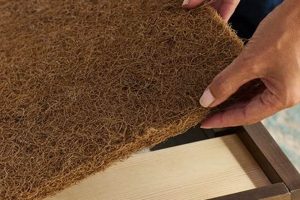
Material composition directly influences the classification of a mattress pad as “non toxic.” The type and origin of materials used are paramount in determining the potential for off-gassing harmful volatile organic compounds (VOCs) or causing allergic reactions. Conventional mattress pads often incorporate synthetic materials such as polyurethane foam, which may be treated with chemical flame retardants and can emit VOCs. Conversely, mattress pads composed of natural materials, such as organic cotton, natural latex, or wool, typically pose a reduced risk of chemical exposure.
The selection of materials impacts not only the immediate health of the user but also the long-term environmental impact. For instance, organic cotton is grown without synthetic pesticides or fertilizers, minimizing environmental pollution and promoting soil health. Similarly, natural latex, derived from rubber trees, is a renewable resource and can be processed without the use of harmful chemicals. The presence or absence of specific chemical treatments, such as stain repellents or antimicrobial finishes, also affects the toxicity profile of the mattress pad. A mattress pad labeled as “non toxic” ideally avoids these treatments or utilizes alternatives that have been thoroughly tested and certified as safe.
In summary, material composition is a foundational element in the assessment of a “non toxic mattress pad.” Careful consideration of the materials used, their origin, and the presence or absence of chemical treatments is essential for consumers seeking to minimize their exposure to potentially harmful substances and promote a healthier sleep environment. Choosing mattress pads with transparent material sourcing and third-party certifications provides assurance of their safety and environmental responsibility. The practical significance of this understanding lies in the ability to make informed purchasing decisions that prioritize personal health and environmental well-being.
2. Certification Standards

Certification standards serve as crucial benchmarks for evaluating the safety and environmental impact of mattress pads, providing consumers with verifiable assurances regarding product composition and manufacturing processes. These standards offer a structured framework for assessing the presence of potentially harmful substances and promoting transparency in the bedding industry.
- GOTS (Global Organic Textile Standard)
The GOTS certification applies to textiles, including those used in mattress pads, and ensures that materials are organically produced and processed according to stringent environmental and social criteria. This standa
rd encompasses the entire supply chain, from harvesting raw materials to manufacturing and labeling. A mattress pad bearing the GOTS label signifies that the organic cotton or wool used meets specific requirements regarding pesticide use, wastewater treatment, and fair labor practices. - Oeko-Tex Standard 100
Oeko-Tex Standard 100 certifies that every component of a product, including fabrics, fillings, and accessories, has been tested for harmful substances and meets specific limits for chemicals known to pose health risks. This certification provides assurance that the mattress pad is free from allergens, irritants, and other potentially harmful substances that could affect sensitive individuals. The Oeko-Tex certification is widely recognized and serves as a valuable indicator of product safety.
- CertiPUR-US
CertiPUR-US certification applies specifically to flexible polyurethane foam used in mattress pads and other bedding products. This standard verifies that the foam has been tested for emissions, content, and durability. CertiPUR-US certified foam is made without ozone depleters, flame retardants, heavy metals, and phthalates, and it has low VOC (volatile organic compound) emissions, contributing to improved indoor air quality.
- Greenguard Gold
Greenguard Gold certification focuses on indoor air quality and certifies that a product has low chemical emissions, contributing to a healthier indoor environment. This certification is particularly relevant for mattress pads, as they are used in close proximity to individuals for extended periods of time. Greenguard Gold certification indicates that the mattress pad has been tested for over 360 VOCs and meets stringent emissions standards.
Adherence to these certification standards provides consumers with a reliable means of identifying mattress pads that minimize exposure to harmful chemicals and promote a healthier sleep environment. The selection of certified products demonstrates a commitment to both personal well-being and environmental sustainability.
3. VOC Emissions

Volatile organic compound (VOC) emissions represent a critical consideration in the evaluation of a mattress pad’s potential toxicity. These compounds, released from various materials, can impact indoor air quality and human health. Consequently, minimizing VOC emissions is a central objective in the design and manufacturing of mattress pads intended to be classified as “non toxic.”
- Sources of VOC Emissions in Mattress Pads
VOCs in mattress pads originate from various components, including synthetic foams (e.g., polyurethane), adhesives, and chemical treatments (e.g., flame retardants). The specific types and concentrations of VOCs emitted vary depending on the materials and manufacturing processes used. Examples of common VOCs include formaldehyde, benzene, toluene, and methylene chloride. The presence of these compounds can contribute to indoor air pollution and potentially pose health risks.
- Health Effects Associated with VOC Exposure
Exposure to VOCs can result in a range of adverse health effects, depending on the concentration, duration of exposure, and individual sensitivity. Short-term effects may include eye, nose, and throat irritation, headaches, dizziness, and nausea. Prolonged exposure to certain VOCs has been linked to more serious health problems, such as respiratory issues, allergic reactions, and even cancer. Individuals with pre-existing respiratory conditions, children, and pregnant women may be particularly vulnerable to the effects of VOCs.
- Strategies for Reducing VOC Emissions
Manufacturers of “non toxic” mattress pads employ various strategies to minimize VOC emissions. These strategies include selecting low-VOC or VOC-free materials, such as natural latex, organic cotton, and wool. They may also use water-based adhesives and avoid chemical flame retardants or opt for safer alternatives. Furthermore, manufacturers may implement processes to off-gas materials before incorporating them into the finished product, reducing the potential for VOC emissions in the user’s home.
- Testing and Certification for VOC Emissions
Third-party testing and certification play a vital role in verifying the VOC emissions of mattress pads. Certifications such as GREENGUARD Gold and Oeko-Tex Standard 100 indicate that a product has been tested for VOC emissions and meets specific limits. These certifications provide consumers with assurance that the mattress pad is low-emitting and contributes to improved indoor air quality. Reviewing these certifications is a critical step in selecting a truly “non toxic” mattress pad.
In conclusion, the presence and management of VOC emissions are integral to the concept of a “non toxic mattress pad.” Understanding the sources of VOCs, their potential health effects, and the strategies employed to reduce emissions is essential for informed consumer decision-making. By prioritizing mattress pads with low VOC emissions and seeking out relevant certifications, individuals can minimize their exposure to harmful chemicals and promote a healthier sleep environment.
4. Fire Retardants

The presence, type, and application of fire retardants are critical considerations in the evaluation of a “non toxic mattress pad.” Historically, conventional mattress manufacturing incorporated chemical fire retardants to comply with flammability standards. However, numerous studies have raised concerns regarding the potential health effects associated with exposure to certain chemical fire retardants, leading to increased scrutiny of their use in bedding products. The conflict arises from the need to balance fire safety with minimizing exposure to potentially harmful substances, a defining characteristic of a non-toxic product.
Certain chemical fire retardants, such as polybrominated diphenyl ethers (PBDEs), have been phased out due to their persistence in the environment and potential endocrine-disrupting effects. However, alternative chemical fire retardants have been introduced, and their long-term health impacts are still under investigation. Therefore, manufacturers seeking to create “non toxic mattress pad” often pursue alternative strategies to meet flammability standards without relying on potentially harmful chemicals. These strategies include utilizing inherently fire-resistant materials, such as wool, or employing barrier fabrics made from materials like silica or rayon derived from bamboo. These materials create a char layer upon exposure to flame, effectively slowing or preventing ignition and spread. The use of these alternative methods significantly reduces or eliminates the need for chemical fire retardants.
In summary, the connection between fire retardants and the concept of a “non toxic mattress pad” centers on finding a balance between safety and health. The ideal outcome is a product that meets flammability requirements without exposing users to potentially harmful chemicals. Choosing mattress pads that utilize inherently fire-resistant materials or barrier fabrics offers a path towards achieving this balance. Continued research and development in material science will likely yield even safer and more effective methods for fire protection in bedding, further enhancing the safety and health profile of “non toxic mattress pad.”
5. Allergen Reduction3>
The ability of a sleeping surface to minimize allergens is a key consideration in the context of a “non toxic mattress pad.” Reduction in allergen presence directly contributes to a healthier sleep environment, particularly for individuals with sensitivities or allergies.
- Material Selection and Hypoallergenic Properties
The inherent properties of materials used in a mattress pad significantly influence its ability to reduce allergens. Natural materials, such as organic cotton, natural latex, and wool, are often less prone to harboring allergens compared to synthetic materials. Wool, for instance, possesses natural lanolin, which can inhibit dust mite proliferation. Similarly, tightly woven organic cotton creates a barrier against dust mite penetration. The absence of synthetic fibers minimizes potential chemical sensitivities that could trigger allergic reactions.
- Dust Mite Resistance
Dust mites are a common allergen found in bedding. A “non toxic mattress pad” designed for allergen reduction often incorporates features that inhibit dust mite colonization. Encasing the mattress pad in a tightly woven fabric, or utilizing materials with natural dust mite resistance, effectively reduces the allergen load within the sleep environment. Proper ventilation and moisture control further limit dust mite proliferation.
- Mold and Mildew Prevention
Moisture accumulation within a mattress pad can lead to the growth of mold and mildew, potent allergens that exacerbate respiratory issues. A “non toxic mattress pad” may utilize breathable materials that promote air circulation and wick away moisture, preventing the conditions conducive to mold and mildew growth. The absence of synthetic foams, which can trap moisture, further contributes to a drier and less allergenic sleep surface. Furthermore, natural materials like wool have inherent moisture-wicking properties, further impeding mold and mildew formation.
- Washability and Maintenance
Regular cleaning is essential for maintaining a low-allergen sleep environment. A “non toxic mattress pad” that is easily washable facilitates the removal of accumulated allergens, such as dust mites, pet dander, and pollen. The use of hypoallergenic detergents further minimizes the introduction of irritants. The ability to routinely launder or wipe down the mattress pad contributes significantly to long-term allergen control. Certain materials, such as wool, may also benefit from occasional airing out in sunlight to further reduce allergen load.
The combined effect of careful material selection, dust mite resistance, mold prevention, and ease of maintenance ensures that a “non toxic mattress pad” actively contributes to reducing allergen exposure, creating a healthier and more comfortable sleep environment for individuals with sensitivities or allergies. The proactive minimization of allergen presence is a defining characteristic of a bedding product designed with health and well-being in mind.
6. Manufacturing Ethics

The ethical considerations involved in the manufacturing of sleeping surface layers directly influence the integrity of a product marketed as “non toxic.” The sourcing of raw materials, labor practices, and waste management strategies employed throughout the production process impact the overall environmental and social footprint. A commitment to ethical manufacturing indicates a holistic approach to product development, ensuring that the claim of being “non toxic” extends beyond the chemical composition of the final product to encompass the entire production lifecycle. For example, if a mattress pad utilizes organic cotton sourced from farms employing exploitative labor practices, the ethical compromise undermines the product’s value, regardless of its chemical safety.
Considerations within manufacturing ethics include fair wages and safe working conditions for laborers, responsible water usage, and the minimization of waste and pollution. Transparency in the supply chain is also crucial, allowing consumers to trace the origins of materials and assess the manufacturer’s adherence to ethical standards. Companies committed to ethical manufacturing often seek certifications from independent organizations that verify compliance with fair labor practices, environmental regulations, and sustainable sourcing. Purchasing mattress pads from companies with demonstrable commitment to these practices promotes a more sustainable and socially responsible industry.
Ultimately, the connection between manufacturing ethics and “non toxic mattress pad” highlights the interconnectedness of environmental responsibility, social justice, and consumer health. By considering manufacturing ethics, consumers make purchasing decisions that support companies that prioritize ethical production processes, contributing to a more sustainable and equitable industry. The choice of a “non toxic mattress pad” should therefore extend beyond the immediate health benefits and encompass a broader commitment to ethical consumption and responsible manufacturing practices.
Frequently Asked Questions
This section addresses common inquiries regarding sleeping surface layers manufactured without harmful chemicals. The following questions and answers aim to provide clarity and guidance for consumers seeking safer bedding options.
Question 1: What defines a product as a “non toxic mattress pad?”
A product marketed as “non toxic mattress pad” indicates the minimization or absence of harmful chemicals commonly found in conventional bedding. This typically involves the use of natural or certified materials, such as organic cotton, natural latex, or wool, and the avoidance of chemical flame retardants, volatile organic compounds (VOCs), and other potentially harmful substances. Third-party certifications, such as GOTS or Oeko-Tex, can further validate the product’s composition.
Question 2: Why is opting for a sleeping surface layer devoid of harmful chemicals beneficial?
Selecting such a product can mitigate the risk of exposure to chemicals known to cause allergic reactions, respiratory issues, or other adverse health effects. Minimizing chemical exposure can be particularly important for sensitive individuals, children, and pregnant women. Furthermore, it can contribute to a healthier indoor air quality and a more sustainable environment.
Question 3: Which materials are commonly utilized in the construction of a safer sleeping surface layer?
Frequently used materials include organic cotton, known for its purity and breathability; natural latex, derived from rubber trees and prized for its elasticity and durability; and wool, which provides natural fire resistance, moisture-wicking properties, and temperature regulation. Some manufacturers also incorporate plant-based fibers, such as bamboo or Tencel, known for their softness and sustainability.
Question 4: How can one verify the “non toxic” claim made by a manufacturer?
Verification involves a review of product certifications and material composition. Look for certifications such as GOTS (Global Organic Textile Standard) for organic materials, Oeko-Tex Standard 100 for the absence of harmful substances, and CertiPUR-US for polyurethane foam. Scrutinize the product label and description for a c
omprehensive list of materials and any chemical treatments used.
Question 5: What are the potential drawbacks of opting for a sleeping surface layer free of harmful chemicals?
The initial cost can be higher compared to conventional bedding. However, the investment can be justified by the long-term health and environmental benefits. Additionally, some natural materials may require specific care instructions, such as spot cleaning or professional laundering, to maintain their integrity.
Question 6: How does one properly maintain a sleeping surface layer designed to minimize chemical exposure?
Adhering to the manufacturer’s care instructions is essential. Regular cleaning, such as vacuuming or spot cleaning, can help remove dust mites and other allergens. Airing out the product periodically can further reduce moisture and odors. Avoid using harsh chemicals or bleach, as these can degrade the materials and potentially introduce harmful substances.
These FAQs provide a foundation for understanding the importance of choosing sleeping surface layers manufactured without harmful substances. Prioritizing informed decision-making contributes to a healthier sleep environment and overall well-being.
The subsequent sections will explore the long-term impact of choosing safer bedding options and offer additional resources for consumers.
Conclusion
The preceding exploration underscores the critical importance of understanding the multifaceted nature of a “non toxic mattress pad.” From material sourcing and manufacturing processes to certification standards and potential health implications, a comprehensive evaluation is essential for informed consumer decision-making. The absence of harmful chemicals in a sleeping surface layer directly influences the quality of the sleep environment and contributes to long-term well-being.
The information presented serves as a foundation for individuals seeking to prioritize health and sustainability in their bedding choices. Further research and engagement with reputable manufacturers will empower consumers to make confident decisions, fostering a future where safer and more ethical bedding options are readily available and widely adopted. The long-term benefits of choosing a “non toxic mattress pad” extend beyond individual well-being, contributing to a more responsible and environmentally conscious society.