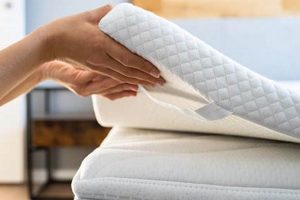
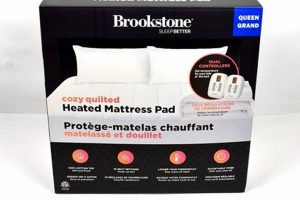
These bedding accessories serve as a protective layer positioned atop a mattress, designed to enhance comfort and prolong the lifespan of the underlying sleep surface. Constructed from materials cultivated without synthetic pesticides, herbicides, or fertilizers, they offer a barrier against spills, stains, and wear, while simultaneously promoting a healthier sleep environment. For example, one might find these items made from certified organic cotton, wool, or latex.
The significance of these accessories stems from their potential to reduce exposure to harmful chemicals commonly found in conventional bedding materials. Their inherent properties can contribute to improved air quality within the sleeping space, making them particularly beneficial for individuals with sensitivities or allergies. Historically, the pursuit of natural and sustainable materials in bedding has gained momentum as awareness of environmental and health concerns has increased.
The subsequent sections will delve into the specific materials used in construction, explore the certifications to look for when purchasing, examine the health and environmental advantages, and provide guidance on proper care and maintenance.
Guidance on Selecting and Maintaining Organic Mattress Pads
The following recommendations are designed to assist in making informed choices and ensuring the longevity of these bedding accessories.
Tip 1: Verify Certifications: Prioritize products that possess recognized certifications such as GOTS (Global Organic Textile Standard) or OEKO-TEX Standard 100. These certifications indicate independent verification of the organic sourcing and safety of the materials used.
Tip 2: Consider Material Composition: Evaluate the specific materials used, such as organic cotton, wool, or latex. Each material offers unique properties regarding breathability, temperature regulation, and hypoallergenic qualities. Select a material that aligns with individual comfort preferences and needs.
Tip 3: Assess Thickness and Construction: The thickness and construction method influence the level of protection and comfort provided. A thicker accessory may offer enhanced cushioning and spill resistance, while quilted designs can promote even distribution of filling.
Tip 4: Review Care Instructions: Understand the recommended care procedures before purchase. Opt for products that are machine washable or easily spot cleaned to simplify maintenance and hygiene.
Tip 5: Evaluate Waterproofing Options: If spill protection is a primary concern, consider accessories with a waterproof barrier. Ensure the barrier is made from non-toxic materials, such as polyurethane film, and is breathable to prevent heat buildup.
Tip 6: Understand Product Sizing: Ensure the accessory is correctly sized for the corresponding mattress. Ill-fitting accessories can bunch, shift, or fail to provide adequate protection.
Tip 7: Examine Stitching and Binding: Assess the quality of the stitching and binding around the perimeter. Durable stitching and secure binding contribute to the product’s longevity and prevent fraying or unraveling.
By adhering to these guidelines, consumers can confidently select these bedding components that meet their specific needs and contribute to a healthier sleep environment.
The next section will conclude this exploration by summarizing the core benefits and offering final considerations.
1. Organic Materials Sourcing

The integrity of these bedding products is inextricably linked to the origin and processing of its constituent materials. Organic materials sourcing, in this context, refers to the cultivation and harvesting of raw materials without the use of synthetic pesticides, herbicides, or genetically modified organisms (GMOs). The direct consequence of adhering to these practices is a reduction in the consumer’s exposure to potentially harmful chemicals commonly found in conventionally produced textiles. For instance, cotton grown according to organic standards minimizes the presence of pesticide residue in the final product, a critical factor for individuals with chemical sensitivities or allergies. This sourcing is therefore a primary determinant of the product’s overall health and environmental profile.
The importance of this type of sourcing extends beyond the avoidance of harmful substances. It also supports environmentally responsible agricultural practices, such as crop rotation and soil conservation, which contribute to the long-term sustainability of the environment. A practical example is the use of organic wool in the construction of these bedding accessories. Organic wool farms typically prioritize animal welfare and sustainable grazing practices, resulting in a product that aligns with both health and ethical considerations. Understanding this connection allows consumers to make informed purchasing decisions that support both their well-being and the environment.
In summary, organic materials sourcing is a foundational component in the creation of these bedding accessories. It directly influences the product’s safety, environmental impact, and ethical implications. While challenges exist in ensuring complete transparency and traceability throughout the supply chain, the commitment to sourcing materials from certified organic sources remains a critical step in promoting a healthier and more sustainable sleep environment. The certification process, while imperfect, provides a framework for verifying the claims made by manufacturers and empowering consumers to make responsible choices.
2. Certification Standards

The integrity of claims surrounding items designated as “organic” relies heavily on rigorous certification standards. These standards, typically governed by independent third-party organizations, establish criteria for the entire production process, from raw material cultivation to final manufacturing. Their existence mitigates the risk of unsubstantiated marketing claims and provides consumers with a degree of assurance regarding the authenticity of the product’s organic status. For example, a mattress pad bearing the Global Organic Textile Standard (GOTS) certification signifies adherence to stringent ecological and social criteria throughout the textile supply chain. The absence of such certification raises concerns about the validity of claims and the overall commitment to organic practices.
Certification standards for these protectors address various aspects, including the prohibition of synthetic pesticides and fertilizers in the cultivation of raw materials like cotton or wool. They also mandate restrictions on the use of harmful chemicals during textile processing, such as dyes, flame retardants, and formaldehyde. Further, these standards often encompass social responsibility criteria, ensuring fair labor practices and safe working conditions for
employees involved in production. An illustrative case is the OEKO-TEX Standard 100, which tests for harmful substances in textiles at all stages of processing. A product bearing this label indicates that it has been tested and found to be free of a specified list of harmful chemicals, offering an added layer of consumer protection.
In summary, certification standards serve as a crucial mechanism for verifying the organic claims associated with mattress pads. These standards provide a framework for accountability and transparency throughout the supply chain. While challenges remain in ensuring complete enforcement and addressing emerging chemical concerns, the presence of reputable certifications empowers consumers to make informed purchasing decisions and promotes the integrity of the organic textile market. The selection of a certified product, therefore, constitutes a proactive step in safeguarding one’s health and supporting environmentally responsible manufacturing practices.
3. Hypoallergenic Properties

The hypoallergenic properties of a mattress pad refer to its capacity to minimize allergic reactions in sensitive individuals. This characteristic is particularly relevant in the context of bedding, as prolonged exposure to allergens during sleep can exacerbate respiratory issues and skin irritations. The materials and construction techniques employed in crafting these items significantly influence their ability to mitigate allergic responses.
- Material Selection and Allergen Reduction
The choice of materials directly impacts the allergenicity of a protector. Organic cotton, cultivated without synthetic pesticides and herbicides, tends to be less allergenic than conventionally grown cotton. Similarly, organic wool, often treated with natural cleaning processes, can reduce the presence of lanolin and other potential irritants. The use of these naturally derived and minimally processed materials reduces exposure to chemicals known to trigger allergic reactions.
- Dust Mite Resistance
These items constructed from tightly woven materials, such as densely woven organic cotton or wool, act as a barrier against dust mites. These microscopic organisms are a common trigger for allergies and asthma. The tightly woven fabric prevents dust mites from penetrating the mattress, thereby reducing exposure to their allergenic waste products. Enhanced dust mite resistance contributes significantly to the hypoallergenic profile of the protector.
- Natural Latex Composition
Natural latex, derived from rubber trees, is sometimes used in the construction of protectors. Natural latex is inherently resistant to dust mites and mold, further enhancing its hypoallergenic properties. For example, natural latex resists moisture accumulation, thereby inhibiting the growth of mold and mildew. Individuals with latex allergies should carefully assess the specific type of latex used and ensure it is properly processed to minimize the risk of allergic reactions.
- Reduced Chemical Exposure
These items, manufactured without the use of chemical flame retardants, dyes, or other synthetic additives, contribute to a reduction in overall chemical exposure. Chemical sensitivities are a growing concern, and bedding materials containing these substances can trigger allergic or irritant reactions in susceptible individuals. Eliminating or minimizing the use of these chemicals enhances the hypoallergenic nature of the protector.
The connection between the hypoallergenic properties and their organic construction lies in the minimization of potential irritants and allergens throughout the production process. Selecting a protector made from certified organic materials and constructed with minimal chemical additives represents a proactive approach to reducing allergen exposure and creating a healthier sleep environment.
4. Breathability Enhancement
Breathability enhancement, in the context of organic mattress pads, signifies the ability of the pad’s materials and construction to facilitate air circulation and moisture wicking. This feature is crucial for maintaining a comfortable sleep environment by regulating temperature and preventing the buildup of humidity, which can lead to discomfort and microbial growth.
- Fiber Structure and Air Permeability
The inherent properties of organic fibers, such as cotton, wool, and bamboo, contribute significantly to air permeability. Unlike synthetic fibers, these natural materials possess a more open structure that allows for greater airflow. Organic cotton, for instance, exhibits natural crimp, creating small air pockets that enhance ventilation. Similarly, wool fibers have scales that promote moisture absorption and evaporation, further contributing to breathability. The selection of these materials directly influences the extent to which a mattress pad can facilitate air exchange and regulate temperature.
- Weave Density and Airflow
The weave density of the fabric plays a critical role in determining the breathability of a mattress pad. Loosely woven fabrics, such as percale or muslin, promote greater airflow compared to tightly woven materials like sateen. The lower density allows for increased ventilation, reducing the risk of heat retention and moisture accumulation. Manufacturers often choose weave patterns that prioritize breathability to optimize comfort, especially in warmer climates or for individuals prone to night sweats.
- Moisture-Wicking Capabilities
Effective breathability involves not only air circulation but also the ability to wick away moisture. Organic wool, in particular, exhibits excellent moisture-wicking properties. It can absorb a significant amount of moisture without feeling damp, drawing perspiration away from the body and allowing it to evaporate. This process helps to regulate body temperature and prevent the discomfort associated with humid conditions. The integration of moisture-wicking materials is essential for maintaining a dry and comfortable sleep surface.
- Design Considerations for Ventilation
Certain design elements can further enhance ventilation in a mattress pad. Quilted patterns, for example, create channels that promote airflow and prevent the clumping of filling materials. Similarly, the use of breathable waterproof membranes, such as polyurethane laminates, allows for protection against spills while still permitting some level of air exchange. Careful consideration of these design features can optimize breathability and create a more comfortable sleep environment.
The various facets of breathability enhancement underscore its importance in organic mattress pads. By selecting materials with inherent air permeability, employing breathable weave patterns, incorporating moisture-wicking capabilities, and implementing design elements that promote ventilation, manufacturers can create protectors that effectively regulate temperature and humidity, resulting in a more comfortable and restorative sleep experience. The synergistic effect of these factors contributes to the overall value and performance of these bedding accessories.
5. Moisture Wicking
Moisture wicking, as applied to organic mattress pads, represents a crucial performance characteristic that dictates the pad’s ability to draw moisture away from the sleeper’s body, thus maintaining a dry and comfortable sleep surface. Its relevance stems from the human body’s natural propensity to perspire during sleep, creating a humid microclimate that can disrupt rest and promote the growth of microorganisms. Effective moisture wicking is therefore essential for promoting hygiene and optimizing sleep quality.
- Fiber Properties and Moisture Transport
The inherent properties of certain organic fibers, notably wool, play a pivotal role in moisture wicking. Wool fibers possess a complex structure capable of absorbing a significant amount of moisture vapor without feeling damp. This absorbed moisture is then gradually released into the surrounding environment, preventing the accumulation of perspiration near the skin. A practical example is seen in the use of wool in athletic apparel, where its moisture-wicking abilities are highly valued for maintaining comfort during strenuous activity. In the context of organic mattress pads, this characteristic contributes to a drier and more comfortable sleep experience.
- Weave Construction and Capillary Action
The weave construction of the fabric influences the efficiency of moisture transport. Certain weave patterns, such as those employing a twill or knit structure, create channels that facilitate the movement of moisture away from the body. This process relies on capillary action, where moisture is drawn along the fibers due to surface tension. For instance, a loosely knit organic cotton fabric will exhibit greater moisture-wicking capabilities compared to a tightly woven canvas. This difference arises from the increased surface area and porosity of the knit fabric, which enhances capillary action. The selection of an appropriate weave construction is therefore a key consideration in optimizing the moisture-wicking performance of mattress pads.
- Evaporation Rate and Humidity Regulation
Moisture wicking is not merely about absorbing moisture; it also involves facilitating evaporation. The rate at which moisture evaporates from the fabric surface determines its ability to maintain a dry environment. Organic fabrics with good breathability, such as linen or hemp, promote faster evaporation rates. This is because they allow for greater airflow, which carries moisture away from the fabric. For example, an organic mattress pad made from linen will tend to dry more quickly than one made from a less breathable synthetic material, reducing the potential for humidity buildup and discomfort.
- Impact on Sleep Quality and Hygiene
The effectiveness of moisture wicking directly impacts sleep quality and hygiene. By preventing the accumulation of perspiration, moisture-wicking mattress pads reduce the risk of skin irritation, odor development, and the growth of mold and bacteria. A drier sleep environment promotes better temperature regulation, preventing overheating or chilling during the night. This improved thermal comfort translates into fewer sleep disturbances and a more restorative rest. Therefore, the moisture-wicking capabilities of organic mattress pads are essential for maintaining a healthy and comfortable sleep environment.
The moisture-wicking capabilities of organic mattress pads are a result of the interplay between fiber properties, weave construction, evaporation rate, and their subsequent impact on hygiene and sleep quality. The materials and construction choices determine the overall efficacy in maintaining a dry and comfortable sleep environment. The properties discussed, when carefully considered, contribute to a healthier and more restful sleep experience, making it an important factor for consumers.
6. Protection Level
The protection level afforded by organic mattress pads represents a crucial determinant of their functionality, extending beyond mere comfort to encompass the preservation of the underlying mattress and the enhancement of sleep hygiene. It is a multifaceted attribute, influenced by the materials used, the construction methods employed, and the specific threats the pad is designed to mitigate.
- Fluid Resistance and Spill Protection
One primary function of these mattress pads is to protect against spills and accidents, particularly relevant for mattresses used by children or individuals with incontinence. The level of fluid resistance depends on the presence and type of waterproof or water-resistant barrier integrated into the pad’s design. For example, a pad featuring a tightly woven organic cotton layer laminated with a thin layer of polyurethane (often plant-based) offers a significant degree of protection against liquids penetrating the mattress. However, the effectiveness is directly proportional to the quality and integrity of the barrier, as well as its ability to withstand repeated washing and use.
- Allergen Barrier and Dust Mite Mitigation
These pads also serve as a barrier against allergens, including dust mites, pet dander, and pollen. The protection level in this regard hinges on the density and weave of the fabric. A tightly woven organic cotton or wool pad can effectively prevent allergens from permeating the mattress, minimizing exposure for sensitive individuals. The efficacy is further enhanced by hypoallergenic certifications, ensuring the absence of added chemicals or treatments that could exacerbate allergic reactions. Regular washing of the pad is essential for maintaining its effectiveness as an allergen barrier.
- Stain Resistance and Mattress Longevity
Beyond spills and allergens, these pads contribute to stain resistance, preserving the aesthetic appearance and structural integrity of the mattress. By creating a protective layer, they prevent stains from penetrating the mattress fibers, which can be difficult or impossible to remove. This protection directly impacts the longevity of the mattress, as stains and accumulated dirt can degrade the materials over time. The stain resistance of the pad itself is influenced by the fiber’s natural properties (e.g., wool’s resistance to soiling) and any stain-resistant treatments applied, ideally using non-toxic or bio-based solutions.
- Fire Resistance and Safety Standards
In some regions, fire safety regulations mandate a certain level of fire resistance in bedding materials. While organic mattress pads prioritize natural materials, they must also comply with these safety standards. This often involves the use of inherently fire-resistant materials, such as wool, or the application of fire retardant treatments. The protection level in this case refers to the pad’s ability to slow the spread of flames and provide additional time for escape in the event of a fire. Consumers should verify that the pad meets relevant safety standards without compromising its organic integrity through the use of harmful chemicals.
The protection level of organic mattress pads is a critical consideration for consumers seeking to extend the life of their mattress, minimize allergen exposure, and maintain a clean and healthy sleep environment. A thorough assessment of the materials, construction, and any additional treatments applied is essential for ensuring that the pad provides the desired level of protection without compromising its organic and non-toxic qualities. The varying facets of protection contribute to the overall value proposit
ion and justify the choice for those prioritizing a balanced approach to health, comfort, and environmental sustainability.
7. Maintenance Ease

The concept of maintenance ease holds significant relevance for organic mattress pads, directly influencing their long-term viability and cost-effectiveness. Considerations regarding cleaning, care, and upkeep contribute substantially to the overall consumer experience and product lifespan. Ease of maintenance is not merely a convenience but a practical necessity, ensuring the continued health and hygiene of the sleep environment.
- Washability and Cleaning Procedures
The ability to effectively clean a mattress pad is paramount. Many organic mattress pads are designed to be machine washable, simplifying the cleaning process. However, specific instructions regarding water temperature, detergent type, and drying methods must be followed to prevent damage to the organic materials. For instance, high heat can cause shrinkage in organic cotton, while harsh chemicals can degrade natural fibers. Adherence to the manufacturer’s recommendations is essential for preserving the pad’s integrity and extending its usable life. Pads that are easily washable contribute significantly to maintenance ease, allowing for regular cleaning to remove allergens, dust mites, and spills.
- Stain Resistance and Spot Cleaning
Organic mattress pads, while often lacking synthetic stain-resistant treatments, can still be effectively spot-cleaned. Prompt action is crucial for removing stains before they set into the fabric. Natural cleaning agents, such as vinegar and baking soda, can be used to address common stains without compromising the organic integrity of the materials. For example, a paste of baking soda can be applied to a stain, allowed to dry, and then vacuumed away. The ease with which stains can be removed or minimized contributes directly to the maintenance ease of the pad. Pads constructed from materials with inherent stain-resistant properties, such as wool, offer an added advantage.
- Durability and Longevity of Materials
The inherent durability of the organic materials used in the construction of mattress pads influences their long-term maintenance requirements. High-quality organic cotton, wool, or latex can withstand repeated washing and use without significant degradation. Reinforcement of seams and edges also contributes to the pad’s overall durability, preventing fraying or unraveling. For instance, a mattress pad constructed with tightly woven organic cotton and reinforced stitching will likely require less frequent replacement than one made from lower-quality materials. The longevity of the materials directly impacts the frequency of replacement, thus influencing the overall cost of ownership and maintenance.
- Storage and Handling Practices
Proper storage and handling practices are essential for maintaining the condition of organic mattress pads when not in use. Folding the pad neatly and storing it in a dry, well-ventilated location prevents the accumulation of moisture and the growth of mold or mildew. Avoiding prolonged exposure to direct sunlight can also prevent fading or discoloration of the organic fibers. For example, storing a clean, folded mattress pad in a cotton storage bag protects it from dust and moisture. These simple practices contribute to the overall maintenance ease by minimizing the risk of damage or degradation during storage.
The factors influencing maintenance ease are interconnected, collectively shaping the consumer’s experience with organic mattress pads. Washability, stain resistance, material durability, and proper storage practices each contribute to the long-term viability and cost-effectiveness of these bedding accessories. By prioritizing maintenance ease, consumers can ensure that their investment in an organic mattress pad provides enduring benefits in terms of comfort, hygiene, and mattress protection.
Frequently Asked Questions About Organic Mattress Pads
The following section addresses common inquiries and misconceptions surrounding organic mattress pads, providing clear and concise information to aid in informed decision-making.
Question 1: What distinguishes an organic mattress pad from a conventional mattress pad?
The primary distinction lies in the materials used and the manufacturing processes employed. Organic mattress pads are crafted from materials cultivated without synthetic pesticides, herbicides, or fertilizers. Furthermore, the processing adheres to stringent standards that restrict the use of harmful chemicals, dyes, and flame retardants commonly found in conventional alternatives.
Question 2: How does one verify the organic certification of a mattress pad?
Reputable organic mattress pads will bear certifications from recognized third-party organizations, such as the Global Organic Textile Standard (GOTS) or OEKO-TEX Standard 100. These certifications indicate that the product has been independently verified to meet specific criteria for organic content and the absence of harmful substances. Consumers should look for these certifications on product labels and documentation.
Question 3: Are organic mattress pads inherently hypoallergenic?
While organic materials are often less likely to cause allergic reactions than synthetics, they are not automatically hypoallergenic. The hypoallergenic properties depend on the specific materials used and the manufacturing processes employed. Tightly woven organic cotton or wool pads can act as a barrier against dust mites and other allergens, but individuals with specific allergies should carefully review the product’s composition.
Question 4: What is the expected lifespan of an organic mattress pad?
The lifespan of an organic mattress pad is influenced by factors such as the quality of the materials, the frequency of use, and the care provided. With proper care and maintenance, a high-quality organic mattress pad can last for several years. Regular washing and avoiding harsh chemicals can prolong its lifespan.
Question 5: Are organic mattress pads more expensive than conventional options?
Organic mattress pads typically command a higher price point than conventional alternatives, owing to the increased cost of organic materials and the more stringent manufacturing processes involved. However, the investment can be justified by the potential health benefits, environmental advantages, and enhanced durability.
Question 6: How should an organic mattress pad be properly cleaned and maintained?
Cleaning instructions vary depending on the materials used in the mattress pad. Machine washing is often possible, but it is crucial to follow the manufacturer’s recommendations regarding water temperature, detergent type, and drying methods. Spot cleaning with natural cleaning agents can address stains. Regular airing of the pad can also help to maintain its freshness and hygiene.
In summary, organic mattress pads offer potential advantages in terms of health, environmental impact, and durability, but careful consideration should be given to certification, material composition, and maintenance requirements.
The next section will provide concluding remarks, summarizing the core concepts and offering final thoughts.
Organic Mattress Pads
The preceding exploration has underscored the multifaceted nature of organic mattress pads, highlighting their composition, ben
efits, and considerations for selection and maintenance. From the sourcing of organic materials and the importance of certification standards to the enhancement of breathability and the provision of reliable protection, these accessories represent a conscious choice toward a healthier and more sustainable sleep environment. The discussion of hypoallergenic properties, moisture-wicking capabilities, and ease of care further emphasizes the practicality and long-term value of these bedding components.
Ultimately, the decision to invest in these bedding accessories hinges on individual priorities and values. While these are not a panacea, the information presented provides a foundation for making informed choices that align with personal health considerations, environmental concerns, and a commitment to responsible consumption. Continued research and innovation within the organic textile industry hold the potential for even greater advancements in comfort, durability, and sustainability, shaping the future of sleep solutions.
![Top JCP Mattress Pad [Guide] & Best Deals | Organic & Natural Mattress Buyer’s Guide: Non-Toxic Sleep Solutions](https://mattressworldpa.com/wp-content/uploads/2025/07/th-4793-300x200.jpg "Top JCP Mattress Pad [Guide] & Best Deals Organic & Natural Mattress Buyer’s Guide: Non-Toxic Sleep Solutions")