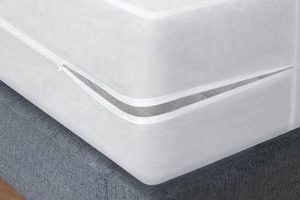
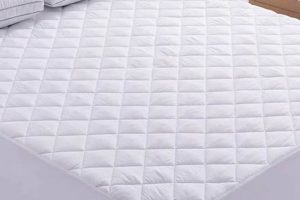
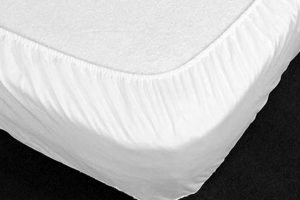
Coverings designed to shield mattresses from liquids, allergens, and wear, crafted from materials grown without synthetic pesticides or fertilizers, represent a growing segment of bedding accessories. These items provide a barrier between the mattress and potential contaminants. For instance, a cotton covering certified under the Global Organic Textile Standard offers protection while minimizing exposure to chemicals.
The significance of such protective layers lies in their potential to reduce exposure to allergens and chemicals. Historically, conventional mattress protectors were often made with synthetic materials that could off-gas volatile organic compounds (VOCs). The shift toward natural alternatives reflects an increasing awareness of the potential health impacts associated with synthetic materials and a desire for more environmentally friendly bedding options. This can contribute to a healthier sleep environment.
The subsequent sections will elaborate on the materials utilized in their construction, the certifications to seek when purchasing, and the cleaning and maintenance procedures necessary to ensure longevity. Considerations for selecting the appropriate product based on individual needs and concerns will also be addressed.
Guidance on Selecting and Maintaining Organic Mattress Protectors
The following recommendations serve to inform consumers on the optimal selection, utilization, and maintenance procedures for coverings intended to shield mattresses while minimizing chemical exposure.
Tip 1: Prioritize Certified Materials: Look for certifications such as GOTS (Global Organic Textile Standard) or OEKO-TEX Standard 100. These certifications ensure that the raw materials and manufacturing processes meet specific criteria for environmental and social responsibility. For example, a GOTS-certified cotton covering assures the absence of prohibited chemicals during production.
Tip 2: Assess Material Composition: Common materials include organic cotton, wool, and bamboo. Each possesses distinct properties. Organic cotton offers breathability and absorbency, while wool provides natural fire resistance and temperature regulation. Bamboo is known for its hypoallergenic qualities and moisture-wicking capabilities. Evaluate individual needs and sensitivities to determine the most suitable material.
Tip 3: Evaluate Waterproofing Methods: If waterproofing is a requirement, investigate the methods employed. Some coverings utilize thin polyurethane layers, while others use alternatives like plant-based coatings. Research the potential health and environmental impacts of the waterproofing method before purchase.
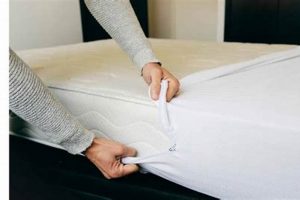
Tip 4: Consider Mattress Depth: Ensure the chosen covering accommodates the depth of the mattress. A protector that is too shallow may not provide adequate coverage, while one that is too deep may result in bunching and discomfort. Measure the mattress depth accurately prior to purchase.
Tip 5: Follow Washing Instructions Carefully: Adhere to the manufacturer’s washing and drying instructions to maintain the integrity of the covering and preserve its protective qualities. Harsh detergents and high heat can damage the materials and reduce effectiveness. Consider using gentle, eco-friendly detergents.
Tip 6: Air Out Regularly: Periodically remove the covering and allow the mattress and protector to air out. This helps to reduce moisture buildup and prevent the growth of mold and mildew. Sunlight can also act as a natural disinfectant.
Tip 7: Replace When Necessary: Even with proper care, protectors will eventually degrade and lose their effectiveness. Inspect the covering regularly for signs of wear and tear, such as tears, thinning material, or compromised waterproofing. Replace the protector when necessary to maintain optimal hygiene and protection.
Adhering to these guidelines will contribute to a healthier sleep environment and extend the lifespan of both the mattress and its protective covering.
The subsequent concluding remarks will summarize the core benefits and long-term advantages of utilizing organic mattress protectors.
1. Material Certification

Material certification serves as a crucial element in verifying the authenticity and environmental responsibility of products marketed as “organic mattress protectors.” These certifications provide independent assurance that the materials used meet defined standards for organic production, minimizing exposure to harmful chemicals and promoting sustainable practices.
- GOTS (Global Organic Textile Standard)
GOTS is a globally recognized standard for textiles made from organic fibers. It addresses the entire supply chain, from harvesting of the raw materials to environmentally and socially responsible manufacturing. A GOTS certification on a mattress protector signifies that the fabric contains a minimum percentage of certified organic fibers and that processing meets strict environmental and toxicological criteria. This ensures consumers are purchasing a product genuinely aligned with organic principles.
- OEKO-TEX Standard 100
While not exclusively focused on organic materials, OEKO-TEX Standard 100 certifies that a product has been tested for harmful substances, including those regulated or prohibited by law, as well as chemicals that are known to be detrimental to human health. This certification assures consumers that the mattress protector is free from potentially allergenic or carcinogenic dyes, pesticides, and heavy metals. It serves as a valuable indicator of product safety, complementing organic certifications.
- USDA Organic Certification
In some instances, components used in a mattress protector, such as the cotton fill, may be certified organic under the United States Department of Agriculture (USDA) National Organic Program (NOP). While the entire protector may not be certifiable as “organic” if it contains non-agricultural components, USDA organic certification for individual elements guarantees that those specific materials were grown and processed according to federal organic standards. This provides transparency and assurance regarding the sourcing of key materials.
- Traceability and Supply Chain Verification
Effective material certification requires robust traceability systems to track the origin and processing of materials throughout the supply chain. Certification bodies conduct audits and inspections to verify compliance with their standards at each stage of production. This ensures that the organic integrity of the materials is maintained and that claims made about the product’s organic content are credible. Traceability builds consumer confidence and promotes accountability within the industry.
The presence of recognized material certifications on protectors provides consumers with verifiable evidence of their organic composition and responsible manufacturing. These certifications not only validate marketing claims but also empower informed purchasing decisions based on health, environmental, and ethical considerations.
2. Allergen Reduction

Allergen reduction represents a primary benefit associated with organic mattress protectors. These barriers serve to minimize exposure to common indoor allergens, thereby contributing to improved respiratory health and sleep quality. The materials and construction of these protectors play a crucial role in their effectiveness.
- Dust Mite Barrier
Dust mites are a prevalent indoor allergen that thrives in mattresses. Organic mattress protectors create a physical barrier, preventing dust mites from colonizing the mattress core. Tightly woven fabrics with small pore sizes are particularly effective in blocking dust mites and their allergenic waste products. This containment reduces airborne allergen levels in the sleeping environment.
- Mold and Mildew Inhibition
Moisture accumulation within mattresses can promote mold and mildew growth, leading to allergenic spore release. Some organic mattress protectors utilize breathable materials that allow for air circulation, reducing moisture buildup. The absence of synthetic materials, which can trap moisture, further contributes to a drier and less hospitable environment for mold and mildew. This mitigates the risk of allergenic reactions.
- Pet Dander Mitigation
For individuals with pet allergies, mattress protectors can minimize exposure to pet dander. These coverings prevent dander from penetrating the mattress fibers, where it can persist for extended periods. Regular washing of the protector further removes accumulated dander, maintaining a cleaner sleeping surface. This offers relief for allergy sufferers sharing a home with pets.
- Reduction of Chemical Exposure
Conventional mattress protectors may contain synthetic materials and chemical treatments that can off-gas volatile organic compounds (VOCs), which can trigger allergic reactions or respiratory irritation in sensitive individuals. By opting for organic mattress protectors made from natural materials, exposure to these potentially harmful chemicals is minimized. This supports a healthier indoor environment and reduces the likelihood of allergic sensitivities.
The combined effect of these factors underscores the significance of organic mattress protectors in allergen reduction. By providing a barrier against dust mites, mold, pet dander, and chemical exposure, these protectors contribute to a more hypoallergenic sleep environment, improving comfort and well-being for allergy sufferers and those seeking to minimize their exposure to indoor allergens.
3. Water Resistance

Water resistance is a critical attribute of mattress protectors, including those marketed as “organic.” This feature safeguards the mattress from liquid damage, prolonging its lifespan and maintaining hygiene. The achievement of water resistance in such protectors necessitates a careful balance between protective functionality and adherence to organic principles.
- Polyurethane Laminates
Thin polyurethane (PU) laminates are a common method for imparting water resistance to mattress protectors. Conventional PU is a synthetic material, but some manufacturers utilize thermoplastic polyurethane (TPU), which may present reduced environmental impact. The laminate acts as a barrier, preventing liquids from penetrating the mattress core. Concerns regarding breathability and potential off-gassing are considerations when evaluating PU-laminated protectors. It is important to note that some organic certifications may limit or prohibit the use of PU, even TPU.
- Plant-Based Coatings
As an alternative to synthetic laminates, plant-based coatings are emerging as a more sustainable approach to water resistance. These coatings are derived from renewable resources, such as natural rubber latex or bio-based polymers. While offering water resistance, these coatings often prioritize breathability and may provide a lower level of protection compared to PU laminates. The effectiveness of plant-based coatings can vary depending on the specific material and application process. The long-term durability of these coatings is also a factor to consider.
- Tight Weave Fabrics
Certain tightly woven fabrics, such as organic cotton or wool with a dense weave, can offer a degree of water resistance due to their inherent fiber structure. These fabrics may resist minor spills, providing time to address the issue before significant penetration occurs. However, they are not typically considered waterproof and may not be suitable for situations involving substantial liquid exposure. The water resistance of these fabrics is often enhanced through treatments with water-repellent finishes, which should be carefully evaluated for their environmental impact.
- Considerations for Breathability
Achieving water resistance can sometimes compromise the breathability of a mattress protector. Breathability is essential for regulating temperature and preventing moisture buildup, which can lead to discomfort and microbial growth. The selection of materials and construction techniques should prioritize breathability while providing adequate water resistance. Protectors that are completely impermeable to air may create a hot and humid sleeping environment. Balancing these properties is crucial for overall comfort and hygiene.
The selection of a “water-resistant organic mattress protector” involves a careful assessment of the materials used to achieve this property. Consumers must weigh the benefits of water resistance against the environmental impact and potential health implications of the chosen materials. Transparency in labeling and certifications is essential for making informed decisions regarding the suitability of these products.
4. Breathability

Breathability, in the context of bedding, refers to the ability of a material to allow air and moisture vapor to pass through it. This property is of paramount importance in mattress protectors, particularly those marketed as “organic,” as it directly impacts sleep comfort and the overall health of the sleeping environment.
- Temperature Regulation
Breathable protectors facilitate temperature regulation by allowing body heat to dissipate effectively. When a non-breathable protector is used, heat can become trapped between the sleeper and the mattress, leading to overheating and discomfort. Organic materials like cotton and wool inherently possess breathable qualities, promoting a more consistent and comfortable sleep temperature. The absence of synthetic barriers that impede airflow is crucial for maintaining thermal equilibrium.
- Moisture Management
During sleep, the human body releases moisture in the form of perspiration. A breathable mattress protector allows this moisture vapor to escape, preventing it from accumulating within the mattress. This reduces the risk of mold and mildew growth, which can trigger allergic reactions and compromise mattress hygiene. Organic materials known for their moisture-wicking properties, such as wool and bamboo, are frequently incorporated into protectors to enhance moisture management.
- Air Circulation and Ventilation
Breathability promotes air circulation within the sleep environment. This continuous exchange of air helps to dissipate odors and maintain a fresh sleeping surface. Enhanced ventilation reduces the concentration of allergens and irritants, further contributing to a healthier sleep environment. Organic protectors, free from synthetic chemicals that can off-gas, contribute to cleaner air circulation.
- Material Composition and Weave
The breathability of an protector is directly influenced by its material composition and weave structure. Tightly woven fabrics, while providing protection against dust mites, may restrict airflow compared to loosely woven materials. The selection of organic materials known for their inherent breathability, combined with appropriate weave structures, ensures optimal air permeability. Materials like organic cotton percale or linen are favored for their breathable properties.
The integration of breathability into design considerations represents a key differentiator in higher-quality organic mattress protectors. Prioritizing materials and construction techniques that promote airflow and moisture management directly translates to enhanced sleep comfort, improved hygiene, and a healthier sleeping environment, solidifying the value proposition for consumers.
5. Mattress Longevity

Mattress longevity, defined as the lifespan and sustained quality of a mattress, is directly influenced by the implementation of protective measures, of which organic mattress protectors are a significant component. The correlation is causal: appropriate protection extends mattress life by mitigating degradation factors. Without a protective barrier, mattresses are susceptible to liquid damage, staining, allergen accumulation, and physical wear, all of which compromise their structural integrity and hygienic condition, consequently shortening their usable life. For instance, a spilled beverage penetrating a mattress without a protector can foster mold growth and permanent staining, rendering the mattress unsanitary and necessitating premature replacement. The utilization of a quality organic mattress protector minimizes such occurrences.
The importance of mattress longevity manifests both economically and hygienically. Economically, a longer-lasting mattress reduces the frequency of replacement, representing a considerable cost saving over time. Hygienically, a well-maintained mattress contributes to a healthier sleep environment. Mattresses accumulate dust mites, allergens, and bodily fluids over time, potentially impacting respiratory health and sleep quality. Organic protectors, particularly those that are waterproof and breathable, prevent these contaminants from penetrating the mattress, thereby maintaining its cleanliness and prolonging its hygienic lifespan. Consider the example of a family with allergies; an organic mattress protector can significantly reduce allergen exposure and improve sleep quality for allergy sufferers, while also extending the mattress’s lifespan.
In summary, the application of organic mattress protectors constitutes a practical and effective strategy for enhancing mattress longevity. By shielding the mattress from liquids, allergens, and physical wear, these protectors contribute to both economic savings and improved sleep hygiene. While the initial investment in a quality protector may be greater than that of a conventional option, the long-term benefits, in terms of mattress lifespan and health maintenance, justify the expenditure. Challenges remain in ensuring consistent quality and transparency in labeling within the market for organic bedding products, but the underlying principle of extending mattress life through protective measures remains sound and demonstrably effective.
6. Sustainable Sourcing

Sustainable sourcing, in the context of organic mattress protectors, refers to the procurement of materials and manufacturing processes that minimize environmental impact, promote ethical labor practices, and ensure resource conservation. The implementation of sustainable sourcing principles is paramount to upholding the integrity of “organic” claims and contributing to a more environmentally responsible bedding industry.
- Organic Fiber Cultivation
The cultivation of organic fibers, such as cotton, wool, and bamboo, necessitates adherence to specific agricultural practices that exclude the use of synthetic pesticides, herbicides, and fertilizers. This approach minimizes soil degradation, protects water resources, and promotes biodiversity within agricultural ecosystems. For example, certified organic cotton farms employ crop rotation techniques and natural pest control methods, reducing reliance on chemical inputs. The reduced chemical burden associated with organic fiber cultivation directly translates to a less toxic end product and a healthier environment for agricultural workers.
- Water Management
Textile manufacturing, particularly dyeing and finishing processes, is often water-intensive. Sustainable sourcing emphasizes responsible water management practices, including the implementation of closed-loop systems to recycle and reuse water, the utilization of low-impact dyes that require less water and energy, and the treatment of wastewater to remove contaminants before discharge. For instance, facilities committed to sustainable sourcing may invest in advanced filtration technologies to minimize water pollution. Effective water management safeguards aquatic ecosystems and conserves a vital natural resource.
- Ethical Labor Practices
Sustainable sourcing extends beyond environmental considerations to encompass ethical labor practices throughout the supply chain. This includes ensuring fair wages, safe working conditions, and the prohibition of child labor. Independent audits and certifications, such as Fair Trade, verify compliance with labor standards. For example, factories producing organic mattress protectors may undergo regular inspections to ensure that workers are treated with dignity and respect and that their rights are protected. Ethical labor practices contribute to social equity and promote responsible manufacturing.
- Waste Reduction and Circular Economy
Sustainable sourcing promotes waste reduction and the adoption of circular economy principles. This involves minimizing waste generation during manufacturing processes, utilizing recycled or recyclable materials, and designing products for durability and longevity. For instance, manufacturers of organic mattress protectors may implement cutting optimization techniques to reduce fabric waste and partner with recycling programs to ensure that end-of-life products are properly processed. Waste reduction and circularity minimize resource depletion and environmental pollution.
The integration of these facets of sustainable sourcing into the production of organic mattress protectors reinforces the environmental and ethical value proposition. By prioritizing responsible resource management, ethical labor practices, and waste reduction, manufacturers can offer products that not only protect mattresses but also contribute to a more sustainable and equitable future. Consumer demand for sustainably sourced bedding continues to drive innovation and accountability within the industry.
Frequently Asked Questions About Organic Mattress Protectors
The following addresses common inquiries regarding organic mattress protectors, offering clarity on their composition, function, and potential benefits.
Question 1: What constitutes an organic mattress protector?
An organic mattress protector is defined as a covering intended to shield a mattress from liquids, allergens, and wear, constructed primarily from materials certified as organically grown and processed according to recognized standards, such as the Global Organic Textile Standard (GOTS) or the USDA National Organic Program (NOP).
Question 2: How do organic mattress protectors differ from conventional protectors?
Organic protectors differ from conventional alternatives primarily in their material composition. Conventional protectors often utilize synthetic materials, such as polyester or vinyl, which may contain potentially harmful chemicals. Organic protectors, conversely, are made from natural fibers grown without synthetic pesticides or fertilizers, minimizing chemical exposure.
Question 3: Are all mattress protectors labeled “organic” genuinely organic?
The term “organic” can be misleading. It is essential to verify that a mattress protector claiming to be organic possesses certification from a reputable third-party organization, such as GOTS or OEKO-TEX. This certification provides assurance that the product meets defined standards for organic content and processing.
Question 4: Do organic mattress protectors provide adequate waterproofing?
Waterproofing capabilities vary among organic mattress protectors. Some utilize thin polyurethane laminates or plant-based coatings to achieve water resistance. However, the level of protection may differ. Assess the waterproofing method and its potential impact on breathability before purchase.
Question 5: How should organic mattress protectors be cleaned and maintained?
Cleaning and maintenance procedures vary depending on the materials and construction of the protector. Adherence to the manufacturer’s washing instructions is crucial. Generally, gentle detergents and low heat settings are recommended to preserve the integrity of the materials.
Question 6: Are organic mattress protectors more expensive than conventional options?
Organic mattress protectors often carry a higher price point than conventional alternatives due to the increased cost of organic materials and sustainable manufacturing processes. However, the long-term benefits, including reduced chemical exposure and potential health advantages, may justify the additional investment.
In summary, organic mattress protectors offer a potentially healthier and more environmentally responsible alternative to conventional protectors. However, careful consideration of certifications, material composition, and waterproofing methods is essential to making an informed purchase.
The following concluding remarks will summarize the core benefits and long-term advantages of utilizing protectors.
Conclusion
Throughout this exploration, the characteristics, benefits, and considerations surrounding organic mattress protectors have been examined. The analysis encompassed material composition, certification standards, allergen reduction capabilities, water resistance properties, breathability considerations, and the contribution to mattress longevity. The importance of sustainable sourcing practices in the production of such protectors has also been underscored. Understanding these facets is essential for informed consumer decision-making.
The selection of bedding products, including organic mattress protectors, represents a conscious choice with implications for both individual health and environmental stewardship. Continued research and transparency within the industry are crucial to further refine the efficacy and sustainability of these products. Individuals are encouraged to prioritize certified products and critically evaluate marketing claims to ensure alignment with their personal values and needs.