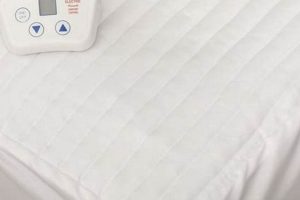
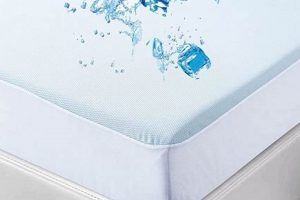
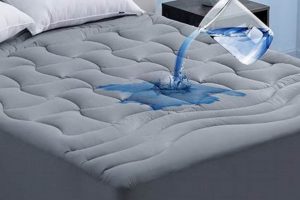
A protective bedding layer designed to shield a mattress from liquids and spills, these pads differentiate themselves through the employment of organically sourced materials in their construction. This often includes a surface fabric made from organically grown cotton or other natural fibers, coupled with a waterproof membrane typically derived from plant-based sources or certified safe synthetics. These components work in concert to provide a barrier against moisture while minimizing exposure to potentially harmful chemicals commonly found in conventional bedding.
The significance of such a product lies in its potential contributions to both personal well-being and environmental sustainability. Individuals seeking to reduce their contact with synthetic materials and allergens often find these pads a preferable alternative. Furthermore, the utilization of organic materials supports environmentally conscious agricultural practices and reduces reliance on petroleum-based products. Historically, the evolution of mattress protection has moved from simple cotton barriers to sophisticated, multi-layered systems, with the current focus on integrating organic and sustainable solutions.
The following sections will delve into the specific types of materials used in construction, the certifications to look for when purchasing, proper care and maintenance procedures, and a comparison with conventional, non-organic options. The objective is to provide a comprehensive guide to understanding and selecting the appropriate option for individual needs and preferences.
Guidance on Selecting and Maintaining Mattress Protection
This section presents essential guidelines to consider when acquiring and preserving the integrity of a specific bedding accessory. Adhering to these points will maximize the lifespan and effectiveness of the product.
Tip 1: Material Verification: Prior to purchase, scrutinize the certification labels. Seek assurances from recognized bodies regarding the organic status of the cotton or other fibers used. GOTS (Global Organic Textile Standard) certification is a reliable indicator of authentic organic material.
Tip 2: Waterproofing Assessment: Inquire about the composition of the waterproof layer. Ideally, it should be free from PVC, phthalates, and other potentially harmful chemicals. Consider options utilizing TPU (Thermoplastic Polyurethane) or plant-based alternatives.
Tip 3: Size and Fit Precision: Ensure the selected size precisely matches the dimensions of the mattress. An ill-fitting pad can compromise its protective capabilities and contribute to premature wear.
Tip 4: Laundering Protocol Adherence: Strictly follow the manufacturer’s laundering instructions. Overheating during washing or drying can damage the waterproof membrane. Mild detergents are generally recommended to preserve the integrity of the organic fibers.
Tip 5: Stain Mitigation Strategies: Address spills promptly to prevent staining and potential damage to the waterproof layer. Utilize gentle, non-bleach based cleaning agents to spot clean affected areas.
Tip 6: Regular Airing: Periodically air out the mattress protection to eliminate moisture buildup and maintain freshness. This practice can extend the lifespan and prevent the growth of mold or mildew.
Tip 7: Avoiding Harsh Chemicals: Refrain from using harsh chemicals, such as bleach or strong detergents, during cleaning. These substances can degrade the organic fibers and compromise the waterproof barrier.
Implementing these guidelines ensures the continued effectiveness and longevity of the bedding protection, providing lasting peace of mind.
The subsequent segment will explore the potential drawbacks and considerations associated with alternative types of mattress protection, allowing for a well-informed purchasing decision.
1. Organic Materials

The term “organic materials,” when applied to a waterproof mattress pad, signifies that the primary fabrics used in its constructiontypically the top layer that comes into contact with the sleeperare derived from organically grown sources. The cultivation of these sources adheres to stringent agricultural standards, eschewing the use of synthetic pesticides, herbicides, and genetically modified organisms. The selection of organic materials constitutes a fundamental component of the product. The presence of organically cultivated components directly mitigates potential exposure to chemical residues, thereby reducing the risk of allergic reactions and skin sensitivities, particularly in vulnerable populations such as infants and individuals with pre-existing health conditions. For instance, a mattress pad utilizing GOTS-certified organic cotton ensures that the cotton fibers have been grown and processed according to environmentally and socially responsible criteria.
The integration of these materials is not merely an aesthetic or marketing consideration; it directly impacts the product’s overall performance and life cycle. Organic cotton, for example, tends to be more breathable and durable than conventionally grown cotton, contributing to enhanced comfort and longevity. The practical significance of understanding the origin and composition of the organic materials lies in the ability to make informed purchasing decisions that prioritize health, environmental stewardship, and product quality. Consider the case of a family with young children; the selection of a product crafted from certified organic materials provides a measurable reduction in exposure to potentially harmful substances during sleep.
In summary, the choice of organic materials in mattress pad construction directly addresses concerns related to chemical exposure, environmental impact, and product durability. Recognizing the significance of these materials enables consumers to evaluate products based on verifiable standards and certifications, ultimately promoting healthier sleep environments and supporting sustainable agricultural practices. Challenges persist in ensuring transparency and traceability throughout the supply chain, but certifications serve as valuable tools for verifying the authenticity of “organic” claims and promoting consumer confidence.
2. Waterproof Barrier
The waterproof barrier within an organic waterproof mattress pad is a critical component that dictates its protective capabilities. It is the element responsible for preventing liquids from penetrating the pad and reaching the underlying mattress. Its composition and performance are intrinsically linked to the overall effectiveness and lifespan of the product.
- Membrane Material Composition
The materials used to create the barrier vary significantly. Traditional options include PVC (polyvinyl chloride), but more sustainable and non-toxic alternatives, such as TPU (thermoplastic poly
urethane) or polyethylene, are increasingly employed in organic offerings. The choice of material influences not only the waterproof performance but also the breathability and overall environmental impact. For instance, TPU is favored for its flexibility, durability, and recyclability compared to PVC. - Waterproof Performance Metrics
Waterproofness can be quantified using hydrostatic head tests, which measure the amount of water pressure the fabric can withstand before leaking. A higher hydrostatic head rating indicates superior protection. In practical terms, a mattress pad with a higher rating is more likely to effectively repel spills and accidents, prolonging the life of the mattress and minimizing the risk of mold or mildew growth. This is particularly crucial in environments with young children or individuals with incontinence.
- Breathability Considerations
While effective water resistance is paramount, breathability is also essential for comfort. A non-breathable barrier can trap heat and moisture, leading to discomfort and potentially fostering bacterial growth. Advanced waterproof membranes, such as those using microporous films, allow moisture vapor to escape while preventing liquid penetration. This balance of waterproofness and breathability enhances the sleep experience and promotes hygiene.
- Longevity and Durability
The durability of the waterproof layer directly affects the pad’s lifespan. Repeated washing, abrasion from bedding, and exposure to body weight can degrade the barrier over time. Higher-quality materials and construction techniques contribute to increased longevity. For example, a barrier that is laminated to the organic cotton fabric using heat rather than adhesives may be more resistant to delamination and cracking.
These facets highlight that the waterproof barrier is not merely a simple layer; it is a complex element with significant implications for performance, health, and sustainability. The interplay between material composition, waterproof performance, breathability, and durability dictates its suitability for different needs and environments. Selecting a product requires careful consideration of these factors to ensure optimal mattress protection and user satisfaction.
3. Health Benefits

The health benefits associated with a mattress pad stem from its material composition and its capacity to create a cleaner, more allergen-resistant sleep environment. The selection of organic and non-toxic materials directly impacts the user’s exposure to potentially harmful chemicals and allergens.
- Reduced Chemical Exposure
Conventional mattress pads often contain synthetic materials treated with chemical flame retardants, stain repellents, and antimicrobials. These chemicals can off-gas, releasing volatile organic compounds (VOCs) into the air and potentially causing respiratory irritation, headaches, or allergic reactions. An organic mattress pad, constructed from certified organic cotton and free from harmful chemical treatments, minimizes exposure to these substances, creating a healthier sleep environment.
- Allergen Protection
Mattresses can harbor dust mites, mold, and other allergens that can trigger allergic reactions and asthma symptoms. A waterproof mattress pad creates a barrier that prevents these allergens from penetrating the mattress. Choosing an organic option further reduces allergen exposure by ensuring that the pad itself does not contain allergenic chemicals or synthetic fibers that can irritate sensitive individuals.
- Improved Skin Health
Direct contact with synthetic fabrics and chemical residues can exacerbate skin conditions such as eczema and dermatitis. Organic cotton is naturally hypoallergenic and breathable, reducing the risk of skin irritation and promoting a more comfortable sleep experience. Individuals with sensitive skin often find relief by switching to organic bedding products.
- Enhanced Respiratory Health
The absence of VOCs and allergens in an organic mattress pad contributes to improved indoor air quality, promoting respiratory health. Individuals with asthma or other respiratory conditions may experience reduced symptoms and improved sleep quality when using organic bedding products. The creation of a cleaner, more breathable sleep environment reduces the likelihood of airway irritation and inflammation.
The convergence of reduced chemical exposure, allergen protection, improved skin health, and enhanced respiratory health underscores the potential health benefits associated with this bedding choice. The selection directly influences the quality of the sleep environment and contributes to overall well-being.
4. Environmental Impact
The consideration of environmental impact in relation to the construction and disposal of mattress pads has gained increasing prominence. The choices made regarding materials and manufacturing processes directly influence the ecological footprint associated with bedding products.
- Sustainable Sourcing of Materials
The utilization of organically grown cotton or other natural fibers reduces reliance on conventional agriculture, which often involves the use of synthetic pesticides, herbicides, and fertilizers. These chemicals can contaminate soil and water resources, posing risks to both human health and ecosystems. Organic farming practices promote biodiversity, soil health, and water conservation. Example: GOTS-certified organic cotton ensures environmentally and socially responsible textile production, from field to finished product.
- Reduced Chemical Pollution
Conventional waterproof mattress pads often contain PVC, phthalates, and other potentially harmful chemicals that can leach into the environment during manufacturing, use, and disposal. Organic alternatives typically employ safer materials, such as TPU or plant-based waterproof barriers, minimizing chemical pollution. For example, the use of water-based adhesives and dyes further reduces the release of harmful substances into the environment.
- Waste Reduction and Recyclability
The lifespan and end-of-life management of mattress pads contribute significantly to their environmental impact. Durable, high-quality products reduce the need for frequent replacements, minimizing waste. Organic mattress pads made from recyclable or biodegradable materials offer a more sustainable alternative to those made from synthetic, non-recyclable materials. For example, some manufacturers offer take-back programs to recycle or repurpose old mattress pads, reducing landfill waste.
- Lower Carbon Footprint
The production and transportation of bedding products contribute to greenhouse gas emissions. Organic farming practices can sequester carbon in the soil, mitigating climate change. Additionally, locally sourced materials and manufacturing processes reduce transportation distances, further minimizing the carbon footprint. Example: Choosing a product made in a facility powered by renewable energy sources reduces the overall environmental impact.
In summation, the environmental implications extend beyond the immediate product to encompass the entire life cycle, from raw material extraction to disposal. Prioritizing sus
tainable sourcing, reducing chemical pollution, minimizing waste, and lowering the carbon footprint are integral to mitigating the environmental impact. Opting for those crafted with ecologically sound principles represents a conscious decision to support environmental stewardship and promote sustainable consumption patterns.
5. Maintenance Requirements

The longevity and effectiveness of bedding protection are intrinsically linked to adherence to proper care protocols. This aspect is especially pertinent for products utilizing organic materials and waterproof membranes, as specific procedures are often necessary to preserve their unique characteristics and functionality.
- Laundering Frequency and Methods
Regular laundering is essential for hygiene, but the frequency should align with manufacturer recommendations. Over-washing can degrade both the organic fibers and the waterproof barrier. Cold water washing is generally advised to prevent shrinkage and color fading. Harsh detergents should be avoided, as they can strip natural oils from the organic cotton and potentially damage the waterproof membrane. A mild, plant-based detergent is a more suitable option. For instance, persistent stains should be pre-treated with a gentle stain remover rather than resorting to aggressive chemical cleaners.
- Drying Procedures
High heat during drying can compromise the integrity of the waterproof layer, causing it to crack or delaminate. Tumble drying on a low heat setting or air drying is preferable. Sunlight can also fade the colors of organic fabrics, so indirect sunlight is recommended for air drying. Avoid using dryer sheets, as they can leave a residue that reduces the breathability of the fabric and the effectiveness of the waterproof barrier.
- Spot Cleaning Techniques
For minor spills or stains, prompt spot cleaning can prevent permanent damage. Use a clean, damp cloth to blot the affected area, working from the outside in to prevent spreading the stain. Avoid rubbing vigorously, as this can damage the fibers. A mild solution of water and vinegar can be effective for removing many common stains. Ensure the area is thoroughly dry before remaking the bed.
- Storage Practices
When not in use, store the bedding protection in a cool, dry place away from direct sunlight and extreme temperatures. Fold it neatly to prevent creasing and potential damage to the waterproof membrane. Avoid storing it in airtight containers, as this can trap moisture and promote mold or mildew growth. A breathable cotton bag is a suitable storage option.
These maintenance requirements, while seemingly straightforward, directly impact the lifespan and performance. Neglecting these protocols can lead to premature wear, reduced effectiveness of the waterproof barrier, and potential degradation of the organic materials. Adherence to these practices ensures the continued protection and longevity, ultimately maximizing the value and sustainability of the bedding investment.
6. Certifications
In the context of bedding protection, certifications serve as verifiable assurances that a product meets specific standards related to its composition, manufacturing processes, and environmental impact. For consumers seeking bedding items with organic components, certifications provide a critical means of validating claims made by manufacturers, ensuring alignment with ethical and health-conscious purchasing decisions.
- GOTS (Global Organic Textile Standard)
This widely recognized certification covers the entire supply chain of organic textiles, from harvesting of raw materials to environmentally and socially responsible manufacturing. A product bearing the GOTS label guarantees that it contains a minimum percentage of certified organic fibers, typically 95% for the “organic” designation. This includes scrutiny of processing inputs like dyes and auxiliary chemicals used in production. This ensures minimal harmful substances are used. For a mattress pad, a GOTS certification confirms the organic status of the cotton or other natural fibers used in the top layer.
- OEKO-TEX Standard 100
The OEKO-TEX Standard 100 focuses on the human-ecological safety of textile products. It tests for harmful substances, such as formaldehyde, heavy metals, and allergenic dyes, ensuring that the finished product is safe for contact with skin. While not specifically an organic certification, the OEKO-TEX Standard 100 complements organic certifications by verifying that even non-organic components meet stringent safety criteria. A mattress pad bearing this certification is less likely to cause skin irritation or allergic reactions.
- CertiPUR-US
CertiPUR-US certification applies to the flexible polyurethane foam used in some mattress pads. It ensures that the foam has been tested and certified to meet specific standards for content, emissions, and durability. Certified foams are made without ozone depleters, PBDE flame retardants, mercury, lead, and other heavy metals. While primarily relevant to foam components, CertiPUR-US certification provides assurance of the absence of certain harmful chemicals in the finished product.
- MADE SAFE
The MADE SAFE certification takes a comprehensive approach to ingredient safety, scrutinizing every component of a product to ensure it is free from known or suspected harmful chemicals. This certification goes beyond merely restricting specific chemicals; it also prohibits entire classes of hazardous substances. A mattress pad with MADE SAFE certification offers a high level of assurance that it is free from potentially harmful ingredients.
These certifications offer consumers a framework for evaluating competing claims. It is crucial to differentiate between marketing claims that use wording that sound like certifications and labels from independent third parties. By recognizing and understanding these distinct certifications, individuals can make more informed decisions. This aligns choices with personal health and environmental values, contributing to a sleep environment that meets specific criteria for safety and sustainability.
Frequently Asked Questions
This section addresses common inquiries and clarifies misconceptions regarding the nature, functionality, and benefits of utilizing a protective layer derived from organically sourced components.
Question 1: What distinguishes bedding protection from a standard mattress protector?
The term “pad” typically denotes a thinner, quilted layer designed primarily for comfort and light spill protection. A protector, conversely, fully encases the mattress, offering more comprehensive allergen and liquid barrier functionality. The choice depends on individual needs and the desired level of safeguarding.
Question 2: How does the integration of organic materials influence water resistance?
The organic nature of the surface fabric does not inherently affect its waterproof capabilities. Water resistance is conferred by an underlying membrane, typically composed of TPU or other specialized materials. The organic designation pertains to the composition and cultivation of the fibers, not the waterproof layer.
Question 3: Can it be effectively sanit
ized in a conventional washing machine?
Most models are indeed machine washable; however, strict adherence to the manufacturer’s laundering instructions is paramount. Overheating or the utilization of harsh detergents can compromise the integrity of the waterproof membrane and the organic fibers. Cold water and gentle detergents are generally recommended.
Question 4: What certifications should one seek to ensure the authenticity of claims?
Reliable certifications include GOTS (Global Organic Textile Standard) for the organic content of the fabric and OEKO-TEX Standard 100 for the absence of harmful substances. These certifications provide verifiable assurance of the product’s composition and safety.
Question 5: Does the addition of a waterproof layer compromise breathability?
Older waterproof membranes could indeed restrict airflow. However, modern technologies, such as microporous films, allow for effective water resistance while maintaining breathability. Look for products specifically designed to balance protection and comfort.
Question 6: What is the anticipated lifespan, and how does it compare to conventional alternatives?
The lifespan is dependent on material quality, construction, and adherence to proper maintenance procedures. High-quality options, when cared for appropriately, can offer comparable longevity to conventional alternatives. The primary advantage lies in the reduced exposure to potentially harmful chemicals and the environmentally conscious sourcing of materials.
In conclusion, while demanding careful consideration, bedding protection offers a viable means of safeguarding a mattress while minimizing exposure to synthetic chemicals. Verifying certifications and adhering to proper maintenance protocols are crucial for realizing the full benefits.
The subsequent segment will present a comparative analysis of leading brands and models, highlighting key features, performance metrics, and consumer feedback to assist in the selection process.
Conclusion
This exploration has detailed the characteristics, benefits, and considerations surrounding the utilization of an “organic waterproof mattress pad.” From an examination of material composition and certification standards to a review of maintenance protocols and health implications, a comprehensive understanding of this bedding option has been established. The importance of verifying organic claims and prioritizing non-toxic components has been emphasized, along with the need for responsible sourcing and waste reduction.
The adoption of informed purchasing practices is paramount. Individuals are encouraged to critically evaluate product specifications, seek out credible certifications, and consider the long-term environmental impact of their bedding choices. The continued development of innovative, sustainable materials and manufacturing processes will further enhance the viability and accessibility of this protective layer in the future, promoting both personal well-being and environmental stewardship.
![The Ultimate Sealy Heated Mattress Pad Guide [2024] | Organic & Natural Mattress Buyer’s Guide: Non-Toxic Sleep Solutions](https://mattressworldpa.com/wp-content/uploads/2025/07/th-4816-300x200.jpg "The Ultimate Sealy Heated Mattress Pad Guide [2024] Organic & Natural Mattress Buyer’s Guide: Non-Toxic Sleep Solutions")