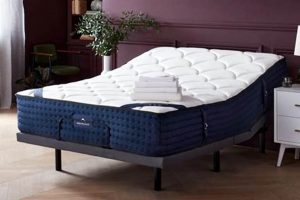
A sleep system combining the dimensions of a queen-size bed with the functionality of an adjustable base and a conforming mattress offers personalized comfort and support. It is typically composed of a motorized frame that allows the user to elevate the head and foot sections, paired with a mattress designed to flex and conform to the adjustable positions. These systems are often found in residential settings where individuals seek enhanced relaxation or require specific sleeping positions due to health conditions.
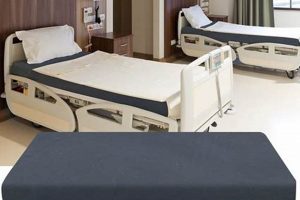
The appeal of such a sleep solution lies in its potential to improve sleep quality, alleviate pressure points, and offer relief from conditions such as back pain, acid reflux, and sleep apnea. Historically, adjustable beds were primarily associated with healthcare facilities; however, advancements in technology and design have led to their increased adoption in the consumer market. The benefit to user is providing customized ergonomic support, promoting better spinal alignment, and facilitating easier transitions in and out of bed.
The subsequent sections will delve into the specific features and considerations relevant to these systems, including mattress types best suited for adjustability, the range of features available in adjustable bases, and the factors influencing the overall investment in a comfortable and functional sleeping environment.
Considerations for Optimal Selection
Proper selection of a sleep system necessitates careful evaluation of individual needs and product specifications. The following considerations offer guidance for informed decision-making.
Tip 1: Mattress Material Compatibility: Identify mattress materials suitable for adjustable bases. Memory foam and latex mattresses generally offer greater flexibility and conformability compared to innerspring models. Innerspring mattresses may be damaged by the articulation of the base, negating warranties.
Tip 2: Base Motor Quality and Functionality: Evaluate the motor’s noise level and range of motion. Higher-quality motors provide smoother, quieter operation. Assess the available features, such as massage functions, USB ports, and pre-set positions. Determine if these features align with specific requirements.
Tip 3: Frame Construction and Weight Capacity: Examine the base’s frame construction for durability and stability. Verify that the weight capacity is sufficient for all anticipated users and associated bedding. A robust frame is essential for long-term reliability.
Tip 4: Mattress Thickness and Support: Select a mattress thickness appropriate for both comfort and adjustable base articulation. Thinner mattresses may conform more readily, but may also lack sufficient support for some individuals. Consider firmness level in relation to preferred sleeping position.
Tip 5: Remote Control Functionality and Ease of Use: Assess the user interface of the remote control. Intuitive controls and clear labeling are critical for ease of operation, particularly for elderly individuals or those with limited dexterity.
Tip 6: Warranty and Return Policies: Scrutinize warranty coverage for both the adjustable base and the mattress. Understand the terms and conditions, including any limitations or exclusions. Review return policies to ensure recourse in the event of dissatisfaction.
Adhering to these considerations will contribute to a more informed selection process, ultimately leading to a sleep system that effectively addresses individual requirements and promotes restful sleep.
The concluding section will summarize the key elements discussed and offer final guidance for successful implementation.
1. Size and Dimensions

The “queen size” designation for an adjustable bed and mattress defines the spatial footprint of the system, specifically measuring approximately 60 inches in width and 80 inches in length. These dimensions directly influence the suitability of the bed for different bedroom sizes and individual user needs. Smaller rooms may find a queen size unit to be a more comfortable fit, whereas larger rooms afford the option for a king or California king size, providing more sleeping surface per individual. For example, a couple sharing a room with limited square footage may opt for a queen size adjustable bed to maximize available space, while still enjoying the benefits of adjustability and individualized comfort. The practical implication of correctly assessing the size and dimensions lies in optimizing room layout, ensuring ease of movement around the bed, and maintaining a balanced aesthetic within the bedroom.
Beyond the overall footprint, the height of the adjustable bed base and mattress combination is another critical dimensional consideration. A taller bed may pose challenges for individuals with mobility issues, while a lower profile bed might not provide adequate storage space underneath. The thickness of the mattress itself also plays a role, affecting both the overall bed height and the degree to which the mattress can effectively conform to the adjustable base’s contours. For instance, a very thick, non-flexible mattress may hinder the base’s ability to articulate fully, negating some of the benefits of adjustability. Therefore, selecting a mattress with appropriate dimensions and flexibility is essential for maximizing the functionality and comfort of the adjustable bed system.
In summary, the size and dimensions are fundamental aspects of a queen size adjustable bed and mattress, dictating its spatial requirements and influencing its compatibility with various room layouts and user needs. Careful consideration of these dimensions, including overall footprint, bed height, and mattress thickness, is paramount to ensuring a comfortable, functional, and aesthetically pleasing sleep environment. The selection process should prioritize dimensional compatibility to realize the full potential of the adjustable bed system.
2. Adjustability Range

The adjustability range of a queen size adjustable bed significantly impacts its functionality and user experience. This range refers to the angles to which the head and foot sections of the bed can be elevated. The extent of this adjustability directly influences the potential for achieving various comfortable positions and addressing specific medical needs. For instance, individuals with acid reflux may require a more pronounced elevation of the head section to alleviate symptoms, while those with lower back pain might benefit from a slight elevation of the leg section to reduce pressure on the spine. The limited adjustability of some models can restrict the user’s ability to find optimal comfort or therapeutic positioning, diminishing the overall value of the adjustable bed.
Furthermore, the adjustability range interacts with the mattress’s flexibility. A mattress designed for adjustable be
ds must be able to conform to the various angles without bunching, creating pressure points, or sustaining damage. Mattresses with insufficient flexibility can limit the effective adjustability range, preventing the bed from reaching its full potential. Consider a scenario where an adjustable bed boasts a wide range of motion, but the accompanying mattress is too rigid. In this case, the user may not be able to utilize the full adjustability range comfortably, negating the intended benefits. The practical application of this understanding lies in carefully selecting a mattress specifically designed for use with adjustable bases, ensuring compatibility and maximizing the bed’s functional capacity.
In summary, the adjustability range is a critical attribute of a queen size adjustable bed, directly affecting its ability to provide customized comfort and therapeutic benefits. The effective utilization of this range relies heavily on the compatibility of the mattress, highlighting the interconnectedness of these two components. A thorough evaluation of the adjustability range and its interplay with mattress flexibility is essential for making an informed purchasing decision, ultimately ensuring a sleep system that meets individual needs and promotes optimal rest. Ignoring this interplay can lead to a suboptimal experience, limiting the advantages of an adjustable bed.
3. Mattress Compatibility

Mattress compatibility represents a critical determinant in the effective functionality and longevity of a queen size adjustable bed and mattress system. The interaction between the adjustable base and the mattress dictates the degree to which the system can deliver its intended ergonomic and comfort benefits. Incompatible mattresses may impede the base’s range of motion, experience structural damage, or fail to conform to the adjusted positions, thereby negating the advantages of adjustability. The cause-and-effect relationship is evident: an unsuitable mattress selection directly results in diminished system performance. For example, a traditional innerspring mattress, designed for a flat, rigid surface, lacks the necessary flexibility to articulate correctly with the adjustable base. This can lead to bent coils, reduced comfort, and a compromised lifespan for both the mattress and the base.
The significance of mattress compatibility as a component of a queen size adjustable bed and mattress system lies in its influence on spinal alignment, pressure relief, and overall sleep quality. Mattresses designed for adjustable beds, typically constructed from memory foam, latex, or hybrid materials with flexible coil systems, allow the bed to contour to the body in various positions. This adaptability promotes proper spinal support and reduces pressure points, enhancing comfort and potentially alleviating pain. A practical example is an individual suffering from sleep apnea. Elevating the head section of the bed necessitates a mattress that conforms without creating pressure on the neck or restricting airflow. A compatible mattress enables the user to achieve the desired elevation comfortably, thereby improving breathing and sleep quality.
In conclusion, mattress compatibility is inextricably linked to the performance and value of a queen size adjustable bed and mattress. Challenges arise from a lack of consumer awareness regarding suitable mattress types and from misleading marketing claims. Selecting a mattress explicitly designed and tested for compatibility with adjustable bases is essential. The practical significance of this understanding translates to an improved sleep experience, enhanced therapeutic benefits, and prolonged system durability. Neglecting mattress compatibility undermines the potential of the adjustable bed, leading to dissatisfaction and potentially negating the investment in the system.
4. Motorized Mechanism

The motorized mechanism constitutes the functional core of a queen size adjustable bed and mattress system, enabling the user to modify the bed’s configuration for comfort or therapeutic purposes. The quality and reliability of this mechanism directly affect the bed’s performance, longevity, and user satisfaction. An inadequate or poorly designed motor can lead to operational noise, limited range of motion, or premature failure, thereby diminishing the benefits of adjustability. Consider, for instance, a scenario where the motor lacks sufficient power to smoothly elevate the head or foot sections of the bed. This can result in jerky movements, discomfort, and a compromised ability to find optimal sleeping positions. The motorized mechanisms capabilities are thus essential to the value proposition of the entire sleep system.
The importance of the motorized mechanism as a component of a queen size adjustable bed and mattress stems from its role in providing customized support and positioning. The capacity to independently adjust the head and foot sections allows users to alleviate pressure points, improve circulation, and address specific medical conditions such as sleep apnea or acid reflux. For example, an individual with chronic back pain may find significant relief by elevating the leg section of the bed, thereby reducing strain on the lower back. The ability to fine-tune the bed’s position via the motorized mechanism directly translates to enhanced comfort and improved sleep quality. Furthermore, features such as preset positions, massage functions, and quiet operation further enhance the user experience and differentiate high-quality adjustable beds.
In conclusion, the motorized mechanism is an integral element of a queen size adjustable bed and mattress system, directly influencing its performance and value. Selecting a bed with a robust, reliable, and feature-rich motor is essential to realizing the full potential of adjustability. Challenges may arise from deceptive marketing claims or a lack of consumer awareness regarding motor specifications. Prioritizing quality and performance in the motorized mechanism ensures a sleep system that meets individual needs, promotes restful sleep, and provides long-term durability. A deficient motor can compromise the entire system, negating the investment in an adjustable bed.
5. Support and Comfort
The intertwined aspects of support and comfort represent fundamental considerations in the selection and effective utilization of a queen size adjustable bed and mattress. Adequate support ensures proper spinal alignment and reduces pressure points, thereby preventing discomfort and potential musculoskeletal issues. Comfort, on the other hand, is a more subjective measure related to the tactile feel and overall experience of the sleep surface. An imbalance between support and comfort can lead to compromised sleep quality and physical well-being. For instance, a mattress that provides ample support but lacks cushioning may result in pressure sores or joint pain, while a mattress that prioritizes comfort at the expense of support may contribute to spinal misalignment and back pain. The interplay of these factors dictates the overall suitability of a sleep system for an individual.
The significance of support and comfort as integral components of a queen size adjustable bed and mattress lies in their contribution to a restorative sleep environment. The adj
ustability feature enhances the potential for customized support, allowing users to modify the bed’s configuration to address specific needs. For example, an individual recovering from surgery may benefit from elevating the head and foot sections of the bed to reduce swelling and promote circulation. However, the mattress must also provide adequate support in these adjusted positions to prevent strain on the spine or joints. The practical application of this understanding involves carefully evaluating mattress materials, firmness levels, and adjustability capabilities to ensure a harmonious balance of support and comfort. A memory foam mattress, known for its conforming properties, paired with an adjustable base, exemplifies a system designed to optimize both factors.
In conclusion, support and comfort are indispensable elements of a queen size adjustable bed and mattress, influencing both physical health and sleep quality. Selecting a sleep system that adequately addresses these factors requires careful consideration of individual needs, mattress characteristics, and the adjustability features of the bed. Challenges may arise from subjective comfort preferences or conflicting marketing claims. Prioritizing a balanced approach that emphasizes both support and comfort is essential for achieving a restorative sleep experience and maximizing the long-term benefits of an adjustable bed system. A disregard for either support or comfort can undermine the effectiveness of the entire sleep system.
6. Overall Durability
Overall durability is a paramount consideration when evaluating a queen size adjustable bed and mattress system. The inherent complexity of adjustable beds, with their motorized components and articulating frames, necessitates robust construction and high-quality materials to ensure long-term reliability and prevent premature failure. The durability of both the adjustable base and the mattress contribute significantly to the overall value proposition of the system.
- Frame Construction and Material Strength
The frame’s construction directly influences the adjustable bed’s capacity to withstand repeated adjustments and weight loads. Steel frames, particularly those with reinforced welds, offer superior durability compared to lighter, less robust materials. Inferior frame materials may exhibit bending or cracking over time, compromising the bed’s structural integrity and potentially leading to mechanical failure. For example, consistent use of the adjustable features by a heavier individual will place significant stress on the frame, making the choice of durable materials crucial. The use of substandard materials to reduce manufacturing costs often results in a significantly shortened lifespan for the entire system.
- Motor and Mechanical Component Longevity
The motor and associated mechanical components responsible for the bed’s adjustability are subject to considerable wear and tear. High-quality motors, designed for sustained operation and heavy loads, are essential for ensuring long-term functionality. Frequent adjustments, particularly under heavy weight, can strain the motor, leading to premature burnout or decreased performance. A bed with a lower-quality motor may exhibit noisy operation or slow, jerky movements, indicating impending failure. Investing in a system with a reputable motor brand and a comprehensive warranty on mechanical components is critical for ensuring lasting durability.
- Mattress Material Resilience and Sag Resistance
The mattress, particularly when paired with an adjustable base, must exhibit exceptional resilience and resistance to sagging. The constant flexing and articulation of the adjustable base place considerable stress on the mattress materials, potentially leading to premature degradation. High-density foams, reinforced coil systems, and durable ticking fabrics are essential for maintaining the mattress’s shape and support over time. A mattress that exhibits significant sagging or compression will compromise comfort and spinal alignment, negating the benefits of the adjustable base. For example, a low-density memory foam mattress may quickly develop impressions or sink in areas subject to frequent pressure, diminishing its overall lifespan and support capabilities.
- Upholstery and Finish Resistance to Wear
The upholstery and finish of the adjustable bed base are also subject to wear and tear. Durable fabrics that resist staining, tearing, and fading are essential for maintaining the aesthetic appeal of the bed over time. Protective coatings on metal components can prevent rust and corrosion, further extending the system’s lifespan. Exposure to moisture, sunlight, or harsh cleaning agents can accelerate the degradation of upholstery and finishes. A bed with poorly chosen upholstery may exhibit visible wear and tear, detracting from its overall appearance and potentially indicating underlying quality issues.
These facets of durability are integral to the long-term value and functionality of a queen size adjustable bed and mattress system. Neglecting these considerations can result in a premature need for replacement, increased maintenance costs, and a diminished sleep experience. Prioritizing durability through informed purchasing decisions ensures a lasting investment in a comfortable and supportive sleep environment.
Frequently Asked Questions
This section addresses common inquiries regarding the selection, functionality, and maintenance of queen size adjustable bed and mattress systems, providing essential information for informed decision-making.
Question 1: What mattress types are most compatible with a queen size adjustable bed?
Memory foam, latex, and hybrid mattresses featuring flexible coil systems are generally the most compatible. These materials exhibit the necessary flexibility to conform to the adjustable base’s contours without compromising support or durability. Traditional innerspring mattresses are often less suitable due to their rigidity, which can impede the base’s articulation and potentially damage the mattress.
Question 2: How does the weight capacity of a queen size adjustable bed frame affect its performance?
The weight capacity indicates the maximum load the frame can safely support. Exceeding this limit can compromise the frame’s structural integrity, leading to bending, cracking, or motor failure. It is crucial to select a frame with a weight capacity that comfortably accommodates all anticipated users and bedding to ensure long-term reliability and prevent damage.
Question 3: What are the key features to consider when evaluating the motorized mechanism of a queen size adjustable bed?
Key features include motor power, noise level, range of motion, and control interface. A more powerful motor ensures smooth and effortless adjustments, while a lower noise level promotes a more restful sleep environment. A wider range of motion allows for greater customization of sleeping positions. An intuitive and user-friendly control interface simplifies operation.
Question 4: How does mattress thickness influence the performance of a queen size adjustable bed?
Mattress thickness affects both comfort and adjustability. Thinner mattresses generally conform more readily to the adjustable base’s contours but may lack sufficient support for some individuals. Thicker mattresses may provide enhanced support but may also impede the base’s articulation. The ideal thickness depends on individual preferences and the mattress’s material composition.
Question 5: What are the potential benefits of using a queen size adjustable bed and mattress system for individuals with specific medical conditions?
Adjustable beds can provide relief from symptoms associated with conditions such as acid reflux, sleep apnea, back pain, and arthritis. Elevating the head section can reduce acid reflux, while adjustable positioning can improve airflow for individuals with sleep apnea. Customizable support can alleviate pressure points and promote spinal alignment, benefiting those with back pain or arthritis.
Question 6: How should a queen size adjustable bed and mattress be properly maintained to ensure its longevity?
Regular cleaning of the mattress and frame is essential. The mattress should be vacuumed periodically to remove dust and allergens. The frame should be wiped down with a damp cloth to prevent the accumulation of dirt and debris. Following the manufacturer’s instructions for motor maintenance and avoiding exceeding the weight capacity are crucial for preserving the system’s functionality and durability.
These frequently asked questions provide a foundational understanding of queen size adjustable bed and mattress systems. Understanding these facets contributes to a well-informed purchasing decision.
The subsequent section will explore advanced features and customization options available in contemporary queen size adjustable beds.
Queen Size Adjustable Bed and Mattress
The preceding analysis has elucidated the multifaceted nature of the queen size adjustable bed and mattress system. Key aspects such as mattress compatibility, adjustability range, motorized mechanism performance, support characteristics, and overall durability were explored. The investigation revealed the critical interdependencies between these elements and their combined influence on user satisfaction and long-term value.
The information provided serves as a foundation for informed decision-making. Proper evaluation of individual needs and careful consideration of product specifications are essential for maximizing the benefits of a queen size adjustable bed and mattress. Ultimately, a well-chosen and properly maintained system can contribute significantly to improved sleep quality and overall well-being. Further research into specific features and emerging technologies is encouraged to stay abreast of advancements in this evolving market.