A bed designed to fit the typically smaller dimensions of recreational vehicles while offering a comfortable sleeping area is a key component of RV living. These beds often measure slightly smaller than standard residential versions to maximize space utilization within the RV. For example, an RV queen typically measures 60 inches wide by 75 inches long, differing slightly from the standard 60 by 80-inch dimensions.
The availability of appropriately sized sleeping arrangements significantly impacts the comfort and overall enjoyment of RV travel. A well-chosen bed provides restful sleep, enabling travelers to fully appreciate their experiences. Historically, RV mattresses were often thin and uncomfortable, but advancements in materials and manufacturing have led to significant improvements in quality and comfort, contributing to a more positive travel experience.
The following sections will detail considerations for selecting the right bed, explore available material options, and outline factors to consider when purchasing, including measurements, comfort preferences, and budget, to ensure optimal comfort and space utilization within your recreational vehicle.
Tips for Choosing a Comfortable RV Mattress
Selecting the appropriate sleeping surface requires careful consideration to ensure comfort and proper fit within the spatial constraints of a recreational vehicle.
Tip 1: Measure the Available Space: Prior to purchasing, accurately measure the dimensions of the RV bed platform. This will prevent the acquisition of an oversized unit that does not fit.
Tip 2: Consider Mattress Thickness: Thicker options may offer enhanced comfort but can reduce headroom, particularly in RVs with low ceilings. Assess the vertical space available.
Tip 3: Evaluate Material Options: Memory foam, latex, and innerspring designs each offer varying levels of support and temperature regulation. Select a material that aligns with individual comfort preferences and climate considerations.
Tip 4: Research Density and Support: Higher density foam generally provides greater support and durability. Consider the firmness level based on individual sleeping habits and body weight.
Tip 5: Check for Certifications: Look for certifications such as CertiPUR-US, indicating the mattress has been tested for harmful substances and meets certain standards for emissions and durability.
Tip 6: Consider the Weight: A heavy mattress can impact the fuel efficiency of the RV. Lighter materials may be preferable for minimizing overall weight.
Tip 7: Consider the Season: For hot temperature, consider a breathable materials that can help keep you cool and vice versa in winter.
Adhering to these guidelines will assist in selecting a suitable sleeping surface that maximizes comfort and functionality within the constraints of a recreational vehicle.
The subsequent sections will explore material types in greater detail and address common concerns regarding installation and maintenance.
1. Dimensions and Fit

Accurate measurement and appropriate fit are paramount when selecting a bed for use in a recreational vehicle. The constrained spatial environment of an RV necessitates precise consideration of dimensional compatibility to maximize comfort and usability.
- Standard RV Queen vs. Residential Queen
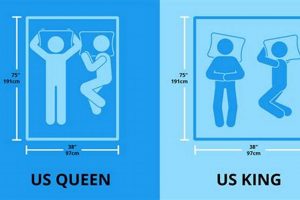
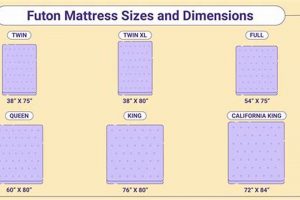
While both are designated “queen,” RV queen mattresses frequently possess smaller dimensions than their residential counterparts. A standard residential queen typically measures 60 inches wide by 80 inches long. An RV queen, however, may be closer to 60 inches wide by 75 inches long. This size reduction, while seemingly minor, can significantly impact the maneuverability and overall layout of an RV interior.
- Wheel Well Interference
The placement of wheel wells within an RV floor plan often dictates specific bed dimensions. Some RVs require mattresses with cut-out sections to accommodate wheel well protrusions. Failure to account for these structural elements can result in improper fit and compromised sleeping space. In such cases, custom-sized mattresses or strategically modified bed frames may be necessary.
- Slide-Out Considerations
RVs equipped with slide-out sections present unique dimensioning challenges. When a slide-out is retracted for travel, the available space for the bed may be reduced. Therefore, the dimensions of the mattress must be compatible with both the extended and retracted configurations of the slide-out. Ignoring this factor can lead to operational difficulties and potential damage to the RV’s internal components.
- Bed Frame Compatibility
The existing bed frame or platform within the RV must be accurately measured to ensure compatibility with the selected mattress. Factors such as frame height, support structure, and the presence of storage compartments beneath the bed all influence the suitability of a particular mattress size. Mismatched dimensions can compromise support, stability, and accessibility to under-bed storage areas.
The careful assessment of these dimensional considerations is essential for ensuring a comfortable and functional sleeping environment within a recreational vehicle. Choosing an undersized or oversized bed can result in discomfort and space constraints. Prioritizing accurate measurements and verifying compatibility with existing RV structures are crucial steps in the selection process.
2. Material and Comfort

Material composition fundamentally determines the comfort level of a queen size mattress for an RV. The limited space and specific usage patterns within recreational vehicles necessitate careful consideration of material properties to ensure adequate sleep quality and durability. For example, a memory foam mattress conforms to the body, alleviating pressure points and promoting spinal alignment, crucial for comfort during travel on uneven roads. Conversely, an innerspring mattress provides firmer support and better air circulation, mitigating heat retention which can be a significant concern in warmer climates. The choice of material, therefore, has a direct causal relationship with the user’s sleep experience.
The importance of material selection is underscored by the need for space efficiency and weight management in RVs. Lightweight materials, such as certain types of foam, reduce the overall load on the vehicle, improving fuel efficiency and handling. Furthermore, materials must withstand the rigors of travel, including temperature fluctuations and potential moisture exposure. A real-life example illustrating this is the use of closed-cell foam in RV mattresses, offering resistance to moisture absorption, preventing mold growth and extending the lifespan of the mattress, particularly in humid environments. The use of such materials translates directly into a more comfortable and hygienic sleeping environment over the long term.
In summary, the correlation between material and comfort in an RV mattress is paramount, influencing sleep quality, durability, and overall usability. Challenges related to weight, space, and environmental factors must be addressed through informed material selection. Understanding the properties of different materials allows RV owners to make informed decisions, aligning their mattress choice with their specific needs and travel conditions, ultimately ensuring a restful and comfortable experience on the road.
3. Weight Consideration

Weight is a critical factor when selecting a queen size mattress for an RV, significantly impacting fuel efficiency, handling, and overall safety. Exceeding the RV’s weight capacity can compromise its structural integrity and increase the risk of accidents. Therefore, careful consideration of the mattress weight is essential.
- Impact on Fuel Efficiency
A heavier mattress directly contributes to increased fuel consumption. The added weight requires the engine to work harder, reducing the miles per gallon achieved. For example, replacing a lightweight foam mattress with a heavier innerspring model can measurably decrease fuel efficiency over long distances. This incremental increase in fuel consumption can accumulate significantly, impacting the overall cost of RV travel.
- Effects on Handling and Stability
Excessive weight, particularly when concentrated in specific areas of the RV, can negatively affect handling and stability. A heavier mattress can raise the center of gravity, making the RV more susceptible to swaying and instability, especially during high winds or sharp turns. This can compromise driver control and increase the potential for accidents. Distributing weight evenly throughout the RV is crucial for maintaining optimal handling characteristics.
- Load Capacity Limitations
Every RV has a Gross Vehicle Weight Rating (GVWR), which specifies the maximum permissible weight of the vehicle, including passengers, cargo, and fluids. Exceeding the GVWR can lead to mechanical failures, such as damaged axles, tires, or suspension components. Adding a heavy mattress can easily push the RV over its GVWR, creating a safety hazard. It is imperative to consult the RV’s documentation and weigh the vehicle regularly to ensure compliance with weight restrictions.
- Material Composition and Weight
The material composition of a mattress directly influences its weight. Innerspring mattresses tend to be heavier due to the presence of metal coils, while foam mattresses, particularly those made from lightweight materials like memory foam or latex, are typically lighter. Hybrid mattresses, which combine elements of both innerspring and foam construction, offer a balance between comfort and weight. Selecting a mattress with a lightweight material composition can help minimize the impact on the RV’s overall weight.
These considerations highlight the importance of carefully evaluating the weight of a potential queen size mattress for an RV. Selecting a lighter option can improve fuel efficiency, enhance handling, and ensure compliance with the RV’s weight capacity, ultimately contributing to a safer and more enjoyable travel experience. A thorough assessment of the mattress’s weight in relation to the RV’s specifications is a necessary step in the purchasing process.
4. Durability and Lifespan

The durability and lifespan of a queen size mattress for an RV directly impact the long-term comfort and cost-effectiveness of recreational vehicle ownership. Unlike residential mattresses, those in RVs are subjected to more frequent movement, temperature fluctuations, and varying levels of humidity, necessitating robust construction and resilient materials.
- Material Quality and Construction
The type and quality of materials used in the mattress construction are primary determinants of its durability. High-density foams, reinforced innerspring systems, and tightly woven fabrics contribute to increased resistance to wear and tear. For example, a mattress utilizing high-density memory foam will likely retain its shape and support longer than one made with lower-density foam. Similarly, a mattress with reinforced seams and edges will withstand the stresses of frequent movement and compression more effectively.
- Resistance to Environmental Factors
RVs are often exposed to varying environmental conditions, including extreme temperatures and humidity levels. Mattresses that are resistant to these factors will exhibit a longer lifespan. For instance, mattresses treated with antimicrobial agents or constructed with breathable fabrics are less susceptible to mold and mildew growth, which can compromise their structural integrity and hygiene. Similarly, mattresses that are resistant to temperature-induced expansion and contraction will maintain their shape and support over time.
- Usage Patterns and Maintenance
The frequency and intensity of use, along with proper maintenance practices, significantly influence the lifespan of a mattress. Mattresses in RVs that are used only occasionally will typically last longer than those in full-time living situations. Regular rotation and flipping (if applicable) can help distribute wear evenly, extending the mattress’s lifespan. Additionally, the use of a mattress protector can shield the mattress from spills, stains, and other forms of damage, preserving its condition and prolonging its usability.
- Warranty and Manufacturer Reputation
A comprehensive warranty from a reputable manufacturer provides an indication of the mattress’s expected durability and lifespan. A longer warranty period suggests that the manufacturer has confidence in the quality of its product and is willing to stand behind it. Researching customer reviews and assessing the manufacturer’s reputation can provide valuable insights into the long-term performance and reliability of the mattress.
In conclusion, maximizing the durability and lifespan of a queen size mattress for an RV requires careful consideration of material quality, environmental resistance, usage patterns, and manufacturer reputation. Investing in a well-constructed and properly maintained mattress will not only enhance the comfort of the RV but also reduce the long-term costs associated with replacement and maintenance.
5. Ventilation and Temperature
Effective ventilation and temperature regulation are critical components of a queen size mattress in the confined environment of a recreational vehicle. The smaller space and potential for limited airflow can lead to increased humidity and heat build-up within the mattress, directly affecting sleep quality and potentially compromising hygiene. Material selection significantly influences ventilation; for example, open-cell foam structures promote air circulation, dissipating heat more effectively than closed-cell alternatives. Mattresses lacking adequate ventilation can become breeding grounds for mold and mildew, posing health risks to occupants. The causal relationship between poor ventilation and elevated temperature within the mattress creates an environment conducive to microbial growth and discomfort.
The practical significance of understanding this connection manifests in informed consumer choices. Selecting a mattress with features designed to enhance ventilation, such as breathable fabrics, strategically placed ventilation channels, or the incorporation of cooling gel-infused memory foam, can mitigate the negative effects of heat and humidity. Moreover, the use of slatted bed frames or platforms that allow for airflow beneath the mattress can further improve ventilation. In real-world scenarios, RV owners residing in warmer climates often prioritize mattresses with these features to counteract the effects of prolonged sun exposure and high ambient temperatures within the vehicle. Proper climate control systems within the RV further contribute to maintaining a comfortable sleeping environment.
In summary, the interplay between ventilation and temperature regulation is paramount to the performance and longevity of a queen size mattress in an RV. Addressing potential challenges related to heat and humidity through informed material selection, design features, and supplementary climate control measures ensures a more comfortable, hygienic, and durable sleeping surface. Recognizing the importance of these factors contributes to a more positive and healthful RV living experience.
6. Price and Value
The correlation between price and value when selecting a queen size mattress for an RV necessitates a comprehensive evaluation, transcending mere cost comparison to encompass long-term benefits and performance attributes. The financial investment should align with the anticipated lifespan, comfort level, and contribution to the overall RV travel experience.
- Initial Cost vs. Longevity
A lower initial price point may be attractive, but it is essential to consider the mattress’s expected lifespan. A less expensive model constructed with inferior materials may require more frequent replacement, resulting in higher overall costs over time. Conversely, a higher-priced mattress made with durable, high-quality materials may offer a longer lifespan, providing better value in the long run. For example, a memory foam mattress with a high-density core, though initially more expensive, can provide superior support and resist sagging, extending its usability compared to a lower-cost innerspring mattress.
- Comfort and Sleep Quality
The price of a mattress often reflects its comfort level and ability to provide restful sleep. A comfortable mattress can improve the overall travel experience, reducing fatigue and enhancing alertness. Features such as pressure-relieving foam layers, temperature-regulating fabrics, and customized support systems contribute to a higher price point. However, the value derived from improved sleep quality and physical well-being can outweigh the additional cost. Consider that a mattress that alleviates back pain or promotes deeper sleep directly enhances the enjoyment of RV travel.
- Material Composition and Health Considerations
Mattresses made with hypoallergenic or CertiPUR-US certified materials may command a higher price. These certifications indicate that the mattress has been tested for harmful substances and meets certain standards for emissions and durability. Investing in a mattress with these certifications can provide peace of mind regarding health and safety, particularly for individuals with allergies or sensitivities. The value lies in the assurance of a healthier sleeping environment and the avoidance of potential health issues associated with substandard materials.
- Warranty and Customer Support
The length and scope of the warranty, as well as the quality of customer support offered by the manufacturer, contribute to the overall value of a mattress. A longer warranty period suggests that the manufacturer has confidence in the product’s durability and is willing to stand behind it. Responsive and helpful customer support can provide assistance with any issues that may arise, ensuring a positive ownership experience. The value lies in the assurance that the investment is protected and that assistance is available if needed.
In conclusion, the assessment of price and value regarding a queen size mattress for an RV requires a holistic approach. Evaluating factors such as longevity, comfort, health considerations, warranty, and customer support provides a more complete understanding of the true cost and benefits associated with different mattress options. Making an informed decision based on these factors ensures that the chosen mattress delivers optimal value and contributes to a comfortable and enjoyable RV travel experience.
Frequently Asked Questions
This section addresses common inquiries regarding the selection and utilization of a queen-sized mattress within a recreational vehicle.
Question 1: What distinguishes an RV queen mattress from a standard residential queen mattress?
An RV queen mattress typically possesses dimensions slightly smaller than a standard residential queen to accommodate the spatial constraints of recreational vehicles. While a residential queen measures 60 inches wide by 80 inches long, an RV queen may be 60 inches wide by 75 inches long. This difference can be crucial for ensuring proper fit within the RV’s sleeping area.
Question 2: How does the weight of the mattress affect the performance of the RV?
The weight of the mattress directly impacts fuel efficiency, handling, and overall safety. A heavier mattress increases fuel consumption and can negatively affect handling, potentially exceeding the RV’s weight capacity. Selecting a lighter mattress material minimizes these negative effects.
Question 3: What mattress materials are best suited for the unique environment of an RV?
Materials resistant to temperature fluctuations and humidity are preferable. Memory foam provides comfort and support, while innerspring offers better air circulation. Closed-cell foams resist moisture absorption, preventing mold growth. Breathable fabrics enhance ventilation, mitigating heat retention.
Question 4: How should one properly measure the space for a queen size mattress in an RV?
Accurately measure the bed platform’s length and width within the RV. Account for any wheel well intrusions or slide-out mechanisms that may affect available space. Verify compatibility with the existing bed frame or platform to ensure proper support and stability.
Question 5: What certifications should one look for when purchasing a mattress for an RV?
Certifications such as CertiPUR-US indicate that the mattress has been tested for harmful substances and meets certain standards for emissions and durability. These certifications provide assurance of product safety and quality.
Question 6: How can the lifespan of a queen size mattress in an RV be extended?
Regular rotation and flipping (if applicable) distribute wear evenly. The use of a mattress protector shields the mattress from spills, stains, and other forms of damage. Maintaining adequate ventilation and humidity control within the RV prevents mold and mildew growth, preserving the mattress’s condition.
Key takeaways include the importance of accurate measurement, weight consideration, material selection, and proactive maintenance for ensuring optimal comfort and longevity of a queen-sized mattress within a recreational vehicle.
The subsequent section will explore advanced customization options and alternative sleeping arrangements within RVs.
Queen Size Mattress for an RV
This exploration of the queen size mattress for an RV underscores its significance beyond mere amenity. Considerations of dimension, material, weight, durability, ventilation, and cost all converge to influence the comfort, safety, and efficiency of recreational vehicle travel. A properly chosen mattress optimizes space utilization, promotes restful sleep, and contributes to the overall well-being of occupants.
Selecting the appropriate sleeping surface, therefore, warrants careful evaluation and informed decision-making. The long-term benefits of a well-suited mattress far outweigh the immediate expense, solidifying its status as a critical investment for any RV owner. Future innovations in material science and ergonomic design may further refine the RV mattress landscape, emphasizing the need for continued vigilance and adaptation within this specialized market.