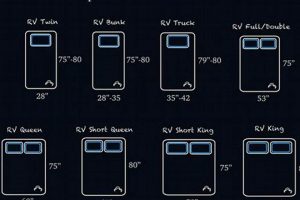
A sleeping surface designed to fit within the constraints of a recreational vehicle, approximating the dimensions of a standard queen bed, represents a specific solution for optimizing comfort in mobile living spaces. This type of mattress is often configured to accommodate the unique shapes and sizes found within campers, potentially differing from standard residential queen mattresses in exact dimensions or corner rounding. For example, a short queen, measuring slightly shorter than a typical queen, is frequently utilized in RVs to maximize available floor space.
The selection of an appropriate sleeping solution is crucial for ensuring adequate rest during travel. A properly chosen surface can mitigate discomfort caused by uneven terrain or extended periods of immobility. Historically, simpler bedding options were common in recreational vehicles. However, with increased emphasis on comfort and well-being, specialized mattresses designed for the unique challenges of camper environments have become increasingly prevalent. The shift reflects a growing understanding of the impact of sleep quality on overall travel experiences.
Therefore, an examination of the features, materials, and considerations related to camper mattresses is warranted. This discussion will cover aspects such as material composition, size variations, weight considerations, and storage solutions, all of which contribute to informed decision-making.
Considerations for Integrating a Camper Queen Mattress
The successful integration of a camper queen mattress hinges on careful planning and an understanding of the constraints within the recreational vehicle. The following tips offer guidance on making informed decisions related to size, material, and installation.
Tip 1: Precise Measurement is Paramount: Prior to purchase, meticulously measure the available space within the camper’s designated sleeping area. Account for any obstructions, wheel wells, or built-in furniture that might impede mattress placement. A template, cut to the precise dimensions of the intended mattress, can aid in visualizing the fit.
Tip 2: Material Selection Impacts Comfort and Weight: Memory foam, latex, and innerspring constructions each present distinct advantages and disadvantages. Memory foam conforms to the body, but can retain heat. Latex offers breathability and responsiveness. Innerspring mattresses are often more affordable but may lack pressure relief. Consider weight, as heavier mattresses can impact fuel efficiency and vehicle handling.
Tip 3: Address Moisture Concerns: Campers are susceptible to humidity and condensation. Select a mattress with a breathable cover or incorporate a moisture-wicking underlay to prevent mildew growth. Regularly ventilate the camper to further mitigate moisture accumulation.
Tip 4: Evaluate Thickness Relative to Headroom: The mattress’s thickness directly affects available headroom, particularly in overhead bunks or low-profile campers. A thinner mattress may be necessary to maintain comfortable clearance.
Tip 5: Prioritize Support and Durability: A robust support system is essential for preventing sagging and ensuring long-term comfort. Reinforced edges can provide enhanced stability, particularly for sleepers who utilize the mattress’s full surface area.
Tip 6: Research Specialized Camper Mattresses: Many manufacturers offer mattresses specifically designed for recreational vehicles, often featuring rounded corners or custom dimensions to maximize space utilization. Investigate these options to potentially achieve a more seamless fit.
These considerations highlight the need for a strategic approach to selecting a camper queen mattress. By carefully addressing these factors, users can optimize comfort, durability, and space utilization within their recreational vehicle.
The subsequent sections will delve into specific product recommendations and maintenance strategies to ensure the longevity and performance of the chosen mattress.
1. Dimensions

The dimensional characteristics of a mattress directly dictate its suitability for use within a camper. Constraints on space within recreational vehicles necessitate precise adherence to specified measurements, thereby ensuring functionality and comfort. Failure to account for dimensional limitations can result in impeded movement, reduced storage, and compromised usability of the sleeping area.
- Standard Queen vs. Short Queen
Standard queen mattresses, commonly used in residential settings, may prove unsuitable for many campers due to their length. The “short queen” variation, typically measuring approximately 60 inches wide by 75 inches long, provides a more compact alternative, maximizing usable space without significantly compromising sleeping surface area. The selection between these two options hinges directly on the available length within the camper’s designated sleeping platform.
- Thickness and Headroom
Mattress thickness has a direct bearing on headroom, particularly in campers with low ceilings or overhead bunks. Excessive thickness can restrict movement and create a sense of confinement. Conversely, insufficient thickness may compromise support and comfort. An optimal balance must be achieved to ensure both postural support and adequate headroom for occupants.
- Corner Radius and Shape
The shape of the mattress, specifically the corner radius, can impact its fit within the camper. Square corners may not conform optimally to curved walls or irregularly shaped sleeping platforms common in RVs. Mattresses with rounded corners may provide a more seamless and efficient use of available space, minimizing gaps and potential obstructions.
- Custom Dimensions
In certain scenarios, standard size offerings may not adequately address the specific dimensional constraints of a camper. Custom-sized mattresses provide a solution for maximizing space utilization and ensuring a precise fit. However, this option typically entails higher costs and potentially longer lead times for production.
The interplay of these dimensional facets underscores the critical role of accurate measurement and careful consideration when selecting a mattress for a camper. An informed decision, based on these considerations, is essential for optimizing comfort, functionality, and overall enjoyment of the recreational vehicle experience.
2. Material Composition

The material composition of a mattress fundamentally dictates its performance characteristics, influencing factors such as comfort, support, durability, and weight, all of which are paramount when selecting a “queen size mattress for camper”. The confined spaces and potential environmental challenges within a recreational vehicle necessitate careful consideration of the materials employed in the construction of the mattress.
- Foam Density and Type
Foam density, measured in pounds per cubic foot, correlates directly with support and durability. Higher density foams provide greater resistance to compression and sagging, extending the lifespan of the mattress. Memory foam, polyurethane foam, and latex foam are common choices, each exhibiting distinct properties. Memory foam conforms to the body, offering pressure relief, but can retain heat. Latex offers superior breathability and responsiveness. Polyurethane foam serves as a cost-effective option, but may lack the durability of higher-end materials. For example, a camper frequently used in hot climates would benefit from a latex or open-cell memory foam construction to mitigate heat retention.
- Innerspring Coil Gauge and Count
Innerspring mattresses utilize a network of coils to provide support. Coil gauge, a measure of wire thickness, impacts firmness and durability. Lower gauge numbers indicate thicker wires and a firmer feel. Coil count reflects the number of individual coils, with higher counts generally correlating with improved support and reduced motion transfer. An innerspring mattress with a higher coil count and lower gauge may be suitable for campers seeking a firmer sleeping surface and enhanced support for multiple occupants.
- Cover Fabric and Breathability
The mattress cover serves as the primary interface between the sleeper and the mattress core. Fabric selection directly influences breathability, moisture-wicking properties, and overall comfort. Natural fibers such as cotton or bamboo offer superior breathability compared to synthetic materials like polyester. A breathable cover can help regulate temperature and reduce moisture accumulation within the mattress, preventing mildew growth and promoting a more comfortable sleep environment. In a camper environment where condensation is a concern, a moisture-wicking and breathable cover is a practical necessity.
- Flame Retardant Materials
Mattresses are often treated with flame retardant materials to comply with safety regulations. The type of flame retardant used can impact off-gassing and potential health concerns. Natural flame retardants, such as wool or silica, offer safer alternatives to chemical-based treatments. Understanding the flame retardant composition is crucial for individuals with sensitivities or health concerns, ensuring a safer sleep environment within the confined space of a camper.
These material attributes are intricately linked to the overall performance and longevity of a “queen size mattress for camper”. Prioritizing high-quality, durable, and breathable materials tailored to the specific challenges of the camper environment ensures a comfortable and healthy sleep experience, ultimately enhancing the overall enjoyment of recreational travel.
3. Weight Considerations
Weight represents a critical parameter when selecting a “queen size mattress for camper.” The overall weight of the mattress directly influences the recreational vehicle’s fuel efficiency, handling characteristics, and payload capacity. Excessive weight can negatively impact vehicle performance and safety, necessitating a careful evaluation of mattress weight alongside other selection criteria.
- Impact on Fuel Efficiency
A heavier mattress adds to the overall weight of the recreational vehicle, thereby increasing fuel consumption. This effect is amplified during uphill travel or when towing additional loads. Choosing a lighter mattress option can contribute to significant fuel savings over extended trips. For instance, a difference of 50 pounds in mattress weight can translate into a measurable reduction in fuel costs, particularly for long-distance travel.
- Effect on Vehicle Handling
Excessive weight distribution can negatively impact a recreational vehicle’s handling and stability. A heavy mattress, particularly if concentrated in one area, can alter the vehicle’s center of gravity, making it more susceptible to sway or instability, especially in windy conditions. Maintaining a balanced weight distribution is paramount for safe and predictable handling, making a lighter mattress a favorable choice.
- Payload Capacity Implications
Every recreational vehicle has a designated payload capacity, representing the maximum allowable weight of passengers, cargo, and fluids. The weight of the mattress directly reduces the available payload capacity. Exceeding the payload capacity can compromise vehicle safety and structural integrity. Prioritizing a lighter mattress ensures that more payload capacity remains available for other essential items and passengers.
- Material Composition and Weight
The material composition of the mattress directly influences its weight. Innerspring mattresses, with their steel coil construction, tend to be heavier than foam mattresses. Memory foam and latex mattresses vary in weight depending on density. Careful consideration of material composition allows for an informed assessment of weight implications. For example, a high-density memory foam mattress, while offering superior comfort, will likely weigh more than a comparable innerspring model.
In conclusion, weight considerations are inextricably linked to the selection of a “queen size mattress for camper.” By carefully assessing the impact of mattress weight on fuel efficiency, vehicle handling, payload capacity, and material composition, users can make informed decisions that prioritize safety, performance, and overall practicality within the confined environment of a recreational vehicle.
4. Space Optimization

The integration of a “queen size mattress for camper” necessitates a careful consideration of space optimization, given the inherently limited dimensions within recreational vehicles. Maximizing usable space is paramount for ensuring comfortable living and efficient storage, thereby enhancing the overall usability of the camper.
- Foldable and Convertible Designs
Foldable or convertible mattresses offer a mechanism for reclaiming space when the sleeping area is not in use. These designs often incorporate hinges or segmented constructions, enabling the mattress to be folded into a sofa or other functional form. For example, a tri-fold mattress can be easily converted into a seating arrangement during daytime hours, freeing up valuable floor space within the camper. The efficacy of these designs hinges on the ease of conversion and the comfort level of the resulting seating configuration.
- Under-Mattress Storage Solutions
The space beneath the mattress represents a potentially valuable storage area. Elevated bed frames or platforms can accommodate storage bins, drawers, or compartments, providing concealed storage for clothing, equipment, or other essential items. Access to under-mattress storage must be convenient and unobtrusive to maintain ease of use. For example, a hinged platform allows for direct access to the storage area without requiring the removal of the mattress. The structural integrity of the platform must be sufficient to support the weight of both the mattress and stored items.
- Mattress Dimensions and Camper Layout
The dimensions of the mattress must be carefully aligned with the camper’s layout to maximize space utilization. A “short queen” mattress, as previously discussed, offers a compromise between sleeping surface area and overall length, allowing for greater maneuverability within the camper. Custom-sized mattresses provide an opportunity to precisely tailor the sleeping surface to the available space, minimizing wasted areas and optimizing the flow of movement. Careful consideration of these dimensional factors is essential for achieving a functional and comfortable living environment.
- Vertical Space Utilization
Optimizing vertical space can further enhance space efficiency. Storage solutions that extend upwards, such as shelving units or overhead compartments, can supplement under-mattress storage and provide additional capacity for organizing belongings. The height of the mattress should be carefully considered in relation to these vertical storage elements to maintain adequate headroom and prevent a feeling of confinement. Effective vertical space utilization requires a cohesive design that integrates storage solutions with the sleeping area in a harmonious and functional manner.
The principles of space optimization are intrinsically linked to the selection and integration of a “queen size mattress for camper.” By carefully considering foldable designs, under-mattress storage, dimensional alignment, and vertical space utilization, users can maximize the functionality and comfort of their recreational vehicle, creating a more enjoyable and efficient living environment. Further advancements in camper design may incorporate integrated storage solutions that seamlessly blend with the mattress platform, further enhancing space efficiency and overall usability.
5. Durability
The longevity of a mattress, its ability to withstand prolonged use and environmental stressors, constitutes a critical factor in the context of a “queen size mattress for camper.” Given the often demanding conditions within a recreational vehicle, encompassing temperature fluctuations, humidity, and frequent movement, the inherent durability of the mattress directly impacts its value proposition and lifespan.
- Material Resilience
The inherent resilience of constituent materials dictates the mattress’s resistance to degradation over time. High-density foams, for example, exhibit superior resistance to compression and sagging compared to lower-density alternatives. Innerspring mattresses with tempered steel coils maintain their structural integrity for a longer duration. The selection of robust and resilient materials directly contributes to the overall durability of the mattress, mitigating the need for frequent replacements.
- Seam Integrity and Construction Quality
The quality of the mattress’s construction, particularly the integrity of its seams and stitching, plays a pivotal role in its ability to withstand stress and movement. Weak seams are prone to tearing or separation, leading to premature failure of the mattress. Reinforced edges and meticulous stitching techniques enhance the mattress’s structural stability, ensuring that it maintains its shape and support over time. Mattresses subjected to frequent folding or compression, common in convertible camper layouts, require particularly robust seam construction.
- Resistance to Environmental Factors
Campers are often exposed to a range of environmental factors that can accelerate mattress degradation. Humidity can promote mildew growth, compromising the structural integrity of foam and fabric. Temperature fluctuations can cause materials to expand and contract, leading to cracking or deformation. Mattresses constructed with moisture-resistant materials and breathable covers are better equipped to withstand these environmental stressors, thereby extending their lifespan.
- Warranty and Expected Lifespan
The manufacturer’s warranty serves as an indicator of their confidence in the mattress’s durability. A longer warranty period typically reflects a higher expectation of product longevity. However, it is crucial to carefully review the warranty terms and conditions to understand the specific coverage and limitations. The expected lifespan of the mattress, based on material composition and construction quality, provides a further indication of its long-term value. A well-constructed mattress, properly maintained, can provide years of comfortable and reliable use within the demanding environment of a camper.
These facets of durability underscore the importance of a discerning selection process when purchasing a “queen size mattress for camper.” Prioritizing resilient materials, robust construction, environmental resistance, and a comprehensive warranty ensures a long-lasting and cost-effective sleeping solution, ultimately enhancing the overall recreational vehicle experience. The investment in a durable mattress translates directly into reduced replacement costs and sustained comfort over the long term.
6. Moisture Resistance

Moisture resistance constitutes a crucial attribute for a “queen size mattress for camper” due to the inherent environmental conditions within recreational vehicles. Condensation, humidity, and potential spills create a heightened risk of moisture accumulation within the mattress core. The presence of moisture fosters the growth of mold, mildew, and bacteria, compromising hygiene, structural integrity, and the overall lifespan of the mattress. For instance, prolonged exposure to damp conditions can degrade foam, leading to sagging and a reduction in support. Furthermore, the proliferation of microorganisms within the mattress can trigger allergic reactions or respiratory problems in occupants. A mattress lacking adequate moisture resistance, therefore, presents a significant health and comfort risk within the confined space of a camper.
The selection of materials plays a decisive role in determining the mattress’s capacity for moisture resistance. Closed-cell foams, for example, impede moisture penetration to a greater extent than open-cell varieties. Waterproof or water-resistant mattress covers provide an additional barrier against spills and condensation. Breathable fabrics promote airflow, facilitating the evaporation of any accumulated moisture. Consider a scenario where a camper experiences a roof leak during a rainstorm. A mattress with a waterproof cover and moisture-wicking properties will mitigate water damage, preventing the formation of mold and preserving the integrity of the sleeping surface. Regular ventilation of the camper further reduces the risk of moisture buildup, complementing the protective qualities of the mattress itself.
In summary, moisture resistance is not merely a desirable feature but an essential requirement for a “queen size mattress for camper.” The selection of appropriate materials, coupled with proactive measures to control humidity and ventilation, ensures a hygienic, comfortable, and durable sleeping environment within the challenging conditions of a recreational vehicle. Neglecting this aspect can lead to significant health and financial repercussions, ultimately detracting from the overall enjoyment of the camper experience.
7. Sleeping Comfort

The degree to which a “queen size mattress for camper” facilitates restful sleep directly influences the overall quality of the recreational vehicle experience. An uncomfortable sleeping surface can negate the benefits of travel, leading to fatigue, diminished cognitive function, and impaired physical performance. Therefore, the relationship between sleeping comfort and the selection of an appropriate mattress is one of direct cause and effect. The mattress’s design, materials, and construction directly impact the sleeper’s comfort level, determining the extent to which they can achieve restorative sleep. For instance, a mattress with inadequate support can exacerbate back pain, preventing restful sleep, while a mattress that retains heat can disrupt sleep cycles, leading to discomfort and restlessness.
The importance of sleeping comfort as a component of a “queen size mattress for camper” cannot be overstated. Unlike residential mattresses, camper mattresses must often function within limited space constraints and accommodate a range of sleeper preferences. A mattress that prioritizes space efficiency at the expense of comfort is ultimately detrimental to the user experience. Consider a family embarking on a long road trip. If the mattresses within their camper provide inadequate support and pressure relief, they are likely to experience disrupted sleep, leading to irritability and fatigue that detract from the enjoyment of the trip. Conversely, a well-chosen mattress that conforms to individual needs can promote restful sleep, enhancing their overall well-being and allowing them to fully appreciate the travel experience.
In conclusion, the attainment of optimal sleeping comfort is paramount when selecting a “queen size mattress for camper”. This necessitates a careful evaluation of factors such as support, pressure relief, temperature regulation, and individual preferences. Prioritizing sleeping comfort ensures that the mattress contributes positively to the recreational vehicle experience, promoting restful sleep and enhancing the overall well-being of occupants. The challenges inherent in achieving this balance within the confined space of a camper underscore the need for informed decision-making and a thorough understanding of the factors that contribute to sleeping comfort.
Frequently Asked Questions
This section addresses common inquiries regarding the selection, utilization, and maintenance of a queen-size mattress specifically designed for recreational vehicle applications. The information provided aims to offer clarity on critical aspects influencing purchasing decisions and long-term satisfaction.
Question 1: What distinguishes a camper queen mattress from a standard residential queen mattress?
The primary distinction lies in dimensions. Camper queen mattresses often adhere to “short queen” specifications, reducing length to accommodate space constraints within RVs. Corner rounding may also be present to facilitate integration into curved spaces. Material composition may differ to prioritize weight reduction and moisture resistance.
Question 2: How does mattress weight impact camper performance and safety?
Increased mattress weight adds to the recreational vehicle’s overall load, negatively influencing fuel efficiency and handling characteristics. Exceeding the vehicle’s designated payload capacity can compromise structural integrity and safety, necessitating a careful consideration of mattress weight.
Question 3: What mattress materials are best suited for the camper environment?
Materials exhibiting moisture resistance, breathability, and durability are preferred. Latex foam, open-cell memory foam, and innerspring coils with tempered steel offer advantages in these areas. Breathable cover fabrics, such as cotton or bamboo, enhance airflow and minimize moisture accumulation.
Question 4: How can the lifespan of a camper queen mattress be prolonged?
Regular ventilation of the camper minimizes humidity and prevents mildew growth. Utilizing a mattress protector safeguards against spills and stains. Rotating the mattress periodically promotes even wear and prevents sagging. Adherence to the manufacturer’s care instructions is critical.
Question 5: What are the implications of mattress thickness on camper headroom and comfort?
Excessive mattress thickness reduces available headroom, potentially creating a sense of confinement. Conversely, insufficient thickness may compromise support and comfort. Selecting a mattress that balances these factors is essential, particularly in campers with low ceilings or overhead bunks.
Question 6: Are custom-sized camper queen mattresses a worthwhile investment?
Custom-sized mattresses offer precise dimensional alignment with the camper’s sleeping area, maximizing space utilization and minimizing wasted areas. However, this option typically entails higher costs and potentially longer lead times, necessitating a careful evaluation of budgetary constraints and timing considerations.
In summation, informed decision-making regarding “queen size mattress for camper” selection hinges on a comprehensive understanding of dimensional constraints, material properties, weight considerations, and maintenance practices. Prioritizing these factors ensures a comfortable, safe, and long-lasting sleeping solution within the demanding environment of a recreational vehicle.
The following section will discuss methods to choose the right “queen size mattress for camper”.
Concluding Remarks on Queen Size Mattress for Camper
This examination of the “queen size mattress for camper” has underscored the multifaceted considerations inherent in its selection and integration. Dimensions, material composition, weight, space optimization, durability, moisture resistance, and sleeping comfort represent interconnected factors necessitating careful evaluation. The optimal mattress choice reflects a deliberate balancing act, aligning with the unique constraints and demands of recreational vehicle environments.
The informed application of these principles will yield significant benefits in terms of comfort, functionality, and long-term cost-effectiveness. Neglecting these considerations invites compromised sleep quality, accelerated product degradation, and potential safety hazards. Therefore, prospective purchasers are urged to conduct thorough research and prioritize a holistic understanding of the factors discussed to ensure a successful and satisfactory outcome. Future innovations in mattress technology may offer enhanced solutions tailored specifically to the needs of recreational vehicle occupants.
![Best Queen Size Adjustable Mattress [Deals] | Organic & Natural Mattress Buyer’s Guide: Non-Toxic Sleep Solutions](https://mattressworldpa.com/wp-content/uploads/2025/07/th-2362-300x200.jpg "Best Queen Size Adjustable Mattress [Deals] Organic & Natural Mattress Buyer’s Guide: Non-Toxic Sleep Solutions")
![RV Comfort: Custom Size Mattress for RVs [Guide] | Organic & Natural Mattress Buyer’s Guide: Non-Toxic Sleep Solutions](https://mattressworldpa.com/wp-content/uploads/2025/07/th-2359-300x200.jpg "RV Comfort: Custom Size Mattress for RVs [Guide] Organic & Natural Mattress Buyer’s Guide: Non-Toxic Sleep Solutions")