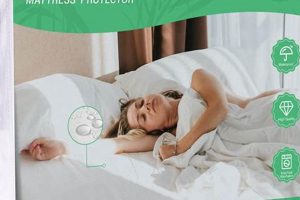
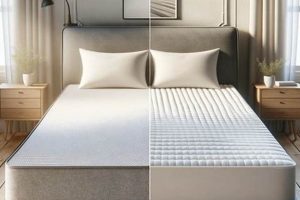
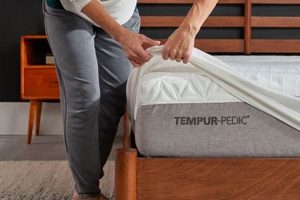
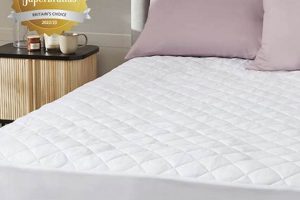
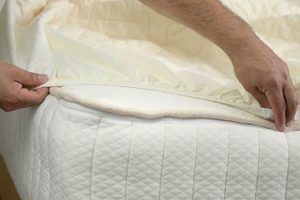
This product is a fitted or encasement-style covering designed to safeguard a specific dimension of bed. It typically consists of a waterproof or water-resistant membrane bonded to a fabric layer, intended to shield the underlying sleep surface from liquids, allergens, dust mites, and other potential contaminants. As an example, consider its application in homes with young children or pets where accidental spills are more likely.
The importance of using such a protective measure lies in its ability to extend the lifespan of bedding. By preventing stains and damage, it helps maintain hygiene and potentially reduces the need for frequent replacements. Historically, the concept of bed protection has evolved from simple cloth coverings to technologically advanced materials that offer enhanced breathability and allergen control. This evolution reflects a growing awareness of the relationship between sleep environment and overall well-being.
The subsequent sections will delve into the various types available, factors to consider when selecting an appropriate product, proper care and maintenance procedures, and a comparison of different material compositions. Considerations regarding warranty and return policies will also be addressed.
Selecting and Maintaining Bedding Protection
Optimal performance and longevity are achievable through mindful selection and consistent maintenance. The following guidelines offer crucial insights for maximizing the benefit derived from such products.
Tip 1: Evaluate Material Composition: Prioritize materials known for breathability and water resistance. Polyurethane laminates and tightly woven fabrics offer a balance of protection and comfort.
Tip 2: Assess Encasement vs. Fitted Style: Determine the level of protection required. Encasement styles offer 360-degree protection against allergens and bed bugs, while fitted styles primarily safeguard the sleep surface.
Tip 3: Measure Bed Dimensions Accurately: Ensure precise fit. An ill-fitting product compromises protection and can lead to premature wear. Confirm dimensions before purchase.
Tip 4: Adhere to Manufacturer’s Care Instructions: Washing and drying practices significantly impact the product’s integrity. Follow guidelines meticulously to prevent shrinkage or damage to the waterproof membrane.
Tip 5: Regularly Inspect for Wear and Tear: Examine the protector for signs of damage, such as rips, tears, or delamination. Prompt replacement of compromised products prevents further damage to the underlying bedding.
Tip 6: Consider Allergen Resistance: For individuals with sensitivities, choose products certified as hypoallergenic and designed to inhibit the growth of dust mites and other allergens.
Tip 7: Review Warranty Information: Understand the manufacturer’s warranty coverage. This provides recourse in the event of premature failure or defects.
Adherence to these guidelines ensures a sanitary sleep environment and prolonged bedding lifespan. Careful consideration of material, fit, and maintenance procedures optimizes the investment made in bedding protection.
The concluding sections will provide a comprehensive comparison of available products and a detailed exploration of their long-term cost-effectiveness.
1. Dimensions

The dimensional accuracy of a bedding protector directly dictates its functional efficacy. A protector labeled as “queen size” is specifically engineered to correspond to the standard dimensions of a queen-sized mattress, typically 60 inches in width and 80 inches in length. Any deviation from these standardized measurements compromises the product’s ability to effectively shield the entire sleep surface.
Consider the scenario of a protector that is several inches shorter than the mattress. This discrepancy leaves portions of the mattress vulnerable to spills, stains, and allergen accumulation, effectively negating the product’s intended protective function. Conversely, a protector that is excessively large will bunch and shift, creating discomfort for the sleeper and accelerating wear and tear on both the protector and the underlying mattress. Therefore, strict adherence to dimensional specifications during manufacturing and subsequent product selection by consumers is paramount.
In summary, the precise correlation between dimensional accuracy and functional performance underscores the significance of standardized sizing in bedding protection. Failure to adhere to these standards results in compromised protection, reduced lifespan, and diminished overall value. Consequently, verifying dimensional compatibility prior to purchase is a critical step in ensuring the long-term integrity and hygiene of the sleep environment.
2. Waterproof Barrier
The inclusion of a waterproof barrier is a primary differentiator between standard bedding and specialized bedding protection. Its presence defines the functional capacity of a queen size mattress protector to safeguard against liquid intrusion and subsequent damage.
- Impermeability and Protection
The core function of the barrier is to create an impermeable layer that prevents liquids, such as spills, sweat, or bodily fluids, from penetrating the mattress. This proactive measure shields the inner components of the mattress from staining, odor development, and structural degradation. Consider the scenario of a child wetting the bed; without an effective barrier, urine permeates the mattress, fostering bacterial growth and potentially voiding warranties.
- Material Composition and Performance
Waterproof barriers are typically constructed from materials such as polyurethane, vinyl, or thermoplastic polyurethane (TPU). The chosen material dictates the barrier’s overall effectiveness, durability, and breathability. While vinyl offers cost-effectiveness, polyurethane and TPU provide superior breathability and flexibility, enhancing user comfort. The performance of the barrier is contingent upon its integrity; punctures or tears compromise its impermeability.
- Maintenance and Longevity
The longevity of the waterproof barrier is directly linked to proper maintenance practices. Harsh detergents or high-heat drying cycles can degrade the waterproof layer, diminishing its effectiveness over time. Adherence to manufacturer-recommended cleaning instructions is crucial for preserving the barrier’s integrity. Regular inspection for signs of wear and tear facilitates timely replacement, ensuring continuous protection.
- Health and Hygiene Implications
The waterproof barrier contributes significantly to maintaining a hygienic sleep environment. By preventing the accumulation of moisture and organic matter, it inhibits the growth of mold, mildew, and dust mites. This is particularly beneficial for individuals with allergies or asthma, as it reduces exposure to potential allergens and irritants. A clean, dry sleep surface promotes better respiratory health and overall well-being.
The interplay between the waterproof barrier’s material composition, maintenance, and impermeability dictates its effectiveness in extending the lifespan of bedding and promoting a healthier sleep environment. These factors collectively underscore the critical role of the waterproof barrier in the overall functionality of this product.
3. Allergen control

Allergen control, in the context of bedding protection, refers to the ability of a product to mitigate or eliminate exposure to common allergens within the sleep environment. This is achieved through the use of specialized materials and construction techniques that prevent the accumulation and proliferation of allergens such as dust mites, pet dander, mold spores, and pollen. A queen size mattress protector designed with allergen control features functions as a physical barrier, encasing the mattress and preventing these allergens from penetrating its fibers. The protector also creates a smooth, non-porous surface that is easily cleaned, reducing the likelihood of allergen build-up. For instance, individuals with dust mite allergies often experience significant symptom relief from using such a protector because it drastically reduces their exposure to dust mite allergens present within the mattress.
The effectiveness of allergen control is directly related to the material composition and construction of the protector. Tightly woven fabrics with small pore sizes are more effective at preventing allergen passage compared to loosely woven materials. Some protectors incorporate specialized coatings or treatments that further inhibit allergen growth or neutralize allergenic proteins. Proper maintenance, including regular washing at high temperatures, is also essential for maintaining the allergen control properties of the protector. Consider the scenario of a pet owner; without an allergen-controlling protector, pet dander accumulates within the mattress, exacerbating allergic reactions. Regular cleaning and use of a high-quality protector mitigate this issue.
In summary, allergen control is a critical function of a queen size mattress protector, providing a tangible health benefit to individuals sensitive to common allergens. The selection of a protector with effective allergen control features, combined with diligent maintenance practices, contributes to a cleaner, healthier sleep environment. Challenges remain in balancing allergen control with other desirable features such as breathability and comfort, but ongoing advancements in material science continue to improve the performance and user experience of allergen-controlling bedding protectors.
4. Breathability

Breathability is a critical attribute in a mattress protector, significantly influencing sleep comfort and overall user experience. It dictates the rate at which air and moisture vapor can permeate the material, preventing heat build-up and promoting a more regulated sleep temperature. The relationship between breathability and a mattress protector is paramount, as a non-breathable protector can negate the temperature-regulating properties of the underlying mattress.
- Material Composition and Air Permeability
The inherent breathability of a mattress protector is intrinsically linked to its material composition. Materials such as cotton, bamboo, Tencel, and certain microfibers possess natural air permeability, allowing for the effective dissipation of heat and moisture. In contrast, impermeable materials like vinyl or low-grade polyurethane impede airflow, creating a warmer sleep environment. The selection of breathable materials is therefore essential for maintaining sleep comfort, especially for individuals prone to night sweats or living in warmer climates.
- Moisture-Wicking Properties and Evaporation
Beyond air permeability, effective breathability also encompasses moisture-wicking capabilities. Materials with this attribute draw moisture away from the body, facilitating evaporation and preventing the build-up of humidity within the sleep environment. This is particularly important for maintaining hygiene and preventing the growth of mold and bacteria. Protectors with moisture-wicking properties contribute to a drier, more comfortable sleep experience.
- Lamination Techniques and Airflow
The lamination techniques used in manufacturing waterproof protectors can significantly impact breathability. Traditional lamination processes often create a dense, impermeable barrier that restricts airflow. However, advancements in lamination technology have led to the development of microporous membranes that allow for the passage of air and moisture vapor while still providing waterproof protection. The choice of lamination technique therefore plays a crucial role in balancing waterproof functionality with breathability.
- Impact on Sleep Quality and Health
The breathability of a mattress protector directly influences sleep quality and overall health. Overheating during sleep can disrupt sleep cycles, leading to restlessness and reduced sleep duration. Furthermore, a humid sleep environment can exacerbate allergies and promote the growth of bacteria and mold, posing a risk to respiratory health. A breathable protector contributes to a more stable sleep temperature, reducing the likelihood of sleep disruption and promoting a healthier sleep environment.
The interplay between material composition, moisture-wicking properties, lamination techniques, and their collective impact on sleep quality underscores the importance of breathability in a mattress protector. The selection of a protector with optimal breathability is essential for ensuring a comfortable, hygienic, and restorative sleep experience, complementing the performance of the mattress itself.
5. Secure Fit

The term “secure fit” denotes the degree to which a queen size mattress protector remains firmly in place on the designated mattress during normal use. A secure fit is not merely an aesthetic consideration; it is integral to the protector’s primary functions of safeguarding the mattress and providing a comfortable sleep surface. A poorly fitting protector compromises both of these objectives.
- Elastic Band Integrity
The elastic band, or skirt, encircling the perimeter of a fitted mattress protector is a key determinant of secure fit. The band’s elasticity and tensile strength directly influence its ability to grip the mattress edges and prevent slippage. A worn or substandard elastic band yields inadequate tension, leading to the protector shifting and bunching, thereby exposing portions of the mattress to potential damage. Consistent and even tension across the entire band is critical for maintaining a secure fit.
- Depth Accommodation
Mattress depth, or thickness, varies across models. A secure fit necessitates that the protector’s pocket depth the vertical dimension of the fitted skirt adequately accommodates the mattress thickness. Insufficient pocket depth results in the protector riding up the sides of the mattress, compromising coverage and increasing the likelihood of detachment. Conversely, excessive pocket depth can lead to bunching and an unstable sleep surface. Precise matching of protector pocket depth to mattress thickness is paramount.
- Encasement Zippers and Fasteners
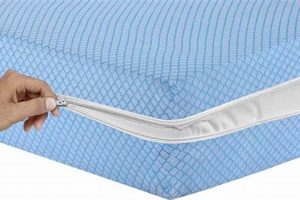
Encasement-style protectors, which fully enclose the mattress, rely on zippers or other fastening mechanisms to achieve a secure fit. The quality and durability of these fasteners are crucial. A malfunctioning zipper or a poorly designed closure system can result in the protector partially opening, leaving the mattress vulnerable to allergens and spills. Furthermore, exposed zippers can create discomfort for the sleeper. Robust and reliably functioning fasteners are essential for the integrity of an encasement protector.
- Material Friction and Grip
The material composition of the protector’s surface and underside influences its ability to grip the mattress and prevent movement. Materials with a higher coefficient of friction offer greater resistance to slippage. Some protectors incorporate textured surfaces or non-slip coatings to enhance grip. The selection of materials with appropriate frictional properties contributes significantly to maintaining a secure fit, particularly on mattresses with smooth or slippery surfaces.
The interplay between elastic band integrity, depth accommodation, fastener reliability (for encasement models), and material friction collectively defines the security of a queen size mattress protector’s fit. A deficiency in any of these areas compromises the protector’s ability to function effectively. A secure fit is not a static condition; it requires ongoing monitoring and, if necessary, replacement of the protector when signs of wear or diminished elasticity become apparent.
6. Ease of care
Ease of care is a pivotal attribute of a queen size mattress protector, directly influencing its long-term utility and hygienic benefits. The labor intensiveness of maintaining bedding protection correlates inversely with adherence to recommended cleaning schedules. Complicated cleaning protocols often lead to infrequent maintenance, compromising the protector’s ability to effectively mitigate allergen accumulation and maintain a sanitary sleep environment. The capacity to readily clean the protector under standard household conditions is therefore a critical consideration.
Specifically, machine washability and dryer compatibility are central to ease of care. Protectors that require specialized cleaning methods or are unsuitable for conventional dryers present logistical challenges for consumers. The accumulation of dust mites, bodily fluids, and other contaminants necessitates frequent cleaning, ideally on a monthly basis. If the cleaning process is cumbersome or requires specialized equipment, adherence to this recommended schedule becomes less likely. This directly impacts the protector’s ability to prevent allergen proliferation and maintain a hygienic sleep surface. Real-world examples include protectors that require hand washing, which deters frequent cleaning, or those that shrink significantly in a standard dryer, rendering them unusable.
In summary, ease of care is not a peripheral feature, but a core determinant of a mattress protector’s effectiveness and long-term value. Products that can be easily cleaned and maintained through standard household procedures are more likely to be used consistently, thereby maximizing their hygienic benefits and prolonging the lifespan of the underlying mattress. Overlooking this aspect can lead to compromised hygiene, increased allergen exposure, and ultimately, reduced satisfaction with the product. Prioritizing ease of care is therefore essential when selecting a queen size mattress protector.
Frequently Asked Questions
The following questions address common inquiries and misconceptions regarding the proper selection, use, and maintenance of this important bedding component.
Question 1: What is the expected lifespan of a queen size mattress protector?
The lifespan varies depending on material quality, frequency of use, and adherence to care instructions. Generally, a high-quality protector, properly maintained, can last for several years. Visual inspection for wear and tear, such as tears or delamination of the waterproof layer, is critical for determining when replacement is necessary.
Question 2: Can a queen size mattress protector be used on mattresses of differing thicknesses?
While some protectors offer a degree of stretch to accommodate varying mattress depths, it is crucial to select a protector with a pocket depth appropriate for the specific mattress. Mismatched pocket depths can compromise the protector’s fit and effectiveness.
Question 3: Does a queen size mattress protector alter the feel of the mattress?
Certain protectors, particularly those made from thicker or less breathable materials, can slightly alter the feel of the mattress. However, many modern protectors are designed with thin, breathable materials that minimize any noticeable change in comfort.
Question 4: How frequently should a queen size mattress protector be washed?
The recommended washing frequency is typically every one to two months. However, more frequent washing may be necessary in cases of spills or heavy soiling. Adherence to the manufacturer’s care instructions is essential to prevent damage to the protector’s waterproof layer.
Question 5: Are all queen size mattress protectors waterproof?
Not all protectors are waterproof. Some offer only water-resistance, which provides limited protection against spills. For complete protection against liquids, it is essential to select a protector specifically labeled as waterproof.
Question 6: Will a queen size mattress protector prevent bed bugs?
While some protectors can help prevent bed bugs from infesting a mattress, only encasement-style protectors, designed to fully enclose the mattress with a secure zipper, offer comprehensive protection against bed bugs.
These FAQs serve to clarify key aspects of “queen size mattress protector” usage and maintenance, fostering informed decision-making and maximizing product longevity.
The subsequent section will delve into a comparative analysis of various brands and models available on the market.
Conclusion
This exploration has examined the multifaceted nature of “queen size mattress protector,” detailing its construction, benefits, and maintenance. Key aspects include material composition, waterproof efficacy, allergen control, breathability, secure fit, and ease of care. The importance of each element has been underscored, emphasizing the protector’s role in extending mattress lifespan, promoting hygiene, and contributing to a more comfortable sleep environment. Understanding these considerations is crucial for informed decision-making during product selection.
The choice of a suitable “queen size mattress protector” represents an investment in both sleep quality and mattress longevity. Diligent evaluation of individual needs, combined with adherence to recommended maintenance practices, will maximize the protector’s value and ensure a cleaner, healthier sleep surface for years to come. The future of bedding protection likely lies in continued innovation in material science and design, further enhancing the balance between protection, comfort, and ease of care.