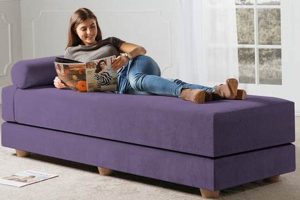
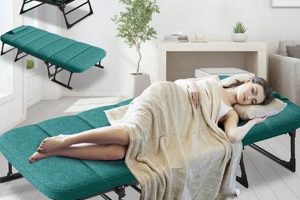
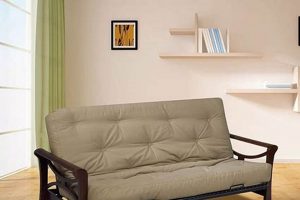
The necessity for a new sleep surface arises when the original component of an adjustable bed system no longer provides adequate support or comfort. This need often stems from factors such as wear and tear, changes in individual physical requirements, or advancements in sleep technology that offer improved features. For example, an individual who initially purchased a firm mattress for back support may later require a softer option due to changes in weight or the development of pressure points.
Selecting a suitable option is crucial for maintaining the functionality and therapeutic benefits of the adjustable bed. It ensures continued comfort and proper spinal alignment, which are vital for restful sleep and overall well-being. Historically, limited choices were available; however, modern advancements provide a diverse range of materials and construction methods specifically designed to complement the articulating movements of these bed frames.
The subsequent discussion will delve into crucial considerations when selecting a compatible sleep surface, including material types, construction, size and thickness, and compatibility with various adjustable bed frame features. This will enable a more informed decision-making process, leading to optimal sleep quality and maximized lifespan of the adjustable bed system.
Selecting a Compatible Sleep Surface
The process of choosing a suitable sleeping surface requires careful evaluation to ensure optimal compatibility and performance with the adjustable bed frame. Several factors warrant consideration to maximize comfort, support, and longevity.
Tip 1: Assess Material Compatibility: Foam, latex, and hybrid models are generally well-suited for adjustable beds due to their flexibility. Innerspring variants should be carefully evaluated for their ability to conform to the bed’s articulation points without damage.
Tip 2: Evaluate Thickness and Density: Thickness should be appropriate for the adjustable bed’s range of motion. Excessive thickness may impede articulation, while insufficient density may compromise support and durability.
Tip 3: Prioritize Flexibility and Conformability: The selected model must possess adequate flexibility to avoid restricting the adjustable bed’s movement. Conformability is essential for distributing weight evenly and minimizing pressure points.
Tip 4: Consider Motion Isolation Properties: Individuals sharing the bed should consider models with superior motion isolation to minimize sleep disturbance caused by movement on the other side.
Tip 5: Verify Size Compatibility: Precise measurement of the adjustable bed frame is crucial to ensure proper fit. Standard mattress sizes may vary slightly between manufacturers; therefore, accurate dimensions are essential.
Tip 6: Check Warranty and Trial Periods: Reputable manufacturers offer warranties and trial periods, allowing for evaluation of comfort and performance within a specified timeframe. This provides a safeguard against dissatisfaction.
Adhering to these guidelines can significantly improve the likelihood of selecting a compatible sleeping surface, leading to enhanced sleep quality and prolonged enjoyment of the adjustable bed system.
The subsequent section will address common challenges associated with finding a suitable product and provide resources for further research and assistance.
1. Material Flexibility

Material flexibility is a paramount consideration when selecting a replacement mattress for an adjustable bed. The articulating nature of these beds necessitates a sleep surface capable of conforming to various angles without compromising structural integrity or user comfort. Mattresses lacking sufficient flexibility can experience accelerated wear and tear, diminished support, and an overall reduction in lifespan.
The cause-and-effect relationship is evident: inflexible materials resist the bed’s adjustments, leading to stress points within the mattress construction. This, in turn, can result in sagging, uneven support, and potentially, damage to the adjustable bed frame itself. For example, a traditional innerspring mattress with a high coil count may not bend adequately, leading to uncomfortable pressure and a feeling of being restricted during bed articulation. In contrast, memory foam and latex materials inherently possess greater flexibility, allowing them to contour to the bed’s shape while maintaining uniform support. The practical significance lies in the enhanced user experience, improved sleep quality, and extended longevity of both the mattress and adjustable bed.
In summary, material flexibility is not merely a desirable feature but a functional prerequisite for a suitable replacement mattress in an adjustable bed setup. Its impact spans from immediate comfort to long-term durability, making it a critical factor in the selection process.
2. Thickness Appropriateness

The suitability of a mattress for adjustable bed applications hinges significantly on its thickness. Inappropriate thickness can negate the advantages of adjustability, leading to compromised comfort, functionality, and potential damage to the bed frame. The relationship between these aspects is a critical consideration during the selection of a replacement mattress.
A mattress that is excessively thick may restrict the adjustable bed’s range of motion. The bulk of the mattress can prevent the bed from achieving desired angles, thereby limiting the user’s ability to find optimal positions for sleep, reading, or other activities. Conversely, a mattress that is too thin may lack the necessary support and cushioning. This can result in discomfort, pressure points, and inadequate spinal alignment, particularly when the bed is in a non-flat position. For instance, a very thin memory foam mattress might conform too readily to the bed’s articulation, creating pressure on the hips or shoulders. A practical application of understanding this concept is the ability to measure the bed frame’s recess depth and maximum articulation range to determine an ideal thickness for the replacement.
The challenge lies in striking a balance that allows for unrestricted movement while maintaining adequate support. Manufacturers typically specify recommended thickness ranges for use with their adjustable bed frames. Adhering to these guidelines is essential. Ultimately, thickness appropriateness directly impacts the adjustable bed’s performance and the user’s overall experience. By carefully considering thickness in relation to the bed frame’s capabilities, individuals can ensure that their replacement mattress enhances, rather than hinders, the intended benefits of adjustable sleep.
3. Conformability Level

Conformability level is a critical attribute in replacement mattresses intended for adjustable beds. This refers to the mattress’s ability to adapt to the contours of the human body while simultaneously accommodating the various positions afforded by the adjustable base. Insufficient conformability can negate the ergonomic benefits of the adjustable bed, leading to discomfort and disrupted sleep patterns. For instance, a mattress that does not adequately conform to the lumbar region when the bed is in a reclined position may exacerbate lower back pain.
The cause-and-effect relationship between conformability and user experience is direct. Higher conformability translates to better pressure distribution across the body, reducing the likelihood of pressure points forming. Materials such as memory foam and latex are often chosen for their superior conformability properties. Consider an individual recovering from surgery who utilizes an adjustable bed to elevate their legs; a highly conformable mattress will ensure that the legs are evenly supported, minimizing strain. Conversely, a less conformable mattress might create pressure on the heels or calves, impeding circulation and potentially causing discomfort.
In summary, the conformability level of a replacement mattress significantly influences its suitability for an adjustable bed. Optimal conformability enhances the therapeutic potential of the bed, promoting comfort, proper spinal alignment, and improved sleep quality. The selection process should prioritize materials and constructions known for their ability to adapt to both the human form and the articulating movements of the adjustable base, thereby ensuring a harmonious and beneficial sleep experience. A practical understanding and consideration of conformability are essential for maximizing the advantages of adjustable sleep technology.
4. Motion Isolation

Motion isolation, a crucial characteristic of mattresses, assumes heightened importance when considering a replacement for an adjustable bed, particularly when the bed is shared. The articulating nature of adjustable beds can amplify motion transfer, potentially disrupting sleep if the mattress fails to adequately isolate movement.
- Minimizing Partner Disturbance
Motion isolation minimizes the transmission of movement from one side of the bed to the other. This is particularly significant when one partner adjusts the bed’s position or shifts during sleep. A mattress with poor motion isolation can result in noticeable disturbances, leading to fragmented sleep and reduced overall rest quality. For example, if one individual raises the head of the bed for reading, the other may feel the movement, potentially awakening them.
- Material Composition and Dampening
The material composition of the mattress significantly influences its motion isolation capabilities. Memory foam and latex, due to their dense and viscous properties, excel at absorbing and dissipating movement. Innerspring mattresses, especially those with interconnected coils, tend to exhibit higher motion transfer. Hybrid mattresses, which combine innerspring systems with layers of foam, offer a compromise, but their motion isolation performance varies depending on the specific construction.
- Construction Techniques and Layering
Mattress construction techniques can further enhance motion isolation. Pocketed coils, where each spring is individually wrapped, minimize the transfer of movement compared to traditional interconnected coils. Strategic layering of different foam densities can also contribute to dampening vibrations. For instance, a high-density memory foam layer placed above a layer of responsive springs can effectively isolate movement originating from either the sleeper or the adjustable bed frame itself.
- Impact on Adjustable Bed Functionality
Effective motion isolation complements the functionality of adjustable beds by ensuring that adjustments made by one user do not negatively impact the sleep of another. This is especially pertinent in situations where one individual requires frequent adjustments for medical reasons or comfort, while the other prefers minimal disturbance. Selecting a replacement mattress with superior motion isolation safeguards the intended benefits of the adjustable bed system, promoting restful sleep for both users.
In summary, motion isolation is an essential factor to weigh when choosing a replacement mattress for an adjustable bed, particularly when the bed is shared. By selecting a mattress with excellent motion isolation properties, individuals can mitigate disturbances caused by movement or adjustments, ensuring that the bed’s functionality enhances, rather than detracts from, their sleep quality.
5. Size Precision
Size precision is a non-negotiable factor when selecting a replacement mattress for an adjustable bed. The dimensions of the mattress must precisely match the specifications of the adjustable bed frame to ensure proper functionality, support, and safety. Deviation from these specifications can lead to a multitude of issues, ranging from reduced comfort to potential damage of the bed frame or the mattress itself.
- Preventing Mattress Slippage
A mattress that is undersized relative to the adjustable bed frame is prone to slippage. This slippage can occur during the articulation of the bed, causing discomfort and disrupting sleep. Furthermore, repeated slippage can damage the mattress cover and compromise its structural integrity. The result is a shortened lifespan and reduced supportiveness of the sleeping surface. In practical terms, imagine an individual repeatedly adjusting their bed to a seated position; an undersized mattress will gradually slide towards the foot of the bed, creating a gap at the head and requiring frequent readjustment.
- Ensuring Proper Articulation
An oversized mattress can impede the adjustable bed’s articulation. The excess material may become compressed or bunched at the joints, preventing the bed from achieving its full range of motion. This can limit the therapeutic benefits of the adjustable bed and even strain the motor mechanism. An example is a mattress that is too wide, causing the sides to press against the bed frame when raised, hindering the smooth operation of the articulation system.
- Maintaining Edge Support
Proper edge support is essential for individuals who sit on the edge of the bed or require assistance getting in and out. A mattress that is not precisely sized to the bed frame may lack adequate edge support, increasing the risk of falls and reducing overall stability. Elderly individuals or those with mobility issues are particularly vulnerable to the consequences of insufficient edge support resulting from improper sizing.
- Optimizing Comfort and Spinal Alignment
Size precision directly impacts the comfort and spinal alignment provided by the mattress. A mattress that is either too large or too small can disrupt the intended weight distribution and support zones, leading to discomfort and potential musculoskeletal issues. For example, an improperly sized mattress might not fully engage with the adjustable frame’s support structures
, leaving areas of the body unsupported and compromising spinal alignment, ultimately diminishing the health benefits provided by an adjustable bed.
In conclusion, size precision is not merely a matter of aesthetics; it is a fundamental requirement for the safe and effective operation of an adjustable bed. Neglecting this aspect when selecting a replacement mattress can result in a cascade of problems, impacting comfort, support, longevity, and even safety. Therefore, meticulous measurement and adherence to manufacturer specifications are essential to ensure a harmonious and beneficial sleep experience with an adjustable bed system.
Frequently Asked Questions
This section addresses common inquiries regarding replacement mattresses designed for adjustable bed frames, aiming to provide clarity and informed decision-making.
Question 1: What mattress types are generally suitable for adjustable beds?
Foam, latex, and hybrid models often exhibit superior flexibility and conformability, making them well-suited for adjustable bed frames. Innerspring variants necessitate careful evaluation to ensure compatibility with the bed’s articulation.
Question 2: How does mattress thickness impact the performance of an adjustable bed?
Excessive mattress thickness can restrict the bed’s range of motion, while insufficient thickness may compromise support. Optimal thickness allows for unrestricted movement while maintaining adequate cushioning and spinal alignment.
Question 3: Why is motion isolation important in a replacement mattress for an adjustable bed?
Motion isolation minimizes the transfer of movement between sleep partners, particularly when one individual adjusts the bed’s position. This ensures uninterrupted sleep for both users.
Question 4: How critical is size precision when selecting a replacement mattress?
Precise sizing is essential to prevent mattress slippage, ensure proper articulation, maintain edge support, and optimize comfort and spinal alignment. Deviations from the specified dimensions can compromise the bed’s functionality.
Question 5: What should be considered regarding mattress warranties and trial periods?
Reputable manufacturers offer warranties and trial periods, allowing for evaluation of comfort and performance within a specified timeframe. This provides a safeguard against dissatisfaction and potential defects.
Question 6: Can any innerspring mattress be used with an adjustable bed?
While some innerspring mattresses are compatible, careful assessment is crucial. Models with individually wrapped coils generally exhibit greater flexibility and reduced motion transfer compared to traditional interconnected coil systems.
These frequently asked questions highlight critical factors to consider when selecting a replacement mattress. Understanding these aspects contributes to a more informed decision and a more satisfactory sleep experience.
The subsequent section will delve into strategies for troubleshooting common issues encountered when utilizing a replacement mattress with an adjustable bed.
Replacement Mattress for Adjustable Bed
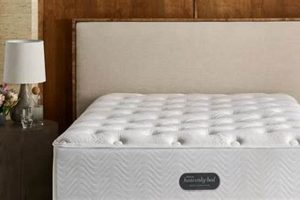
This exploration has underscored that selecting a replacement mattress for adjustable bed is not a trivial undertaking, but rather a decision with significant implications for sleep quality and the longevity of the bed frame itself. Critical factors, including material flexibility, thickness appropriateness, conformability, motion isolation, and size precision, demand meticulous assessment. Failure to address these elements can compromise the functionality and therapeutic benefits intended by the adjustable bed system. A balanced consideration of these features is essential to avoid negative impacts on comfort, support, and the structural integrity of both the mattress and the adjustable base.
Given the complexity of this decision, diligent research and consultation with qualified professionals are strongly encouraged. The informed selection of a replacement mattress for adjustable bed ensures that the investment in adjustable sleep technology yields the intended advantages of personalized comfort and enhanced well-being for years to come. A proactive approach to understanding these specifications ensures a beneficial and long-lasting sleep solution.
![Best Medical Bed Mattress: [Benefit] & Comfort! | Organic & Natural Mattress Buyer’s Guide: Non-Toxic Sleep Solutions](https://mattressworldpa.com/wp-content/uploads/2025/07/th-7285-300x200.jpg "Best Medical Bed Mattress: [Benefit] & Comfort! Organic & Natural Mattress Buyer’s Guide: Non-Toxic Sleep Solutions")