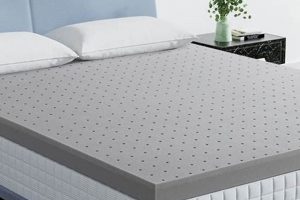
Bedding designed to fit mattresses with a six-inch depth presents a specific consideration for consumers. These specialized linens are tailored to accommodate thinner mattresses, offering a snug fit and preventing excess fabric from bunching or dragging. A common application is found in bunk beds, daybeds, or smaller guest beds where a low-profile mattress is utilized.
The use of correctly sized linens contributes significantly to both comfort and aesthetics. Properly fitting sheets enhance the sleeping experience by minimizing movement and potential discomfort caused by loose fabric. Historically, bedding was often custom-made, but modern manufacturing processes allow for a wide variety of standardized sizes, including those suitable for shallower mattresses, ensuring accessibility and affordability. The availability of such specialized sizes reflects the evolving needs and preferences within the bedding market.
The subsequent sections will delve into the various materials, thread counts, weave types, and care instructions relevant to selecting optimal bedding for shallow mattresses. Further discussion will address the common issues and offer potential solutions related to finding and maintaining these specialized linens.
Selecting Appropriate Bed Linens for Six-Inch Mattresses
The following provides guidance on the selection and maintenance of bedding tailored to fit mattresses of six inches in depth, ensuring optimal comfort and longevity.
Tip 1: Accurate Measurement: Prior to purchase, precisely measure the mattress depth. A six-inch mattress requires sheets with a fitted sheet pocket depth that corresponds to this measurement. Failure to do so may result in ill-fitting linens.
Tip 2: Material Selection: Consider the material based on desired comfort and climate. Cotton provides breathability, while microfiber offers durability and resistance to wrinkles. Alternative options include linen or bamboo, each possessing unique properties influencing comfort and care.
Tip 3: Thread Count Assessment: Thread count affects the texture and quality. A range of 200 to 400 is generally suitable for comfortable and durable sheets, but higher thread counts do not always guarantee superior quality.
Tip 4: Weave Type Evaluation: Different weaves influence the feel and appearance. Percale offers a crisp, cool feel, while sateen provides a silky texture. Consider personal preference and climate when making this choice.
Tip 5: Fitted Sheet Corner Construction: Inspect the corner construction of the fitted sheet. Elasticized corners and reinforced seams contribute to a secure fit and extended lifespan. Deeper corner pockets are unnecessary and may create excess fabric.
Tip 6: Pre-Washing Considerations: Washing new linens prior to initial use is recommended. This process softens the material and removes any residual manufacturing chemicals. Follow the manufacturer’s care instructions to prevent shrinkage or damage.
Tip 7: Proper Storage Techniques: Store linens in a cool, dry location away from direct sunlight to prevent fading or degradation. Folding sets together ensures convenient access and organization.
Selecting the correct bedding size, material, and construction ensures a comfortable and well-maintained sleeping environment. Adherence to these tips extends the lifespan of the linens and optimizes the user experience.
The final section will summarize key considerations and address potential challenges related to procuring and maintaining bedding for thin mattresses.
1. Accurate Depth Measurement

Accurate depth measurement is fundamentally critical when selecting bedding for mattresses with a six-inch profile. The precise dimensions of the mattress directly dictate the required specifications of the fitted sheet. Failure to obtain accurate measurements results in ill-fitting linens, negatively impacting both comfort and the overall aesthetic of the bedding arrangement.
- Fitted Sheet Snugness
An undersized fitted sheet will not properly cover the mattress, leading to detachment and discomfort during sleep. Conversely, an oversized sheet creates excess fabric, bunching up and potentially causing irritation. Accurate measurement ensures a snug fit, enhancing the sleeping experience. In the scenario of bunk beds frequently using 6-inch mattresses, correctly sized sheets prevent hazards like tripping from loose fabric hanging off the bed.
- Elastic Stress Reduction
Precise measurement minimizes stress on the elastic components of the fitted sheet. When a sheet is either too small or too large, the elastic is stretched beyond its intended capacity, leading to premature wear and loss of elasticity. By matching the sheet depth to the mattress depth, the elastic retains its integrity, prolonging the lifespan of the bedding.
- Appearance and Presentation
A correctly sized sheet contributes significantly to the overall appearance of the bed. A snug fit presents a clean, smooth surface, enhancing the aesthetic appeal of the room. Conversely, poorly fitted sheets appear untidy and detract from the overall presentation. Consider a guest room: properly fitting sheets project an image of attention to detail and care for the guest’s comfort.
- Preventing Mattress Damage
Ill-fitting sheets can indirectly contribute to mattress damage. Excess movement and friction caused by loose sheets can accelerate wear and tear on the mattress surface. Additionally, a sheet that constantly slips off exposes the mattress to dirt, dust, and allergens. By ensuring a secure fit, accurate depth measurement contributes to the long-term protection of the mattress itself.
The facets presented highlight the substantial implications of accurate depth measurement in relation to selecting appropriate bedding. These considerations ensure that the bedding not only fits properly but also enhances comfort, extends the lifespan of the linens, and protects the underlying mattress. Ignoring accurate measurement compromises the overall quality and longevity of the bedding investment.
2. Fitted Sheet Elasticity

Elasticity in fitted sheets is a critical determinant of proper fit and functionality, particularly when considering bedding for six-inch mattresses. The elasticity directly impacts the sheet’s ability to conform to the mattress and remain securely in place during use. Deficient or compromised elasticity can lead to slippage, bunching, and a generally unsatisfactory sleeping experience.
- Corner Retention Strength
Elasticity is most crucial at the corners of fitted sheets. Robust elasticity ensures that the corners grip the mattress securely, preventing them from detaching during movement. Consider a bunk bed setting where a child’s movement during sleep could easily dislodge a sheet with weak corner elasticity, leading to discomfort and potential safety hazards. Adequate corner retention maintains a smooth, consistent surface.
- Tension Distribution Uniformity
Effective elasticity distributes tension evenly across the entire sheet surface. Uneven tension can result in localized stretching and premature wear in certain areas. For thinner mattresses, like those six inches in depth, this becomes more pronounced because the sheet has less vertical surface area to grip. Uniform tension prevents excessive strain on any single point, extending the sheet’s lifespan.
- Accommodation of Minor Size Variations
While accurate measurement is essential, minor size variations in mattresses can occur. Sufficient elasticity allows the fitted sheet to accommodate these slight discrepancies, ensuring a snug fit even if the mattress is marginally thicker or thinner than the stated six inches. This adaptability is particularly useful in situations where manufacturing tolerances may introduce subtle differences in mattress dimensions.
- Resistance to Elongation Over Time
The quality of the elastic material directly correlates with its resistance to permanent elongation over time. Inferior elastic can stretch out and lose its restorative force after repeated washing and use, resulting in a loose and ineffective fit. Durable, high-quality elastic maintains its shape and tension, ensuring consistent performance throughout the sheet’s lifecycle, even with frequent laundering. The longevity and elasticity of the sheets should be checked before purchase.
The characteristics of fitted sheet elasticity are central to the effective performance of bedding designed for six-inch mattresses. Understanding these facets facilitates informed purchasing decisions and ensures a more comfortable and secure sleep environment. The absence of proper elasticity undermines the intended function of the fitted sheet, regardless of material quality or thread count.
3. Material Breathability Factors

Material breathability is a crucial consideration when selecting bedding for six-inch mattresses, directly influencing sleep comfort. Thinner mattresses, due to reduced internal airflow compared to thicker models, can exacerbate temperature regulation issues. Therefore, the breathability of the sheet material becomes paramount in managing heat and moisture retention. Fabrics that facilitate air circulation prevent overheating and minimize the build-up of humidity, contributing to a more restful sleep environment. For example, a non-breathable synthetic sheet on a six-inch memory foam mattress can lead to significant heat retention, disrupting sleep patterns, while a breathable cotton or linen sheet would mitigate this effect by allowing heat to dissipate. The practical significance lies in optimizing sleep quality, particularly for individuals prone to night sweats or living in warmer climates.
The impact of material breathability extends beyond individual comfort. Increased airflow through breathable fabrics reduces the likelihood of bacterial growth and odor retention within the bedding. This is particularly relevant for mattresses frequently used by children or guests where hygiene is a primary concern. Using natural fibers like bamboo or Tencel enhances this effect, providing both excellent breathability and antimicrobial properties. Furthermore, the choice of breathable materials reduces the reliance on frequent washing, which can extend the lifespan of the sheets and minimize environmental impact related to detergent use and water consumption. A practical application involves healthcare settings where specialized, breathable bedding promotes patient comfort and hygiene.
In summary, material breathability plays a significant role in optimizing the functionality of bedding tailored for six-inch mattresses. While factors such as thread count and weave contribute to overall quality, breathability addresses a fundamental need for temperature regulation and moisture management. The challenge lies in balancing cost, durability, and breathability when selecting suitable materials. However, understanding the benefits of breathable fabrics enables consumers to make informed decisions, leading to improved sleep quality and overall well-being. The topic has significant implications for manufacturers designing bedding solutions and consumers seeking optimal sleep comfort.
4. Corner Pocket Construction

Corner pocket construction significantly impacts the performance of sheets designed for six-inch mattresses. Due to the minimal mattress depth, poorly designed corner pockets are prone to slippage, rendering the fitted sheet ineffective. The limited vertical surface area available for the sheet to grip necessitates a precise and secure corner design. Inadequate pocket depth or insufficient elastic tension leads to corners detaching from the mattress during movement. This is particularly problematic in settings like bunk beds or daybeds where repositioning during sleep is common. A properly constructed corner pocket ensures the sheet remains securely anchored, providing a smooth and comfortable sleeping surface. The cause-and-effect relationship is direct: deficient corner pocket design results in sheet slippage, while a robust design ensures secure placement. Practical examples demonstrate that reinforced seams and appropriately sized pockets, often employing a “deep pocket” construction even on thinner mattresses, effectively address this issue. The importance lies in maintaining a consistent and undisturbed sleep environment, free from the discomfort and inconvenience of displaced sheets.
Further analysis reveals that the type of elastic used in the corner pocket construction is also crucial. Wide, high-quality elastic bands provide superior grip compared to narrow, low-grade alternatives. Furthermore, the stitching technique used to attach the elastic directly affects its longevity and effectiveness. Reinforced stitching prevents the elastic from tearing away from the fabric, extending the lifespan of the sheet. Practical applications of these principles are evident in high-end bedding brands, where meticulous attention to corner pocket construction is a hallmark of quality. These brands often utilize specialized stitching patterns and durable elastic materials to ensure optimal performance. The result is a fitted sheet that maintains its shape and grip even after repeated washing and use. The consideration is that if the stitches are not properly reinforced, the stitches will tear, and the elasticity would not work, hence the sheets wont fit in the mattress.
In conclusion, corner pocket construction is an essential, yet often overlooked, element in bedding designed for thin mattresses. Its impact on sheet fit, stability, and longevity is substantial. While material, thread count, and weave are important factors, a well-engineered corner pocket is paramount for achieving a comfortable and hassle-free sleep experience. Addressing this challenge requires manufacturers to prioritize quality materials and precise construction techniques. Consumers, in turn, should carefully inspect corner pocket design when selecting sheets, recognizing its crucial role in overall performance. The key insight is that a robust corner pocket construction is not merely a feature; it is a fundamental requirement for effective bedding on six-inch mattresses.
5. Shrinkage After Washing

Shrinkage after washing represents a significant consideration when selecting and maintaining sheets designed for six-inch mattresses. Due to the already limited surface area available for secure fit, any dimensional reduction caused by laundering can critically compromise the sheet’s effectiveness. In contrast to thicker mattresses where a slight size decrease might be inconsequential, even minimal shrinkage in sheets for thinner mattresses can result in insufficient coverage and frequent detachment, leading to discomfort during sleep. For example, a cotton sheet initially sized precisely for a six-inch mattress may shrink by several centimeters after the first wash, rendering it too small to properly grip the corners. The initial investment is then undermined by the sheet’s inability to perform its intended function. This effect underscores the importance of pre-selecting sheets with allowances for anticipated shrinkage or opting for pre-shrunk materials.
Further examination reveals the interplay between fabric composition and shrinkage potential. Natural fibers such as cotton and linen are inherently more prone to shrinkage compared to synthetic materials like microfiber. However, synthetic fibers may exhibit other undesirable characteristics, such as reduced breathability or a tendency to pill. Manufacturers often employ various pre-treatment processes, such as sanforization, to minimize shrinkage in natural fabrics. Consumers should therefore carefully review product descriptions and care instructions to determine the extent of pre-treatment applied. A practical application involves considering the laundering practices of the user. If frequent hot-water washing and high-heat drying are anticipated, choosing sheets explicitly labeled as “pre-shrunk” is essential to mitigate the risk of significant dimensional changes. Similarly, following recommended care instructions, such as using cold water and tumble-drying on low heat, can minimize the extent of shrinkage experienced over time.
In conclusion, the relationship between shrinkage after washing and the suitability of sheets for six-inch mattresses is inextricably linked. The inherent vulnerability of these sheets to size reductions caused by laundering necessitates careful selection, pre-emptive planning, and adherence to appropriate care practices. The challenge lies in balancing the desired characteristics of the sheet material with its susceptibility to shrinkage. By understanding the factors that influence shrinkage and implementing appropriate mitigation strategies, consumers can ensure that their bedding remains functional, comfortable, and aesthetically pleasing over its intended lifespan. The emphasis on pre-shrunk materials and adherence to care labels is crucial for long-term satisfaction.
Frequently Asked Questions
This section addresses common inquiries regarding bedding specifically designed for mattresses with a six-inch depth, providing clarity and guidance for informed purchasing decisions.
Question 1: Are standard-sized sheets suitable for a six-inch mattress?
Standard-sized sheets are generally designed for mattresses of greater thickness. While they may technically fit, the excess fabric will result in a loose, ill-fitting appearance and potential discomfort during sleep. Specialized sheets are recommended for optimal fit and comfort.
Question 2: What is the recommended pocket depth for fitted sheets used on a six-inch mattress?
The ideal pocket depth for fitted sheets is six inches or slightly more. Excessively deep pockets are unnecessary and can create bunching. A pocket depth closely matching the mattress thickness ensures a snug and secure fit.
Question 3: Do material choices differ for sheets used on thinner mattresses?
The principles of material selection remain consistent regardless of mattress thickness. Factors such as breathability, durability, and personal preference should guide the choice. However, the impact of breathability may be more pronounced on thinner mattresses due to reduced internal airflow.
Question 4: How does thread count affect the performance of sheets on a six-inch mattress?
Thread count influences the texture and perceived quality of the sheets. A moderate thread count (e.g., 200-400) typically provides a balance of comfort and durability. Extremely high thread counts do not guarantee superior performance and may increase cost without providing significant benefits.
Question 5: What precautions should be taken when washing sheets for thin mattresses to prevent shrinkage?
To minimize shrinkage, it is recommended to wash sheets in cold water and tumble-dry on low heat. Avoid using harsh detergents or bleach, as these can damage the fabric. Reviewing and adhering to the manufacturer’s care instructions is crucial.
Question 6: Are there specific brands known for producing high-quality sheets suitable for six-inch mattresses?
While specific brand recommendations vary based on individual preferences and availability, focusing on brands with a reputation for quality materials, durable construction, and accurate sizing is advisable. Reading customer reviews and comparing product specifications can aid in the selection process.
In summary, selecting appropriate bedding for a six-inch mattress requires careful consideration of size, material, thread count, and care instructions. Prioritizing a snug fit and minimizing shrinkage are key factors in ensuring comfort and longevity.
The subsequent discussion will provide a comprehensive checklist for selecting sheets for thin mattresses, offering a structured approach to the purchasing process.
Sheets for 6 Inch Mattress
The preceding analysis has examined the multifaceted considerations involved in selecting appropriate sheets for six-inch mattresses. Accurate measurement, optimal fabric choice, appropriate thread count, durable corner pocket construction, and awareness of potential shrinkage after washing are all essential factors in ensuring a satisfactory bedding experience. Failure to address these factors may result in compromised comfort, reduced sheet lifespan, and an ultimately unsatisfactory purchase.
Given the unique challenges presented by thinner mattresses, careful attention to detail during the selection process is paramount. Consumers are encouraged to prioritize these key considerations to optimize their sleep environment. Continued innovation in fabric technology and manufacturing processes may lead to further advancements in bedding specifically tailored for six-inch mattresses, thereby enhancing the availability of comfortable and durable options in the future.
![Top-Rated Best 8 Inch Twin Mattress [Guide] | Organic & Natural Mattress Buyer’s Guide: Non-Toxic Sleep Solutions](https://mattressworldpa.com/wp-content/uploads/2025/07/th-3775-300x200.jpg "Top-Rated Best 8 Inch Twin Mattress [Guide] Organic & Natural Mattress Buyer’s Guide: Non-Toxic Sleep Solutions")