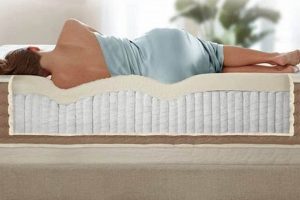
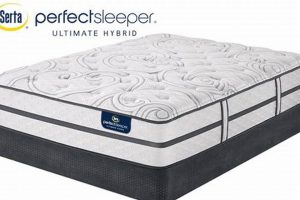
A cushioning layer designed to improve the comfort of convertible couch beds represents an investment in enhanced sleep quality. This addition, often made of memory foam, latex, or down alternative, is placed atop the existing mattress to provide a more supportive and comfortable surface. As an example, a two-inch memory foam overlay can significantly alleviate pressure points for individuals sleeping on the typically thin mattress found in a hide-a-bed.
Its relevance lies in transforming a potentially uncomfortable sleeping arrangement into a more restful experience. The additional padding can minimize the sensation of underlying support bars or springs, addressing a common complaint associated with convertible couches. Historically, individuals have sought ways to improve these sleeping surfaces, ranging from makeshift blankets to specialized products aimed at addressing the discomfort. This product category fulfills a growing need for convenient and space-saving solutions that do not compromise sleep quality.
The subsequent discussion will delve into the various materials and thicknesses available, the advantages of using such a product, and key factors to consider when selecting the appropriate option. Further topics include proper care and maintenance, as well as a comparison to alternative solutions designed to enhance sleep on convertible couches.
Tips for Selecting and Using a Sleeper Sofa Mattress Topper
Optimizing the sleep experience on a convertible couch requires careful consideration of several factors. The following guidelines will assist in selecting and utilizing a cushioning layer to enhance comfort and prolong the lifespan of both the sofa bed and the additional padding.
Tip 1: Material Selection is Paramount. Memory foam is a popular choice due to its conforming properties, distributing weight evenly. Latex offers greater breathability and responsiveness, while down alternative provides a softer, more plush feel. Consider individual preferences and potential allergies when making this determination.
Tip 2: Thickness Matters. A minimum of two inches is generally recommended to provide noticeable comfort enhancement. Thicker options, such as three or four inches, offer increased cushioning but may affect the sofa’s ability to fold properly. Measure the available space before purchase.
Tip 3: Prioritize Density. Higher-density materials generally offer greater support and durability. Lower-density options may compress quickly and require more frequent replacement.
Tip 4: Consider Breathability. Overheating can disrupt sleep. Look for breathable materials or features such as ventilated foam to promote airflow.
Tip 5: Secure the Topper. Slippage can negate the benefits of the additional padding. Use straps or a fitted sheet to keep it securely in place.
Tip 6: Clean Regularly. Follow the manufacturer’s instructions for cleaning. Vacuuming regularly can help remove dust and debris. Spot clean spills immediately to prevent staining and degradation of the material.
Tip 7: Rotate Periodically. Rotating the topper every few months can help distribute wear and tear, extending its lifespan.
By carefully considering material, thickness, and maintenance practices, individuals can significantly improve the comfort and longevity of the sleeping surface. Selecting a suitable product can transform a convertible couch from an occasional sleeping solution into a more comfortable and supportive resting place.
The following section will address alternative options for improving sofa bed comfort and provide a comparative analysis of their respective benefits and drawbacks.
1. Material Composition

The material composition of a sleeper sofa mattress topper directly influences its comfort, support, durability, and overall performance. Different materials offer varying degrees of pressure relief, temperature regulation, and resistance to compression. For example, memory foam, a common choice, conforms to the body, distributing weight and reducing pressure points. However, some memory foam formulations can trap heat, leading to discomfort for some individuals. Latex, conversely, is known for its breathability and responsiveness, providing a more supportive and cooler sleeping surface. The choice of material is a primary determinant of the sleeper’s experience.
The effects of material composition extend beyond immediate comfort. Durability and longevity are significantly impacted. Low-density foams may compress prematurely, losing their supportive qualities within a short timeframe. Higher-density materials, while potentially more expensive initially, typically maintain their shape and support for a longer duration. Similarly, the specific type of latex (e.g., Dunlop or Talalay) influences its firmness and resilience. Consumers must evaluate the long-term costs and benefits associated with each material.
In conclusion, material composition is a foundational element in the efficacy of a sleeper sofa mattress topper. Its selection necessitates careful consideration of individual preferences, environmental factors (e.g., climate), and budgetary constraints. A thorough understanding of the properties of different materials is essential for making an informed decision and ensuring a satisfactory sleeping experience. While advancements in material science continually offer new possibilities, the core principles of comfort, support, and durability remain paramount.
2. Thickness and Density

The combined factors of thickness and density are pivotal in determining the effectiveness of a cushioning layer designed for convertible couch beds. These parameters significantly influence comfort, support, and longevity, directly impacting the overall sleep experience.
- Impact on Support and Pressure Relief
Thickness directly correlates with the cushioning provided. A thicker option generally offers greater pressure relief by distributing weight across a larger surface area. Density, conversely, dictates the resistance to compression. A high-density material provides superior support, preventing the sleeper from sinking too deeply and potentially feeling the underlying frame of the convertible couch. Insufficient density negates the benefits of added thickness.
- Influence on Durability and Lifespan
Higher density materials tend to exhibit increased durability. They are less susceptible to compression and deformation over time, maintaining their structural integrity and supportive properties. Lower density options may degrade more rapidly, requiring more frequent replacement. The combination of appropriate thickness and sufficient density ensures long-term performance and value.
- Effect on Foldability and Storage
While increased thickness often translates to enhanced comfort, it can also impede the foldability of the convertible couch. An excessively thick topper may prevent the sofa from closing properly, necessitating removal and separate storage. Careful consideration must be given to the sofa’s design and dimensions when selecting the appropriate thickness. Compromises may be necessary to balance comfort with practicality.
- Considerations for Different Body Types
Individuals with varying body weights and sleeping preferences will necessitate differing combinations of thickness and density. Lighter individuals may find sufficient comfort with a thinner, lower-density option, while heavier individuals typically require greater thickness and higher density to ensure adequate support and pressure relief. Personal factors must be considered when determining the optimal parameters.
The optimal balance of thickness and density for a sleeper sofa mattress topper is contingent upon individual needs and the specific characteristics of the convertible couch. Careful assessment of these factors is essential for maximizing comfort, support, and longevity, transforming a potentially uncomfortable sleeping surface into a more restful and restorative experience.
3. Support and Comfort
The interplay between support and comfort is fundamental to the effectiveness of a sleeper sofa mattress topper. Support, defined as the ability to maintain spinal alignment and prevent excessive sinking, and comfort, experienced as pressure relief and a pleasant tactile sensation, are inextricably linked. A topper that provides inadequate support can lead to discomfort, back pain, and disrupted sleep, regardless of its surface softness. Conversely, an overly firm topper may offer ample support but fail to alleviate pressure points, resulting in equally restless sleep. For example, an individual with chronic back pain requires a topper that offers substantial support to maintain proper spinal alignment, preventing further aggravation of the condition. The ideal product effectively balances these two attributes.
Achieving the proper balance between support and comfort necessitates careful consideration of material properties, thickness, and density. Memory foam, latex, and down alternative all offer varying degrees of support and comfort. Memory foam, with its conforming properties, excels at pressure relief but may lack sufficient support for heavier individuals or those with specific postural needs. Latex offers a firmer, more responsive support base while still providing a degree of comfort. Down alternative, while often perceived as plush and comfortable, may offer limited support, particularly over extended periods of use. A real-world example is observed when users with back problems get a topper that’s too soft. While comfortable initially, it quickly leads to pain due to the lack of underlying support. Careful selection, coupled with a thorough understanding of individual needs, is critical to achieving a harmonious balance.
In conclusion, the symbiotic relationship between support and comfort is paramount in determining the suitability of a sleeper sofa mattress topper. The effective integration of both elements requires careful consideration of material properties, thickness, and density, tailored to individual needs and preferences. Compromising either support or comfort can negate the intended benefits, resulting in a less-than-optimal sleeping experience. Ultimately, a successful product delivers both adequate support to maintain proper spinal alignment and sufficient comfort to alleviate pressure points, promoting restful and restorative sleep. The challenge lies in finding the ideal equilibrium to meet the unique requirements of each sleeper and the inherent limitations of the convertible couch design.
4. Size and Fit

Proper dimensions and secure placement are critical attributes of a sleeper sofa mattress topper, significantly impacting both comfort and functionality. Inadequate size or improper fit can negate the benefits of the additional cushioning layer, leading to discomfort and instability. Precise measurements and a secure attachment mechanism are essential considerations for optimal performance.
- Accurate Measurement of the Sleeper Sofa Mattress
Obtaining precise measurements of the convertible couch mattress is a prerequisite for selecting a compatible topper. Variations in mattress dimensions across different sofa bed models necessitate careful measurement to ensure proper coverage and prevent overhang or gaps. For instance, a queen-size sofa bed mattress may differ slightly in dimensions from a standard queen mattress, requiring a customized topper size. Inaccurate measurements can result in a topper that is either too large, causing folding and bunching, or too small, leaving uncovered areas and diminishing the overall comfort.
- Customization Options and Standard Sizes
While standard sizes (twin, full, queen, king) are readily available, customization options may be necessary to accommodate atypical sofa bed mattress dimensions. Some manufacturers offer tailored sizes or the ability to trim standard-size toppers to fit specific requirements. Selecting a standard size that is marginally larger than the mattress and trimming it to fit can provide a more precise and secure fit than using a smaller, ill-fitting standard size. Consider the tradeoff between the convenience of standard sizes and the tailored fit achieved through customization.
- Attachment Mechanisms and Security
A secure attachment mechanism is crucial for preventing slippage and maintaining the topper’s position on the mattress. Elastic straps, corner bands, or fitted sheet designs are commonly employed to secure the topper. Insufficiently secure attachment can result in the topper shifting during sleep, leading to discomfort and disrupting spinal alignment. The effectiveness of the attachment mechanism is particularly important for individuals who tend to move frequently during sleep. Regular adjustment may be required to maintain proper positioning.
- Impact on Sofa Bed Foldability
The thickness and fit of the topper can impact the sofa bed’s ability to fold properly. An overly thick topper or one that is not properly aligned may prevent the sofa from closing completely, potentially damaging the folding mechanism or compromising the sofa’s aesthetic appeal. Measure the available space when folded. A compromise may be necessary to balance comfort with the ease of folding and storage.
The interrelationship between precise measurements, appropriate attachment mechanisms, and consideration for foldability ultimately determines the success of integrating a topper with a sleeper sofa mattress. A properly sized and securely fitted product enhances comfort and extends the lifespan of both the topper and the sofa bed, while an ill-fitting product can lead to discomfort, inconvenience, and potential damage.
5. Durability and Lifespan

The longevity of a sleeper sofa mattress topper is a critical factor in evaluating its overall value proposition. The investment in this product is justified only if it provides sustained comfort and support over an extended period. The ability of the topper to withstand repeated use, compression, and environmental factors directly influences its cost-effectiveness. Understanding the components that contribute to durability is essential for making an informed purchasing decision.
- Material Quality and Resistance to Degradation
The inherent properties of the materials used in construction dictate the topper’s resistance to wear and tear. High-density foams, such as memory foam or latex, generally exhibit greater resilience and resistance to compression compared to lower-density alternatives. The type of fabric used for the cover also plays a role; durable, tightly woven fabrics offer protection against abrasion and staining. For example, a topper constructed with certified high-density memory foam and a reinforced cover is likely to maintain its structural integrity and appearance for a longer period than a topper made with inexpensive, low-density materials.
- Resistance to Compression and Deformation
Repeated compression from body weight can lead to permanent deformation of the topper, reducing its support and comfort. The ability of the material to recover its original shape after compression is a key indicator of its durability. High-quality materials exhibit excellent compression recovery, maintaining their thickness and support over time. Conversely, lower-quality materials may develop indentations or sagging, diminishing their effectiveness. The density and resilience of the material are crucial factors in determining its resistance to compression and deformation.
- Resistance to Environmental Factors
Exposure to humidity, temperature fluctuations, and sunlight can accelerate the degradation of the topper’s materials. Humidity can promote the growth of mold and mildew, while temperature fluctuations can cause the foam to become brittle or lose its elasticity. Prolonged exposure to sunlight can fade the cover and break down the foam. A topper designed for long-term use should be constructed with materials that are resistant to these environmental factors. For example, incorporating antimicrobial treatments and UV-resistant fabrics can enhance the topper’s durability in challenging environments.
- Maintenance and Care Practices
Proper maintenance and care practices can significantly extend the lifespan of a sleeper sofa mattress topper. Regular cleaning, such as vacuuming and spot cleaning, can prevent the accumulation of dust, dirt, and stains. Using a mattress protector can shield the topper from spills and allergens. Rotating the topper periodically can distribute wear and tear more evenly. Following the manufacturer’s instructions for cleaning and care is essential for preserving the topper’s integrity. Neglecting these practices can accelerate its deterioration and shorten its lifespan.
In summary, the durability and lifespan of a sleeper sofa mattress topper are determined by a complex interplay of material quality, resistance to compression, resistance to environmental factors, and maintenance practices. Selecting a product constructed with high-quality materials and adhering to proper care guidelines can maximize its longevity and ensure a sustained return on investment. The initial cost of a more durable topper may be higher, but its extended lifespan and consistent performance can ultimately provide greater value than a less expensive, lower-quality alternative.
Frequently Asked Questions About Sleeper Sofa Mattress Toppers
This section addresses common inquiries and misconceptions regarding the selection, usage, and maintenance of mattress toppers designed for use on convertible couches. The information provided aims to offer clarity and guidance for informed decision-making.
Question 1: What materials are most suitable for a sleeper sofa mattress topper, considering both comfort and durability?
Memory foam and latex are frequently recommended due to their conforming properties and varying degrees of support. Memory foam excels in pressure relief, while latex offers enhanced breathability and responsiveness. Hybrid options, combining these materials, may also prove beneficial. The selection should align with individual comfort preferences and any potential sensitivities.
Question 2: How thick should a sleeper sofa mattress topper be to effectively improve comfort without hindering the folding mechanism of the sofa?
A thickness of two to three inches is generally considered optimal. Exceeding this range may compromise the sofa’s ability to fold and close properly. Prior to purchase, measurements should be taken to ascertain the maximum allowable thickness without impeding functionality.
Question 3: How can the slippage of a sleeper sofa mattress topper be prevented during use?
Securing the topper with elastic straps, corner bands, or a fitted sheet is advisable. Anti-slip pads placed beneath the topper may also provide enhanced stability. The chosen method should ensure minimal movement during sleep to prevent discomfort and potential injury.
Question 4: What are the recommended cleaning and maintenance procedures for a sleeper sofa mattress topper?
Regular vacuuming is recommended to remove dust and debris. Spot cleaning should be performed promptly to address spills. The use of a mattress protector can further safeguard the topper from stains and allergens. Adherence to the manufacturer’s specific cleaning instructions is crucial to prevent damage and prolong the lifespan.
Question 5: Is it possible to cut or modify a sleeper sofa mattress topper to fit a non-standard size or shape?
Modifying a topper is generally not recommended, as it may compromise its structural integrity and void any warranties. Customized sizes are preferable. However, if modification is unavoidable, it should be performed with precision and care, utilizing appropriate cutting tools to minimize damage.
Question 6: How frequently should a sleeper sofa mattress topper be replaced to ensure optimal comfort and support?
The lifespan of a topper is contingent upon its material composition, usage frequency, and maintenance practices. Signs of wear, such as compression, sagging, or diminished support, indicate the need for replacement. A typical replacement interval ranges from three to five years, but this may vary depending on individual circumstances.
These FAQs provide fundamental insights into selecting and maintaining a product intended to enhance sleep quality on convertible couches. The application of these principles is expected to yield improved comfort and long-term satisfaction.
The subsequent section will explore alternative solutions for optimizing the sleep experience on a convertible couch.
Conclusion
The preceding analysis has systematically examined various facets of the sleeper sofa mattress topper. From material composition and dimensional considerations to maintenance protocols and durability factors, the investigation underscores the multifaceted nature of selecting and utilizing a product designed to enhance the comfort of convertible couch beds. The optimal integration of these elements is critical for achieving a satisfactory sleep experience.
The informed selection and conscientious care of a sleeper sofa mattress topper represent a pragmatic approach to mitigating the inherent limitations of convertible sleeping arrangements. A thorough assessment of individual needs, coupled with adherence to established best practices, remains paramount in maximizing the potential benefits. Ultimately, the pursuit of improved sleep quality warrants careful consideration of all available options, with an emphasis on evidence-based decision-making and realistic expectations regarding the achievable outcomes.