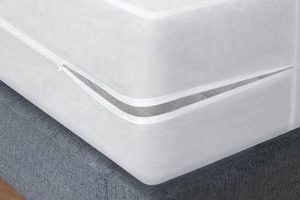
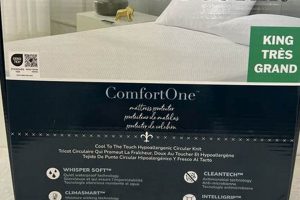
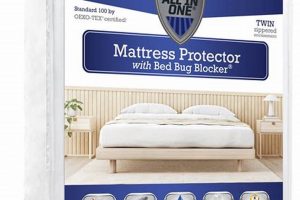
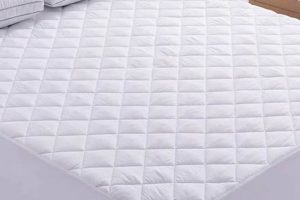
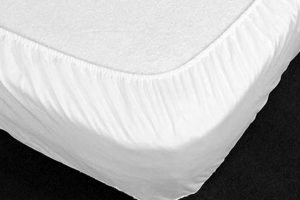
This product offers a robust barrier against liquids, allergens, and bed bugs. It typically consists of a flexible, waterproof material with a closure system. The encasement design safeguards the entire sleep surface. It’s commonly used in healthcare settings and homes to maintain hygiene and prolong the life of bedding.
Its impermeability protects against spills, sweat, and other fluids, preventing them from reaching the mattress core. This feature is particularly beneficial in managing allergies by blocking dust mites and other allergens. The zippered closure creates a complete seal, preventing pests from infesting the bedding. Historically, such protective measures were primarily found in medical environments; their use has expanded significantly for residential use as awareness of allergens and hygiene has grown.
The following sections will delve into specific aspects of material composition, zipper mechanisms, care instructions, and application considerations, offering a detailed understanding of selecting and maintaining this type of bedding protection.
Maintenance and Usage Guidance
This section provides essential guidelines for maximizing the lifespan and effectiveness of the encasement.
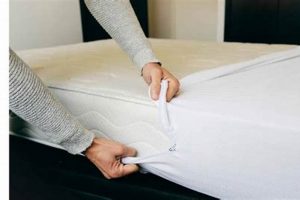
Tip 1: Proper Installation. Ensure the encasement fits the mattress snugly. A loose fit can compromise its protective barrier. Verify the zipper is fully closed to prevent any gaps that would allow moisture or pests to enter.
Tip 2: Regular Cleaning. Wipe the surface regularly with a damp cloth and mild detergent. Avoid harsh chemicals or abrasive cleaners, as these can degrade the material. Allow the encasement to air dry thoroughly before placing bedding on top.
Tip 3: Careful Handling. While durable, the encasement can be punctured or torn by sharp objects. Exercise caution when handling it, particularly during installation and removal. Avoid placing heavy or pointed items directly on the surface.
Tip 4: Zipper Maintenance. Periodically inspect the zipper for any signs of damage or wear. If the zipper becomes difficult to operate, lubricate it with a zipper lubricant or a dry bar of soap. Replace the encasement if the zipper fails to seal completely.
Tip 5: Storage Considerations. When not in use, store the encasement in a cool, dry place, away from direct sunlight. Fold it neatly to prevent creases or damage. Avoid storing it with sharp objects or items that could stain the material.
Tip 6: Addressing Odors. If the encasement develops an odor, sprinkle baking soda on the surface and allow it to sit for several hours before wiping it clean. This can help neutralize any lingering smells. Alternatively, a solution of water and white vinegar can be used.
Following these guidelines will ensure optimal performance, extending the product’s lifespan and providing continuous protection for bedding.
The next section provides information about the product selection.
1. Waterproof Barrier

The waterproof barrier represents a core functionality of a vinyl zippered mattress protector. The vinyl material, by its inherent nature, is impermeable to liquids. When incorporated into the mattress protector and sealed with a zipper, it establishes a complete encasement that prevents fluids from penetrating the mattress. This waterproof characteristic is not merely a desirable attribute; it is fundamental to the protector’s purpose, directly influencing mattress longevity and hygiene. For example, consider instances of accidental spills, incontinence, or perspiration. Without a reliable waterproof barrier, these liquids would seep into the mattress, fostering mold growth, attracting dust mites, and compromising its structural integrity.
The effectiveness of the waterproof barrier relies heavily on the integrity of both the vinyl material and the zipper closure. High-quality vinyl formulations exhibit greater resistance to tears and punctures, ensuring a sustained protective layer. Similarly, a robust zipper mechanism, designed to create a tight seal, prevents liquids from circumventing the barrier. The choice of materials and construction techniques directly impacts the degree of waterproofing provided. One may find variance in performance between products, with some offering superior protection against sustained liquid exposure due to enhanced vinyl composition or zipper design.
In summary, the waterproof barrier is an indispensable element. Its presence dictates the product’s ability to safeguard the bedding from fluid damage, contributing significantly to its hygienic properties and extended lifespan. Understanding the attributes that contribute to waterproofingmaterial quality, zipper design, and overall constructionfacilitates informed decision-making. This ensures the selection of a protector that effectively meets the requirements of maintaining a clean and protected sleeping environment.
2. Allergen Control

Allergen control is a significant consideration in maintaining a healthy sleeping environment. For individuals susceptible to allergies, minimizing exposure to indoor allergens, such as dust mites, pet dander, and mold spores, is crucial. The application of a vinyl zippered mattress protector is one strategy employed to mitigate allergen exposure within the bed.
- Impermeable Barrier to Dust Mites
Dust mites, microscopic organisms that thrive in bedding, are a primary source of allergens. The vinyl material, being impermeable, creates a physical barrier that prevents dust mites from colonizing the mattress core. This feature is particularly relevant for individuals with asthma or dust mite allergies, as it reduces the concentration of allergens within their immediate sleeping environment. Regular cleaning of the protector further minimizes allergen accumulation on its surface.
- Prevention of Mold Growth
Mattresses can be susceptible to mold growth due to the accumulation of moisture from perspiration or spills. Mold spores are potent allergens. The waterproof nature of a vinyl encasement effectively prevents moisture from penetrating the mattress, thereby inhibiting mold proliferation. This is particularly important in humid climates or for individuals who perspire heavily during sleep. Maintaining a dry environment within the mattress contributes significantly to allergen control.
- Encapsulation of Existing Allergens
Mattresses may already harbor allergens prior to the application of a protector. A zippered encasement effectively seals these allergens within the mattress, preventing their release into the surrounding air. While this does not eliminate the allergens, it contains them, reducing exposure. This approach is beneficial for individuals with pre-existing allergies or sensitivities, as it minimizes the potential for allergic reactions during sleep.
- Ease of Cleaning and Maintenance
The smooth, non-porous surface of vinyl facilitates easy cleaning and disinfection. Allergens that accumulate on the protector’s surface can be readily removed with a damp cloth and mild detergent. This regular cleaning regimen helps maintain a low allergen load within the sleeping environment. The ease of maintenance is a practical advantage, particularly for individuals who prioritize allergen control.
The multifaceted benefits of a vinyl zippered mattress protector in allergen control contribute to an improved sleeping environment for allergy sufferers. By acting as a barrier, preventing mold growth, encapsulating existing allergens, and facilitating easy cleaning, this type of bedding protection serves as a practical tool in the management of indoor allergens within the bedroom.
3. Bed Bug Defense

The ability to defend against bed bug infestations is a critical function of a vinyl zippered mattress protector. Bed bugs are resilient pests that can establish themselves in mattresses, causing discomfort and potential health concerns. The protector acts as a preventative measure and a containment strategy. The non-porous nature of vinyl prevents bed bugs from penetrating the mattress fabric, denying them harborage and breeding grounds within the mattress core. The zippered enclosure is essential; it creates a complete seal, trapping existing bed bugs inside or preventing new ones from entering. A case study involving an apartment complex revealed that implementing zippered mattress protectors significantly reduced bed bug infestations compared to units without protectors.
Consider the practical implications. A compromised mattress may require professional extermination or even disposal, incurring considerable expense. The investment in a quality mattress protector mitigates this risk. Further, in shared living environments such as dormitories or hotels, the use of mattress protectors helps prevent the spread of bed bugs between beds and rooms. Regular inspection of the protector for tears or zipper damage is imperative to maintain its effectiveness. A small tear can provide an entry point for the pests. The choice of protector should prioritize durable materials and robust zipper construction to withstand routine use and potential infestations.
In summary, a vinyl zippered mattress protector offers a tangible defense against bed bugs. Its impermeable surface and secure closure deny harborage, prevent infestation, and contain existing populations. While not a standalone solution for severe infestations, it serves as an important component of an integrated pest management strategy, protecting the mattress and minimizing the risk of bed bug-related problems. The practical significance lies in reduced costs associated with infestation control and replacement, alongside improved hygiene and sleep quality.
4. Zipper Security

The integrity of the zippered closure system is paramount to the overall functionality of a vinyl zippered mattress protector. This closure provides the necessary seal to realize the protector’s intended benefits, including preventing ingress of fluids, allergens, and pests. Compromised zipper security undermines these protective functions, rendering the encasement ineffective.
- Closure Integrity Under Stress
The zipper must withstand repeated use and potential stress from mattress movement and weight. A weak zipper may separate under tension, creating gaps that allow liquids or pests to penetrate. Real-world examples include situations where individuals shift positions during sleep, placing strain on the zipper. A robust zipper, constructed with durable materials and reinforced stitching, maintains closure even under such stress. The implications extend to the lifespan of the mattress and the sustained protection offered to the sleeper.
- Preventing Allergen and Pest Entry
The zipper acts as a barrier against dust mites, bed bugs, and other allergens. A poorly sealed zipper provides an entry point for these organisms, negating the protective benefits of the vinyl encasement. Consider the case of a person with severe allergies; even a small gap in the zipper can allow allergens to enter the sleeping environment, triggering an allergic reaction. A tightly sealed zipper, on the other hand, ensures that the mattress remains allergen-free, contributing to improved sleep quality and respiratory health.
- Durability and Longevity
The zipper is often the weakest point in a mattress protector. A zipper that breaks or malfunctions prematurely shortens the lifespan of the product, requiring replacement. Frequent opening and closing of the zipper, as when changing sheets, places stress on the mechanism. A durable zipper, made from high-quality materials and designed for long-term use, extends the lifespan of the protector and reduces the need for frequent replacements. This has economic implications, as a more durable zipper offers better value over time.
- Ease of Use and Maintenance
A well-designed zipper should be easy to open and close, allowing for convenient installation and removal of the protector. A zipper that sticks or requires excessive force to operate can be frustrating and may lead to damage. Features such as smooth-gliding sliders and reinforced pull tabs enhance the ease of use. Regular cleaning and lubrication of the zipper can help maintain its functionality and prevent it from becoming stuck or damaged. A user-friendly zipper contributes to a more positive overall experience with the mattress protector.
These facets underscore the critical role of zipper security in ensuring the effectiveness of a vinyl zippered mattress protector. A robust, well-sealed, and durable zipper is essential for preventing contamination, extending product lifespan, and providing peace of mind to the user. The selection process should prioritize protectors with zippers that demonstrate these qualities.
5. Durable Vinyl

The effectiveness of a vinyl zippered mattress protector is fundamentally linked to the durability of the vinyl material used in its construction. The vinyl serves as the primary barrier against liquids, allergens, and pests. Consequently, any compromise in its integrity directly reduces the protector’s performance. The durability of the vinyl, therefore, dictates the lifespan and protective capabilities of the entire product. For instance, a thin, low-grade vinyl is susceptible to tearing and punctures, rendering the protector useless after minimal use. In contrast, a protector crafted from a more robust vinyl formulation will withstand repeated use, resist damage from friction and pressure, and maintain its protective barrier over an extended period.
The composition of the vinyl plays a crucial role in its durability. Higher quality vinyl formulations often incorporate additives that enhance tear resistance, puncture resistance, and flexibility. These additives prevent the vinyl from becoming brittle or cracking over time, especially with temperature fluctuations. The thickness of the vinyl also directly correlates with its durability. Thicker vinyl provides a more substantial barrier, capable of withstanding greater stress and abrasion. In real-world applications, such as healthcare settings where mattress protectors are subjected to frequent cleaning and handling, the use of durable vinyl is essential to prevent premature wear and maintain hygienic conditions. Conversely, residential use, while generally less demanding, still benefits from durable vinyl to ensure long-term protection and avoid the cost of frequent replacements.
In conclusion, the connection between durable vinyl and the overall effectiveness of a vinyl zippered mattress protector is undeniable. The longevity, protective capabilities, and cost-effectiveness of the protector are directly dependent on the quality and composition of the vinyl material. The choice of a protector crafted from durable vinyl represents a sound investment in mattress hygiene, allergen control, and pest prevention. However, challenges remain in ensuring consistent quality control across various manufacturers, highlighting the importance of thorough product research and informed purchasing decisions.
6. Easy Cleaning
The ease of cleaning is an important attribute directly linked to the practicality and long-term value of a vinyl zippered mattress protector. The non-porous surface of vinyl facilitates the removal of spills, stains, and contaminants with relative ease, preventing them from penetrating the mattress core. This ease of cleaning is not merely a convenience; it is a critical factor in maintaining hygiene, controlling allergens, and prolonging the mattress lifespan. For example, in households with young children or pets, accidental spills are a common occurrence. A mattress protector that can be quickly wiped clean with a damp cloth prevents these spills from becoming permanent stains or breeding grounds for bacteria and mold.
The design of the zippered encasement further contributes to the ease of cleaning. By fully encasing the mattress, the protector provides a smooth, continuous surface that is readily accessible for cleaning. There are no crevices or folds where dirt and debris can accumulate. The zipper allows for easy removal and reinstallation of the protector, facilitating thorough cleaning or laundering as needed. Certain vinyl formulations are also resistant to staining and discoloration, further simplifying the cleaning process and maintaining the protector’s aesthetic appearance over time. The lack of specialized cleaning products needed for vinyl contributes to the reduced maintenance overhead.
In summary, the ease of cleaning inherent in vinyl zippered mattress protectors is a key benefit that directly translates to improved hygiene, allergen control, and mattress longevity. This attribute is not simply a matter of convenience; it is an integral aspect of the product’s overall functionality and value. Selection of protectors with smooth surfaces and robust zipper systems can enhance the cleaning process. The practical significance of this attribute is realized in the long-term maintenance of a clean and healthy sleep environment.
7. Mattress Longevity

Mattress longevity, representing the extended usable lifespan of a mattress, is directly influenced by the consistent application of a vinyl zippered mattress protector. The protector functions as a preventative barrier against elements that degrade a mattress over time, specifically moisture, allergens, and physical wear. The resulting effect is a significant increase in the mattress’s durability and sustained comfort. Without such protection, mattresses are susceptible to liquid absorption, leading to internal damage, mold growth, and a reduction in structural support. The presence of allergens within the mattress can also accelerate the breakdown of materials and reduce sleep quality, indirectly affecting its longevity. A real-world example includes a hospitality setting where mattress protectors are standard practice; mattresses in these environments, subjected to frequent use and potential spills, exhibit a considerably longer lifespan compared to those in unprotected residential settings.
Further analysis reveals that the economic implications of mattress longevity are substantial. Mattresses represent a significant household investment. The premature replacement of a mattress due to damage or contamination incurs considerable expense. The application of a vinyl zippered mattress protector, however, reduces the likelihood of such replacement, translating into long-term cost savings. In addition, the protector’s role in maintaining hygiene contributes to improved sleep quality, reducing the need for medical interventions related to allergies or respiratory issues. The practical application of this understanding extends to informed purchasing decisions, where consumers prioritize mattress protection as a means of maximizing the value of their bedding investment. A parallel can be drawn to the use of protective cases for electronic devices; both serve to safeguard a valuable asset against preventable damage and extend its usable life.
In summary, the demonstrable connection between mattress longevity and the protective attributes of a vinyl zippered mattress protector is clear. The protector’s ability to prevent damage, control allergens, and maintain hygiene directly contributes to an extended mattress lifespan, yielding both economic and health-related benefits. While challenges remain in ensuring consistent product quality and educating consumers on proper maintenance, the overall significance of this relationship cannot be overstated. The implementation of mattress protection strategies represents a practical and effective means of maximizing the value and lifespan of bedding investments.
Frequently Asked Questions
The following addresses common inquiries concerning the use, maintenance, and effectiveness of vinyl zippered mattress protectors.
Question 1: Is the material safe for prolonged skin contact?
The composition of the vinyl varies between manufacturers. Certifications, such as those from Oeko-Tex, indicate the absence of harmful substances. Consumers should verify that protectors are compliant with relevant safety standards to minimize potential dermal irritation.
Question 2: How often should the protector be cleaned?
Regular cleaning, at least monthly, is recommended. Spills should be addressed immediately. Mild detergent and a damp cloth are typically sufficient. Avoid harsh chemicals that may degrade the vinyl.
Question 3: Does the protector prevent all bed bug infestations?
The protector creates a physical barrier, preventing bed bugs from entering or escaping the mattress. It is not a standalone solution for existing infestations. Integrated pest management strategies are still required.
Question 4: What is the expected lifespan of a quality protector?
With proper care, a protector constructed from durable vinyl and featuring a robust zipper should last several years. The lifespan is contingent upon usage frequency, cleaning practices, and the quality of materials.
Question 5: Can the protector be used on memory foam mattresses?
Yes. The protector can be used on any mattress type. Ensure the protector size corresponds with the mattress dimensions to achieve a snug and secure fit.
Question 6: How does the protector affect mattress breathability?
Vinyl is less breathable than natural fibers. Some protectors incorporate ventilation features to mitigate heat buildup. Individuals sensitive to temperature may consider options with enhanced breathability.
In summary, vinyl zippered mattress protectors offer significant protection when chosen and maintained appropriately. Considerations should be made for material safety, cleaning protocols, infestation prevention, longevity, compatibility, and breathability.
The subsequent section details purchasing considerations.
Conclusion
The preceding exploration of “vinyl zippered mattress protector” has illuminated key aspects of its functionality, maintenance, and application. The protector’s role as a barrier against liquids, allergens, and pests has been detailed, emphasizing the importance of material durability, zipper security, and ease of cleaning. Furthermore, the analysis has underscored the significant contribution of this product to mattress longevity and the overall improvement of sleep hygiene.
In conclusion, the selection and proper utilization of a “vinyl zippered mattress protector” represent a practical investment in maintaining a clean, hygienic, and protected sleep environment. Future advancements in material science and manufacturing techniques may further enhance the performance and sustainability of these protective bedding solutions. Continued research and education are essential to ensure consumers make informed decisions, maximizing the benefits and extending the lifespan of their mattresses.