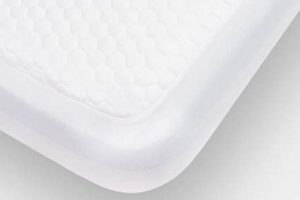
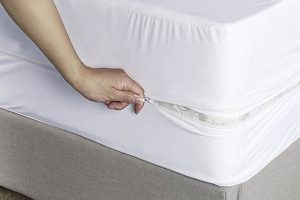
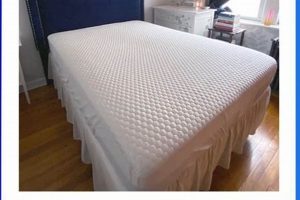
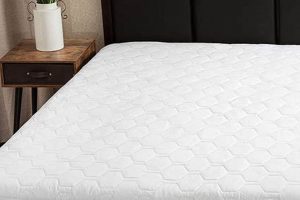
A fabric covering designed to shield a bed’s sleeping surface from liquids, stains, allergens, and wear and tear is often referred to as a mattress encasement. These protective barriers come in various materials, including cotton, polyester, and polyurethane, each offering different levels of defense. For example, a waterproof model prevents fluids from soaking into the mattress, while a hypoallergenic one can block dust mites and other allergens.
Maintaining a clean and hygienic sleep environment is critical for both health and the longevity of the bed itself. Regular upkeep prevents the buildup of bacteria, mold, and allergens that can trigger allergies and respiratory problems. Furthermore, protecting the mattress from spills and stains preserves its condition, extending its lifespan and safeguarding the investment.
The subsequent sections will delve into the proper methods for cleaning these safeguarding layers, including specific instructions, recommended frequencies, and practical tips to ensure optimal performance and hygiene. This ensures the barrier continues to provide the intended protection for the underlying sleep surface.
Maintaining a Clean Mattress Encasement
The following guidelines provide essential steps for ensuring the cleanliness and longevity of the mattress encasement. Adherence to these recommendations will contribute to a healthier sleep environment and protect the underlying mattress.
Tip 1: Consult the Manufacturer’s Instructions: Prior to initiating any cleaning process, carefully review the care label or accompanying documentation provided by the manufacturer. This will offer specific instructions regarding suitable washing temperatures, detergent types, and drying methods. Deviation from these instructions may result in damage to the material.
Tip 2: Pre-Treat Stains: Address any visible stains promptly. A mild stain remover or a diluted solution of detergent and water can be applied directly to the affected area. Allow the solution to sit for approximately 15-30 minutes before proceeding with the full cleaning cycle.
Tip 3: Utilize a Gentle Wash Cycle: Select a gentle or delicate cycle on the washing machine to minimize stress on the fabric. Excessive agitation can weaken seams and compromise the protective qualities of the encasement.
Tip 4: Employ a Mild Detergent: Opt for a mild, fragrance-free detergent to avoid irritating skin sensitivities. Avoid the use of bleach or harsh chemicals, as these can degrade the material and diminish its effectiveness.
Tip 5: Consider a Second Rinse Cycle: Running an extra rinse cycle helps to ensure the complete removal of detergent residue. Residual detergent can attract dust and allergens, negating the benefits of regular cleaning.
Tip 6: Tumble Dry on Low Heat: When drying the encasement, use a low heat setting. Excessive heat can cause shrinkage or damage to the waterproof lining, if present. Alternatively, air-drying is a viable option.
Tip 7: Ensure Complete Dryness: Before replacing the encasement on the mattress, verify that it is completely dry. Damp fabric can promote the growth of mold and mildew, compromising the hygiene of the sleep environment.
Following these guidelines will ensure that the mattress encasement remains clean, functional, and contributes to a healthy and protected sleep environment.
The subsequent section will address specific scenarios and troubleshooting tips related to the cleaning and maintenance of mattress encasements.
1. Regularity

The frequency with which a mattress encasement is laundered directly impacts its ability to protect the underlying mattress from allergens, stains, and general wear. Infrequent cleaning allows for the accumulation of dust mites, bodily fluids, and other contaminants within the fabric fibers. This accumulation not only compromises the hygiene of the sleep environment but also reduces the effectiveness of the encasement’s protective barrier. For instance, an encasement that is only cleaned annually may become saturated with allergens, rendering it less effective at preventing allergic reactions.
Establishing a consistent cleaning schedule, typically every one to two months, depending on usage and environmental factors, is critical. Individuals with allergies or asthma, or those who perspire heavily during sleep, may benefit from more frequent cleaning. A real-life example would be a family with young children who might experience more frequent spills and accidents, necessitating weekly laundering of the encasement. The practical significance lies in preemptively removing potential contaminants before they penetrate the protective layer and damage the mattress itself, thereby extending the mattress’s lifespan and maintaining a healthier sleep environment.
In summary, regularity in laundering a mattress encasement is not merely a matter of cleanliness, but a proactive measure to safeguard both the mattress and the health of the sleeper. While establishing the optimal frequency may vary based on individual circumstances, neglecting this aspect significantly diminishes the encasement’s intended benefits. Adhering to a consistent washing schedule mitigates the risk of allergen buildup, stain penetration, and overall deterioration, contributing to a more hygienic and durable sleep surface.
2. Temperature

Water temperature during the cleaning process is a critical factor in maintaining both the hygiene and structural integrity of mattress encasements. Improper temperature selection can compromise the fabric’s protective qualities and lead to premature degradation.
- Effectiveness of Stain Removal
Elevated water temperatures generally enhance the efficacy of stain removal, particularly for organic stains such as blood or sweat. However, excessively high temperatures can set certain stains, making them more difficult to remove. Moreover, some materials commonly used in encasements, such as polyurethane laminates, can be damaged or delaminated by high heat, rendering them ineffective as a waterproof barrier. Appropriate temperature selection is therefore a balance between stain removal and material preservation. For example, a cold water wash may suffice for light soil, while a warm water wash might be necessary for more stubborn stains, provided the manufacturer’s guidelines permit it.
- Impact on Waterproofing
Many mattress encasements feature a waterproof or water-resistant layer, typically composed of a thin plastic or laminate. Exposure to high temperatures during the washing or drying process can compromise the integrity of this layer. Heat can cause the laminate to melt, crack, or peel away from the fabric, thereby negating its waterproof properties. Consequently, fluids can penetrate the encasement and damage the underlying mattress. Therefore, adherence to the manufacturer’s temperature recommendations is paramount to preserving the encasement’s intended function.
- Shrinkage and Fabric Integrity
Certain fabrics are susceptible to shrinkage when exposed to high temperatures. Cotton and other natural fibers are particularly prone to this phenomenon. Shrinkage can alter the fit of the encasement, making it difficult to properly install and secure on the mattress. Additionally, excessive heat can weaken fabric fibers, leading to premature wear and tear. This can manifest as thinning, fraying, or even tearing of the encasement material. Following recommended washing and drying temperatures will help to minimize shrinkage and maintain the fabric’s structural integrity.
- Sanitization and Allergen Control
While high temperatures can damage certain mattress encasement materials, adequate heat is essential for sanitizing the fabric and eliminating allergens. Hot water washing effectively kills dust mites and removes allergens such as pollen and pet dander. However, care must be taken to balance the benefits of sanitization with the potential for material damage. Using the hottest water temperature recommended by the manufacturer is typically sufficient for allergen control without excessively stressing the fabric.
In conclusion, appropriate temperature selection is a critical component of maintaining a mattress encasement. Consideration must be given to stain removal, waterproofing integrity, fabric shrinkage, and sanitization. Adherence to the manufacturer’s guidelines is essential to optimize cleaning effectiveness while preventing damage to the encasement. Choosing the incorrect temperature setting can result in material failure and expose the mattress to contaminants.
3. Detergent Type
The selection of detergent significantly influences the effectiveness and longevity of mattress encasements. Inappropriate detergent choices can compromise the material’s integrity and reduce its protective capabilities. This section explores key considerations regarding detergent types and their impact on these protective barriers.
- Harsh Chemicals and Fabric Degradation
Detergents containing harsh chemicals, such as bleach or strong enzymes, can degrade the fibers and coatings of encasements. For instance, bleach can weaken cotton or polyester fibers, leading to tears or thinning. Strong enzymes, designed to break down organic matter, may damage the waterproof lining commonly found in these products, thereby diminishing their protective barrier. The use of such detergents can negate the encasement’s primary function and shorten its lifespan.
- Residue Buildup and Allergen Attraction
Certain detergents, particularly those heavily scented or containing fabric softeners, can leave residue on the encasement fabric. This residue attracts dust, pollen, and other allergens, counteracting the hypoallergenic properties of the encasement. Individuals with sensitivities may experience allergic reactions or respiratory issues due to this residue buildup. A practical example is the exacerbation of asthma symptoms in a person using a scented detergent to launder their mattress protector.
- Impact on Waterproofing Membranes
Many mattress encasements incorporate a waterproof membrane, often made of polyurethane or similar materials. The incorrect detergent type can compromise this membrane. For example, detergents with high pH levels can break down the chemical bonds within the membrane, causing it to become brittle and crack. This damage renders the encasement ineffective at preventing liquid penetration and protecting the mattress. Selecting a pH-neutral detergent is crucial for maintaining the integrity of the waterproof layer.
- Enzyme-Based Cleaners and Material Compatibility
Enzyme-based detergents are designed to break down organic stains, but their compatibility with specific encasement materials requires careful consideration. While effective at removing certain types of soiling, these detergents can degrade natural rubber or latex components, compromising their elasticity and water-resistance. A specific example includes protectors with a natural rubber backing that becomes brittle and loses its waterproofing after multiple washes with enzyme-based detergents. Consulting the manufacturer’s care instructions is essential to ensure material compatibility.
In summary, the choice of detergent directly affects the performance and lifespan of mattress encasements. Utilizing mild, fragrance-free detergents, free from harsh chemicals, is generally recommended. Always consult the manufacturer’s guidelines to ensure compatibility between the detergent and the encasement material, safeguarding its protective qualities and promoting a hygienic sleep environment. Neglecting this aspect can compromise the barrier’s effectiveness, increasing the risk of mattress contamination and allergen exposure.
4. Drying Method
The drying method employed after laundering mattress encasements exerts a significant influence on the material’s structural integrity and protective function. Incorrect drying practices can compromise waterproofing layers, induce shrinkage, and foster conditions conducive to mold and mildew growth, thereby negating the benefits of the initial cleaning process. For example, applying high heat in a tumble dryer may delaminate waterproof membranes, diminishing their ability to prevent fluid penetration. This renders the encasement susceptible to staining and contamination, necessitating more frequent mattress cleaning or even replacement. A practical understanding of appropriate drying techniques is therefore essential for preserving the efficacy of these protective barriers.
Air-drying, while a gentler alternative, requires careful consideration of environmental conditions. Insufficient ventilation or excessively humid environments can prolong drying times, creating an ideal environment for microbial proliferation. Damp fabric, left unattended, may develop mold or mildew, which not only imparts an unpleasant odor but also poses potential health risks, particularly for individuals with allergies or respiratory sensitivities. In such instances, utilizing a low-heat tumble dry setting, consistent with the manufacturer’s recommendations, may provide a more effective and hygienic drying solution. Specific guidelines found on the care label should always be prioritized. It is important to emphasize that mattress encasements should be completely dry before being placed back on the mattress. A damp mattress encasement will facilitate bacterial and mold growth inside the mattress, even if it has a protective layer.
In conclusion, the drying method is an integral component of mattress encasement maintenance. Adhering to manufacturer-specified drying instructions is paramount to prevent material degradation, preserve waterproofing capabilities, and mitigate the risk of microbial growth. While air-drying offers a gentler approach, careful monitoring of environmental conditions is necessary to ensure thorough drying. When tumble drying is employed, low heat settings are crucial to avoid damaging sensitive materials. Correct drying practices complement proper laundering, safeguarding both the mattress and the health of the sleep environment.
5. Material Integrity

Material integrity, in the context of mattress encasements, directly dictates the efficacy and longevity of the product and its ability to withstand the laundering process. The very purpose of a mattress encasement is undermined if the materials used degrade rapidly or lose their protective qualities upon washing. Cause and effect are closely linked: the composition and construction of the encasement determine its resistance to water temperature, detergent chemicals, and mechanical stress during washing and drying. For example, a protector using a low-quality laminate may quickly separate from the fabric backing, thus losing its waterproofing capabilities when washed per the washing instructions.
The selection of appropriate materialsdurable fabrics, robust seams, and chemically stable waterproof barriersis paramount. This involves a consideration of fabric type (e.g., cotton, polyester, blends), coating or lamination materials (e.g., polyurethane, polyethylene), and the method of construction (e.g., ultrasonic welding versus sewn seams). A real-life scenario involves choosing between an encasement with a sewn seam treated with a water-resistant finish versus one utilizing ultrasonic welding with a fully laminated waterproof membrane. The latter will generally exhibit superior material integrity and resistance to water penetration after multiple washes, thus demonstrating the importance of material selection. The use of high-quality materials has economic implications, as well, since an item that does not withstand regular washings would require to be replaced more often than another, thus making it not only more expensive in the long run, but more harmful to the environment.
In summary, maintaining the integrity of the materials used in mattress encasements is not merely a quality consideration; it is fundamental to their function. Regular washing, while necessary for hygiene, can only be effective if the materials used are capable of withstanding the process without significant degradation. Understanding this connection helps consumers make informed choices and adopt appropriate laundering practices, maximizing the lifespan and protective capabilities of their mattress encasements, resulting in cost savings, reduced impact to the environment, and healthier sleep environment. Addressing the challenge of balancing washability with material durability requires continuous innovation in materials science and manufacturing processes.
Frequently Asked Questions
The following section addresses common inquiries regarding the proper maintenance of mattress encasements, focusing on aspects of cleaning and care to ensure optimal performance and longevity.
Question 1: How frequently should mattress encasements undergo laundering?
The recommended laundering frequency depends on several factors, including usage, environmental conditions, and individual sensitivities. A general guideline suggests washing encasements every one to two months. However, individuals with allergies, asthma, or those who perspire heavily may benefit from more frequent cleaning, such as every two weeks. Visible soiling or staining necessitates immediate laundering.
Question 2: What water temperature is most appropriate for cleaning mattress encasements?
The optimal water temperature depends on the encasement material and the presence of stains. Cold water is suitable for lightly soiled items and prevents shrinkage. Warm water enhances stain removal, but can compromise certain materials. Always consult the manufacturer’s care instructions for specific temperature recommendations. Hot water, while effective at sanitization, may damage waterproofing layers and cause excessive shrinkage.
Question 3: Which type of detergent is best suited for mattress encasement cleaning?
Mild, fragrance-free detergents, devoid of harsh chemicals such as bleach or strong enzymes, are generally recommended. These detergents minimize the risk of fabric degradation, residue buildup, and allergic reactions. Avoid detergents containing fabric softeners, as they can leave residue that attracts allergens. Consult the manufacturer’s guidelines for detergent recommendations specific to the encasement material.
Question 4: What is the recommended drying method for mattress encasements?
Tumble drying on low heat is generally acceptable, provided the manufacturer’s instructions permit it. High heat can damage waterproofing layers and cause shrinkage. Air-drying is a gentler alternative, but requires adequate ventilation to prevent mold and mildew growth. Ensure the encasement is completely dry before placing it back on the mattress to avoid moisture buildup.
Question 5: How can stain removal be effectively achieved on mattress encasements?
Pre-treating stains promptly is crucial. Apply a mild stain remover or a diluted solution of detergent and water to the affected area. Allow the solution to sit for 15-30 minutes before laundering. Avoid harsh chemicals or abrasive cleaners, as they can damage the fabric. For persistent stains, consult a professional cleaning service.
Question 6: What steps should be taken to maintain the waterproof integrity of a mattress encasement?
Adhere strictly to the manufacturer’s washing and drying instructions, particularly regarding temperature settings. Avoid harsh chemicals or abrasive cleaners that can degrade the waterproof layer. Inspect the encasement regularly for signs of damage, such as cracks or peeling. Replace the encasement if the waterproof layer is compromised.
In summary, consistent adherence to recommended cleaning practices and careful attention to material-specific instructions are paramount for maximizing the lifespan and protective capabilities of mattress encasements. Deviation from these guidelines can compromise the encasement’s effectiveness and expose the mattress to damage.
The subsequent section will explore the selection criteria for choosing a suitable mattress encasement based on individual needs and preferences.
Conclusion
The preceding examination of processes and factors surrounding “wash mattress protector” underscores the importance of appropriate care in maintaining these essential bedding items. Optimal performance hinges on adhering to recommended cleaning schedules, employing suitable water temperatures and detergents, and utilizing appropriate drying methods. Furthermore, the inherent material integrity of the protector itself significantly influences its longevity and protective capabilities.
Effective maintenance of mattress protectors contributes directly to both improved hygiene and the extended lifespan of the underlying mattress. Therefore, understanding and implementing these guidelines is paramount for those seeking to safeguard their investment and ensure a healthier sleep environment. Continued adherence to these best practices constitutes a prudent and worthwhile endeavor.