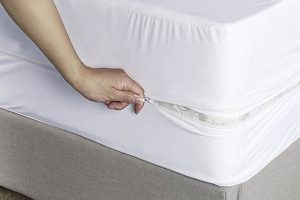
The practice of laundering a newly acquired covering for a bed’s sleep surface safeguard immediately after purchase involves the act of cleaning. This preparatory step is undertaken before the initial placement of the item onto the intended furniture. For instance, a consumer might purchase a safeguarding cover and, prior to placing it on their bed, put it through a washing machine cycle.
This procedure is important primarily for hygiene. Manufacturing and transportation processes can introduce dust, allergens, and chemical residues to the fabric. Eliminating these potential irritants before contact with the sleeper provides a cleaner and potentially healthier sleep environment. The benefit extends to enhancing the lifespan of the protector; removing manufacturing byproducts can prevent them from becoming embedded within the fibers over time.
The subsequent sections will address specific washing instructions, suitable detergents, drying methods, and the long-term benefits derived from incorporating this preliminary hygiene measure into a regular bedding maintenance routine. These steps will ensure the continued cleanliness and protection of your sleep surface.
Guidance on Initial Laundering of Mattress Protectors
The following guidelines detail best practices for the inaugural cleaning of a newly purchased mattress protector. Adherence to these recommendations promotes hygiene and optimizes product longevity.
Tip 1: Consult the Care Label. Always refer to the manufacturer’s instructions regarding water temperature, detergent type, and drying method. Deviation may result in damage to the material.
Tip 2: Utilize a Gentle Detergent. Select a mild, fragrance-free detergent to minimize the risk of allergic reactions. Avoid harsh chemicals or bleach, which can degrade the protective layer.
Tip 3: Wash Separately. Launder the protector independently from other bedding items to prevent color transfer or snagging. This also reduces the introduction of lint.
Tip 4: Employ a Gentle Cycle. Opt for a delicate or gentle wash cycle to prevent excessive agitation and potential damage to the protector’s waterproof membrane.
Tip 5: Tumble Dry on Low Heat. When machine drying, use the lowest heat setting available. High heat can compromise the protector’s waterproof properties and cause shrinkage.
Tip 6: Air Dry as an Alternative. If feasible, consider air drying the protector. This minimizes the risk of heat damage and preserves the material’s integrity.
Tip 7: Ensure Complete Dryness. Before placing the protector on the mattress, verify that it is thoroughly dry. Residual moisture can foster mold or mildew growth.
Following these steps establishes a clean foundation for sleep and extends the functional lifespan of the mattress protector, maximizing its protective capabilities.
The succeeding section will address the process of regular cleaning to maintain optimal hygiene and protect the mattress effectively over time.
1. Initial Hygiene

The concept of initial hygiene is inextricably linked to the practice of laundering a newly acquired mattress protector prior to its first use. This preliminary cleaning step serves as the foundational element in establishing a sanitary sleep environment from the outset.
- Removal of Manufacturing Residues
Textile manufacturing processes often involve the application of various chemicals, oils, and sizing agents. These substances, while facilitating production, can remain on the fabric’s surface. Laundering eliminates these residues, preventing direct contact with the sleeper and minimizing potential skin irritation. For example, formaldehyde resins, sometimes used to prevent wrinkling, are known allergens that are effectively removed through washing.
- Elimination of Accumulated Contaminants
During storage and transportation, mattress protectors can accumulate dust, dirt, and other environmental contaminants. These particles, if left unaddressed, can trigger allergic reactions or compromise respiratory health. A pre-use wash cycle effectively removes these accumulated contaminants, ensuring a cleaner sleep surface. Consider the potential for dust mite allergens to accumulate in a warehouse environment a wash cycle mitigates this risk.
- Reduction of Microbial Load
The handling and packaging of mattress protectors can introduce bacteria and other microorganisms to the fabric. While not necessarily pathogenic, their presence can contribute to unpleasant odors and potentially exacerbate existing skin conditions. Laundering reduces the initial microbial load, creating a more hygienic environment. For example, common skin bacteria transferred during handling can be minimized through washing.
- Enhanced Fabric Softness and Comfort
The initial laundering process can soften the fabric fibers of the mattress protector, enhancing comfort and improving the overall sleep experience. Stiff or rough fabrics can cause discomfort and disrupt sleep. By softening the material, washing promotes a more restful and comfortable sleep environment. The removal of sizing agents contributes significantly to this improved tactile feel.
These facets demonstrate the importance of initial hygiene in the context of “wash mattress protector before use”. This proactive approach establishes a cleaner and healthier sleep environment from the outset, promoting well-being and optimizing the functionality of the protector. Neglecting this initial step compromises the sanitary integrity of the bedding and potentially undermines the benefits of using a mattress protector in the first place.
2. Residue Removal

The necessity for “wash mattress protector before use” is significantly underpinned by the imperative of residue removal. Manufacturing processes inherent to textile production, including the creation of mattress protectors, often involve the application of various chemical treatments. These treatments may encompass sizing agents to enhance fabric stability during cutting and sewing, dyes to impart color, and finishing chemicals to achieve desired performance characteristics such as water resistance or stain repellency. However, these substances can remain embedded within the fabric fibers post-production. Failure to eliminate these residues through pre-use laundering subjects the end-user to potential dermal exposure to these chemicals, which may trigger allergic reactions or skin sensitivities in susceptible individuals. For example, formaldehyde, commonly used in textile finishing, is a known irritant and sensitizer; its removal via washing minimizes the risk of adverse health effects. Furthermore, residues can impact the performance of the protector; sizing agents, for instance, can reduce breathability.
The practical application of residue removal extends beyond immediate health considerations. Chemical residues can degrade the fabric over time, reducing the protector’s overall lifespan and diminishing its protective capabilities. The presence of these substances can also interfere with the effectiveness of subsequent cleaning cycles, making it more difficult to remove stains or odors that accumulate during regular use. Consider the scenario where a water-resistant finish contains excess fluorocarbons; these compounds may impede detergent penetration during future washings, rendering the protector less effective at maintaining a hygienic sleep surface. Moreover, residual chemicals can contaminate the mattress itself, potentially leading to long-term off-gassing and further compromising indoor air quality. Thorough initial laundering serves as a preventative measure, mitigating these long-term risks.
In conclusion, the connection between residue removal and the practice of pre-use laundering of mattress protectors is fundamental to ensuring product safety, performance, and longevity. While manufacturers strive to minimize residual chemicals, complete elimination is often impractical. Therefore, washing the protector prior to its initial application represents a crucial step in safeguarding the consumer from potential health risks and maximizing the benefits of this bedding accessory. Challenges may arise from inconsistent manufacturing standards or incomplete information regarding chemical composition; however, adhering to recommended laundering practices represents a prudent approach to mitigating these uncertainties. This understanding contributes to the broader theme of responsible consumerism and proactive hygiene management within the domestic environment.
3. Allergen Reduction

The mitigation of allergens is a primary justification for laundering a mattress protector before its initial use. Manufacturing and distribution processes introduce various allergenic substances to the fabric, necessitating a pre-emptive cleaning protocol.
- Removal of Manufacturing Dust and Fibers
Textile mills generate significant quantities of airborne dust and fiber particles during production. These particles, composed of cotton lint, synthetic microfibers, and other materials, can accumulate on the surface of the mattress protector. Individuals with respiratory sensitivities or allergies to specific textile fibers may experience irritation upon exposure. Washing effectively removes these loose particles, minimizing potential allergic reactions. For instance, individuals sensitive to cotton dust may experience coughing or sneezing if the protector is used without prior cleaning.
- Elimination of Storage and Transit Contaminants
Mattress protectors are often stored in warehouses and transported in enclosed containers, environments where dust mites, mold spores, and other allergens can proliferate. These allergens can become embedded within the fabric of the protector, posing a risk to individuals with allergies. Laundering eliminates these contaminants, creating a cleaner sleep environment. Consider a protector stored in a humid warehouse; it may harbor mold spores that trigger allergic reactions in sensitive individuals.
- Reduction of Chemical Residues with Allergenic Potential
As previously discussed, chemical residues from manufacturing processes can act as allergens. Dyes, finishing agents, and other chemicals can trigger skin irritation or respiratory problems in sensitive individuals. Washing removes these residues, reducing the risk of allergic reactions. For example, certain formaldehyde-based resins used in textile finishing are known allergens that are effectively removed through laundering.
- Mitigation of Pet Dander Transfer
In households with pets, dander can easily transfer to textiles, including mattress protectors. Even if the protector is new and unused, it may have been exposed to pet dander during storage or transport. Washing removes this dander, creating a more allergen-free sleep environment for individuals with pet allergies. This is particularly important in homes where pets are allowed in the bedroom.
These factors collectively emphasize the role of pre-use laundering in allergen reduction. The removal of manufacturing dust, storage contaminants, chemical residues, and potential pet dander minimizes the risk of allergic reactions and promotes a healthier sleep environment. While manufacturing practices aim to minimize allergen exposure, pre-use washing represents a proactive and prudent measure for ensuring optimal hygiene and well-being. Neglecting this step compromises the sanitary integrity of the bedding and potentially undermines the benefits of using a mattress protector for allergy control.
4. Fabric Preparation
The concept of fabric preparation is integrally linked to the recommendation to launder a mattress protector prior to its initial application. New textiles often possess inherent characteristics that can impact both their performance and the user’s experience. Manufacturing processes can leave behind residues, as previously discussed, but equally significant is the effect of these processes on the fabric’s physical properties. Sizing agents, for instance, are applied to improve the weave’s stability during cutting and sewing. While beneficial during manufacturing, these agents can create a stiff or waxy feel to the fabric. Laundering removes these substances, allowing the fabric to achieve its intended level of softness and flexibility. This improved texture enhances comfort and ensures a more pleasant tactile experience for the user. Without this preparatory step, the protector may feel uncomfortable or even contribute to sleep disruption. A specific example would be a protector made from tightly woven cotton; initial stiffness can be significantly reduced by pre-use laundering.
Furthermore, fabric preparation through washing can influence the protector’s ability to effectively perform its primary function: protecting the mattress. Some protectors feature waterproof or water-resistant membranes. These membranes rely on the fabric beneath them being properly conditioned for optimal performance. Residues or sizing agents can impede the membrane’s ability to adhere to the fabric or to breathe properly. Washing ensures that the membrane is in direct contact with clean, conditioned fibers, maximizing its effectiveness. Another aspect relates to potential shrinkage. Many fabrics will shrink slightly during the first wash cycle. By washing the protector before placing it on the mattress, any potential shrinkage is accounted for, preventing the protector from becoming too small after subsequent washings. This ensures a proper fit and continued protection over time. The practical significance of this understanding lies in the potential for enhanced durability and long-term performance of the mattress protector, ultimately providing better value to the consumer.
In summary, fabric preparation is a critical, yet often overlooked, element in the rationale behind laundering a mattress protector prior to use. By removing residues, enhancing texture, and optimizing membrane performance, washing prepares the fabric to function as intended, promoting comfort, protection, and longevity. While specific washing instructions will vary depending on the protector’s construction and materials, the underlying principle of fabric preparation remains a constant factor. Overcoming challenges, such as varying manufacturing standards, requires consistent adherence to recommended cleaning protocols and a proactive approach to maintaining bedding hygiene. This links to the broader theme of responsible consumer behavior and the pursuit of a healthier sleep environment.
5. Longevity Enhancement

The practice of laundering a mattress protector prior to its initial application directly impacts the product’s lifespan. This preliminary step mitigates factors that contribute to premature degradation, thereby extending the protector’s functional utility and economic value.
- Removal of Abrasive Manufacturing Residues
The manufacturing process can leave behind microscopic particles and chemical residues that, over time, abrade the fabric fibers of the protector. These abrasive elements, if not removed, accelerate wear and tear, leading to thinning, pilling, and ultimately, failure of the protective barrier. Laundering eliminates these abrasive agents, reducing friction and preserving the structural integrity of the fabric. An example would be the removal of silica particles commonly used in textile processing. These particles, if left in place, act like sandpaper against the fibers during use and subsequent wash cycles.
- Prevention of Fiber Degradation from Chemical Exposure
Unremoved chemical residues from dyes, sizing agents, or finishing treatments can react with environmental factors such as humidity and sunlight, leading to fiber weakening and discoloration. These reactions can compromise the fabric’s strength and elasticity, making it more susceptible to tearing or stretching. Pre-use laundering neutralizes these chemical residues, preventing or slowing down these degradative processes. A common example is the degradation of synthetic fibers by residual chlorine from bleaching processes; pre-use washing removes the chlorine, preventing fiber damage.
- Minimization of Embedded Soil and Stains
Failure to launder a new mattress protector allows soil and stains to become deeply embedded within the fabric fibers. These embedded contaminants are more difficult to remove in subsequent wash cycles, leading to increased abrasion and the potential for permanent discoloration. Initial laundering removes surface contaminants before they can become deeply ingrained, making future cleaning more effective and reducing the need for harsh cleaning agents that can damage the fabric. Consider the scenario where a new protector is exposed to spills before being washed; the stains will be significantly more difficult to remove than if the protector had been pre-laundered.
The aforementioned facets underscore the crucial role of pre-use laundering in enhancing the longevity of a mattress protector. While adherence to recommended washing instructions throughout the product’s life cycle is essential, this initial step establishes a clean foundation that minimizes the accumulation of damaging agents and maximizes the protector’s ability to withstand the rigors of normal use. Overlooking this practice compromises the protector’s potential lifespan and diminishes its overall value proposition. This links to the broader discussion of sustainable consumption and responsible product care.
6. Optimal Protection

The achievement of optimal protection, concerning a mattress safeguarded by a protective covering, is directly contingent upon the practice of laundering the new protector prior to its first use. This procedure serves as a foundational element in establishing a barrier against allergens, fluids, and other potential contaminants from the outset. The presence of manufacturing residues, as previously detailed, compromises the protective properties of the material. These residues can interfere with the waterproof or water-resistant membrane, reducing its ability to prevent liquid penetration. Consequently, the mattress becomes vulnerable to stains, mold growth, and the harborage of dust mites, all of which negate the purpose of employing a protector. For example, a newly purchased protector, if applied without initial laundering, may exhibit reduced water repellency due to residual sizing agents hindering the membrane’s function; this directly impacts the mattress’s security against spills.
Furthermore, initial laundering optimizes the protector’s fit and conformity to the mattress. Fabrics often undergo slight shrinkage during the first wash cycle. If this shrinkage occurs after the protector is already in place, it can lead to a compromised fit, exposing portions of the mattress to potential hazards. A properly fitting protector creates a seamless barrier, minimizing the risk of contaminant intrusion. The absence of initial washing can also leave the fabric stiff or uneven, creating gaps or wrinkles that undermine the protective seal. Consider a scenario where an ill-fitting protector allows fluid seepage along the edges, rendering the central, protected portion of the mattress less relevant. This compromise directly reduces the effectiveness of the product and increases the long-term maintenance burden. Optimal protection is not merely a marketing claim, but a measurable outcome directly linked to preparatory washing.
In summary, the connection between pre-use laundering and optimal mattress protection is undeniable. The removal of residues, optimization of fit, and enhancement of membrane function all contribute to establishing an effective barrier against potential contaminants. While challenges associated with variable manufacturing standards and incomplete product information persist, adherence to recommended laundering practices represents a proactive measure in ensuring mattress longevity and hygiene. The pursuit of optimal protection necessitates a conscientious approach to product preparation and maintenance, linking consumer behavior directly to the performance of the bedding accessory. This focus aligns with principles of informed purchasing and prioritizing long-term value over initial convenience.
Frequently Asked Questions
The following elucidates common inquiries regarding the practice of laundering a mattress protector prior to its initial use. These answers are intended to provide clarity and facilitate informed decision-making.
Question 1: Is it truly necessary to launder a mattress protector before using it for the first time?
Yes, laundering a new mattress protector is highly recommended. Manufacturing processes often leave behind residues and contaminants that can compromise hygiene and product performance. Pre-use washing removes these substances, promoting a cleaner and more effective sleep environment.
Question 2: What type of detergent should be used when initially laundering a mattress protector?
A mild, fragrance-free detergent is optimal. Harsh chemicals or bleach can damage the protector’s fibers and potentially degrade any waterproof or water-resistant membrane. A gentle detergent minimizes the risk of allergic reactions or skin irritation.
Question 3: Can a mattress protector be damaged by laundering it too soon after purchase?
No, the opposite is true. Delaying the initial wash cycle allows contaminants to become embedded within the fabric, potentially making them more difficult to remove later. Pre-use laundering helps maintain the protector’s cleanliness and extends its lifespan.
Question 4: What is the recommended water temperature for washing a new mattress protector?
Consult the manufacturer’s care instructions. Generally, a cold or warm water setting is recommended to prevent shrinkage or damage to the protective membrane. Hot water can degrade certain materials, reducing their effectiveness.
Question 5: Is it permissible to dry a mattress protector in a machine dryer after its initial laundering?
Again, refer to the care label. If machine drying is permitted, use a low heat setting. High heat can cause shrinkage or damage to the waterproof membrane. Air drying is often a preferable alternative.
Question 6: Does the initial laundering of a mattress protector void its warranty?
Generally, no. Laundering according to the manufacturer’s instructions is considered standard care and should not invalidate the warranty. However, deviations from the recommended cleaning protocol may potentially void the warranty. Review the warranty documentation for specific details.
In summary, pre-use laundering of a mattress protector is a prudent step in ensuring hygiene, optimizing performance, and extending product lifespan. Following these recommendations contributes to a cleaner and more comfortable sleep environment.
The subsequent section will address advanced topics concerning the maintenance and care of mattress protectors.
Conclusion
The information presented affirms the significance of initial laundering for newly acquired mattress protectors. This practice facilitates residue removal, allergen reduction, fabric preparation, longevity enhancement, and ultimately, optimal protection for the underlying mattress. Each aspect contributes to a more hygienic and effective sleep environment.
Adherence to recommended cleaning protocols ensures that the product fulfills its intended purpose and maintains its functional integrity over time. A proactive approach to bedding hygiene is essential for maximizing sleep quality and safeguarding long-term investment.