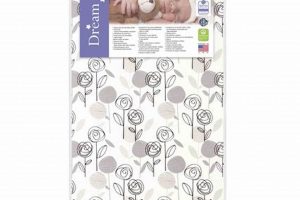
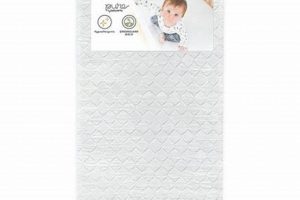
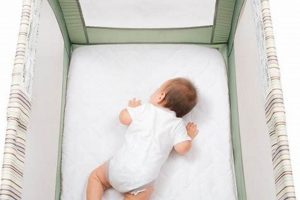
A specialized bedding item designed to protect a crib mattress from liquids and moisture. This covering serves as a barrier, preventing fluids like spills, bodily fluids, or accidents from penetrating the mattress core. Typically constructed from absorbent fabrics bonded to a waterproof backing, it offers a practical solution for maintaining a hygienic sleep environment for infants.
The implementation of a protective barrier enhances the lifespan of the crib mattress by mitigating potential damage from prolonged exposure to liquids. Its utility extends beyond merely preventing stains; it aids in controlling the growth of mold and bacteria, which can thrive in moist environments. Historically, simpler moisture barriers like rubber sheets were used; modern versions utilize breathable, comfortable materials while maintaining a high level of waterproof protection.
The following sections will delve into the various materials used in their construction, explore features to consider when selecting one, and provide guidance on proper care and maintenance to ensure long-lasting performance and hygiene.
Essential Considerations for a Waterproof Crib Mattress Covering
The selection and use of a waterproof crib mattress covering require careful consideration to ensure both the protection of the mattress and the well-being of the infant.
Tip 1: Material Composition: Prioritize coverings made from breathable, hypoallergenic materials. Polyurethane laminates (PUL) and TPU (Thermoplastic Polyurethane) offer waterproof properties while allowing for air circulation, reducing the risk of overheating.
Tip 2: Secure Fit: Ensure the covering fits snugly around the mattress. Loose or ill-fitting coverings can create safety hazards, such as entanglement. Fitted sheets with elasticized edges are recommended.
Tip 3: Waterproof Integrity: Test the waterproof integrity of the covering before initial use. Pour a small amount of water onto the surface and observe for any leaks or seepage. This validates the product’s effectiveness.
Tip 4: Regular Cleaning: Establish a routine for regular cleaning. Follow the manufacturer’s instructions for washing and drying. Promptly address spills or accidents to prevent staining and bacterial growth.
Tip 5: Avoid Harsh Chemicals: Refrain from using harsh chemicals or bleach during cleaning. These substances can degrade the waterproof layer and potentially release harmful fumes.
Tip 6: Monitor for Wear and Tear: Regularly inspect the covering for signs of wear and tear, such as cracks, tears, or delamination. Replace the covering if any damage is detected to maintain its protective function.
Tip 7: Certifications: Look for certifications like Oeko-Tex Standard 100, which indicates the absence of harmful substances. Certifications provide assurance of the product’s safety and quality.
Properly selected and maintained, a waterproof crib mattress covering safeguards the infant’s sleep environment, preserves the integrity of the mattress, and promotes long-term hygiene.
The concluding section will summarize the benefits and long-term considerations associated with investing in high-quality mattress protection.
1. Protection

The primary function of a waterproof crib mattress sheet is to provide a protective barrier between the infant’s sleep surface and the mattress itself. This safeguard is crucial in maintaining hygiene, prolonging the lifespan of the mattress, and mitigating potential health risks associated with exposure to fluids and allergens.
- Fluid Barrier Integrity
The impermeability of the sheet is paramount. It must effectively prevent liquids such as urine, spit-up, and spills from penetrating the mattress core. A compromised barrier can lead to bacterial growth, unpleasant odors, and irreversible damage, necessitating mattress replacement.
- Allergen Mitigation
The sheet acts as a shield against allergens, including dust mites and pet dander, which can accumulate within a mattress. By preventing these allergens from reaching the infant, the risk of allergic reactions and respiratory issues is reduced.
- Stain Prevention
The protective layer effectively prevents stains caused by bodily fluids and spills. Maintaining a stain-free mattress contributes to a cleaner and more hygienic sleep environment, extending the visual appeal and perceived cleanliness of the crib.
- Mattress Longevity
Shielding the mattress from moisture damage extends its lifespan. Repetitive exposure to liquids can degrade the internal components of the mattress, leading to sagging and structural damage. A waterproof barrier preserves the integrity of the mattress, offering long-term value.
In summary, protection afforded by a waterproof crib mattress sheet encompasses fluid barrier integrity, allergen mitigation, stain prevention, and the enhancement of mattress longevity. Each of these facets contributes significantly to a healthier and more durable sleep environment for the infant.
2. Cleanliness

The connection between cleanliness and a waterproof crib mattress sheet is fundamental, representing a direct relationship of cause and effect. The sheet’s primary function is to maintain a sanitary sleep environment, directly impacting the level of cleanliness achieved within the crib. Without this barrier, bodily fluids, spills, and other contaminants permeate the mattress, creating a breeding ground for bacteria, mold, and unpleasant odors. The sheet effectively prevents this infiltration, preserving the integrity of the mattress and simplifying the process of maintaining a hygienic surface for the infant.
The sheet’s contribution to cleanliness extends beyond merely preventing stains. It facilitates easy cleaning. Spills can be quickly wiped away from the waterproof surface, minimizing the risk of prolonged exposure to moisture. In contrast, a mattress without protection absorbs liquids, requiring more extensive cleaning efforts, often with limited success in eradicating deeply embedded contaminants. For example, urine leakage, a common occurrence with infants, can be easily managed with a waterproof sheet, whereas without it, the urine soaks into the mattress, leading to persistent odors and potential microbial growth.
In conclusion, the role of a waterproof crib mattress sheet in maintaining cleanliness is paramount. It acts as a proactive defense against contamination, simplifies routine cleaning, and contributes to a healthier sleep environment for the infant. The selection of a high-quality, easily cleanable sheet is a critical component in ensuring the overall hygiene of the crib. The absence of such protection undermines efforts to maintain cleanliness, posing potential health risks. Cleanliness is not merely an aesthetic consideration; it is an essential factor in promoting the infant’s well-being.
3. Durability

Durability, in the context of a waterproof crib mattress sheet, refers to its capacity to withstand repeated use, cleaning, and exposure to various environmental factors without significant degradation in its performance or structural integrity. The inherent demands placed on crib bedding necessitate a high level of durability to ensure both the long-term effectiveness of the sheet and the safety of the infant.
- Material Resilience
The selection of materials directly impacts the sheet’s ability to endure. Fabrics like tightly woven cotton blends, often laminated with a waterproof membrane such as polyurethane, offer a balance of comfort and resistance to tearing, abrasion, and puncture. The waterproof layer itself must maintain its integrity despite repeated flexing and washing, preventing leaks and maintaining its protective function. Lower-quality materials are prone to cracking or delamination, compromising durability.
- Seam Strength
The seams of the crib sheet are points of stress, particularly during washing and when the sheet is stretched over the mattress. Reinforced stitching and durable thread are essential to prevent seam failure. Weak seams can lead to rips and tears, rendering the sheet unusable and potentially hazardous. Careful construction techniques contribute significantly to the overall durability of the product.
- Wash Resistance
Crib sheets require frequent washing to maintain hygiene. A durable sheet must withstand repeated cycles in washing machines and dryers without significant shrinkage, fading, or loss of waterproof properties. Resistance to pilling and snagging is also crucial for maintaining its appearance and preventing discomfort for the infant. Follow the manufacturer’s washing instructions to maximize the product’s lifespan.
- Chemical Resistance
The sheet’s ability to withstand exposure to various cleaning agents is relevant to its durability. While harsh chemicals should be avoided, the sheet must be able to tolerate mild detergents and sanitizers without degradation of its waterproof layer or fabric. Resistance to staining is also a desirable characteristic, as persistent stains can compromise the perceived cleanliness and overall lifespan of the sheet.
In conclusion, durability of a waterproof crib mattress sheet is a multifaceted attribute encompassing material resilience, seam strength, wash resistance, and chemical resistance. These factors collectively determine the sheet’s ability to provide long-lasting protection and contribute to a safe and hygienic sleep environment for the infant. Investing in a durable sheet translates to cost savings over time, reducing the need for frequent replacements.
4. Hypoallergenic
The term “hypoallergenic,” when applied to a waterproof crib mattress sheet, signifies that the product is designed to minimize the risk of allergic reactions in infants. This characteristic is of paramount importance, given the vulnerability of infants to allergens and the potential for developing sensitivities early in life. The selection of appropriate materials and manufacturing processes is crucial in achieving a truly hypoallergenic product.
- Material Selection
The primary determinant of a sheet’s hypoallergenic properties lies in the choice of materials. Natural fibers, such as organic cotton or bamboo, are often favored due to their inherent breathability and lower likelihood of causing irritation compared to synthetic alternatives. The absence of dyes and chemical treatments further reduces the potential for allergic responses. For example, a sheet certified by Oeko-Tex Standard 100 ensures that it has been tested for harmful substances known to trigger allergies.
- Dust Mite Resistance
Dust mites are a common allergen found in bedding. A waterproof crib mattress sheet can contribute to dust mite resistance by creating a barrier that prevents these microscopic organisms from penetrating the mattress. Encasing the mattress effectively deprives dust mites of their food source (shed skin cells) and moisture, inhibiting their growth and proliferation. This is particularly beneficial for infants with pre-existing allergies or asthma.
- Breathability and Moisture Control
While waterproof, a truly hypoallergenic sheet must also maintain breathability to prevent the buildup of moisture. Excessive moisture can create a favorable environment for mold and mildew growth, both of which are potent allergens. Fabrics with microporous membranes allow air to circulate while blocking liquids, striking a balance between protection and breathability. This ensures a comfortable and allergen-reduced sleep environment.
- Manufacturing Processes
Manufacturing processes play a critical role in determining a material’s end hypoallergenic property. Sheets made in factories which are meticulously cleaned and screened for allergens and hazardous materials are far superior. Furthermore, materials used in production such as dyes, threads, and binding agents need to be hypoallergenic.
In summary, a hypoallergenic waterproof crib mattress sheet relies on careful material selection, construction methods, and features that mitigate allergen exposure. It serves as a proactive measure to protect the infant from potential allergic triggers, promoting a healthier and more comfortable sleep experience.
5. Breathability
Breathability, in the context of a waterproof crib mattress sheet, refers to the fabric’s ability to allow air and moisture vapor to pass through it. This characteristic is paramount to infant comfort and safety, as it mitigates the risk of overheating and the buildup of moisture against the infant’s skin. While the primary function of the sheet is to provide a waterproof barrier, a lack of breathability can lead to adverse consequences. For instance, a non-breathable sheet traps body heat, elevating the infant’s core temperature and increasing the risk of Sudden Infant Death Syndrome (SIDS), particularly in warm environments. Furthermore, trapped moisture contributes to skin irritation, diaper rash, and discomfort, disrupting the infant’s sleep cycle.
The incorporation of breathable materials into waterproof crib mattress sheets requires a delicate balance. Traditional waterproof materials, such as vinyl, are inherently non-breathable. Modern alternatives, like polyurethane laminates (PUL) and thermoplastic polyurethane (TPU), offer varying degrees of breathability while maintaining effective waterproof protection. These materials feature microscopic pores that allow air and moisture vapor to escape, while preventing liquids from penetrating. The effectiveness of breathability can be quantified by measuring the fabric’s Moisture Vapor Transmission Rate (MVTR), a standardized test that indicates the amount of moisture vapor that passes through a material over a given period. A higher MVTR value signifies greater breathability. Examples of breathable waterproof crib mattress sheets often incorporate a combination of a tightly woven cotton or bamboo surface layer, a breathable waterproof membrane, and a soft, absorbent backing. This multi-layered construction provides both comfort and protection without compromising air circulation.
The challenge lies in ensuring that the waterproof membrane remains intact and functional after repeated washing and use, as degradation of the membrane can compromise breathability. Furthermore, the type of detergent used can affect the sheet’s breathability; harsh chemicals and fabric softeners can clog the pores of the membrane, reducing its effectiveness. In conclusion, breathability is an indispensable component of a safe and comfortable waterproof crib mattress sheet. It requires a careful selection of materials, meticulous construction, and proper care to maintain its function and prevent adverse effects on the infant’s health and well-being.
6. Safety
Safety considerations are paramount when selecting and utilizing a waterproof crib mattress sheet. The design and materials must conform to established safety standards to mitigate potential risks to the infant. Compromises in this area can lead to hazardous sleep conditions, undermining the intended purpose of providing a hygienic and secure environment.
- Secure Fit and Elasticity
The fit of the sheet is critical to prevent entrapment hazards. A sheet that is too loose can become dislodged, creating folds or bunches that pose a suffocation risk. The elasticized edges must maintain their integrity over repeated washings to ensure a snug and secure fit around the mattress. For instance, a sheet with weakened elastic may slip off during the night, increasing the risk of entanglement. Regulatory bodies often specify minimum standards for elastic strength and sheet dimensions to ensure a safe fit.
- Absence of Harmful Substances
The materials used in the manufacturing process must be free from harmful chemicals and toxins. Phthalates, lead, and flame retardants are examples of substances that can pose health risks to infants, particularly through prolonged contact. Look for certifications such as Oeko-Tex Standard 100, which indicates that the product has been tested for harmful substances and meets stringent safety requirements. The absence of volatile organic compounds (VOCs) is also crucial to prevent respiratory irritation.
- Breathability and Overheating Prevention
As previously discussed, breathability is directly linked to safety. A non-breathable waterproof layer can trap heat and moisture, increasing the risk of overheating, a known risk factor for Sudden Infant Death Syndrome (SIDS). The sheet’s construction must allow for adequate air circulation to regulate the infant’s body temperature. Materials like polyurethane laminates (PUL) offer a balance of waterproof protection and breathability, promoting a safer sleep environment.
- Durability and Structural Integrity
The sheet must maintain its structural integrity over repeated washings and use. Tears, cracks, or delamination of the waterproof layer can compromise its protective function and create potential choking hazards. Regular inspection of the sheet is essential to identify signs of wear and tear. A durable sheet, constructed with high-quality materials and reinforced seams, provides a safer and more reliable barrier against fluids and allergens.
In conclusion, the safety of a waterproof crib mattress sheet is a multifaceted consideration encompassing fit, material composition, breathability, and durability. Adherence to established safety standards and certifications, combined with regular inspection and proper care, ensures a safe and hygienic sleep environment for the infant.
Frequently Asked Questions
The following questions address common concerns regarding the selection, use, and maintenance of waterproof crib mattress sheets.
Question 1: Are all waterproof crib mattress sheets equally effective?
No. The effectiveness of a waterproof crib mattress sheet depends on the materials used and the manufacturing process. Higher-quality sheets, often made with polyurethane laminates (PUL) or thermoplastic polyurethane (TPU), provide a more reliable barrier against liquids than those made with cheaper materials like vinyl.
Question 2: How often should a waterproof crib mattress sheet be washed?
A waterproof crib mattress sheet should be washed regularly, at least once a week, or more frequently if soiled. Promptly address any spills or accidents to prevent staining and bacterial growth. Follow the manufacturer’s instructions for washing and drying.
Question 3: Can a waterproof crib mattress sheet cause overheating?
Some waterproof crib mattress sheets, particularly those made with non-breathable materials, can contribute to overheating. Opt for sheets made with breathable fabrics like cotton or bamboo with a waterproof membrane, which allow air to circulate and regulate the infant’s body temperature.
Question 4: How can the waterproof integrity of a crib mattress sheet be verified?
The waterproof integrity of a crib mattress sheet can be tested by pouring a small amount of water onto the surface and observing for any leaks or seepage. This should be done before initial use and periodically thereafter to ensure the sheet remains effective.
Question 5: Are there any specific cleaning products to avoid when washing a waterproof crib mattress sheet?
Harsh chemicals, bleach, and fabric softeners should be avoided when washing a waterproof crib mattress sheet. These substances can degrade the waterproof layer and potentially release harmful fumes. Use mild detergents and follow the manufacturer’s instructions.
Question 6: How long should a waterproof crib mattress sheet last?
The lifespan of a waterproof crib mattress sheet depends on the quality of materials and the frequency of use and washing. A well-maintained, high-quality sheet can last for several years. Regularly inspect the sheet for signs of wear and tear, such as cracks, tears, or delamination, and replace it if any damage is detected.
Proper selection and maintenance are essential for ensuring the long-term effectiveness and safety of waterproof crib mattress sheets.
The subsequent sections will explore user reviews and ratings for the aforementioned product.
Waterproof Crib Mattress Sheet
This exploration has underscored the critical role a waterproof crib mattress sheet plays in safeguarding infant health and hygiene. By preventing fluid penetration, inhibiting allergen accumulation, and promoting a clean sleep environment, the waterproof crib mattress sheet emerges as an essential component of modern infant care. Durability, breathability, and safety are identified as non-negotiable attributes, guiding responsible consumers toward informed purchasing decisions.
The selection of a waterproof crib mattress sheet transcends mere convenience; it represents a commitment to the infant’s long-term well-being. As technology advances and manufacturing processes evolve, the expectation remains that these products will continue to prioritize safety, comfort, and efficacy. Vigilant consumers must remain informed, scrutinizing product certifications and performance claims to ensure the chosen sheet delivers the protection and peace of mind required for optimal infant care.
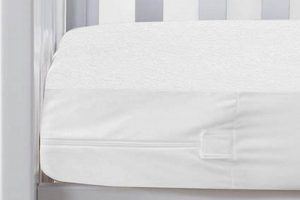
![Best Organic Crib Mattress Protector [Safe Sleep] | Organic & Natural Mattress Buyer’s Guide: Non-Toxic Sleep Solutions](https://mattressworldpa.com/wp-content/uploads/2025/07/th-1363-300x200.jpg "Best Organic Crib Mattress Protector [Safe Sleep] Organic & Natural Mattress Buyer’s Guide: Non-Toxic Sleep Solutions")