The selection of an appropriate bed frame or support structure for a twin size mattress is a crucial element in ensuring optimal comfort and longevity. This involves considering dimensions, materials, and structural integrity to provide adequate support. For example, a standard twin mattress, typically measuring 38 inches wide and 75 inches long, requires a bed frame or platform specifically designed to accommodate these measurements.
Providing the correct foundation is essential for several reasons. Proper support prevents premature sagging and wear on the mattress, extending its lifespan and maintaining its structural integrity. A well-suited support also contributes to improved sleep quality by evenly distributing weight and reducing pressure points. Historically, various materials, from wood to metal, have been employed in the construction of these supports, reflecting advancements in manufacturing and design preferences.
The following discussion will delve into the specific types of bed frames suitable for twin mattresses, examine the factors influencing their selection, and highlight the essential considerations for ensuring a compatible and supportive sleep environment.
Selecting Bed Frames for Twin Size Mattresses
Choosing an appropriate bed frame or support for a twin size mattress requires careful consideration to ensure compatibility, support, and longevity. These tips offer guidance for making an informed decision.
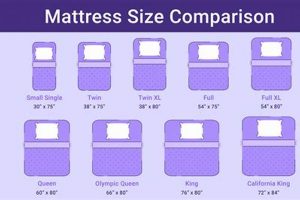
Tip 1: Measure the Mattress Dimensions: Accurately measure the length and width of the twin mattress to ensure a proper fit within the chosen bed frame. Standard twin mattresses are typically 38 inches wide and 75 inches long.
Tip 2: Evaluate Frame Material and Construction: Assess the material and construction quality of the bed frame. Solid wood or reinforced metal frames generally offer greater durability and support compared to lighter materials.
Tip 3: Consider Weight Capacity: Determine the weight capacity of the bed frame to ensure it can adequately support the mattress and the intended occupant(s). Exceeding the weight limit can lead to frame damage or instability.
Tip 4: Choose the Appropriate Bed Type: Select a bed type that aligns with functional needs and space constraints. Options include platform beds, traditional frames with headboards and footboards, and adjustable bed bases.
Tip 5: Assess Support System: Inspect the support system within the bed frame. Slats should be evenly spaced and adequately reinforced to prevent mattress sagging. Box springs may be required for certain frame types to provide additional support.
Tip 6: Check for Compatibility with Bedding: Consider the height of the bed frame in relation to the overall bedding ensemble. Ensure that sheets and blankets fit properly and that the bed is an appropriate height for ease of access.
Tip 7: Prioritize Stability and Noise Reduction: Evaluate the stability of the bed frame and its potential for producing noise. A well-constructed frame should be stable and minimize squeaking or rattling.
By carefully evaluating these factors, individuals can select a bed frame that provides optimal support, extends the lifespan of the twin size mattress, and contributes to a comfortable sleep experience.
The following section will address common issues encountered when pairing twin mattresses with bed frames and offer solutions for resolving these problems.
1. Dimensions
The dimensional compatibility between a bed frame and a twin-size mattress is a foundational consideration when determining an appropriate bed selection. Inadequate dimensional alignment can compromise support, reduce comfort, and ultimately shorten the lifespan of the mattress.
- Length Compatibility
The length of a twin mattress typically measures 75 inches. A bed frame designed for a twin mattress must accommodate this length to prevent the mattress from either overhanging the frame or having excessive space, which can lead to instability and uneven weight distribution. A frame that is too short may cause the mattress to buckle or compress, while a frame that is too long may result in the mattress shifting and losing support.
- Width Compatibility
Twin mattresses generally have a width of 38 inches. The bed frame’s width should closely match this dimension to ensure the mattress is properly supported across its entire surface. A frame that is narrower than the mattress can lead to edge sagging and discomfort, whereas a frame that is significantly wider may not provide adequate lateral support, increasing the risk of the mattress sliding off the frame.
- Frame Height and Mattress Thickness
The overall height of the assembled bed, including both the frame and the mattress, impacts accessibility and aesthetic appeal. When selecting a bed frame, the thickness of the mattress should be considered to achieve a comfortable bed height. A low-profile frame paired with a thick mattress may result in a bed that is too high for easy access, while a tall frame combined with a thin mattress may create an uncomfortably low sleeping surface.
- Internal Frame Dimensions
Pay attention to the internal dimensions of the bed frame where the mattress sits. These dimensions need to be slightly larger than the nominal twin mattress size (38×75 inches) to allow for easy placement and removal of the mattress, but not so large that the mattress shifts excessively. Exact internal dimensions will vary slightly by bed frame design.
In summary, ensuring proper dimensional compatibility is a critical step in selecting a bed frame for a twin-size mattress. This compatibility directly influences mattress support, user comfort, and the overall longevity of the sleep system. Failure to address dimensional considerations can lead to various issues that compromise the quality of sleep and the value of the investment.
2. Support

The concept of support is central to the selection of a bed frame for a twin-size mattress. Adequate support directly impacts the lifespan of the mattress, the sleep quality experienced by the user, and the overall stability of the bed. A bed frame lacking sufficient support can lead to premature mattress sagging, discomfort, and potential structural failure.
- Slat Configuration and Spacing
The arrangement and spacing of slats within a bed frame directly affect the level of support provided to the mattress. Slats that are too far apart can allow the mattress to sink or sag between them, leading to uneven weight distribution and potential damage to the mattress core. Conversely, a greater number of slats with closer spacing provides more uniform support, minimizing pressure points and extending the mattress’s usable life. Th
e material of the slats, typically wood or metal, also plays a role in their ability to withstand weight and resist bending over time. - Center Support Systems
Many bed frames incorporate a central support beam or leg(s) running along the length of the frame. This feature is particularly important for larger mattresses but remains relevant for twin sizes, especially when the frame is designed to accommodate heavier individuals or prolonged use. The center support prevents the frame from bowing or warping under load, ensuring that the mattress receives consistent support across its entire surface. Without adequate center support, the mattress may develop a noticeable sag in the middle, impacting spinal alignment and sleep comfort.
- Platform Bed Construction
Platform beds offer an alternative support system by utilizing a solid or closely spaced platform surface instead of traditional slats. This design provides a firm and even support base for the mattress, eliminating the need for a box spring in many cases. The construction material of the platform, typically wood or metal, determines its overall strength and durability. Platform beds are often favored for their modern aesthetic and ability to provide consistent support, minimizing motion transfer and enhancing sleep quality.
- Edge Support Enhancement
The design of edge support contributes to the usable surface area of the mattress and its overall stability. Frames with reinforced edges prevent the mattress from collapsing or rolling off the sides, providing a more secure and comfortable sleeping surface. Enhanced edge support is particularly beneficial for individuals who tend to sleep near the edge of the bed or who rely on the edge for support when sitting or getting in and out of bed. The materials used to reinforce the edges, such as metal brackets or thicker wood sections, contribute to the frame’s overall structural integrity.
In conclusion, the integration of these support elements into the bed frame design is critical to what bed to twin size mattress make a comfortable and durable sleeping solution. By carefully considering the slat configuration, center support, platform construction, and edge reinforcement, individuals can ensure that their twin-size mattress receives the necessary support to promote restful sleep and extend its lifespan.
3. Materials

The selection of materials directly influences the structural integrity, longevity, and aesthetic appeal of a bed frame designed for a twin-size mattress. Material choice impacts weight capacity, resistance to wear, and the overall comfort of the sleep system.
- Wood
Wood is a traditional material choice for bed frames, offering a balance of strength, aesthetics, and versatility. Hardwoods, such as oak and maple, provide superior durability and resistance to scratches and dents compared to softwoods like pine. The type of wood selected influences the bed frame’s ability to withstand weight and resist warping over time. Solid wood frames offer greater stability than those constructed from particleboard or MDF, but they also tend to be more expensive. Wood frames can be stained, painted, or left natural to complement various bedroom decor styles.
- Metal
Metal bed frames are known for their strength, durability, and affordability. Steel is a common material choice, offering a high weight capacity and resistance to bending or breaking. Metal frames are often powder-coated to prevent rust and corrosion, extending their lifespan. Metal frames can be designed in a variety of styles, from minimalist platforms to ornate canopy beds. The hollow construction of some metal frames can reduce weight and cost but may also compromise stability if not properly reinforced. Welding quality and the thickness of the metal tubing are critical factors in determining the frame’s overall strength and resistance to wear.
- Upholstery
Upholstered bed frames add a layer of comfort and sophistication to the bedroom. Fabric choices range from natural fibers like cotton and linen to synthetic materials like polyester and microfiber. The durability and stain resistance of the upholstery fabric affect the frame’s appearance and maintenance requirements over time. Padding beneath the upholstery provides cushioning and enhances comfort. The construction of the upholstered frame, including the underlying wood or metal support structure, determines its overall strength and stability. Upholstered frames can be customized with various colors, patterns, and textures to match individual preferences.
- Composite Materials
Engineered wood products, such as plywood, particleboard, and MDF (Medium-Density Fiberboard), are frequently used in bed frame construction as cost-effective alternatives to solid wood. These materials offer uniformity and dimensional stability, reducing the risk of warping or cracking. However, their strength and resistance to moisture are generally lower than solid wood. The quality of the adhesive used in the manufacturing process affects the durability and structural integrity of composite wood frames. Laminates or veneers applied to the surface can improve appearance and resistance to scratches and stains.
The consideration of these material characteristics is crucial in what bed to twin size mattress make a supportive and aesthetically pleasing sleep environment. The chosen material directly affects the bed frame’s ability to withstand daily use, maintain its structural integrity, and complement the overall design of the bedroom. Prioritizing quality materials is essential for ensuring long-term satisfaction and a comfortable sleep experience.
4. Height
Height, in the context of “what bed to twin size mattress make”, is a critical parameter influencing accessibility, ergonomics, and overall bedroom aesthetics. The total height, determined by the combination of the bed frame and mattress thickness, dictates ease of entry and exit. An inappropriately low bed can pose challenges for individuals with mobility limitations, while an excessively high bed may be difficult to mount comfortably. The choice of bed frame must therefore consider the user’s physical needs and preferences to ensure optimal functionality.
The height of the bed also has practical implications for under-bed storage. A higher frame provides greater clearance for storing items, such as bins or seasonal clothing, thereby maximizing space utilization in smaller living environments. Conversely, a lower profile frame may prioritize a minimalist aesthetic and ease of cleaning beneath the bed. Consideration of these factors can significantly affect the practicality of the bed within the context of daily living. For instance, in a child’s room, a lower bed height promotes independence and reduces the risk of falls. In contrast, an adult might prefer a taller bed for improved ergonomics and ease of getting in and out.
In summation, the height consideration is integral to “what bed to twin size mattress make”. It bridges the gap between functionality and personal preference, influencing usability, aesthetics, and space management. Selection based on user-specific needs ensures that the chosen bed frame and mattress combination provides a comfortable, accessible, and visually appealing sleeping environment.
5. Style

In the context of “what bed to twin size mattress make,” style transcends mere aesthetic preference; it becomes an integral consideration that influences the overall ambiance of a room and reflects the occupant’s personal taste and lifestyle. Selecting a bed frame involves reconciling functional requirements with stylistic choices to create a harmonious and visually appealing sleep environment.
- Material and Finish Consistency
The materials and finishes of a bed frame should align with the existing decor to maintain visual consistency. For instance, a modern bedroom featuring clean lines and metallic accents may benefit from a metal bed frame with a matte black or brushed silver finish. Conversely, a rustic or farmhouse-style room might be better complemented by a wooden bed frame with a natural stain or distressed paint finish. Incongruent materials and finishes can create visual dissonance, detracting from the overall aesthetic appeal of the room. The objective is to ensure that the bed frame seamlessly integrates into the existing environment, enhancing its visual cohesion.
- Headboard Design Integration
The headboard serves as a focal point in the bedroom, contributing significantly to the overall stylistic impression. Headboard designs range from simple, minimalist panels to ornate, upholstered structures. The choice of headboard should complement the room’s existing furniture and architectural elements. A minimalist headboard may suit a contemporary bedroom, while an upholstered headboard can add a touch of luxury and comfort to a more traditional setting. The size and shape of the headboard should also be proportional to the size of the room and the dimensions of the twin-size mattress. Overly large or elaborate headboards can overwhelm smaller spaces, while undersized or unadorned headboards may appear insignificant in larger rooms.
- Frame Silhouette and Profile
The silhouette and profile of the bed frame contribute to the overall sense of space and proportion in the bedroom. Low-profile platform beds create a sense of openness and can be particularly effective in smaller rooms. Conversely, higher bed frames with more elaborate silhouettes can add visual interest and create a focal point in larger spaces. The shape of the bed frame, whether rectangular, curved, or otherwise, should harmonize with the other furniture and architectural elements in the room. A bed frame with clean, straight lines can complement a modern aesthetic, while a frame with curved lines may suit a more traditional or romantic style.
- Color Palette Coordination
The color of the bed frame should coordinate with the overall color palette of the bedroom. Neutral colors, such as white, gray, or beige, offer versatility and can easily adapt to various design schemes. Bold colors, such as navy blue or deep green, can add a touch of drama and create a focal point. The color of the bed frame should complement the wall color, bedding, and other decorative elements in the room. A monochromatic color scheme can create a sense of tranquility and cohesiveness, while a contrasting color scheme can add visual interest and energy. Careful consideration of the color palette can significantly enhance the overall aesthetic appeal of the bedroom.
These style considerations play a vital role in “what bed to twin size mattress make.” Integrating stylistic elements appropriately ensures that the chosen bed frame not only fulfills its functional purpose but also enhances the visual harmony and personal expression within the sleep environment.
6. Durability
Durability is a paramount consideration when evaluating what bed to twin size mattress make constitutes a worthwhile investment. The expected lifespan of a bed frame directly correlates to the quality of materials, construction techniques, and the intended use. A bed frame constructed from low-quality materials or employing substandard joinery is prone to premature failure, leading to instability, squeaking, and ultimately, the need for replacement. This creates a financial burden and disrupts sleep patterns. For instance, a twin bed frame in a child’s room, subject to increased activity and potential abuse, requires a higher degree of durability compared to one used in a guest room with infrequent occupancy. The former demands robust materials like solid hardwood or heavy-gauge steel, whereas the latter might suffice with less substantial options.
The practical significance of durability extends beyond mere cost savings. A structurally sound bed frame provides consistent support to the mattress, preventing sagging and uneven wear. This, in turn, prolongs the mattress’s lifespan and maintains its ergonomic properties, contributing to improved sleep quality and reduced risk of musculoskeletal discomfort. Furthermore, a durable bed frame minimizes the likelihood of unexpected breakage, mitigating potential safety hazards, especially in households with children or individuals with mobility limitations. The connection between frame durability and mattress support is symbiotic; a weak frame negates the benefits of a high-quality mattress, and vice versa. Consider the example of a platform bed with poorly supported slats; the slats may break under pressure, causing the mattress to deform and lose its supportiveness, regardless of its original construction.
In summary, durability is not merely a desirable attribute but a fundamental requirement when assessing what bed to twin size mattress make. The choice of materials, construction methods, and the consideration of intended use are all critical factors in determining the long-term value and functionality of the bed frame. Neglecting durability considerations can lead to premature failure, compromised sleep quality, and potential safety hazards, underscoring the importance of prioritizing this aspect in the selection process.
7. Budget

The budgetary allocation for a bed frame profoundly influences the spectrum of choices available when considering what bed to twin size mattress make a functional sleeping solution. The financial constraints imposed by a defined budget directly dictate the materials, construction quality, and stylistic features that can be realistically considered. A limited budget necessitates prioritizing essential functional aspects, potentially compromising aesthetic preferences or long-term durability. For instance, a budget of $100 may restrict options to basic metal frames or particleboard constructions, while a budget of $500 or more opens possibilities to solid wood frames with enhanced aesthetic details and increased structural longevity. The cause-and-effect relationship is evident: a lower budget invariably results in trade-offs in material quality and design complexity.
Understanding the interplay between budget and available options is crucial for making informed decisions. Opting for the least expensive frame without due consideration for its support capabilities can lead to premature mattress sagging, necessitating earlier replacement of both the frame and the mattress. This effectively negates any initial cost savings. Conversely, overspending on a high-end frame when a more moderately priced option adequately meets functional requirements represents an inefficient allocation of resources. A practical application of this
understanding involves researching average price ranges for different bed frame materials and construction types. This research enables a more targeted search, ensuring that the selected frame provides adequate support, durability, and stylistic compatibility within the predefined budgetary limits. For example, exploring online retailers and comparing prices for metal versus wood frames can provide valuable insights into relative costs and potential trade-offs.
In conclusion, budget functions as a critical determinant in the selection process of what bed to twin size mattress make. While budgetary limitations often necessitate compromises, a thorough understanding of the relationship between cost and quality allows for a more strategic approach. The challenge lies in balancing immediate cost considerations with long-term value, ensuring that the chosen bed frame provides adequate support, durability, and aesthetic appeal without exceeding financial constraints. This careful balance maximizes the utility and longevity of the chosen sleep system, contributing to a more sustainable and cost-effective solution.
Frequently Asked Questions
This section addresses common inquiries and concerns related to selecting an appropriate bed frame for a twin size mattress, providing clear and informative answers.
Question 1: What are the standard dimensions for a twin size mattress bed frame?
A standard twin mattress typically measures 38 inches in width and 75 inches in length. A compatible bed frame should closely adhere to these dimensions to ensure proper mattress support and prevent slippage.
Question 2: What type of bed frame is most suitable for a twin mattress?
Suitable options include platform beds, traditional frames with headboards and footboards, and adjustable bed bases. The selection depends on factors such as space constraints, desired aesthetic, and individual preferences for adjustability.
Question 3: What is the recommended slat spacing for a twin bed frame?
Slat spacing should ideally be no more than 2-3 inches apart to provide adequate mattress support and prevent sagging. Closer spacing generally offers more uniform weight distribution and extends mattress lifespan.
Question 4: Is a box spring necessary for all twin bed frames?
A box spring is not required for platform beds or frames with integrated support systems. However, traditional frames with widely spaced slats may necessitate a box spring to provide additional support and prevent mattress damage.
Question 5: How does bed frame material impact support and durability?
Solid wood and reinforced metal frames generally offer greater durability and support compared to lighter materials such as particleboard. Material selection influences the frame’s weight capacity, resistance to wear, and overall lifespan.
Question 6: What factors should be considered when assessing bed frame weight capacity?
The weight capacity of the bed frame should be sufficient to support the mattress and the intended occupant(s). Exceeding the weight limit can lead to frame damage, instability, and potential safety hazards. It is advisable to select a frame with a weight capacity exceeding the anticipated load.
These FAQs provide essential guidance for selecting an appropriate bed frame for a twin size mattress. Considering these factors ensures optimal support, extends mattress lifespan, and contributes to a comfortable sleep environment.
The subsequent section will offer practical tips for assembling and maintaining twin bed frames, ensuring their longevity and continued performance.
Determining the Optimal Twin Size Mattress Bed Frame
This exploration has illuminated the crucial considerations inherent in “what bed to twin size mattress make” a supportive and durable foundation. The significance of dimensional compatibility, material selection, support mechanisms, stylistic harmony, and budgetary constraints has been thoroughly examined. Adherence to these guidelines ensures not only the longevity of the mattress but also promotes optimal sleep quality and user well-being.
The selection process, therefore, demands careful evaluation of individual needs and circumstances. The informed application of these principles will lead to a judicious choice, ultimately fostering a sleep environment conducive to rest and rejuvenation. Ongoing adherence to maintenance best practices further safeguards the investment, ensuring continued performance and minimizing the potential for premature replacement.
![Best Twin Mattress at Sam's Club: [Year] Guide | Organic & Natural Mattress Buyer’s Guide: Non-Toxic Sleep Solutions](https://mattressworldpa.com/wp-content/uploads/2025/07/th-5187-300x200.jpg "Best Twin Mattress at Sam's Club: [Year] Guide Organic & Natural Mattress Buyer’s Guide: Non-Toxic Sleep Solutions")
![Best Twin Size Beds with Mattress [Deals] | Organic & Natural Mattress Buyer’s Guide: Non-Toxic Sleep Solutions](https://mattressworldpa.com/wp-content/uploads/2025/07/th-5186-300x200.jpg "Best Twin Size Beds with Mattress [Deals] Organic & Natural Mattress Buyer’s Guide: Non-Toxic Sleep Solutions")
![Best Twin Folding Mattress [Deals] Compact Sleep! | Organic & Natural Mattress Buyer’s Guide: Non-Toxic Sleep Solutions](https://mattressworldpa.com/wp-content/uploads/2025/07/th-5185-300x200.jpg "Best Twin Folding Mattress [Deals] Compact Sleep! Organic & Natural Mattress Buyer’s Guide: Non-Toxic Sleep Solutions")