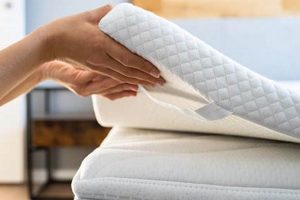
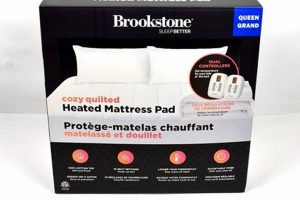
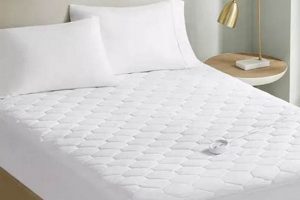
Mattress pads and toppers serve distinct purposes in enhancing sleep surfaces. A mattress pad offers a thin layer of cushioning, primarily intended to protect the mattress from spills, stains, and wear. It typically resembles a fitted sheet, with elasticized edges securing it to the mattress. A mattress topper, in contrast, is a thicker layer designed to alter the feel of the existing mattress. It aims to provide additional comfort, support, or pressure relief. Examples of toppers include those made from memory foam, latex, or down alternatives, each providing a unique feel and level of support.
Understanding the difference between these items allows consumers to make informed decisions regarding their bedding needs. Choosing the appropriate product can improve sleep quality and extend the lifespan of the underlying mattress. Historically, both pads and toppers evolved from simple textiles placed on straw-filled mattresses to the technologically advanced materials available today, reflecting a growing understanding of sleep science and comfort.
The following sections will delve into specific characteristics of mattress pads and toppers, including materials, thickness, benefits, and considerations for selecting the right option based on individual needs and preferences.
The following insights offer practical guidance when deciding between a mattress pad and a mattress topper, ensuring an informed selection aligned with specific needs.
Tip 1: Assess the Primary Need: Determine if the primary objective is mattress protection or enhanced comfort. A mattress pad serves primarily as a barrier against spills and stains, while a topper focuses on altering the feel of the sleep surface.
Tip 2: Evaluate Thickness: Consider the thickness of each product. Mattress pads are typically thin, adding minimal height to the bed. Toppers, being significantly thicker, will increase the overall height and may require deeper pocket sheets.
Tip 3: Material Composition: Examine the materials used. Mattress pads often consist of quilted cotton or polyester blends. Toppers are available in a wider range of materials, including memory foam, latex, and fiberfill, each offering distinct properties regarding support, temperature regulation, and durability.
Tip 4: Budgetary Considerations: Understand the price ranges associated with each option. Mattress pads are generally more affordable than toppers. Premium materials and advanced features in toppers can significantly increase the cost.
Tip 5: Consider Support Needs: Analyze existing support levels. If the current mattress provides adequate support but lacks comfort, a topper may be the optimal choice. If the mattress is nearing the end of its lifespan and lacking support, a new mattress may be a more effective long-term solution.
Tip 6: Temperature Sensitivity: Acknowledge individual temperature preferences. Memory foam toppers can retain heat, while latex and fiberfill options tend to offer better breathability. Consider cooling gel-infused toppers for individuals who sleep hot.
Tip 7: Maintenance Requirements: Investigate cleaning instructions. Mattress pads are often machine washable, while toppers may require spot cleaning or professional laundering.
Selecting the appropriate bedding enhancement requires a careful evaluation of individual needs and the characteristics of each product. A well-informed decision can significantly improve sleep quality and overall well-being.
The subsequent section will provide a concluding overview of the key distinctions, solidifying the understanding necessary for an optimal purchase.
1. Protection

Protection is a primary consideration when evaluating bedding accessories, and it significantly contributes to the difference between mattress pads and toppers. The level of protection each provides impacts mattress longevity and hygiene, influencing consumer choice.
- Barrier Against Spills and Stains
Mattress pads are primarily designed to act as a barrier against spills, stains, and everyday wear and tear. Their construction, often involving a quilted or fitted sheet design, allows for easy removal and laundering, maintaining mattress cleanliness. Real-life examples include protecting against accidental spills of liquids or preventing the buildup of body oils and sweat. The implications directly affect the lifespan and hygiene of the underlying mattress.
- Dust Mite and Allergen Control
Both mattress pads and toppers can offer a degree of protection against dust mites and allergens, although the extent varies. Pads often incorporate hypoallergenic materials or tightly woven fabrics to minimize allergen penetration. Toppers, depending on their material, may also offer this benefit. For instance, latex is naturally resistant to dust mites. This aspect is particularly important for individuals with allergies or sensitivities, directly impacting their sleep environment.
- Wear and Tear Mitigation
Mattress pads provide a buffer against friction and abrasion, reducing direct wear and tear on the mattress surface. This is especially pertinent for mattresses with delicate or easily damaged surfaces. For example, a thin mattress pad can prevent pilling or snagging on a memory foam mattress caused by bedding. This protective function contributes to preserving the mattress’s structural integrity and appearance over time.
- Extending Mattress Lifespan
By mitigating spills, stains, allergens, and wear and tear, both mattress pads and toppers indirectly contribute to extending the useful life of a mattress. However, pads are typically prioritized for this function. A clean, well-maintained mattress is less likely to degrade prematurely, avoiding the need for costly replacements. The economic implications of this protection are significant, representing a long-term cost-saving benefit for consumers.
In summary, while both mattress pads and toppers offer some level of protection, mattress pads are predominantly focused on this aspect. The degree of protection provided influences the overall lifespan, hygiene, and comfort of the sleep environment, playing a critical role in the decision-making process when choosing between these bedding accessories.
2. Thickness

The dimensional characteristic of thickness is a defining factor differentiating mattress pads from toppers. The varying thicknesses of these products directly correlate with their intended function and impact on sleep quality. Mattress pads typically present a minimal thickness, often ranging from fractions of an inch to a few inches, designed primarily for mattress protection and subtle comfort enhancement. Their thin profile ensures they do n
ot significantly alter the existing feel of the mattress. Conversely, mattress toppers are notably thicker, commonly ranging from two to four inches or more. This greater thickness is intended to substantially modify the sleep surface, adding cushioning, support, or contouring.
The practical implications of this thickness difference are significant. For instance, a mattress pad might protect against minor spills without noticeably changing the firmness of a mattress. However, a memory foam topper, several inches thick, can transform a firm mattress into a softer, more pressure-relieving surface. This characteristic also affects compatibility with bedding. The increased height of a mattress with a topper may necessitate deeper-pocket fitted sheets, while standard sheets typically suffice for mattresses with only a pad. The choice between a pad and a topper based on thickness should consider the user’s desired degree of comfort alteration and practical considerations related to bedding.
In summary, thickness represents a critical distinction between mattress pads and toppers. Pads prioritize protection and minimal alteration, while toppers prioritize significant enhancement of comfort and support. Understanding this difference enables consumers to select the appropriate product based on their specific needs and preferences, ultimately contributing to improved sleep quality and mattress longevity. The challenge lies in accurately assessing the required thickness for optimal comfort, often necessitating careful consideration of personal preferences and existing mattress characteristics.
3. Material

Material composition constitutes a fundamental differentiator between mattress pads and toppers. The diverse materials employed in their construction dictate their performance characteristics, influencing factors such as comfort, support, temperature regulation, and durability. Consequently, material selection is paramount when discerning the appropriate bedding accessory to meet specific needs.
- Mattress Pad Materials: Cotton and Polyester Blends
Mattress pads frequently utilize cotton or polyester blends. Cotton provides breathability and a soft feel, while polyester enhances durability and stain resistance. Quilted construction is common, with a thin layer of fill, such as polyester fiber, for added cushioning. For example, a simple cotton pad protects the mattress from spills and adds a slight layer of comfort. These materials offer affordability and ease of maintenance, making them suitable for basic mattress protection and light comfort enhancement.
- Topper Materials: Memory Foam
Memory foam toppers are prevalent, known for their ability to contour to the body and provide pressure relief. This material responds to body heat and weight, conforming to the sleeper’s shape and distributing weight evenly. A common application involves individuals seeking relief from pressure points, such as those experienced in the shoulders or hips. Implications include improved spinal alignment and reduced tossing and turning during sleep, enhancing overall sleep quality.
- Topper Materials: Latex
Latex toppers offer a balance of comfort and support. Derived from rubber trees, latex possesses natural elasticity and resilience. Unlike memory foam, latex provides more responsive support, preventing the feeling of sinking too deeply into the topper. An example is a latex topper providing support for back sleepers, maintaining spinal alignment without excessive contouring. Latex is also naturally hypoallergenic and breathable, contributing to a cooler sleep environment.
- Topper Materials: Down and Down Alternatives
Down and down alternative toppers offer a plush, cloud-like feel. Down provides exceptional softness and insulation, while down alternatives, typically made of synthetic fibers, mimic the feel of down while being hypoallergenic. A typical use case is adding a luxurious layer of comfort to a firmer mattress. These materials prioritize comfort and a plush feel, but may not provide significant support or pressure relief compared to memory foam or latex options.
The interplay between material and design dictates the specific characteristics and benefits of mattress pads and toppers. Understanding the properties of these materials empowers consumers to make informed decisions aligned with their individual needs and preferences, optimizing their sleep environment and enhancing overall well-being.
4. Comfort

Comfort is a central consideration when evaluating mattress pads and toppers, directly influencing sleep quality and overall satisfaction. The degree of comfort enhancement each provides differs significantly, owing to variations in materials, construction, and thickness. Understanding these differences is crucial for aligning bedding choices with individual preferences and physical needs.
- Surface Feel Alteration
Mattress pads offer a subtle alteration to the sleep surface feel. Their thin profile primarily provides a layer of cushioning, softening the initial contact with the mattress without significantly changing its underlying support characteristics. An example includes adding a thin quilted pad to a slightly firm mattress for a more plush initial feel. The impact is a modest improvement in surface comfort without a substantial change in the mattress’s overall firmness.
- Pressure Relief Enhancement
Mattress toppers excel at enhancing pressure relief, particularly those made from memory foam or latex. These materials conform to the body’s contours, distributing weight more evenly and reducing pressure points. For instance, a memory foam topper can alleviate pressure on the hips and shoulders for side sleepers, leading to reduced discomfort and improved sleep quality. The implications involve targeted relief from pressure, promoting a more restful sleep experience.
- Temperature Regulation Impact
Both mattress pads and toppers can influence temperature regulation during sleep, albeit to varying degrees. Some materials, such as cotton or breathable synthetic blends in mattress pads, promote airflow and reduce heat retention. Conversely, certain memory foam toppers may retain heat, potentially leading to discomfort for some individuals. Examples include using a cooling gel-infused memory foam topper to mitigate heat retention or choosing a cotton pad for enhanced breathability. The effect on thermal comfort is a crucial factor for individuals sensitive to temperature fluctuations during sleep.
- Support and Alignment Contribution
While mattress pads primarily focus on surface comfort, toppers can contribute to overall support and spinal alignment. Thicker toppers, especially those made from latex or high-density foam, can provide additional support, preventing excessive sinking into the mattress and maintaining proper spinal alignment. For instance, a firm latex topper can improve support for back sleepers, preventing lower back pain. The contribution to support is particularly relevant for individuals with specific orthopedic needs or those seeking to improve their sleeping posture.
The multifaceted relationship between comfort and bedding accessories underscores the importance of discerning the specific benefits offered by mattress pads and toppers. By understanding the nuances of surface feel, pressure relief, tempera
ture regulation, and support, consumers can make informed decisions that optimize their sleep environment and enhance their overall well-being.
5. Support

Support is a critical consideration when distinguishing between mattress pads and toppers. It directly impacts spinal alignment, pressure distribution, and overall sleep quality. The level of support offered by each significantly influences their suitability for various sleep preferences and physical needs.
- Core Firmness Enhancement
Mattress pads generally offer minimal enhancement to the core firmness of a mattress. Their primary role is to provide a thin layer of cushioning, not to alter the underlying support structure. For example, adding a quilted mattress pad to a soft mattress will not significantly increase its firmness or prevent sagging. The implication is that individuals requiring additional support should not rely solely on a mattress pad.
- Zonal Support Provision
Mattress toppers, particularly those constructed with zoned support systems, can offer targeted support to specific areas of the body. These zones often feature varying densities of foam or strategically placed coils to provide additional support to the lumbar region or contouring around the shoulders. Real-world applications include toppers designed to alleviate back pain by providing enhanced support to the lower back. This localized support contributes to improved spinal alignment and pressure distribution.
- Weight Distribution Influence
The ability to distribute weight evenly is crucial for preventing pressure points and promoting comfortable sleep. Mattress toppers, especially those made from memory foam or latex, excel at conforming to the body’s shape and distributing weight across a larger surface area. For example, a memory foam topper can alleviate pressure on the hips and shoulders of a side sleeper, reducing discomfort and improving sleep quality. This even weight distribution minimizes stress on joints and promotes proper spinal alignment.
- Edge Support Improvement
Edge support, the stability of the mattress perimeter, is another area where toppers can offer improvement. Some toppers feature reinforced edges designed to prevent sagging and provide a more consistent sleep surface. An example is a topper with high-density foam encasement, offering greater stability when sitting or sleeping near the edge of the bed. This improved edge support enhances the usable sleep surface and prevents the feeling of rolling off the bed.
In summary, the degree to which mattress pads and toppers contribute to support varies significantly. While pads offer minimal support enhancement, toppers can provide targeted zonal support, improve weight distribution, and enhance edge support. Understanding these differences is essential for selecting the appropriate bedding accessory to address individual support needs and optimize sleep quality. The selection process should consider existing mattress characteristics and desired support levels to ensure a comfortable and supportive sleep environment.
6. Lifespan
The lifespan of both mattress pads and toppers is a significant factor differentiating these bedding accessories and influencing purchasing decisions. Their distinct constructions and functions directly impact how long each product remains effective and comfortable, affecting long-term value and cost considerations.
- Mattress Protection and Longevity
Mattress pads primarily extend the lifespan of the underlying mattress by acting as a protective barrier against spills, stains, and wear. A pad can absorb liquids, preventing them from penetrating the mattress and causing lasting damage or microbial growth. For instance, a waterproof mattress pad can shield against accidental spills from drinks or prevent sweat from soaking into the mattress, which can degrade its materials over time. This protection contributes to maintaining the mattress’s structural integrity and hygiene, postponing the need for replacement. The implications are a prolonged lifespan for the mattress and a reduction in long-term bedding expenses.
- Topper Wear and Degradation
Mattress toppers, while enhancing comfort, are subject to wear and degradation over time. The materials used in toppers, such as memory foam, latex, or down alternatives, can compress, lose their supportive properties, or develop indentations with prolonged use. For example, a memory foam topper may develop body impressions in the areas where weight is concentrated, reducing its ability to provide even support and pressure relief. The lifespan of a topper is therefore influenced by material quality, usage frequency, and body weight, typically ranging from a few years to a decade. The implications include the need for periodic replacement of the topper to maintain optimal comfort and support.
- Material Quality and Durability
The quality of materials used in both mattress pads and toppers significantly affects their respective lifespans. Higher-quality materials, such as densely woven cotton for pads or high-density foam for toppers, tend to be more durable and resistant to wear. Conversely, lower-quality materials may break down more quickly, reducing the product’s lifespan. A mattress pad made of durable, tightly woven fabric will withstand more washing cycles and resist tears, while a high-density memory foam topper will retain its shape and supportive properties longer than a low-density alternative. The implications for consumers involve weighing the initial cost against the long-term durability and performance of the chosen materials.
- Maintenance and Care Practices
Proper maintenance and care practices also influence the lifespan of both mattress pads and toppers. Regular washing of mattress pads helps to remove allergens and maintain hygiene, extending their useful life. Toppers may require spot cleaning or professional laundering to prevent damage or degradation. Improper care, such as using harsh chemicals or exposing toppers to direct sunlight, can accelerate wear and reduce their lifespan. For example, a memory foam topper should be protected from direct sunlight to prevent it from drying out and losing its elasticity. The implications include the need for adhering to recommended care instructions to maximize the lifespan and performance of bedding accessories.
In conclusion, the lifespan of mattress pads and toppers is influenced by their protective functions, material quality, and maintenance practices. Mattress pads primarily extend the lifespan of the underlying mattress, while toppers themselves have a finite lifespan determined by material degradation and wear. Understanding these factors enables consumers to make informed decisions about which bedding accessories best meet their needs, balancing initial costs with long-term value and comfort. The challenge lies in selecting products with durable materials and adhering to proper care practices to maximize their lifespan and ensure a comfortable and hygienic sleep environment.
Frequently Asked Questions
The following addresses common inquiries regarding mattress pads and toppers, clarifying their distinct characteristics and appropriate usage.
Question 1: Is a mattress pad sufficient for adding significant comfort to a firm mattress?
A mat
tress pad provides a subtle layer of cushioning. For significant comfort enhancement on a firm mattress, a mattress topper is generally more effective due to its greater thickness and material composition.
Question 2: Can a mattress topper protect against spills and stains as effectively as a mattress pad?
While some mattress toppers may offer limited spill resistance, their primary function is not protection. A dedicated mattress pad provides superior protection against liquids and stains.
Question 3: How does the thickness of a mattress pad or topper affect sheet fit?
Mattress pads, being thin, typically do not require special deep-pocket sheets. Toppers, due to their increased thickness, may necessitate deeper-pocket sheets to ensure a proper fit.
Question 4: Are mattress toppers suitable for all types of mattresses?
Mattress toppers can be used on most mattress types, but compatibility should be considered. For example, a memory foam topper on a very soft mattress may result in excessive sinking, while a firmer topper on a very firm mattress may provide insufficient comfort.
Question 5: What are the key considerations when choosing between a memory foam and a latex mattress topper?
Memory foam offers significant contouring and pressure relief but may retain heat. Latex provides responsive support and breathability, making it a cooler option. Individual preferences and sleep habits should guide the choice.
Question 6: How often should a mattress pad or topper be replaced?
The lifespan of a mattress pad or topper depends on material quality, usage, and care. Signs of wear, such as flattening, indentations, or reduced support, indicate the need for replacement.
In summary, mattress pads and toppers serve distinct purposes. Pads primarily protect the mattress, while toppers primarily enhance comfort and support. Selecting the appropriate product requires careful consideration of individual needs and preferences.
The subsequent section will provide expert recommendations for selecting the optimal bedding accessories.
Discerning Mattress Enhancements
This exploration of “what is the difference between mattress pad and topper” has illuminated key distinctions. Mattress pads serve primarily as protective barriers, extending mattress lifespan by mitigating spills, stains, and wear. Their thin profile offers minimal alteration to the sleep surface. Conversely, mattress toppers are designed to significantly enhance comfort and support, utilizing materials such as memory foam, latex, or down alternatives to modify the feel of the existing mattress. The choice between these options hinges on individual needs, with pads prioritizing protection and toppers emphasizing comfort and support modulation.
Ultimately, a thorough understanding of the nuances separating mattress pads and toppers empowers consumers to make informed decisions. Careful evaluation of individual requirements, coupled with a consideration of material properties and intended functions, ensures an optimal selection. The long-term implications of this decision extend to improved sleep quality, enhanced mattress longevity, and a more comfortable and supportive sleep environment, underscoring the importance of diligent assessment.
![Top JCP Mattress Pad [Guide] & Best Deals | Organic & Natural Mattress Buyer’s Guide: Non-Toxic Sleep Solutions](https://mattressworldpa.com/wp-content/uploads/2025/07/th-4793-300x200.jpg "Top JCP Mattress Pad [Guide] & Best Deals Organic & Natural Mattress Buyer’s Guide: Non-Toxic Sleep Solutions")