An inflated bulge appearing on the surface of an air mattress signifies a concentrated area where the internal structure has weakened, allowing the material to stretch disproportionately under air pressure. This localized expansion creates a noticeable raised area, often resembling a “bubble.” Such deformations compromise the mattress’s flat, supportive surface.
The presence of this issue indicates a potential failure point in the mattress’s construction. It suggests a degradation of the material’s integrity, potentially stemming from manufacturing flaws, material fatigue due to repeated inflation and deflation cycles, excessive weight concentrated in a specific area, or exposure to extreme temperatures. Addressing this problem promptly is crucial to prevent further damage and ensure continued usability of the air mattress.
Understanding the underlying causes of these surface irregularities is key to preventing future occurrences and prolonging the lifespan of inflatable mattresses. The following sections will delve into specific factors that contribute to their development and offer guidance on preventative measures and potential repair strategies.
Addressing Air Mattress Deformations
Maintaining an air mattress’s structural integrity is crucial for optimal comfort and longevity. Prevention and timely intervention are key to minimizing the likelihood and impact of surface irregularities.
Tip 1: Distribute Weight Evenly: Avoid concentrating weight in a single area. Uneven pressure can overstress specific points on the mattress, leading to material fatigue and potential bulging.
Tip 2: Regulate Inflation Pressure: Do not overinflate the mattress. Adhere to the manufacturer’s recommended pressure levels. Overinflation places excessive strain on the seams and material, increasing the risk of structural failure.
Tip 3: Store Properly When Not in Use: When deflated, store the air mattress in a cool, dry environment away from direct sunlight. Avoid folding it in the same crease repeatedly, as this can weaken the material along those lines.
Tip 4: Protect from Sharp Objects: Use the air mattress on a smooth, debris-free surface. Punctures, even small ones, can compromise the internal structure and lead to localized expansions as air leaks into the surrounding material.
Tip 5: Monitor Temperature Exposure: Extreme temperatures, both hot and cold, can affect the elasticity and durability of the mattress material. Avoid prolonged exposure to these conditions.
Tip 6: Regular Inspection: Routinely examine the air mattress for signs of wear and tear, including discoloration, thinning, or stretching of the material. Early detection can allow for timely repairs and prevent further damage.
By implementing these strategies, the risk of developing these problematic bulges can be significantly reduced, ensuring the extended use and functionality of the air mattress.
The concluding section will explore potential repair options and when professional assistance may be necessary.
1. Material Degradation

Material degradation, in the context of air mattresses, refers to the gradual deterioration of the polymer compounds comprising the mattress’s inflatable structure. This breakdown weakens the material’s tensile strength and elasticity, rendering it more susceptible to deformation under pressure. As the material loses its ability to uniformly distribute air pressure, localized stress concentrations develop, contributing to the formation of bulges on the mattress surface. For example, prolonged exposure to ultraviolet radiation from sunlight can cause the polymer chains to break down, leading to a loss of flexibility and an increased risk of localized expansion upon inflation.
Several factors accelerate material degradation in air mattresses. Chemical reactions, often triggered by exposure to ozone or certain cleaning agents, can compromise the polymer matrix. Repeated flexing and stretching during inflation and deflation cycles induce mechanical fatigue, creating microscopic cracks that propagate over time. Furthermore, the presence of plasticizers, additives used to enhance flexibility, can leach out over time, leaving the material brittle and prone to cracking. This process, exemplified by an older air mattress left inflated for extended periods, illustrates how constant stress combined with depleted plasticizers results in a weakened surface area ripe for bulging.
Understanding the connection between material degradation and the development of surface irregularities is paramount for prolonging the life of air mattresses. Implementing preventative measures, such as storing the mattress properly away from sunlight and harsh chemicals and avoiding over-inflation, can mitigate the rate of material breakdown. Identifying the underlying causes of material weakening allows consumers to make informed decisions regarding product care and maintenance, ultimately contributing to a more sustainable usage of these inflatable products. Regularly inspecting for signs of deterioration enables early intervention and potentially averts significant structural damage.
2. Uneven Weight Distribution

Uneven weight distribution on an air mattress is a significant factor contributing to localized material stress and, consequently, the formation of surface deformations. This imbalance in applied force can accelerate wear in specific areas, leading to compromised structural integrity.
- Localized Stress Concentration
Concentrated pressure in specific areas, such as prolonged sitting or sleeping in the same position, exceeds the material’s capacity to uniformly distribute the load. This focused stress weakens the internal structure, predisposing the area to expansion and bulging under inflation pressure. An example is habitual sitting on the edge of the mattress; this constant pressure on a small area gradually degrades the material, increasing the risk of a bulge.
- Compromised Internal Support Structures
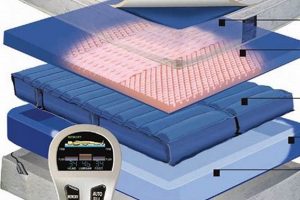
Air mattresses utilize internal baffles or support structures to maintain a flat and even surface. Uneven weight distribution can strain or break these internal components, causing the surrounding material to stretch unevenly. When the internal support yields, air pressure pushes more forcefully against the weakened outer layer, forming a bubble. This is analogous to a bridge where a support beam fails, causing the deck to sag in that location.
- Accelerated Material Fatigue
Repeated applications of uneven weight contribute to material fatigue. The constant stretching and flexing of the mattress material in localized areas causes microscopic tears and weaknesses. These accumulated micro-fractures compromise the material’s overall strength, making it
more susceptible to permanent deformation. The effect is similar to repeatedly bending a paperclip at the same spot; eventually, it will break due to accumulated stress. - Seam Stress and Failure
Seams, where different sections of the air mattress material are joined, are often vulnerable points. Uneven weight distribution places added stress on these seams, potentially leading to separation or weakening. If a seam fails due to excessive stress, the surrounding material will expand under air pressure, forming a noticeable bulge. This is comparable to a seam on a garment tearing under excessive strain.
In conclusion, uneven weight distribution directly contributes to “why does my air mattress have a bubble” by creating localized stress, compromising internal support, accelerating material fatigue, and straining seams. Addressing this factor through even weight distribution and proper usage practices is critical for prolonging the life and maintaining the integrity of the air mattress.
3. Over-inflation pressure

Exceeding the recommended inflation level in an air mattress significantly elevates the risk of structural compromises, directly contributing to the potential formation of surface abnormalities. The relationship between internal pressure and material integrity is critical to maintaining the mattress’s designed form and function.
- Exceeding Material Tensile Strength
Over-inflation forces the mattress material beyond its designed tensile strength, the maximum stress it can withstand before permanent deformation occurs. When this limit is surpassed, the material stretches excessively, particularly at weaker points or existing flaws. This localized stretching creates thin spots prone to bulging under continued pressure. The effect is akin to over-stretching a rubber band; it becomes thinner and more likely to break.
- Stress Amplification at Seams and Joints
Seams and joints, where different sections of the mattress material are joined, are inherently weaker than the continuous material. Over-inflation intensifies stress at these points, increasing the risk of separation or rupture. When a seam weakens or fails, the surrounding material bulges outward due to the escaping air pressure, creating a noticeable surface deformation. This is comparable to a pressure cooker where excessive internal pressure can cause the seals to fail.
- Compromised Internal Baffle System
Air mattresses often incorporate internal baffles or support structures to maintain a flat and uniform sleeping surface. Over-inflation places excessive strain on these internal supports, potentially causing them to tear or detach from the mattress walls. A damaged baffle system compromises the structural integrity of the mattress, leading to uneven pressure distribution and the formation of bulges in areas where support has been lost. This resembles a building where internal support beams are damaged, causing the floor to sag.
- Accelerated Material Fatigue and Creep
Sustained over-inflation accelerates material fatigue, a process where repeated stress weakens the material over time. Additionally, it can induce creep, a slow and permanent deformation under constant stress. This continuous strain leads to the material stretching and thinning in localized areas, predisposing them to bulge under pressure. This effect is similar to a plastic component slowly deforming under a constant load.
In summary, over-inflation directly exacerbates the probability of “why does my air mattress have a bubble” by surpassing material tensile strength, intensifying stress at vulnerable seams, compromising internal support structures, and accelerating material fatigue. Maintaining the recommended inflation level is, therefore, crucial for preserving the integrity and extending the lifespan of air mattresses.
4. Manufacturing Defects

Manufacturing defects represent inherent weaknesses introduced during the production process of an air mattress, predisposing it to premature failure and the formation of surface irregularities. These flaws compromise the structural integrity of the mattress from the outset, increasing the likelihood that it will develop bulges or bubbles under normal usage conditions.
- Inconsistent Material Thickness
Variations in material thickness across the mattress surface, resulting from inadequate quality control during manufacturing, create zones of differential strength. Thinner areas are more susceptible to stretching and deformation under air pressure. For instance, if a sheet of PVC used in construction has sections that are noticeably thinner, these sections will inflate more readily than the thicker ones, leading to localized bulging.
- Weakened Seam Welds
Seams, where separate pieces of material are joined, are critical points of structural integrity. Improper welding techniques, insufficient heat application, or contaminated surfaces during the welding process can produce weak seams. These compromised seams are prone to separation under pressure, allowing the surrounding material to expand outward and form a bubble. An example is a seam where the weld is visibly uneven or has gaps, indicating inadequate fusion of the materials.
- Inadequate Baffle Attachment
Internal baffles are designed to distribute air pressure evenly and maintain a flat surface. If these baffles are not securely attached to the mattress walls during manufacturing, they can detach or shift under pressure. This detachment leads to uneven pressure distribution, with increased stress on unsupported areas, resulting in localized bulging. Imagine a mattress where some of the internal walls are only partially glued; these will detach from the main walls over time and form bubble.
- Material Imperfections
Defects within the raw materials themselves, such as impurities, air pockets, or inconsistencies in the polymer structure, can compromise the material’s overall strength and elasticity. These imperfections create weak points that are prone to deformation under pressure, contributing to the formation of bulges. The presence of tiny air bubbles trapped within the PVC during its production, for example, would make those areas weaker than the rest of the material, contributing to localized deformation.
In conclusion, manufacturing defects are a significant predisposing factor for why an air mattress might develop a bubble. These inherent flaws, ranging from inconsistent material thickness to weakened seams and inadequate baffle attachment, compromise the structural integrity of the mattress from its inception, increasing the likelihood of premature failure under normal usage conditions. Rigorous quality control measures during the manufacturing process are essential to mitigate these risks and ensure the durability of the final product.
5. Temperature extremes

Exposure to temperature extremes significantly influences the structural integrity of air mattresses, thereby contributing to the likelihood of deformation and t
he formation of bulges. Elevated temperatures induce material softening and expansion, while low temperatures cause stiffening and potential embrittlement. These thermal effects compromise the material’s ability to uniformly distribute air pressure, leading to localized stress concentrations and the potential for bulge formation. For instance, leaving an air mattress inside a vehicle on a hot day can elevate the internal temperature to a level where the material stretches beyond its elastic limit, resulting in permanent deformation upon subsequent inflation. Conversely, storing a mattress in a cold garage during winter may render the material brittle and susceptible to cracking, predisposing it to bulging when subjected to normal air pressure.
The specific polymer composition of the air mattress material determines its susceptibility to thermal degradation. Polyvinyl chloride (PVC), a commonly used material, exhibits a relatively low glass transition temperature, making it prone to softening at moderately high temperatures. Elastomers, while more flexible, can still experience changes in elasticity and strength under extreme thermal conditions. Furthermore, repeated cycles of heating and cooling can accelerate material fatigue, leading to the gradual accumulation of micro-cracks that weaken the structure. A practical application of this understanding involves implementing appropriate storage practices, such as avoiding direct sunlight and maintaining a moderate temperature range, to mitigate the adverse effects of thermal exposure. Additionally, users should exercise caution when inflating mattresses after prolonged exposure to temperature extremes, allowing the material to gradually acclimate to room temperature before applying full inflation pressure.
In summary, temperature extremes represent a critical factor in the degradation and subsequent deformation of air mattresses. Understanding the effects of these conditions on material properties enables informed decisions regarding usage and storage, ultimately prolonging the lifespan and maintaining the structural integrity of the inflatable product. Challenges remain in developing materials with enhanced thermal stability, requiring ongoing research and innovation in polymer science. Recognizing the sensitivity of these products to environmental conditions contributes to a more sustainable and economical use of air mattresses.
Frequently Asked Questions
The following section addresses common inquiries regarding surface bulges on air mattresses. Understanding these issues can aid in preventative care and prolong product lifespan.
Question 1: What specifically constitutes a surface deformation on an air mattress?
A surface deformation, commonly referred to as a bubble, is a localized bulging or raised area on the mattress surface. It signifies a weakening in the internal structure, allowing the material to stretch disproportionately under air pressure. This contrasts with a uniform expansion across the entire mattress surface.
Question 2: What are the primary causes of these deformations?
Principal causes include material degradation (due to age, UV exposure, or chemical interactions), uneven weight distribution, over-inflation, manufacturing defects (such as inconsistent material thickness or weak seams), and exposure to extreme temperatures.
Question 3: Is it possible to repair an air mattress with a surface bubble?
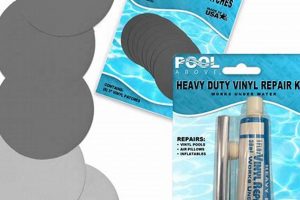
Repair feasibility depends on the severity and location of the deformation. Small bulges caused by minor punctures might be repairable with patching techniques. However, large or widespread deformations, particularly those near seams, often indicate significant structural damage and may render the mattress irreparable.
Question 4: How can the likelihood of developing bulges be minimized?
Preventative measures include distributing weight evenly, adhering to the manufacturer’s recommended inflation pressure, storing the mattress properly when not in use (away from direct sunlight and extreme temperatures), protecting it from sharp objects, and regularly inspecting for signs of wear and tear.
Question 5: Does the material composition of the air mattress affect its susceptibility to deformations?
Yes. Materials such as PVC are more susceptible to temperature fluctuations and degradation than more robust polymers. Mattresses constructed from higher-quality, more durable materials generally exhibit greater resistance to deformation.
Question 6: Is a bulging air mattress still safe to use?
A mattress with a significant bulge presents a compromised sleeping surface and may not provide adequate support. Furthermore, the bulge indicates a structural weakness that could lead to sudden rupture. Continued use is discouraged until the damage is assessed and, if possible, repaired.
In conclusion, proactive maintenance and understanding the factors contributing to these issues are crucial for maximizing the lifespan of air mattresses.
The subsequent section will provide recommendations for selecting a new air mattress, focusing on features that enhance durability and longevity.
Conclusion
The preceding analysis has explored the underlying causes of the phenomenon whereby an air mattress exhibits surface bulging, often described as “why does my air mattress have a bubble.” Factors ranging from material degradation and uneven weight distribution to over-inflation, manufacturing defects, and temperature extremes contribute to compromised structural integrity and the subsequent formation of localized deformations. Effective preventative measures, including careful usage practices, proper storage, and regular inspection, play a crucial role in mitigating these risks and extending product lifespan.
Recognizing the complex interplay of these factors empowers consumers to make informed decisions regarding air mattress maintenance and replacement. While preventative measures can significantly reduce the likelihood of such issues, recognizing irreparable damage and prioritizing safety remains paramount. Ongoing advancements in material science and manufacturing techniques hold the potential to yield more durable and resilient air mattresses, further minimizing the incidence of these problematic deformations in the future.