The phenomenon of an air mattress losing air pressure during the night is a common issue experienced by many users. This deflation, resulting in a less firm sleeping surface, can be attributed to several potential causes that affect the air retention capabilities of the mattress.
Understanding the reasons behind this occurrence is beneficial for maintaining the longevity and usability of the air mattress. Identifying the source of the problem allows for targeted solutions, preventing further air loss and ensuring a more comfortable sleeping experience. This knowledge also contributes to making informed decisions regarding mattress purchase and maintenance.
The subsequent sections will delve into specific factors contributing to air loss, including leaks, temperature fluctuations, valve malfunctions, and material stretching, providing practical guidance for diagnosis and resolution.
Addressing Air Loss in Mattresses
The following recommendations aim to help identify and mitigate air loss from inflatable mattresses, thus prolonging their lifespan and enhancing user comfort.
Tip 1: Conduct a Thorough Inspection for Leaks: Submerge the inflated mattress section by section in water. Bubbles will indicate the location of any punctures. Alternatively, apply a soapy water solution and observe for bubble formation.
Tip 2: Examine the Valve System: Ensure the valve is securely closed and undamaged. Debris or improper sealing can compromise its ability to retain air. Clean the valve and ensure a tight seal upon closure.
Tip 3: Account for Temperature Fluctuations: Air pressure within the mattress will decrease as the ambient temperature drops. Re-inflate the mattress as needed to compensate for volume reduction.
Tip 4: Monitor Weight Distribution: Exceeding the maximum weight capacity of the mattress can stress seams and materials, leading to premature wear and potential leaks. Adhere to the manufacturer’s specified weight limits.
Tip 5: Understand Material Stretching: New mattresses may experience initial stretching, resulting in a perceived loss of air. Re-inflate the mattress periodically during the first few uses to accommodate this process.
Tip 6: Check seams: Carefully examine all seams for separation or weakening. A compromised seam can result in gradual air leakage. Inspect the edges and surfaces to catch any damage early.
Implementing these measures promotes effective management of air mattress deflation, contributing to extended product viability and consistent sleeping quality.
The next section will provide a succinct summary that will consolidate the key strategies.
1. Punctures

Punctures are a primary cause of air loss in inflatable mattresses, directly contributing to the deflation experienced overnight. These breaches in the mattress material, even if microscopic, compromise its air-holding capacity, resulting in a gradual decrease in pressure.
- Source of Punctures
Punctures can originate from several sources, including sharp objects on or near the sleeping surface, rough handling during storage, or degradation of the mattress material over time. Small debris like splinters, pet claws, or even the mattress rubbing against abrasive surfaces are common culprits. The location of the puncture may be difficult to ascertain without careful inspection.
- Rate of Air Loss
The size and number of punctures directly correlate with the rate of air loss. A single, minute pinhole might cause a slow, barely perceptible deflation, whereas multiple or larger punctures will lead to a more rapid and noticeable decrease in air pressure overnight. This rate influences the perceived comfort and support provided by the mattress.
- Detection Methods
Detecting punctures often requires methodical examination. Common methods include visual inspection for visible holes, submersion in water to observe air bubbles escaping, or applying a soapy water solution that will bubble at the site of the leak. Accurate identification is crucial for effective repair.
- Repair Implications
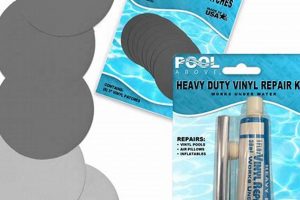
Effective puncture repair necessitates appropriate patching materials and techniques. The success of the repair depends on the size and location of the puncture, as well as the type of material used in the mattress construction. Improper repairs may result in continued air leakage or damage to the surrounding material, and contribute to why the air mattress keeps deflating overnight.
The presence of punctures, regardless of their origin or size, presents a significant challenge to maintaining air pressure in inflatable mattresses. Addressing this issue promptly through effective detection and repair is essential for preserving the mattress’s functionality and extending its lifespan and prevent the mattress from deflating overnight.
2. Valve Integrity

Valve integrity is paramount in maintaining air pressure within inflatable mattresses, directly influencing the prevalence of overnight deflation. A compromised valve, whether due to manufacturing defect, physical damage, or accumulated debris, provides a pathway for air to escape, leading to a reduction in mattress firmness over time. This effect is exacerbated by pressure exerted on the valve during use, further widening any existing gaps or exacerbating minor imperfections.
The valve’s role is to create an airtight seal, preventing air leakage under varying conditions of pressure and temperature. A failure to achieve this seal, whether through a loose connection, a warped valve body, or a damaged gasket, can result in a slow but consistent loss of air. For instance, a valve that is not fully tightened or has a cracked housing will allow air to seep out, particularly when weight is applied to the mattress. Similarly, the accumulation of dust or small particles within the valve mechanism can obstruct a complete seal, leading to gradual deflation. Regular inspection and maintenance, including cleaning the valve and ensuring a secure closure, are crucial for preserving valve functionality.
In conclusion, the integrity of the valve is a critical determinant of an inflatable mattress’s ability to retain air. Addressing valve-related issues through proactive maintenance, careful handling, and timely replacement of damaged components can significantly mitigate overnight deflation, thereby extending the lifespan and usability of the mattress. The connection between valve functionality and air retention is fundamental to understanding and resolving the common issue of air mattresses losing pressure during use.
3. Temperature Change

Temperature change directly influences the internal pressure of inflatable mattresses, contributing significantly to the phenomenon of overnight deflation. According to the ideal gas law, pressure and temperature are directly proportional when volume and the amount of gas are constant. Therefore, as ambient temperature decreases, the air inside the mattress contracts, leading to a reduction in pressure and a perceived loss of air. This effect is more pronounced during colder nights or in environments with significant temperature fluctuations.
For example, an air mattress fully inflated during the warmer daytime hours will experience a pressure decrease as the temperature drops overnight. This reduction may lead users to believe the mattress has a leak when, in reality, the air volume has simply decreased due to thermal contraction. Similarly, moving an air mattress from a warm room to a cold garage can quickly cause noticeable deflation. Understanding this physical principle allows users to anticipate and compensate for pressure changes by re-inflating the mattress as needed.
In summary, temperature change is a natural cause of air pressure variation within inflatable mattresses. While not indicative of a leak, it contributes to the perception of overnight deflation. Recognizing this connection enables users to manage air mattress inflation proactively, adjusting pressure levels to maintain comfort as temperatures fluctuate. This understanding is crucial for distinguishing between normal thermal effects and actual air leakage, allowing for targeted troubleshooting efforts.
4. Seam Integrity

Seam integrity is a critical factor determining the air-retention capability of inflatable mattresses. The seams, where different sections of the mattress material are joined, represent potential weak points susceptible to failure, leading to air leakage and overnight deflation.
- Seam Construction Methods
Various methods, such as welding, gluing, or stitching, are employed to construct the seams of an inflatable mattress. The effectiveness of each method in creating a robust, airtight seal varies. Weak or improperly executed seams are more prone to separation under pressure, resulting in gradual air loss. For instance, a poorly welded seam may develop microscopic openings that expand over time with repeated use, accelerating deflation.
- Stress and Pressure Points
Seams located at high-stress points, such as corners or edges, are more vulnerable to failure. These areas experience greater force during inflation and use, increasing the likelihood of seam separation or material fatigue. For example, sitting or lying near the edge of the mattress concentrates pressure on the adjacent seams, potentially weakening them and contributing to air leakage.
- Material Compatibility
The compatibility of the materials used to construct the mattress and the seam is crucial for long-term integrity. If the adhesive or welding technique is not suitable for the specific material composition, the seam may be compromised. Dissimilar expansion and contraction rates between materials can also strain the seams over time, leading to failure. For example, using an incompatible adhesive on a PVC mattress can result in seam degradation and subsequent air loss.
- Environmental Factors
Exposure to environmental factors, such as extreme temperatures or humidity, can degrade seam integrity over time. Heat can weaken adhesives, while moisture can promote the growth of mold or mildew, which can break down seam materials. Storing an inflatable mattress in a damp or excessively hot environment accelerates seam deterioration and increases the risk of overnight deflation. Regular cleaning and storage in a controlled environment help to preserve seam integrity.
Ultimately, seam integrity is a significant determinant of an air mattress’s ability to maintain inflation. Compromised seams, regardless of the cause, provide a pathway for air to escape, leading to the common experience of overnight deflation. Understanding the factors that contribute to seam failure allows for proactive maintenance and informed purchasing decisions, extending the lifespan and usability of inflatable mattresses.
5. Material Stretch

Material stretch, particularly in newly manufactured inflatable mattresses, contributes to the perception of overnight deflation. This phenomenon arises from the inherent elasticity of the materials used in the mattress construction, resulting in an expansion of the mattress volume under initial inflation.
- Initial Expansion
The initial inflation of a new air mattress causes the material, typically PVC or similar polymers, to stretch and expand. This process increases the overall volume of the mattress, leading to a decrease in internal air pressure. Users often misinterpret this pressure drop as a leak when it is simply the material accommodating its new expanded state. For instance, a newly inflated mattress may feel firm initially, but after several hours, the material stretches, and the mattress softens, creating the impression of air loss.
- Elastomeric Properties
The elastomeric properties of the mattress material dictate the extent of stretching. Higher-quality materials with lower elasticity exhibit less stretching and, consequently, less perceived deflation. Conversely, lower-grade materials with higher elasticity stretch more significantly, resulting in a more noticeable pressure drop. The type of material, its thickness, and the manufacturing process all influence its elastomeric behavior.
- Repeated Inflation Cycles
Repeated inflation and deflation cycles gradually reduce the extent of material stretch. Over time, the mattress material becomes more stable, and the perceived deflation due to stretching decreases. During the initial uses, users may need to re-inflate the mattress multiple times to compensate for the ongoing material expansion. However, after several inflation cycles, the mattress reaches a more stable state, and less frequent re-inflation is required.
- Distinguishing Stretch from Leaks
Differentiating material stretch from actual leaks is crucial for accurate troubleshooting. Material stretch typically causes a gradual and uniform pressure drop across the entire mattress surface. In contrast, leaks often result in localized pressure loss near the point of the leak. Monitoring the pressure drop pattern and inspecting for other signs of leakage, such as hissing sounds or bubbles when submerged in water, can help distinguish between these two phenomena.
In summary, material stretch in new inflatable mattresses contributes to the impression of overnight deflation. While not indicative of a defect or leak, this phenomenon requires users to re-inflate the mattress during its initial uses to compensate for material expansion. Understanding this process enables users to manage mattress inflation effectively and distinguish between normal material behavior and actual air leakage, ensuring a more comfortable and reliable sleeping experience.
6. Overload

Exceeding the recommended weight capacity of an inflatable mattress, termed “overload,” is a significant contributing factor to its overnight deflation. This excess weight creates undue stress on the mattress’s internal structure, potentially leading to various forms of damage that compromise its air-retention capabilities.
- Seam Stress and Failure
Overload places excessive pressure on the mattress seams, the points where different sections of material are joined. This increased stress can cause the seams to weaken, stretch, or even tear, resulting in gradual air leakage. For example, a mattress designed for a maximum weight of 300 pounds may experience seam failure if consistently loaded with 400 pounds, leading to noticeable deflation overnight. The rate of air loss is directly proportional to the extent of seam damage.
- Material Fatigue and Rupture
Consistent overloading accelerates material fatigue, weakening the mattress material itself. The repeated stress and strain can cause the material to stretch beyond its elastic limit, leading to permanent deformation or even rupture. A weakened material is more susceptible to punctures or tears, further exacerbating air loss. For instance, areas of the mattress that bear the brunt of the weight, such as the center or edges, are particularly vulnerable to fatigue and rupture under overload conditions.
- Valve Damage and Malfunction
Overload can also indirectly affect the valve system, contributing to air leakage. The increased pressure within the mattress can strain the valve mechanism, potentially causing it to loosen, crack, or otherwise malfunction. A compromised valve fails to create an airtight seal, resulting in a continuous loss of air. Furthermore, excessive weight can distort the valve opening, preventing complete closure and further contributing to deflation.
- Internal Baffle Degradation
Many air mattresses incorporate internal baffles to distribute weight evenly and maintain structural integrity. Overload can stress these baffles, causing them to deform, tear, or detach from the mattress walls. Damaged baffles compromise the mattress’s ability to support weight effectively, leading to uneven weight distribution and localized stress concentrations that accelerate material fatigue and increase the risk of deflation. For example, degraded baffles may allow the air to pool in certain areas, leading to sagging and increased pressure on the surrounding seams.
In conclusion, overload is a critical factor contributing to the overnight deflation of inflatable mattresses. The resulting stress on seams, materials, valves, and internal baffles compromises the mattress’s structural integrity and air-retention capabilities. Adhering to the manufacturer’s recommended weight limit is essential for prolonging the lifespan of the mattress and preventing premature deflation. Disregarding this limit significantly increases the risk of damage and compromises the overall sleeping experience.
Frequently Asked Questions
The following addresses common inquiries regarding the persistent deflation of inflatable mattresses, providing concise and informative responses.
Question 1: Is gradual deflation normal in all inflatable mattresses?
Some degree of pressure loss is typical, especially in new mattresses due to initial material stretching. However, significant overnight deflation often indicates an underlying issue.
Question 2: How does ambient temperature affect air mattress pressure?
Decreasing ambient temperature causes the air inside the mattress to contract, resulting in a reduction in internal pressure and a perceived loss of air. This is due to the ideal gas law, which dictates that pressure and temperature are directly proportional.
Question 3: What is the most effective method for locating a small leak?
Submerging the inflated mattress section by section in water is a reliable method. Air bubbles escaping from the submerged mattress surface reveal the location of the leak.
Question 4: Can exceeding the weight limit contribute to air mattress deflation?
Exceeding the manufacturer’s recommended weight limit places undue stress on the seams and materials, increasing the likelihood of damage and subsequent air leakage.
Question 5: What is the expected lifespan of an inflatable mattress?
The lifespan of an inflatable mattress varies depending on the quality of materials, frequency of use, and adherence to maintenance guidelines. With proper care, an inflatable mattress can last for several years.
Question 6: Can damage to the valve cause overnight deflation?
A damaged or improperly sealed valve can be a significant source of air leakage. Examine the valve for cracks, debris, or misalignment, ensuring a tight seal upon closure to prevent air loss.
Addressing the factors outlined abovepunctures, valve integrity, temperature change, material stretch, overload and seam integrityis crucial for resolving the prevalent issue of air mattresses losing pressure. Applying this diagnostic rigor will help to maintain these inflatable beds.
The next section will provide a summary of the key aspects of why an air mattress keeps deflating overnight.
Why Does My Air Mattress Keep Deflating Overnight?
The investigation into the causes of air mattress deflation reveals a multifaceted problem stemming from punctures, valve malfunction, temperature variance, seam compromise, material stretching, and load capacity transgression. Each element exerts a distinct influence on the mattress’s capacity to sustain air pressure, culminating in the undesirable outcome of overnight deflation. Effective mitigation demands a systematic approach, encompassing thorough inspection, appropriate repair techniques, awareness of environmental effects, and adherence to specified weight restrictions.
Recognizing the intricacies involved allows for proactive management and informed purchasing decisions, ultimately extending the utility and ensuring the reliable performance of inflatable mattresses. Continuous vigilance and adherence to best practices are essential to counteract this ongoing challenge.