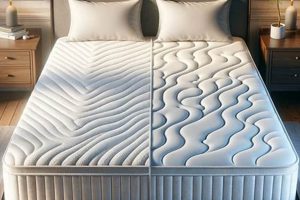
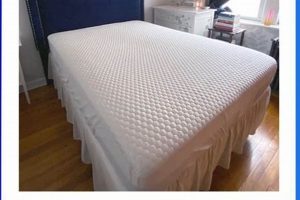
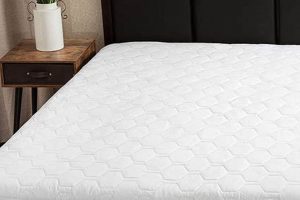
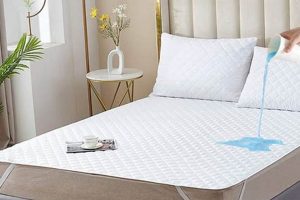
An encasement for mattresses, often constructed from waterproof or water-resistant materials, that fully surrounds and seals the mattress via a zipper closure. Its purpose is to provide comprehensive protection against allergens, bed bugs, dust mites, fluids, and general wear and tear. For example, a homeowner might use this product to safeguard a new mattress from potential spills or infestations.
These products are crucial for maintaining a sanitary sleep environment and extending the lifespan of mattresses. They prevent the accumulation of allergens, reducing allergy symptoms and improving sleep quality. Furthermore, they act as a barrier against bed bugs, preventing infestations and the associated costs of extermination. Historically, simpler mattress covers offered limited protection, but the advent of the fully enclosed design represents a significant advancement in mattress hygiene and preservation.
The following sections will delve into the different materials used in construction, the specific protective benefits offered, proper care and maintenance procedures, and key factors to consider when selecting an appropriate encasement for individual needs.
Selecting and Using Mattress Encasements
The following guidance provides insight into optimizing the selection and use of protective mattress encasements to ensure maximum effectiveness and longevity.
Tip 1: Material Consideration: Prioritize encasements constructed from breathable, waterproof materials like polyurethane-backed fabric or microfibers. These materials offer a balance of protection and comfort, preventing moisture buildup and associated mildew growth.
Tip 2: Zipper Quality Assessment: Examine the zipper mechanism. A durable, finely toothed zipper with a fabric guard is essential for preventing bed bug entry and ensuring long-term reliability. Reinforce the zipper closure by securing the end with durable tape.
Tip 3: Proper Measurement is Crucial: Accurately measure the mattress’s dimensions (length, width, and depth) prior to purchase. The encasement should fit snugly but not be overly tight, as excessive stretching can compromise its integrity.
Tip 4: Installation Protocol: Carefully encase the mattress, ensuring the zipper is fully closed and sealed. Avoid forcing the encasement, as this can damage the zipper or seams. Consider having a second person assist with larger mattresses.
Tip 5: Regular Maintenance: Periodically vacuum the surface of the encasement to remove dust and allergens. Follow the manufacturer’s instructions for washing; typically, a gentle cycle with mild detergent is recommended. Ensure the encasement is thoroughly dried before replacing it on the mattress.
Tip 6: Allergen Reduction Strategy: Opt for encasements labeled as hypoallergenic and certified to block dust mites and other allergens. This feature is particularly beneficial for individuals with allergies or asthma.
Tip 7: Bed Bug Prevention: When using an encasement for bed bug prevention, ensure the zipper is fully closed and sealed and examine the encasement regularly for any signs of damage or infestation. Address any issues promptly to prevent the spread of bed bugs.
Adhering to these guidelines will significantly enhance the effectiveness of mattress encasements, providing improved protection and hygiene for the sleep environment.
The subsequent sections will address potential problems and solutions, warranty considerations, and the ecological aspects of choosing a mattress encasement.
1. Allergen Barrier
Mattress encasements, especially those with a zippered closure, are frequently employed as a primary defense against allergens within the sleep environment. The efficacy of these encasements as allergen barriers hinges on their construction and the materials used.
- Pore Size and Fabric Density
The effectiveness of an encasement is directly proportional to the density of the fabric and the size of its pores. Tightly woven materials with microscopic pores prevent the passage of dust mites, pet dander, and pollen, all common allergens. An example is a tightly woven microfiber encasement certified to block particles larger than six microns. This specification demonstrates the material’s ability to impede the movement of common allergens.
- Waterproof Membrane Integration
Many encasements incorporate a waterproof membrane. While primarily designed to protect against liquid spills, this membrane also serves as an additional barrier against allergens. By preventing moisture accumulation within the mattress, the membrane inhibits the growth of mold and mildew, both of which are potent allergens. A common example is a polyurethane film laminated to the fabric.
- Seam Construction and Zipper Seal
The integrity of the seams and the zipper closure are critical to the overall effectiveness of the encasement. Poorly constructed seams or a leaky zipper can provide entry points for allergens. Heat-sealed seams and a tightly interlocking zipper are essential features. Example: a zipper with a fabric guard that prevents allergens from penetrating the closure.
- Hypoallergenic Material Certification
Many encasements are certified as hypoallergenic, indicating they have been tested and proven to minimize allergic reactions. Certifications from independent organizations provide assurance that the materials used are free from known allergens and irritants. One example would be Oeko-Tex Standard 100 certification which assures the material is free of harmful substances.
The collective effect of these features reinforces the role of zippered mattress encasements as an effective barrier against allergens, contributing to a healthier sleep environment and mitigating allergy symptoms. These features provide a comprehensive defense strategy for individuals susceptible to allergies.
2. Bed Bug Prevention

The correlation between bed bug prevention and zippered mattress encasements is significant, rooted in the encasement’s capacity to physically isolate the mattress from bed bug infestations. Bed bugs, nocturnal insects that feed on human blood, commonly inhabit mattresses due to their proximity to sleeping individuals. An unprotected mattress provides harborage, facilitating breeding and nesting, and complicating subsequent eradication efforts. A zippered mattress encasement creates an impermeable barrier, preventing bed bugs from colonizing the mattress. Once sealed, existing infestations within the mattress are contained, eventually leading to the death of the insects. Example: Hotels are able to contain bed bugs so they don’t spread from room to room.
The importance of bed bug prevention as a function of zippered mattress encasements extends beyond mere containment. Regular mattress covers may not offer complete protection due to gaps, tears, or inadequate closures. In contrast, a properly installed and maintained encasement with a durable zipper and reinforced seams provides a comprehensive, impenetrable shield. This proactive approach diminishes the likelihood of initial infestation and simplifies detection in the event of exposure. For example, a landlord might employ the encasements to prevent the spread of pests in their buildings.
In summary, the utilization of zippered mattress encasements represents a critical component of effective bed bug management strategies. The ability to prevent mattress colonization and contain existing infestations significantly reduces the financial and psychological burden associated with bed bug eradication. Choosing encasements that meet stringent quality standards is key to realizing these preventative benefits, although implementation is not without challenges, such as the initial expenditure and continued vigilance. Nevertheless, they remain a first line of defense in managing these pervasive pests.
3. Waterproof Design
The implementation of waterproof designs within zippered mattress encasements directly correlates to their protective functionality. Such designs shield the mattress core from liquid intrusion, preventing staining, odor development, and microbial growth, thereby extending the mattress’s lifespan and maintaining hygiene.
- Membrane Composition
Waterproof mattress encasements commonly employ a thin, impermeable membrane, typically composed of polyurethane or similar synthetic material. This membrane is laminated to the fabric surface, creating a barrier against liquids while maintaining a degree of breathability. For example, a hospital setting would benefit from this property, preventing the mattress from being ruined by bodily fluids.
- Seam Integrity and Waterproofing
The seams of a waterproof encasement represent potential points of vulnerability. Effective waterproof design incorporates techniques such as heat sealing or specialized seam taping to prevent liquid penetration through the stitched areas. An unprotected seam would negate the intended barrier. Proper sealing guarantees that spills remain on the surface, not absorbed into the mattress.
- Zipper Protection Mechanisms
The zipper closure presents a challenge for waterproof performance. Design solutions include incorporating a waterproof zipper or a fabric flap that covers the zipper, diverting liquids away from the closure. This feature prevents fluids from seeping through the zipper teeth and reaching the mattress core. For example, families with small children in potty-training or who co-sleep find this aspect especially important.
- Material Durability and Resilience
The waterproof material must exhibit resistance to tearing, punctures, and degradation over time. Repeated washing and usage should not compromise the waterproof barrier. A durable design ensures long-term protection and prevents the need for frequent replacements, thereby offering both cost savings and sustained hygiene. This factor makes them a solid choice for college dorm rooms or extended-stay apartments.
These design elements collectively contribute to the effectiveness of waterproof zippered mattress encasements. The strategic integration of waterproof membranes, seam sealing techniques, zipper protection, and durable materials ensures comprehensive protection against liquid damage, promoting mattress longevity and maintaining a sanitary sleep environment.
4. Zipper Durability

Zipper durability represents a critical attribute of zippered mattress encasements. The zipper serves as the primary closure mechanism, dictating the ease of installation, removal, and, most importantly, the continued protection afforded by the encasement. A compromised zipper renders the encasement ineffective, negating its intended function.
- Material Composition and Construction
The materials used in zipper construction significantly influence its longevity. Metal zippers, typically brass or stainless steel, offer superior strength and resistance to wear compared to plastic alternatives. The gauge, or tooth size, also impacts durability; larger teeth generally withstand greater stress. For example, a heavy-duty metal zipper with reinforced stitching is more likely to endure frequent use and laundering cycles than a lightweight plastic zipper.
- Stress Points and Reinforcement
Zippers on mattress encasements are subjected to stress during installation, removal, and regular movement on the bed. Reinforcing key stress points, such as the zipper head and the start and end of the zipper track, is crucial for preventing premature failure. Stitching patterns, like bar tacking, reinforce these areas. A well-reinforced zipper distributes stress evenly, reducing the risk of breakage or separation.
- Closure Mechanisms and Security
The type of closure mechanism affects both the security and durability of the zipper. Auto-locking zippers, which prevent unintentional opening, are preferable. Additionally, features like fabric guards or zipper flaps protect the zipper from snagging or damage during use. A secure closure prevents allergens, bed bugs, and fluids from penetrating the encasement.
- Maintenance and Care Considerations
Proper maintenance prolongs the lifespan of the zipper. Regular cleaning, using a soft brush to remove debris, prevents the zipper teeth from sticking or becoming damaged. Lubricating the zipper with a silicone-based lubricant facilitates smooth operation and reduces friction. Avoid forcing a stuck zipper, as this can lead to breakage. Adhering to the manufacturer’s care instructions ensures optimal zipper performance over time. For example, laundering the encasement inside out with the zipper closed protects it from abrasion during the wash cycle.
The interplay of these factors directly determines the long-term effectiveness of a zippered mattress encasement. Investing in encasements with durable zippers, reinforced construction, and appropriate closure mechanisms ensures sustained protection and maximizes the lifespan of both the mattress and the encasement itself. Regular maintenance further safeguards zipper integrity, optimizing its performance and contributing to a cleaner and healthier sleep environment.
5. Breathability
Breathability in a zippered mattress encasement pertains to the material’s ability to permit air and moisture vapor to pass through. This characteristic is crucial for maintaining a comfortable sleep environment and preventing the accumulation of moisture within the mattress, which can lead to microbial growth and reduced mattress lifespan.
- Material Composition and Air Permeability
The type of fabric used in the encasement directly affects its breathability. Natural fibers like cotton tend to offer higher air permeability than synthetic materials such as vinyl. However, specialized synthetic fabrics, like microfibers with a tightly woven structure, can provide a balance of breathability and waterproof properties. For example, encasements utilizing a polyurethane membrane bonded to a breathable knit fabric aim to offer both protection from liquids and adequate airflow. This permeability aids in dissipating body heat and reducing humidity.
- Moisture Vapor Transmission Rate (MVTR)
MVTR quantifies the rate at which moisture vapor passes through a material. A higher MVTR indicates greater breathability. Encasements marketed for breathability often specify their MVTR. For instance, an encasement with an MVTR of 800 g/m/24h allows 800 grams of moisture vapor to pass through one square meter of material in a 24-hour period. Consumers can use MVTR values to compare the breathability of different encasements. This directly affects the user experience.
- Impact on Temperature Regulation
Breathable encasements contribute to better temperature regulation during sleep. By allowing heat and moisture to dissipate, these encasements help prevent overheating and maintain a more consistent sleep temperature. This is especially important for individuals who tend to sleep hot or live in warm climates. For example, a person using a non-breathable encasement might experience increased sweating and discomfort compared to someone using a breathable alternative.
- Relationship to Waterproofing
Achieving both breathability and waterproofing presents a design challenge. Traditional waterproof materials often lack breathability, trapping heat and moisture. Newer technologies, such as microporous membranes, offer both properties. These membranes contain microscopic pores that allow moisture vapor to escape while preventing liquid penetration. The efficacy of a waterproof yet breathable encasement relies on the quality of the membrane and the overall construction. Compromises between complete waterproofing and breathability may be necessary depending on individual needs.
The breathability of a zippered mattress encasement is a multifaceted characteristic influenced by material selection, MVTR, and the integration of waterproof technologies. Selecting an encasement that prioritizes breathability can enhance sleep comfort and contribute to a healthier sleep environment by minimizing moisture accumulation and promoting temperature regulation, even if the waterproofing is slightly compromised.
6. Easy Cleaning
The association between “easy cleaning” and zippered mattress encasements is fundamentally rooted in the practical need to maintain a hygienic sleep environment. Encasements, by their nature, are designed to protect mattresses from various contaminants, including spills, bodily fluids, allergens, and dust mites. The ease with which these protective layers can be cleaned directly influences their utility and longevity. An encasement that is difficult to clean may be less likely to be maintained regularly, ultimately compromising its protective function. For instance, a caregiver providing at-home care for an incontinent patient benefits from the easy cleaning characteristics of a waterproof, zippered encasement, allowing for quick and efficient cleanup of accidents and minimizing the potential for bacterial growth and odor retention.
The design and material composition of zippered mattress encasements are crucial determinants of their cleanability. Encasements constructed from smooth, non-absorbent materials, such as polyurethane-backed fabrics, are inherently easier to wipe down and sanitize compared to those made from more porous or textured materials. Machine washability further enhances the convenience of cleaning. However, specific cleaning instructions must be carefully followed to avoid damaging the encasement’s waterproof membrane or zipper. For example, using harsh chemicals or high heat during laundering can degrade the material and compromise its protective properties. Hotels and other hospitality establishments, where rapid turnover and stringent hygiene standards are paramount, frequently utilize zippered mattress encasements specifically chosen for their ease of cleaning and durability.
In summary, the “easy cleaning” attribute is an integral component of the overall value proposition of zippered mattress encasements. While these protective layers offer significant benefits in terms of mattress preservation and allergen control, their effectiveness hinges on the ability to maintain them in a clean and sanitary condition. Prioritizing easy-to-clean designs and adhering to appropriate care guidelines is essential for maximizing the lifespan and hygienic performance of these encasements, ensuring a healthier sleep environment. A challenge lies in educating consumers regarding proper cleaning protocols to avoid damaging the protective qualities of the encasement itself, while ensuring sanitation.
7. Mattress Lifespan
The correlation between mattress lifespan and the utilization of zippered mattress protectors is characterized by a direct cause-and-effect relationship. The implementation of a zippered mattress protector serves as a preventative measure against factors that degrade the structural integrity and hygienic condition of the mattress core. These factors include, but are not limited to, liquid spills, dust mite infestations, allergen accumulation, and physical wear and tear. Consequently, the protective barrier afforded by the encasement mitigates these detrimental effects, thereby extending the useable life of the mattress. An instance of this is observed in households with young children or pets, where accidental spills are common. The protector prevents liquids from penetrating the mattress, averting irreversible staining, odor development, and potential mold growth. A mattress so protected is likely to last longer than an unprotected one.
The importance of mattress lifespan, as a component influenced by zippered mattress protectors, manifests in several practical implications. First, the increased longevity of the mattress translates directly into cost savings for the consumer, deferring the expense of replacement. Second, extending the lifespan of a mattress has positive environmental implications by reducing the frequency of mattress disposal, thereby minimizing landfill waste. Third, maintaining the hygienic condition of the mattress via a protector contributes to improved sleep quality and overall health by minimizing exposure to allergens and irritants. For example, a hotel chain’s decision to use zippered mattress protectors in all rooms demonstrates the commercial application of this principle, balancing hygiene standards with cost-effectiveness over time. The protectors assist in preserving their investment of hundreds of mattresses.
In summation, zippered mattress protectors demonstrably contribute to the extension of mattress lifespan by providing a physical barrier against degrading factors. This extended lifespan translates into economic benefits for consumers, reduces environmental impact, and promotes improved sleep hygiene. While challenges may exist in selecting the appropriate type of protector and ensuring proper maintenance, the long-term advantages outweigh the initial investment and effort. This understanding reinforces the value of zippered mattress protectors as a strategic investment in both mattress preservation and overall well-being.
Frequently Asked Questions About Zippered Mattress Protectors
The following addresses common inquiries surrounding zippered mattress protectors, providing clarity on their functionality, selection, and maintenance.
Question 1: What is the primary purpose of a zippered mattress protector?
The fundamental objective of a zippered mattress protector is to encase and safeguard the mattress from a variety of detrimental elements, including liquid spills, allergen accumulation, dust mite infestations, and bed bug intrusion. This protection prolongs the mattress’s lifespan and promotes a more hygienic sleep environment.
Question 2: How does a zippered mattress protector prevent bed bugs?
A properly installed and sealed zippered mattress protector creates an impermeable barrier, preventing bed bugs from infesting the mattress. The tightly sealed zipper and robust fabric impede the entry or exit of these pests, containing existing infestations and preventing new ones.
Question 3: Are all zippered mattress protectors waterproof?
No, not all zippered mattress protectors possess waterproof qualities. While many incorporate a waterproof membrane, some are merely water-resistant or offer no liquid protection. Verify the product specifications to confirm the level of waterproofness.
Question 4: How should a zippered mattress protector be cleaned?
Cleaning procedures vary depending on the material composition of the protector. Generally, machine washing in cold water with a mild detergent and tumble drying on low heat is recommended. However, always consult the manufacturer’s instructions to avoid damaging the protector’s waterproof membrane or other features.
Question 5: What is the expected lifespan of a zippered mattress protector?
The longevity of a zippered mattress protector depends on several factors, including the quality of materials, frequency of use, and cleaning practices. With proper care, a high-quality protector can last for several years, providing continuous protection.
Question 6: How does one select the correct size zippered mattress protector?
Accurate measurement of the mattress’s dimensions (length, width, and depth) is essential. The protector should fit snugly but not be overly tight, as excessive stretching can compromise its integrity. Consult the product’s size chart to ensure compatibility.
The key takeaways from this section are the importance of understanding the specific features and limitations of zippered mattress protectors, as well as adhering to recommended cleaning and maintenance practices.
The subsequent section will explore troubleshooting common issues encountered with zippered mattress protectors and provide solutions for resolving them.
Conclusion
This exploration has demonstrated the multifaceted benefits of the zip up mattress protector. From safeguarding against allergens and bed bugs to extending the lifespan of mattresses, the product’s role in promoting a healthier and more cost-effective sleep environment is undeniable. Key features such as material composition, waterproof design, and zipper durability significantly impact the product’s overall performance and longevity.
The informed consumer must carefully consider individual needs and priorities when selecting a zip up mattress protector. A proactive approach to mattress protection, guided by the principles outlined in this analysis, represents a sound investment in long-term health and well-being. Further research and development in materials science and design promise even greater advancements in the efficacy and sustainability of these protective encasements, solidifying their importance in the future of sleep hygiene.