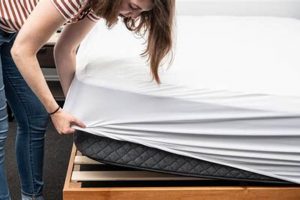
A zippered encasement designed to cover a mattress offers complete protection against various elements. This type of bedding accessory fully encloses the mattress, securing it from allergens, bed bugs, dust mites, liquids, and general wear and tear. As an example, one might use this product to safeguard a new mattress investment or to prevent the exacerbation of allergies.
The importance of using such a protective barrier lies in its ability to extend the lifespan of the mattress and improve sleep hygiene. By preventing contaminants from penetrating the mattress core, it contributes to a cleaner and healthier sleeping environment. Historically, simpler mattress covers have been used, but the advent of zippered models has significantly increased the level of protection offered. This improvement is particularly beneficial in mitigating allergy symptoms and preventing pest infestations.
The subsequent sections will delve into the specific features and materials employed in manufacturing these protective encasements, exploring the range of benefits they provide and offering guidance on selecting the most suitable option for individual needs and circumstances. Furthermore, proper installation and maintenance protocols will be addressed to ensure long-term effectiveness.
Zippered Mattress Encasement Usage
The following guidelines provide crucial information for effectively utilizing a zippered mattress encasement to maximize its protective capabilities and ensure longevity.
Tip 1: Select the Appropriate Size. Accurate measurement of the mattress is paramount. The encasement must correspond precisely to the mattress dimensions to ensure complete coverage and proper zipper closure. Purchasing an incorrectly sized encasement compromises its protective function.
Tip 2: Prioritize Allergen-Resistant Materials. Individuals susceptible to allergies should opt for encasements fabricated from tightly woven fabrics designed to prevent allergen penetration. Look for certifications indicating efficacy in blocking dust mites and other common allergens.
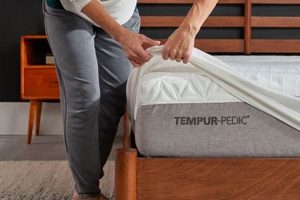
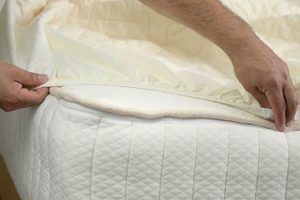
Tip 3: Employ Correct Installation Techniques. Unzip the encasement completely and carefully slide it over the mattress, ensuring a snug fit at all corners. Avoid stretching or forcing the encasement, as this can damage the seams or zipper. Once the mattress is fully encased, slowly and securely zip the closure.
Tip 4: Regularly Inspect the Zipper. Periodic inspection of the zipper is necessary to identify any signs of wear or damage. A compromised zipper renders the encasement ineffective. If damage is detected, immediate repair or replacement is advised.
Tip 5: Adhere to Recommended Washing Procedures. Following the manufacturer’s instructions for washing and drying is crucial for maintaining the encasement’s integrity. Using harsh chemicals or high heat can degrade the fabric and compromise its protective properties. Frequent washing is advised.
Tip 6: Vacuum the Encasement Surface Regularly. To maintain optimal hygiene, periodically vacuum the surface of the encasement to remove accumulated dust and debris. This practice further minimizes allergen accumulation and contributes to a cleaner sleeping environment.
These guidelines underscore the importance of proper selection, installation, and maintenance procedures to ensure the effectiveness of the protective encasement, resulting in a prolonged mattress lifespan and a healthier sleep environment.
The following sections will further explore the various materials utilized in the construction of these essential bedding components, and will explain how to choose the best mattress encasement for your particular needs.
1. Complete Enclosure
Complete enclosure, a fundamental characteristic of a specific type of mattress encasement, dictates its functionality and protective capability. The absence of gaps or openings is critical for isolating the mattress from external elements, thus preserving its condition and the sleep environment.
- 360-Degree Protection
This facet ensures every surface of the mattress, including the top, bottom, and sides, is shielded. Without comprehensive coverage, vulnerabilities remain, allowing for the ingress of allergens, fluids, or pests. A practical example is the prevention of bed bug infestation, where complete isolation is paramount.
- Zipper Integrity
The closure mechanism is integral to complete enclosure. A robust, tightly sealing zipper prevents the penetration of contaminants. Conversely, a faulty or loosely constructed zipper compromises the entire system, negating the benefits of the encasement. Routine inspection and maintenance of the zipper are therefore essential.
- Material Permeability
While enclosure is paramount, the material’s permeability must also be considered. A completely sealed encasement may trap moisture, leading to mold growth. Breathable, yet impermeable fabrics, strike a balance between protection and ventilation. Examples include laminated fabrics that prevent liquid penetration while allowing air circulation.
- Seam Construction
The seams joining the fabric panels must be as impervious as the material itself. Poorly constructed seams represent weak points through which contaminants can penetrate. Reinforced or taped seams enhance the integrity of the enclosure, preventing breaches and bolstering overall protection.
In summary, the degree of complete enclosure determines the effectiveness of this style of mattress encasement. 360-degree protection, zipper integrity, material breathability, and secure seams contribute to its ability to safeguard the mattress, ensuring a cleaner and healthier sleep environment.
2. Allergen Barrier
The effectiveness of a zippered mattress protector is intrinsically linked to its capacity as an allergen barrier. This function is critical in mitigating exposure to common allergens present in the sleeping environment, thereby promoting improved respiratory health and sleep quality. The protector acts as a physical barrier, preventing allergens from penetrating the mattress core and becoming embedded within its fibers.
- Dust Mite Impedance
Dust mites, microscopic organisms thriving in bedding, are a prevalent source of allergens. A tightly woven zippered mattress protector significantly reduces dust mite colonization within the mattress. The pore size of the fabric is engineered to be smaller than the mites and their waste products, effectively preventing their passage. This reduction minimizes allergen exposure, alleviating symptoms such as sneezing and allergic rhinitis.
- Pet Dander Containment
Pet dander, shed skin cells from animals, is another common allergen. Zippered mattress protectors made from impermeable materials prevent pet dander from accumulating in the mattress. This containment is particularly relevant for individuals with pet allergies, contributing to a less allergenic sleep environment. Regular washing of the protector further reduces accumulated dander.
- Mold Spore Filtration
Mattresses can harbor mold spores, especially in humid environments. An allergen barrier prevents these spores from reaching the mattress core, hindering their growth and proliferation. Breathable, yet impermeable, materials are preferred to allow moisture to evaporate while maintaining the barrier function. Inhibiting mold growth contributes to a healthier indoor air quality.
- Pollen Exclusion
Pollen, a seasonal allergen, can accumulate in bedding. A zippered mattress protector prevents pollen grains from lodging in the mattress fibers. This exclusion reduces nighttime exposure for individuals with pollen allergies, contributing to improved sleep comfort during allergy season. The protector can be easily removed and washed to eliminate accumulated pollen.
The multifaceted role of a zippered mattress protector as an allergen barrier directly influences its efficacy in creating a hypoallergenic sleep surface. By impeding dust mites, containing pet dander, filtering mold spores, and excluding pollen, it minimizes exposure to common allergens, resulting in a healthier and more restful sleep experience. This protective function is paramount for individuals with allergies or respiratory sensitivities.
3. Waterproof Protection
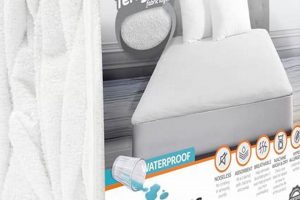
Waterproof protection is a critical function of a zippered mattress protector, significantly impacting its utility and longevity. The implementation of waterproof technology in these encasements safeguards the mattress core from liquid damage, preserving its structural integrity and preventing the proliferation of mold and bacteria. This functionality is particularly pertinent in environments where spills and accidents are likely, such as households with children or individuals managing incontinence.
- Impermeable Membrane Integration
The effectiveness of waterproof protection relies on the integration of an impermeable membrane within the fabric layers of the protector. Typically, this involves laminating a thin layer of polyurethane (PU) or thermoplastic polyurethane (TPU) to the underside of the top fabric layer. These materials are inherently resistant to liquid penetration, preventing fluids from reaching the mattress while maintaining a degree of breathability. An example of its real-world application is preventing liquid spills from permanently staining or damaging a mattress.
- Seam Sealing Technology
Even with an impermeable membrane, vulnerable points exist at the seams where fabric panels are joined. Seam sealing, using heat-activated tape or specialized adhesives, is employed to render these areas waterproof. This process prevents liquid from seeping through the needle holes created during the sewing process, ensuring complete protection. Without effective seam sealing, the protector’s waterproof capability is compromised. An example of this technology is the prevention of water or liquids penetrating into the mattress, when poured onto the seams.
- Absorbent Layer Composition
While the primary function is to repel liquids, some zippered mattress protectors incorporate an absorbent layer on the surface to quickly wick away moisture. This layer, often made of cotton or a blend of absorbent fibers, helps to contain spills and prevent them from spreading. The combination of an absorbent layer and an impermeable membrane provides enhanced protection against liquid damage. An example of this is containing accidental spillage of liquids.
- Breathability Considerations
Effective waterproof protection must also consider breathability to prevent moisture buildup within the mattress protector. Excessive moisture can lead to the growth of mold and mildew, negating the hygienic benefits of the protector. Breathable waterproof membranes allow air to circulate while blocking liquid penetration, maintaining a dry and comfortable sleeping surface. An example of this function, are membranes that prevent moisture buildup inside the mattress, while it protects the mattress from accidental spillage.
In summary, the waterproof protection afforded by a zippered mattress protector is a composite function of impermeable membrane integration, seam-sealing technology, absorbent layer composition, and breathability considerations. These elements collectively safeguard the mattress from liquid damage, prolonging its lifespan and maintaining a hygienic sleep environment. Without these components, the function of a zippered mattress protector is limited.
4. Bed Bug Prevention
The efficacy of a zippered mattress protector is significantly underscored by its role in bed bug prevention. The design of the protector, specifically its complete encasement and secure zipper closure, creates a physical barrier that prevents bed bugs from infesting the mattress. This is a cause-and-effect relationship: the protector’s presence directly causes a reduction in the likelihood of bed bug harborage. Bed bug prevention is not merely an ancillary benefit, but a core component of this type of mattress encasement. For instance, in multi-unit dwellings where bed bug infestations are common, using a protector can significantly reduce the risk of mattress colonization, limiting the spread of the pests.
The practical significance of this understanding lies in proactive management. A zippered mattress protector offers a non-chemical approach to bed bug control, reducing reliance on pesticides that may pose health risks. Individuals who travel frequently can use this knowledge to protect their mattresses, particularly in hotels or other lodgings where bed bug prevalence may be higher. Moreover, using a bed bug-certified mattress protector can provide an early detection system: any bed bugs trapped within the protector are readily visible during routine inspections, enabling timely intervention.
In conclusion, the relationship between a zippered mattress protector and bed bug prevention is critical. Its complete encasement effectively reduces the risk of bed bug infestations. While it isn’t a standalone solution for established infestations, it serves as a vital preventative measure, offering both peace of mind and a non-toxic means of mattress protection. The practical implications are far-reaching, providing significant value to homeowners, travelers, and property managers alike in maintaining a bed bug-free sleep environment.
5. Zipper Quality
The integrity of a zippered mattress protector is inextricably linked to the quality of its zipper. The zipper functions as the primary closure mechanism, ensuring complete encasement of the mattress. A substandard zipper compromises this encasement, negating the protective benefits against allergens, bed bugs, fluids, and other potential contaminants. Therefore, zipper quality directly impacts the protector’s effectiveness and longevity. For instance, a zipper with weak teeth or a poorly designed slider can easily break or separate, leaving gaps that allow pests and allergens to penetrate. The consequence is a compromised sleeping environment and a reduced lifespan for the mattress protector.
Several factors contribute to zipper quality. The material composition is paramount; zippers made from durable metals like brass or high-strength nylon polymers offer greater resistance to wear and tear than those made from cheaper, less robust materials. The construction of the zipper teeth, slider, and tape is also critical. Precision engineering and secure attachment of these components ensure smooth operation and prevent premature failure. Furthermore, the design of the zipper closure mechanism, such as the inclusion of a locking slider, enhances security and prevents accidental opening. One example is the utilization of a rust-proof zipper in a water-proof zippered mattress protector, to protect the zipper from failing and compromising the protection.
In conclusion, zipper quality is not merely a superficial attribute but a fundamental determinant of a zippered mattress protector’s overall performance. A robust, well-designed zipper ensures complete encasement, effectively preventing contaminants from reaching the mattress. Conversely, a weak or poorly constructed zipper compromises the protector’s integrity, rendering it ineffective and potentially shortening its lifespan. Careful consideration of zipper material, construction, and closure mechanism is therefore essential when selecting a zippered mattress protector, ensuring optimal protection and longevity for the investment.
Frequently Asked Questions
This section addresses common inquiries regarding the functionality, selection, and maintenance of zippered mattress protectors, providing clarity and guidance for prospective users.
Question 1: What is the primary purpose of a zippered mattress protector?
The primary purpose is to provide complete encasement of the mattress, shielding it from allergens, bed bugs, dust mites, fluids, and general wear and tear. This encasement extends the mattress lifespan and promotes a healthier sleep environment.
Question 2: How does a zippered mattress protector prevent bed bug infestations?
The protector’s complete encasement and secure zipper closure create a physical barrier that prevents bed bugs from infesting the mattress. This barrier also traps any existing bed bugs within the protector, facilitating their detection and removal.
Question 3: What materials are commonly used in the construction of zippered mattress protectors?
Common materials include woven fabrics like cotton, polyester, or microfiber, often laminated with a waterproof membrane such as polyurethane (PU) or thermoplastic polyurethane (TPU). The selection of materials impacts the protector’s comfort, breathability, and protective capabilities.
Question 4: How should a zippered mattress protector be properly installed?
The encasement should be unzipped completely and carefully slid over the mattress, ensuring a snug fit at all corners. The zipper should be closed slowly and securely, ensuring a complete seal. Stretching or forcing the encasement should be avoided to prevent damage.
Question 5: How often should a zippered mattress protector be washed?
The washing frequency depends on individual circumstances but is recommended every 1-2 months. Frequent washing helps to remove accumulated allergens, dust mites, and other contaminants, maintaining a hygienic sleep environment. Manufacturer instructions should be followed carefully.
Question 6: How can the quality of a zippered mattress protector be assessed prior to purchase?
The quality can be assessed by examining the zipper construction, material composition, seam sealing, and certifications (e.g., for allergen resistance or waterproofing). Reading customer reviews and comparing different brands can also provide valuable insights.
This FAQ section highlights the importance of understanding the function, materials, installation, maintenance, and quality assessment of zippered mattress protectors. By addressing these common inquiries, consumers can make informed decisions and maximize the benefits of this essential bedding accessory.
The following section will explore additional considerations for choosing and maintaining a zippered mattress protector, providing further guidance for ensuring a healthy and comfortable sleep environment.
Zipper Mattress Protector
This article has explored the multifaceted attributes of the zipper mattress protector, focusing on its protective functions, material considerations, and practical applications. The zipper mattress protector serves as a barrier against allergens, bed bugs, and fluids, thereby extending mattress lifespan and promoting sleep hygiene. The importance of zipper quality, proper installation, and regular maintenance has been emphasized as critical to its effectiveness. The understanding of these aspects enables consumers to make informed decisions regarding the selection and utilization of this essential bedding component.
The future efficacy of this protective measure hinges on ongoing innovation in material science and manufacturing techniques. While the zipper mattress protector offers substantial benefits, continued improvements in breathability, durability, and allergen resistance will further enhance its value. Individuals are encouraged to evaluate their specific needs and prioritize the features most relevant to their health and comfort, thus ensuring optimal protection and a sound investment.