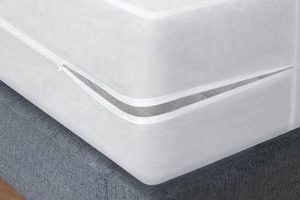
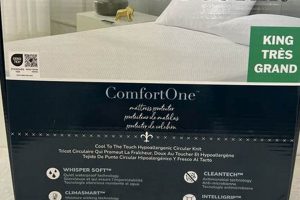
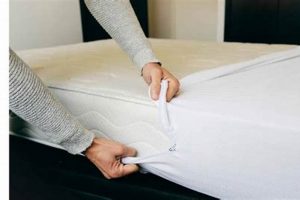
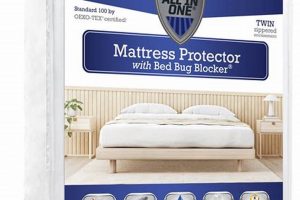
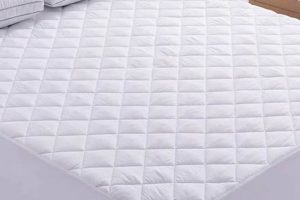
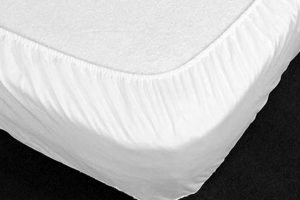
An encasement designed to fully surround a mattress, featuring a zip closure, provides comprehensive protection against fluids, allergens, dust mites, and bed bugs. For instance, a high-quality version crafted from breathable, waterproof material can safeguard a mattress from spills and stains, thereby prolonging its lifespan.
Such a protective covering offers significant advantages in maintaining hygiene and preventing allergen accumulation. Its use contributes to a healthier sleep environment, particularly beneficial for individuals with allergies or asthma. Historically, these products have evolved from simple fabric covers to sophisticated, technologically advanced encasements offering superior protection and comfort.
The subsequent sections will delve into the various materials used in their construction, the specific features to consider when selecting one, and the proper methods for care and maintenance to ensure optimal performance and longevity.
Essential Guidance for Mattress Encasement Selection
The following guidelines offer valuable insights into selecting a suitable mattress encasement, ensuring both protection and longevity for the mattress.
Tip 1: Material Composition. Prioritize encasements constructed from hypoallergenic and breathable materials. This minimizes allergen accumulation and promotes airflow, preventing overheating during sleep. Look for certifications indicating the absence of harmful chemicals.
Tip 2: Waterproof Barrier. Evaluate the waterproof capabilities of the encasement. A robust, yet breathable, waterproof membrane is crucial for safeguarding against spills, sweat, and other fluids that can compromise the mattress’s integrity.
Tip 3: Zipper Quality. Inspect the zipper mechanism. A durable, finely crafted zipper, preferably with a locking feature, ensures a secure and complete enclosure. Weak zippers are a common point of failure.
Tip 4: Bed Bug Resistance. Verify that the encasement is specifically designed to be bed bug resistant. This entails a tightly woven fabric and a zipper system that prevents the entry or escape of bed bugs, mitigating potential infestations.
Tip 5: Proper Fit. Ensure the encasement dimensions precisely match the mattress size. A loose-fitting encasement will not provide adequate protection, while one that is too tight can cause undue stress on the zipper and seams.
Tip 6: Washability and Care. Consider the ease of cleaning and maintenance. Opt for machine-washable encasements that can withstand regular laundering without compromising their protective qualities.
Tip 7: Allergen Barrier Performance. Look for encasements certified by reputable organizations for their allergen barrier performance. These certifications guarantee effective protection against dust mites and other common allergens.
Selecting an appropriate mattress encasement involves careful consideration of material, construction, and intended use. Adhering to these guidelines ensures optimal protection and enhances the lifespan of the mattress.
The subsequent section will focus on the proper installation and maintenance procedures to maximize the benefits derived from the chosen encasement.
1. Full Encasement
Full encasement is a defining characteristic of the subject product, serving as the primary mechanism for comprehensive mattress protection. The term refers to the protector’s ability to completely surround the mattress, encompassing all six sides. This total coverage creates a physical barrier against allergens, dust mites, bed bugs, and liquids, significantly extending the lifespan and hygiene of the underlying mattress. The zipper closure is integral to achieving this full encasement, sealing the mattress within the protective layer.
Without full encasement, a mattress protector offers limited and incomplete defense. For example, a traditional mattress pad that only covers the top surface leaves the sides and bottom vulnerable to infestation and spills. A protector with a compromised zipper or insufficient coverage allows these threats to penetrate, negating its intended benefits. Full encasement ensures that all surfaces are shielded from potential damage, creating a controlled micro-environment for the mattress. This is particularly vital in environments prone to allergens or in settings with a high turnover rate, such as hotels or rental properties.
The effectiveness of a zippered mattress protector hinges on the integrity of its full encasement design. Compromises in coverage, such as gaps in the zipper or insufficient material extending to all mattress surfaces, undermine its protective capabilities. Therefore, understanding the importance of full encasement is essential for selecting an effective product. This feature ensures comprehensive mattress safeguarding, contributing to a cleaner, healthier sleep environment and extending the longevity of the mattress investment.
2. Allergen Barrier
The allergen barrier function, inherent in a zippered mattress protector, represents a significant attribute for mitigating exposure to common household allergens. The tightly woven fabric of the encasement serves as a physical barrier, preventing the penetration of dust mites, pet dander, pollen, and other allergens into the mattress core. This design directly contributes to improved indoor air quality within the sleeping environment and is particularly beneficial for individuals with allergies, asthma, or other respiratory sensitivities. A compromised allergen barrier, resulting from damage to the fabric or a poorly sealed zipper, undermines its effectiveness, potentially exacerbating allergic symptoms.
Consider, for instance, a family with a child suffering from dust mite allergies. Without an effective allergen barrier, dust mites proliferate within the mattress, releasing allergenic proteins into the air. This exposure can trigger allergic reactions, leading to symptoms such as sneezing, coughing, and nasal congestion, disrupting sleep and impacting overall well-being. A quality mattress protector with a verified allergen barrier significantly reduces this exposure, creating a healthier sleep environment. Furthermore, many protectors are treated with antimicrobial agents which further assist in preventing growth of microbes and allergens.
Understanding the relationship between a zippered mattress protector and its allergen barrier functionality is crucial for making informed purchasing decisions. The presence and effectiveness of the barrier directly impact the reduction of allergen exposure, ultimately contributing to improved respiratory health and a more comfortable sleep experience. However, proper care and maintenance of the encasement are essential to preserving its protective properties over time. Regular washing and inspection for tears or zipper malfunctions are necessary to ensure the continued integrity of the allergen barrier, thus upholding its protective efficacy.
3. Waterproof Layer

The waterproof layer within a zippered mattress protector serves as a critical defense against liquid intrusion, safeguarding the mattress from spills, bodily fluids, and other moisture-related damage that can lead to staining, odor, and microbial growth. Its presence significantly extends the lifespan of the mattress and maintains its hygienic condition.
- Material Composition and Functionality
The waterproof layer is typically composed of a membrane, such as polyurethane or thermoplastic polyurethane (TPU), laminated to a fabric backing. This membrane prevents liquids from penetrating the protector while maintaining breathability to minimize heat buildup. The selection of material influences the protector’s overall comfort, durability, and resistance to wear.
- Protection against Stains and Odors
By preventing liquids from reaching the mattress fibers, the waterproof layer inhibits the formation of stains and the development of unpleasant odors caused by bacterial growth. This protection is particularly relevant in households with children, pets, or individuals prone to nighttime accidents, where spills are more likely to occur.
- Maintenance of Mattress Warranty
Many mattress warranties are voided if the mattress is stained or damaged by fluids. A waterproof layer can safeguard against these occurrences, preserving the validity of the warranty and protecting the investment in the mattress.
- Impact on Sleep Quality
A well-designed waterproof layer should be breathable to prevent overheating and discomfort during sleep. Some protectors incorporate moisture-wicking technology to further enhance comfort by drawing perspiration away from the body, ensuring a dry and restful sleep environment.
The effectiveness of the waterproof layer is directly related to the overall quality and design of the zippered mattress protector. A durable, well-integrated waterproof membrane not only preserves the mattress but also contributes to a more hygienic and comfortable sleep experience. Its selection is therefore a key consideration in choosing a protector that offers reliable and lasting protection.
4. Zipper Quality
The efficacy of a zippered mattress protector is inextricably linked to the quality of its zipper. The zipper serves as the closure mechanism for the encasement, providing a secure seal against allergens, bed bugs, and liquids. Its reliability directly impacts the overall protection afforded to the mattress.
- Material Composition and Durability
The materials composing the zipper including the slider, teeth, and tape dictate its resistance to wear, tear, and corrosion. High-quality zippers are often constructed from durable metals like stainless steel or robust polymers, ensuring longevity and consistent performance. A failure in any of these components compromises the integrity of the protector.
- Tooth Design and Closure Security
The design of the zipper teeth influences the strength and security of the closure. Interlocking teeth, particularly those with reinforced designs, provide a more robust barrier against penetration. Conversely, zippers with poorly aligned or fragile teeth are prone to separation, rendering the protector ineffective.
- Slider Mechanism and Ease of Use
The slider mechanism determines the ease with which the zipper can be opened and closed. A smooth-gliding slider minimizes friction and reduces the likelihood of snagging or breaking. Ergonomic designs that provide a comfortable grip further enhance usability, particularly during the installation and removal of the protector.
- Seam Integration and Waterproofing
The manner in which the zipper is integrated into the fabric of the protector is crucial for maintaining a waterproof and allergen-proof seal. Precisely stitched seams that are reinforced or sealed prevent liquids and allergens from penetrating through the zipper area. Substandard seam integration compromises the overall protective capabilities.
In summary, the zipper is not merely a closing device, but a critical component that defines the performance of a zippered mattress protector. A protector with a compromised zipper diminishes its ability to safeguard the mattress, negating its intended benefits. Therefore, a judicious assessment of zipper quality is paramount when selecting a mattress protector.
5. Proper Fit

The relationship between a zippered mattress protector and achieving proper fit is one of direct dependence; the protector’s functionality is contingent upon an accurate size match with the mattress. An ill-fitting protector compromises its ability to fully encase the mattress, thereby negating its primary protective functions against allergens, bed bugs, and fluids. For instance, if a protector is too small, the zipper may be strained, leading to premature failure, while the fabric itself could tear under tension. Conversely, an oversized protector may bunch up, creating uncomfortable sleeping surfaces and diminishing the waterproof barrier’s effectiveness due to potential gaps and creases. A properly fitted encasement, however, creates a taut, smooth surface that effectively seals the mattress from environmental threats, ensuring a clean and healthy sleep environment. Proper fit is not merely aesthetic; it directly impacts the protectors performance.
The practical significance of this understanding extends to consumer decision-making and product maintenance. Prior to purchase, precise measurements of the mattress dimensions – length, width, and depth – are essential. Many manufacturers provide sizing charts, which should be carefully consulted to ensure compatibility. Furthermore, understanding the effect of laundering on fabric shrinkage is crucial. Some materials are prone to shrinking after washing, which can alter the fit over time. Therefore, selecting protectors made from pre-shrunk fabrics or allowing for slight size adjustments during installation can mitigate these issues. Regular inspection of the fitted protector is also necessary to ensure it remains taut and secure; any signs of tearing, stretching, or zipper malfunction indicate a need for repair or replacement to maintain optimal performance.
In summary, achieving proper fit with a zippered mattress protector is a foundational element for its effectiveness. It dictates the protector’s ability to function as intended, safeguarding the mattress and providing a hygienic sleep surface. While challenges such as size variations between mattress manufacturers exist, diligent measurement and consideration of material properties, coupled with routine inspection, can mitigate these issues, ensuring the protector serves its purpose reliably. The correct fit directly contributes to the overall value and performance of the product, linking it directly to the core objective of preserving and protecting the mattress investment.
Frequently Asked Questions About Zippered Mattress Protectors
The following questions address common inquiries and misconceptions regarding zippered mattress protectors, providing clear and concise answers to assist in informed decision-making.
Question 1: What distinguishes a “zippered mattress protector” from a standard mattress pad?
A zippered mattress protector fully encases the mattress on all six sides, creating a sealed barrier. A standard mattress pad typically covers only the top surface, offering limited protection against allergens, bed bugs, and liquids.
Question 2: How frequently should a “zippered mattress protector” be washed?
A zippered mattress protector should be washed every one to two months, or more frequently if spills or accidents occur. Always refer to the manufacturer’s instructions for specific care recommendations.
Question 3: Can a “zippered mattress protector” eliminate the need for professional mattress cleaning?
While a zippered mattress protector significantly reduces the likelihood of mattress contamination, it does not entirely eliminate the need for professional cleaning, particularly for older mattresses or those with pre-existing stains or odors.
Question 4: Does the waterproof layer in a “zippered mattress protector” create excessive heat retention?
High-quality zippered mattress protectors utilize breathable waterproof membranes to minimize heat retention. However, individuals prone to night sweats may benefit from protectors with enhanced moisture-wicking properties.
Question 5: How can one ensure the “zippered mattress protector” is bed bug proof?
Verify that the zippered mattress protector is explicitly labeled as “bed bug proof” and features a tightly woven fabric and a secure zipper closure system designed to prevent bed bug penetration or escape.
Question 6: Will a “zippered mattress protector” alter the comfort or feel of the mattress?
A thin, well-designed zippered mattress protector should not significantly alter the comfort or feel of the mattress. However, individuals sensitive to texture may prefer protectors made from softer materials.
In summary, zippered mattress protectors represent a valuable investment in mattress protection and hygiene. Selecting a protector with the appropriate features and maintaining it according to manufacturer’s instructions will ensure optimal performance.
The following section will detail best practices for cleaning and maintaining a zippered mattress protector, to ensure its long lasting effectiveness.
Zippered Mattress Protector
This exposition has systematically examined the attributes and significance of the zippered mattress protector. The analysis covered its role as a full encasement providing comprehensive protection against allergens, bed bugs, and fluids, emphasizing the importance of material composition, waterproof barriers, and zipper quality. Proper fit was identified as crucial for optimal performance, while the FAQs addressed common inquiries, reinforcing the practical value of this bedding accessory.
Investing in a high-quality zippered mattress protector represents a proactive measure in safeguarding mattress longevity and promoting a healthier sleep environment. The insights detailed herein serve as a foundation for informed purchasing decisions. Prioritizing quality and appropriate care ensures the enduring effectiveness of this essential item. A sustained commitment to hygiene and mattress protection will contribute significantly to long-term sleep quality and overall well-being.