A convertible couch frequently incorporates a type of cushioning specifically engineered for both seating and sleeping. This cushioning often features polyurethane or memory materials, designed to provide comfort and support when unfolded into a bed. The density and construction of this cushioning are critical factors determining its suitability for overnight use, balancing portability with ergonomic considerations.
The selection of this component significantly impacts the overall utility of a convertible couch. A well-chosen option can provide adequate rest for guests, improving the functionality and perceived value of the furniture. Historically, these were often thin and uncomfortable, but advancements in material science have led to the development of more supportive and durable options, greatly enhancing the sleeping experience.
This discussion will delve into the characteristics that define a high-quality sleeping surface within a convertible couch, including material types, construction techniques, and key considerations for making informed purchasing decisions. The following sections will address factors affecting comfort, durability, and the overall impact on user satisfaction.
Tips for Selecting a Sleeper Sofa with a Foam Mattress
Optimizing the purchase of a convertible couch requires careful consideration of several factors. These tips offer guidance for evaluating options and ensuring a satisfactory selection.
Tip 1: Assess Foam Density. Higher density indicates greater support and durability. Examine the product specifications for density ratings, typically measured in pounds per cubic foot. Aim for a density rating that balances comfort and longevity.
Tip 2: Evaluate Foam Type. Polyurethane, memory, and latex materials each offer unique characteristics. Memory material conforms to the body, providing pressure relief, while polyurethane offers a firmer, more resilient surface. Latex possesses both supportive and hypoallergenic properties.
Tip 3: Consider Mattress Thickness. Thickness influences comfort and support. While thinner mattresses are more easily folded, they may compromise sleeping quality. Seek a balance between ease of use and adequate cushioning.
Tip 4: Inquire About Certifications. Certifications such as CertiPUR-US guarantee that the cushioning has been tested for harmful substances and meets specific standards for emissions, content, and durability.
Tip 5: Examine Support Structure. The frame and support system beneath the cushioning significantly impact overall comfort. Evaluate the quality and construction of the frame, springs, and any additional support elements.
Tip 6: Test Comfort Levels. If possible, physically test the convertible couch by sitting and lying on it. Assess the support, firmness, and overall comfort levels to ensure they meet individual preferences.
Tip 7: Read Customer Reviews. Gain insights from other users by reading reviews and testimonials. Pay attention to comments regarding comfort, durability, and overall satisfaction with the product.
By carefully evaluating these considerations, consumers can increase the likelihood of selecting a convertible couch that provides both comfortable seating and a restful sleeping experience.
These tips will serve as a foundation for the subsequent sections of this article, which will delve into specific product recommendations and maintenance strategies.
1. Density and Support
The relationship between density and support is paramount in evaluating the quality and suitability of cushioning within a convertible couch. The density directly influences the level of support provided and, consequently, the comfort and longevity of the unit.
- Foam Density and Body Weight Distribution
Higher density equates to a greater ability to distribute weight evenly. In the context of a convertible couch, this means preventing localized pressure points when the mattress is in use. For instance, a high-density memory option will conform to the body, dispersing weight across a larger surface area and reducing stress on joints. Conversely, lower density options may result in pressure points, leading to discomfort and potential disruption of sleep.
- Support and Spinal Alignment
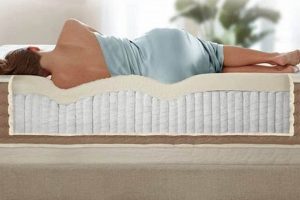
Adequate support is crucial for maintaining proper spinal alignment during sleep. A cushioning with insufficient density may allow the spine to curve unnaturally, potentially leading to back pain or discomfort. High-density cushioning can provide the necessary resistance to maintain the spine’s natural curvature, promoting healthier sleep postures. The choice between a firmer, high-density polyurethane and a conforming memory option should consider individual spinal alignment needs.
- Density and Longevity
Density is a strong predictor of the cushioning’s durability. Higher density materials resist compression and deformation over time, maintaining their supportive properties for longer periods. A low-density cushioning may flatten or sag prematurely, requiring more frequent replacement. A convertible couch intended for frequent use should prioritize cushioning with higher density to ensure long-term performance and prevent premature degradation of support.
- Support Layers and Overall Comfort
The design of a convertible couch may incorporate multiple layers of different density materials to optimize both support and comfort. For instance, a high-density core may provide primary support, while a softer, lower-density layer on top offers enhanced comfort. This layered approach allows manufacturers to tailor the firmness and feel of the cushioning to meet diverse user preferences while maintaining adequate spinal support.
In summary, the density of a cushioning directly impacts its ability to distribute weight, maintain spinal alignment, and provide long-term support. Selecting a density appropriate to the intended use and individual needs is crucial for maximizing comfort and preventing premature wear. Prioritizing density as a key factor when evaluating a convertible couch ensures a more supportive and durable sleeping surface.
2. Material Composition

The material composition of a convertible couch’s cushioning significantly determines its comfort, durability, and overall performance. The selection of materials, primarily various types of foam, directly impacts the sleeping experience. For example, polyurethane foam, an economical choice, offers varying levels of firmness and support but may degrade more quickly than other options. Memory foam, composed of viscoelastic polyurethane, conforms to the body, providing pressure relief. Latex, derived from natural or synthetic rubber, exhibits excellent resilience and breathability. The choice of material is a critical design decision directly impacting the end-users experience.
The construction of a sleeper sofa foam mattress often involves combining different materials to optimize performance characteristics. A common design might feature a high-density polyurethane core for support, topped with a layer of memory foam for enhanced comfort. This layering strategy aims to balance firmness and contouring, catering to a broader range of user preferences. Furthermore, the addition of specialized foams, such as gel-infused memory foam, can regulate temperature and improve airflow, addressing common complaints of heat retention associated with traditional memory foam options. The fabric encasing the cushioning also contributes to the overall performance, influencing breathability, moisture management, and resistance to wear and tear.
Understanding the material composition of a convertible couch cushioning enables informed decision-making, allowing consumers to select options that best meet their individual needs and preferences. While cost is often a primary consideration, prioritizing quality materials with proven durability and performance can lead to greater long-term satisfaction. The interplay between various foam types, construction techniques, and encasement fabrics ultimately determines the overall sleeping experience and the lifespan of the convertible couch.
3. Thickness and Profile

The thickness and profile of a sleeper sofa foam mattress are critical determinants of its comfort and functionality. Thickness refers to the vertical dimension of the mattress, while profile encompasses its shape and construction, including layering and contouring. A direct correlation exists between these factors and the overall sleeping experience offered by the sleeper sofa. Insufficient thickness often results in inadequate support, leading to discomfort and potential pressure points. Conversely, excessive thickness can compromise the sofa’s folding mechanism or result in an unwieldy and unmanageable sleeping surface. The profile, encompassing the contours and layering of the mattress, influences its ability to conform to the body and provide targeted support. For example, a mattress with a contoured profile might feature zones of varying firmness to accommodate different areas of the body, enhancing spinal alignment and reducing pressure on joints.
The practical significance of understanding thickness and profile lies in making informed purchasing decisions. A prospective buyer should consider the intended frequency of use and the anticipated user weight. A sleeper sofa intended for occasional use by lightweight individuals might suffice with a thinner mattress, while a unit intended for frequent use or accommodating heavier individuals would benefit from a thicker, more robust design. Profile considerations are equally important; individuals with back pain might prioritize a mattress with a contoured profile designed to promote spinal alignment, while those with no pre-existing conditions might prefer a simpler, flatter design. Furthermore, the thickness and profile of the mattress impact the overall aesthetic of the sleeper sofa. A bulky mattress can detract from the sofa’s appearance, while a streamlined design contributes to a more visually appealing and functional piece of furniture.
In conclusion, thickness and profile represent integral components of a sleeper sofa foam mattress, directly affecting its comfort, support, and usability. The optimal combination of these factors depends on individual needs and preferences, as well as the intended application of the sleeper sofa. Prioritizing a mattress with appropriate thickness and a well-designed profile is crucial for maximizing the sleeping experience and ensuring long-term satisfaction with the product. Choosing the wrong dimensions will lead to lower quality of sleep, or even not being able to make use of the sofa because of its dimensions.
4. Durability Over Time

The longevity of a convertible couch’s cushioning is a primary concern for consumers. The ability of the cushioning to maintain its comfort and support characteristics throughout years of use significantly impacts its value and user satisfaction. Factors influencing this durability range from material composition to construction techniques and usage patterns.
- Material Degradation and Support Loss
The gradual breakdown of materials within the cushioning directly affects its capacity to provide adequate support. Polyurethane foam, for example, is susceptible to oxidation and compression set over time, leading to a loss of firmness and the development of sagging. Higher density foams generally exhibit greater resistance to these degradation processes, maintaining their structural integrity for longer periods. The rate of degradation is also influenced by environmental factors such as humidity and temperature fluctuations.
- Fabric Wear and Tear
The upholstery encasing the cushioning is subject to constant friction and abrasion, particularly in high-use areas. Over time, this can result in fabric wear, seam failures, and the development of pilling or tears. The choice of fabric, its weave density, and its resistance to abrasion are critical determinants of its long-term durability. Protective measures, such as the use of upholstery protectors or regular cleaning, can help to prolong the lifespan of the fabric and maintain its appearance.
- Compression Resistance and Recovery
A key aspect of durability is the cushioning’s ability to recover its original shape after compression. Repeated compression, such as from sitting or sleeping, can cause permanent deformation in lower-quality foams. Memory foam, known for its conforming properties, can exhibit slow recovery if not properly constructed, leading to indentations and reduced comfort. Materials with high resilience and elasticity are better able to withstand repeated compression cycles and maintain their shape and support characteristics.
- Structural Integrity of Support Systems
The support structure beneath the cushioning, including springs, webbing, and frames, plays a crucial role in its overall durability. Failures in these components can lead to uneven support and accelerated wear on the cushioning itself. High-quality steel springs, robust frames constructed from hardwoods, and durable webbing materials contribute to the longevity of the entire unit, ensuring that the cushioning receives adequate support and remains comfortable for years to come.
The long-term performance of a convertible couch relies on the interplay of these factors. Selecting a unit with high-quality materials, robust construction, and careful attention to detail in both the cushioning and its support structure is essential for ensuring durability and maximizing user satisfaction. Regular maintenance and proper care can further extend the lifespan, preserving its comfort and functionality for years to come. A high price might be the deciding factor for many people, but it comes with quality materials for long term usage and enjoyment.
5. Certifications

Certifications for cushioning used in convertible couches serve as verifiable indicators of product safety, environmental responsibility, and performance standards. The absence of certifications raises questions regarding the materials’ composition, the manufacturing processes employed, and the potential for the release of harmful substances. In contrast, credible certifications provide assurances to consumers regarding the product’s compliance with established benchmarks. For instance, CertiPUR-US certification ensures that the cushioning has been tested for formaldehyde, heavy metals, and certain flame retardants, signifying a reduced risk of exposure to potentially harmful chemicals. Similarly, OEKO-TEX Standard 100 certification verifies that the textile components of the mattress have been tested for a range of harmful substances, offering assurance regarding the fabric’s skin contact safety. These certifications effectively mitigate consumer risk by providing third-party validation of product claims.
The practical significance of certifications extends beyond mere compliance. They serve as a competitive differentiator for manufacturers committed to sustainable and ethical production practices. By investing in certifications, companies demonstrate a proactive approach to environmental stewardship and consumer safety, enhancing their brand reputation and fostering consumer trust. Moreover, certain certifications, such as those related to flame retardancy, may be mandated by law in specific jurisdictions. Adherence to these regulations is not merely a matter of ethical conduct but a legal requirement for selling products in those markets. Therefore, understanding the relevant certifications and their implications is crucial for both manufacturers and consumers operating within the convertible couch market.
In summary, certifications represent a critical component in the evaluation of cushioning for convertible couches. They provide a mechanism for verifying product claims related to safety, environmental responsibility, and performance. While not all certifications are created equal, those issued by reputable third-party organizations offer valuable assurances to consumers and serve as a benchmark for industry best practices. Challenges remain in ensuring the widespread adoption and enforcement of meaningful certification standards, but their role in promoting transparency and accountability within the convertible couch market remains undeniable.
6. Foldability
The design of convertible couches necessitates a balance between sleeping surface comfort and ease of transformation between seating and bedding configurations. This intrinsic requirement places specific demands on the cushioning, directly influencing its construction and material properties. The attribute of “foldability” is thus a critical consideration when evaluating the suitability of the cushioning within such furniture.
- Compression and Hinge Points
The ability of a cushioning to withstand repeated compression and bending at hinge points is paramount. The design must accommodate areas where the material is subjected to high stress during the folding process. Premature degradation or deformation in these zones can compromise both the ease of operation and the long-term comfort of the mattress.
- Thickness and Mechanism Compatibility
The cushioning’s thickness is intrinsically linked to the folding mechanism’s design. A mattress that is too thick may impede the folding process, creating undue strain on the mechanism and potentially causing damage. Conversely, a mattress that is too thin may not provide adequate support, diminishing the sleeping experience.
- Material Resilience and Shape Retention
The material’s inherent resilience is critical for maintaining its shape and support after repeated folding and unfolding. Materials with poor recovery properties may develop permanent creases or indentations, compromising both comfort and aesthetics. The ability to return to its original form is essential for ensuring a consistent sleeping surface.
- Weight Distribution and Balance
The distribution of weight within the cushioning must be carefully considered to ensure a balanced and stable sleeping surface. Uneven weight distribution can cause the sofa to become unstable during folding or unfolding, posing a potential safety hazard. A well-designed cushioning will distribute weight evenly across its surface, promoting stability and ease of operation.
The successful integration of a convertible couch relies on optimizing the cushioning for foldability without sacrificing comfort or durability. Careful consideration of these factors is essential for selecting a component that meets the demands of both seating and sleeping applications, ensuring a product that is both functional and long-lasting.
Frequently Asked Questions About Sleeper Sofa Foam Mattresses
This section addresses common inquiries regarding the selection, use, and maintenance of cushioning in convertible couches. The aim is to provide concise and informative answers to facilitate informed decision-making.
Question 1: What density should be considered for a sleeper sofa foam mattress intended for frequent use?
A density of at least 2.5 pounds per cubic foot is generally recommended for convertible couch cushioning intended for frequent use. Higher density options offer improved support and durability, mitigating the risk of sagging and premature wear.
Question 2: Are there specific certifications that indicate a cushioning is free from harmful substances?
CertiPUR-US and OEKO-TEX Standard 100 are credible certifications that verify the absence of harmful substances in cushioning materials. These certifications ensure that the product has been tested for specific chemicals and meets established safety standards.
Question 3: How does the thickness of a sleeper sofa foam mattress affect its foldability and comfort?
The thickness must balance the requirements of foldability and comfort. A thickness between 4 and 6 inches is typically considered optimal, providing adequate support without impeding the folding mechanism.
Question 4: What material composition provides the best balance of support and pressure relief in a sleeper sofa foam mattress?
A combination of high-density polyurethane foam and a layer of memory foam often provides an optimal balance. The polyurethane foam offers support, while the memory foam conforms to the body, relieving pressure points.
Question 5: How can the lifespan of a sleeper sofa foam mattress be extended?
Regular rotation, the use of a mattress protector, and avoiding excessive weight or pressure on specific areas can extend the lifespan of cushioning. Promptly addressing any spills or stains is also crucial.
Question 6: What are the key indicators that a sleeper sofa foam mattress needs replacement?
Indicators include visible sagging, permanent indentations, a noticeable loss of support, and the presence of unpleasant odors. If any of these signs are evident, replacement is recommended to ensure adequate comfort and hygiene.
Understanding these fundamental aspects enables informed selection and maintenance, maximizing the lifespan and usability of a convertible couch’s cushioning.
The following section will address practical considerations related to purchasing the right sleeper sofa.
Conclusion
This examination has underscored the multifaceted nature of a convertible couch component. Key aspects explored include material composition, density, thickness, foldability, durability, and relevant certifications. The careful consideration of these elements directly influences the user experience, determining the comfort, support, and longevity of the furniture. A properly selected and maintained cushioning can transform a convertible couch from a mere space-saving solution into a functional and comfortable sleeping environment.
The informed application of the principles outlined herein empowers consumers to make discerning choices, aligning product selection with individual needs and expectations. Continued advancements in material science and manufacturing techniques promise further improvements in the performance and sustainability of these sleeping surfaces, ensuring their continued relevance in modern living spaces. Prioritizing quality and diligent research will yield a worthwhile investment and years of comfortable use.