The subject pertains to the act of substituting the cushioning component within a convertible couch designed for sleep. These components often experience wear and tear, becoming less supportive over time, thus impacting comfort. Replacing this element can restore the functionality and comfort of the furniture piece. A common example would be exchanging a worn innerspring with a newer memory foam variant for enhanced support.
Addressing the need for a suitable sleeping surface in a sofa bed is essential for both regular users and occasional guests. A renewed sleeping platform can significantly improve sleep quality and alleviate discomfort. Historically, these replacements focused primarily on innerspring designs; however, modern options now include advanced materials like memory foam and latex, offering improved pressure relief and durability. The ability to refresh this critical element extends the lifespan of the convertible couch and offers a cost-effective alternative to purchasing an entirely new unit.
The subsequent sections will delve into the various types of materials available for these substitutions, the process of selecting the appropriate size and thickness, and the steps involved in the installation procedure. Factors influencing the longevity of different materials and considerations for maintaining the new component will also be explored.
Guidance on Sofa Sleeper Mattress Substitution
The following recommendations are intended to aid in the selection and implementation of a replacement for the cushioning component within a convertible couch designed for sleep.
Tip 1: Material Assessment: Evaluate the inherent properties of available materials. Memory foam provides conforming support, while latex offers resilience and breathability. Innerspring options provide traditional support with varying levels of firmness. Consider the sleeper’s preferences and any specific needs, such as pressure point relief or temperature regulation.
Tip 2: Dimensional Accuracy: Precisely measure the existing cushioning component’s length, width, and thickness. Inaccurate measurements can lead to improper fitment, compromising comfort and functionality. Consult the manufacturer’s specifications for compatibility with the sofa bed frame.
Tip 3: Density Considerations: The density of the replacement material affects its support and longevity. Higher-density foams tend to be more durable and provide greater support, particularly for heavier individuals. Lower-density options may be suitable for occasional use or for individuals who prefer a softer sleeping surface.
Tip 4: Installation Methodology: Carefully remove the existing component, noting the method of attachment (e.g., zippers, Velcro, or sewn seams). The new element must be installed using the same or a compatible method to ensure secure placement and prevent shifting during use.
Tip 5: Protective Encasement: Employ a protective cover to shield the replacement from spills, stains, and allergens. A durable, washable cover extends the lifespan of the component and maintains a hygienic sleeping environment.
Tip 6: Rotation and Maintenance: Periodically rotate the replacement to promote even wear and prevent localized compression. Vacuuming regularly helps remove dust and debris, maintaining cleanliness and preventing the build-up of allergens.
Tip 7: Warranty Evaluation: Examine the terms of the warranty provided by the manufacturer. A comprehensive warranty provides assurance of the product’s quality and protects against defects in materials or workmanship.
Adherence to these guidelines will facilitate the selection and installation of a suitable replacement, optimizing the comfort and extending the lifespan of the convertible couch.
The subsequent section will address troubleshooting common issues encountered during the replacement process and offer solutions to ensure a successful outcome.
1. Dimensions

Dimensional accuracy is paramount in sofa sleeper mattress replacement. Mismatched dimensions, whether in length, width, or thickness, can lead to a host of problems. A too-large component will prevent the sofa bed from closing correctly, potentially damaging the folding mechanism. A component that is too small will shift during use, creating uncomfortable gaps and uneven support. For instance, a sofa bed designed for a 72″ x 52″ mattress will not function optimally with a 70″ x 50″ or a 74″ x 54″ substitute. The precise measurement of the existing mattress or the interior frame of the sofa bed is a crucial first step in any replacement undertaking.
The practical significance of adhering to correct dimensions extends beyond mere fitment. Correct dimensions contribute to the overall support and comfort provided by the sofa bed. If the thickness is insufficient, the sleeper may feel the underlying frame, negating any potential benefits from upgraded materials. Similarly, if the width is incorrect, the edges of the frame may become prominent, causing discomfort and disrupting sleep. An illustrative scenario involves individuals upgrading to a memory foam mattress to alleviate back pain, only to find their efforts undermined by inaccurate dimensions, resulting in improper spinal alignment and continued discomfort.
In summary, dimensional precision is a non-negotiable factor in sofa sleeper mattress replacement. The consequences of dimensional errors range from mechanical malfunctions to compromised comfort and inadequate support. Accurate measurement, followed by the selection of a replacement component that precisely matches the original specifications, is essential for a successful and beneficial outcome. Neglecting this aspect can nullify any potential advantages gained from utilizing improved materials or construction techniques.
2. Materials
The selection of appropriate materials constitutes a critical factor in sofa sleeper mattress replacement. The materials directly impact comfort, support, durability, and overall user satisfaction. The suitability of different materials varies depending on individual preferences, budget considerations, and frequency of use.
- Innerspring Construction
Innerspring constructions represent a traditional option, utilizing a network of metal coils to provide support. The gauge and configuration of the coils determine the firmness and responsiveness of the mattress. While generally more affordable, innerspring mattresses may exhibit less contouring ability compared to other materials. Examples include Bonnell coil systems for basic support and pocketed coil systems for reduced motion transfer. The durability of innerspring components can be affected by coil fatigue and the quality of surrounding upholstery materials.
- Memory Foam Composition
Memory foam conforms to the body’s shape, providing pressure relief and reducing motion transfer. The density of the foam influences its firmness and support characteristics. Higher-density memory foam offers greater support and durability but may also retain more heat. Examples include traditional memory foam, gel-infused memory foam (for improved temperature regulation), and plant-based memory foam (for reduced environmental impact). The lifespan of memory foam depends on its density and the quality of the manufacturing process.
- Latex Formulation
Latex offers a balance of support, comfort, and durability. Natural latex, derived from rubber trees, is hypoallergenic and resistant to dust mites. Synthetic latex, derived from petroleum-based compounds, offers a more affordable alternative. Dunlop latex provides a denser, firmer feel, while Talalay latex offers a softer, more responsive feel. The breathability and resilience of latex make it a suitable option for individuals seeking a long-lasting and comfortable sleeping surface.
- Hybrid Combinations
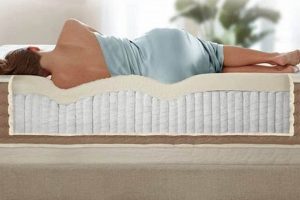
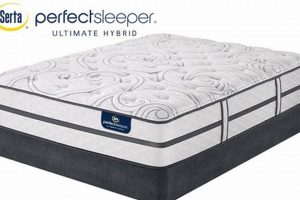
Hybrid mattresses combine multiple materials to leverage the benefits of each. A typical hybrid construction might incorporate an innerspring support core with a memory foam or latex comfort layer. This configuration provides a balance of support, contouring, and breathability. The specific combination of materials can be tailored to meet individual preferences and address specific sleep-related concerns. For example, a hybrid mattress with pocketed coils and gel-infused memory foam can offer both targeted support and enhanced temperature regulation.
In summary, the choice of materials for sofa sleeper mattress replacement involves a careful assessment of individual needs and preferences. Each material offers a unique set of characteristics that influence comfort, support, and durability. Considering factors such as budget, sleep style, and environmental concerns is essential for selecting the most appropriate replacement for the sofa bed.
3. Thickness

The thickness of a sofa sleeper mattress is a critical determinant of both comfort and the functionality of the sofa bed mechanism. Insufficient thickness can result in inadequate support, leading to discomfort and potential back pain for the sleeper. Conversely, excessive thickness may hinder the folding and unfolding process, potentially damaging the sofa bed frame or preventing its complete closure. The selection of an appropriate thickness during the component substitution process is therefore paramount. For example, if the original mattress was 4 inches thick, deviating significantly from this dimension may compromise the overall performance of the sofa bed.
The practical significance of correct thickness extends beyond immediate comfort and mechanical operation. A mattress that is too thin may accelerate wear and tear on the underlying support structure of the sofa bed. The resulting uneven weight distribution can lead to premature failure of the frame or folding mechanism. A mattress that is too thick can put undue stress on the hinges and joints, similarly reducing the lifespan of the overall unit. Consider the scenario where a thicker memory foam mattress is installed in a sofa bed designed for a thinner innerspring; the increased compression force may eventually warp the frame.
In summary, thickness represents a key factor in sofa sleeper mattress replacement, directly affecting both sleeping comfort and the mechanical integrity of the sofa bed itself. Choosing a replacement with a thickness that closely matches the original specifications is crucial for optimizing performance and extending the lifespan of the furniture. Deviations from the optimal thickness can lead to discomfort, mechanical issues, and premature wear, ultimately negating the potential benefits of the replacement component.
4. Support

The concept of “support” is intrinsically linked to sofa sleeper mattress replacement, influencing both the user’s comfort and the long-term usability of the furniture. The adequacy of the support provided by a mattress dictates spinal alignment, pressure distribution, and overall sleep quality. A deficient support structure can lead to discomfort, pain, and compromised rest, thereby necessitating the consideration of support characteristics when undertaking a mattress substitution.
- Core Structure and Weight Distribution
The core structure of a sofa sleeper mattress is fundamental to its support capabilities. In innerspring models, the gauge and configuration of the coils determine the level of support offered. In foam models, the density and type of foam (e.g., memory foam, high-density polyurethane foam) govern its ability to distribute weight evenly and prevent sagging. An inadequate core structure results in uneven weight distribution, leading to pressure points and spinal misalignment. For instance, a lightweight innerspring system may not provide sufficient support for heavier individuals, resulting in discomfort and potential long-term health implications. The choice of core material and its construction directly impact the mattress’s ability to provide adequate support.
- Edge Support and Stability
Edge support refers to the reinforcement along the perimeter of the mattress, designed to prevent collapsing when sitting or sleeping near the edge. Adequate edge support is essential for maximizing the usable sleeping surface and providing a stable transition when getting in and out of bed. Mattresses lacking sufficient edge support often exhibit a “roll-off” sensation, which can be particularly problematic for individuals with mobility issues. Examples of edge support enhancements include reinforced coils or high-density foam encasements around the mattress perimeter. The presence or absence of edge support directly influences the perceived comfort and stability of the sofa sleeper.
- Zoning and Targeted Support
Zoned support systems incorporate varying levels of firmness across different sections of the mattress to provide targeted support to specific areas of the body. Typically, firmer support is provided in the lumbar region to maintain spinal alignment, while softer support is offered in the shoulder and hip areas to relieve pressure points. Zoned support systems are particularly beneficial for individuals with specific orthopedic needs or those who experience pain in certain areas of the body. For example, a mattress with enhanced lumbar support can alleviate lower back pain by promoting proper spinal curvature. The effectiveness of zoned support depends on the accuracy of the zoning and the individual’s body shape and sleeping position.
- Material Density and Firmness Levels
The density and firmness of the materials used in a sofa sleeper mattress directly influence its overall support characteristics. Higher-density foams and thicker coil gauges generally provide greater support. However, the ideal firmness level is subjective and depends on individual preferences and body weight. Lighter individuals may prefer a softer mattress, while heavier individuals may require a firmer mattress to prevent excessive sinking. The firmness level is often described using a scale, ranging from extra soft to extra firm. The selection of an appropriate firmness level is crucial for achieving optimal support and comfort. For instance, an individual with a higher body mass index would likely benefit from a higher density foam and firmer support level, while someone with a lower body mass index would find more relief in a lower density foam and softer support level.
These elements collectively define the support provided by a sofa sleeper mattress, underscoring the importance of assessing these characteristics when considering a replacement. Addressing these elements ensures that the substituted component offers not only improved comfort but also adequate orthopedic support. Proper evaluation of these components during the selection process can drastically increase comfort levels. For example, if the initial component did not supply proper support, the newly substituted product will ensure more relief.
5. Durability

Durability, in the context of sofa sleeper mattress replacement, signifies the component’s capacity to withstand wear and tear over an extended period, maintaining its intended functionality and comfort. The longevity of a replacement directly influences its cost-effectiveness and the overall satisfaction of the user. Factors influencing durability should be critically assessed before undertaking a component exchange.
- Material Composition and Resistance to Degradation
The inherent properties of the materials used in mattress construction dictate its resistance to degradation under repeated use and environmental stresses. For example, high-density memory foam exhibits greater resistance to compression set (permanent deformation) compared to lower-density foams. Natural latex possesses inherent antimicrobial properties and resistance to dust mites, contributing to its longevity. The selection of materials known for their durability is a primary consideration. The ability of the materials to resist degradation, tearing, and general wear and tear determines the amount of time the component will function properly.
- Construction Techniques and Structural Integrity
The method of construction and the overall structural integrity of the mattress contribute significantly to its durability. Reinforced seams, high-quality adhesives, and robust internal support structures enhance the mattress’s ability to withstand stress and prevent premature failure. Mattresses with weak seams or poorly bonded layers are more susceptible to tearing and separation, reducing their lifespan. The process by which the mattress is assembled determines its ability to withstand long term use. This contributes to the overall value of the mattress.
- Resistance to Moisture and Environmental Factors
The ability of a mattress to resist moisture absorption and the effects of environmental factors, such as temperature fluctuations and humidity, is crucial for maintaining its integrity and preventing the growth of mold and mildew. Moisture absorption can degrade the foam and fabric components, leading to premature wear and an unhealthy sleeping environment. Mattresses constructed with breathable materials and treated with moisture-resistant coatings exhibit greater resistance to these factors, extending their lifespan. For example, mattresses with natural latex resist moisture and dustmites easier than some memory foams.
- Weight Capacity and Load-Bearing Capability
The maximum weight capacity and load-bearing capability of a mattress determine its suitability for different users and usage scenarios. Exceeding the weight limit can accelerate wear and tear on the internal support structure, leading to sagging and reduced comfort. Mattresses designed with reinforced support systems and high-density materials are better equipped to handle heavier loads and maintain their structural integrity over time. The load bearing capability can differ from product to product. For example, an inner spring mattress can bear more weight than certain memory foams.
The multifaceted nature of durability necessitates a comprehensive evaluation of materials, construction techniques, environmental resistance, and load-bearing capabilities. A meticulous assessment of these aspects ensures that the chosen replacement can withstand the rigors of frequent use, providing long-lasting comfort and support, ultimately representing a sound investment.
6. Installation

The installation process is intrinsically linked to the success of a sofa sleeper mattress replacement endeavor. Improper installation negates the benefits of even the highest-quality replacement, resulting in compromised comfort and potential damage to the sofa bed mechanism. The correct installation ensures the component fits properly within the frame, allowing for smooth operation of the folding mechanism and uniform weight distribution. As a result, correct installation is as much a component of the effort as the physical mattress itself.
A common example illustrates this point. A memory foam mattress, chosen for its superior comfort, may be incorrectly installed with the denser support layer facing upwards, or without proper fastening to the sofa bed frame. This could result in diminished support, premature wear, and difficulties in folding the sofa bed. The practical significance of correct installation becomes evident when considering the potential consequences of misalignment. A misaligned mattress can exert undue stress on the folding mechanism’s hinges, potentially leading to their breakage. Similarly, an improperly secured mattress can shift during use, resulting in discomfort and uneven weight distribution.
In conclusion, the installation phase is a critical juncture in the sofa sleeper mattress replacement process, and neglecting its importance can undermine the entire undertaking. Careful attention to proper installation techniques, including accurate alignment, secure fastening, and verification of the folding mechanism’s smooth operation, is essential for realizing the full benefits of the replacement and ensuring the longevity of both the mattress and the sofa bed itself.
Frequently Asked Questions Regarding Sofa Sleeper Mattress Replacement
This section addresses common inquiries concerning the substitution of the cushioning component within a convertible couch designed for sleep. The following questions and answers aim to provide clarity on various aspects of the process.
Question 1: What is the typical lifespan of a sofa sleeper mattress, and when is replacement recommended?
The expected lifespan of a sofa sleeper mattress varies based on material composition, usage frequency, and maintenance practices. Generally, a replacement is advisable when the mattress exhibits significant sagging, permanent indentations, or noticeable loss of support. These conditions typically manifest within 3-7 years of regular use. Evidence of mold, mildew, or persistent odors also necessitate immediate replacement.
Question 2: What are the key considerations when selecting a replacement for a sofa sleeper mattress?
Primary considerations include accurate dimensional measurements to ensure proper fitment within the sofa bed frame, evaluation of material composition to match desired comfort and support levels, and assessment of thickness to maintain proper folding functionality. The replacement should also be compatible with the existing support structure of the sofa bed and meet relevant safety standards.
Question 3: Can a standard mattress be used as a replacement for a sofa sleeper mattress?
Standard mattresses are generally not suitable for use in sofa beds due to their incompatible dimensions and lack of flexibility. Sofa sleeper mattresses are specifically designed to fold and unfold within the confines of the sofa bed mechanism. Attempting to use a standard mattress can damage the sofa bed frame and compromise the comfort and safety of the sleeper.
Question 4: What are the potential benefits of upgrading to a higher-quality material during sofa sleeper mattress replacement?
Upgrading to materials such as memory foam or latex can provide enhanced comfort, improved support, reduced motion transfer, and increased durability compared to traditional innerspring mattresses. These materials often conform more closely to the body’s contours, relieving pressure points and promoting better spinal alignment. The lifespan of higher-quality materials is also typically longer, resulting in a more cost-effective long-term solution.
Question 5: Are there specific maintenance procedures that can extend the lifespan of a sofa sleeper mattress replacement?
Regular rotation of the mattress can promote even wear and prevent localized compression. The use of a protective mattress cover can shield the mattress from spills, stains, and allergens. Periodic vacuuming can remove dust and debris, maintaining cleanliness and preventing the build-up of allergens. Avoiding excessive weight or pressure on specific areas of the mattress can also help prevent premature sagging.
Question 6: What are the potential consequences of neglecting a worn or damaged sofa sleeper mattress?
Neglecting a worn or damaged sofa sleeper mattress can result in discomfort, pain, and impaired sleep quality. A lack of proper support can lead to spinal misalignment and exacerbate existing back problems. In extreme cases, a damaged mattress can harbor mold, mildew, and dust mites, posing a health risk to the sleeper. Continued use of a compromised mattress can also accelerate wear and tear on the sofa bed frame.
These questions and answers provide a foundational understanding of the key considerations surrounding sofa sleeper mattress replacement. Adhering to these guidelines can ensure a successful and beneficial outcome.
The subsequent section will delve into the environmental considerations associated with discarding old mattresses and explore available recycling options.
Concluding Remarks on Sofa Sleeper Mattress Replacement
This exploration has elucidated the critical aspects of sofa sleeper mattress replacement, encompassing material selection, dimensional accuracy, support considerations, durability factors, and installation procedures. Each of these elements significantly influences the overall comfort, longevity, and functionality of the convertible couch. A thorough understanding of these factors is essential for informed decision-making.
The strategic execution of sofa sleeper mattress replacement represents a responsible approach to furniture maintenance and personal well-being. Prioritizing this undertaking not only enhances the immediate sleeping experience but also contributes to the extended lifespan of the existing sofa bed. This initiative should therefore be regarded as a prudent investment, warranting careful consideration and diligent implementation.