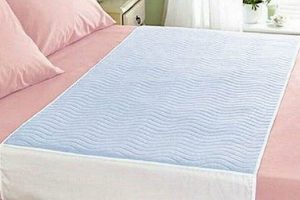
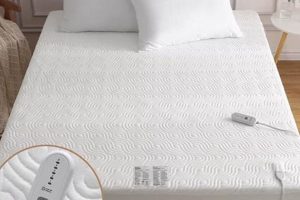
A padded layer, featuring stitched designs, is designed to be placed atop a mattress. This bedding component provides an additional level of comfort and protection. For example, a consumer might select this item to soften a firm sleeping surface or safeguard against spills and stains.
The utilization of this type of bedding accessory enhances sleep quality through increased cushioning and temperature regulation. Historically, such items evolved from simple mattress covers to more elaborate constructions aimed at improving sleep hygiene and extending the lifespan of the underlying mattress. Its benefits include reduced wear and tear on the mattress, simplified cleaning, and a potentially more comfortable sleeping environment.
The subsequent sections will delve into the specific materials used in the manufacturing of these items, explore the various construction techniques employed, and consider the key factors influencing purchasing decisions. Furthermore, attention will be given to proper care and maintenance to ensure longevity and sustained performance.
Optimizing the Utilization of a Quilted Mattress Pad
The following recommendations are designed to enhance the lifespan and efficacy of the bedding accessory in question.
Tip 1: Proper Installation is Essential. Ensure the fitted sheet securely encases both the mattress and the padded layer to prevent shifting during sleep. A loose fit can compromise comfort and accelerate wear.
Tip 2: Regular Cleaning Extends Longevity. Adhere to the manufacturer’s cleaning instructions, typically involving machine washing on a gentle cycle. Prompt stain removal prevents permanent damage and maintains hygiene.
Tip 3: Consider Material Compatibility. Select a model constructed from materials compatible with any existing allergies or sensitivities. Hypoallergenic options are widely available and can contribute to a healthier sleep environment.
Tip 4: Evaluate Loft and Thickness. The desired level of cushioning should align with individual sleep preferences. A thicker padding may offer enhanced pressure relief, while a thinner profile can maintain a firmer feel.
Tip 5: Protection Against Moisture is Crucial. If prone to spills or night sweats, consider a waterproof variation. This will shield the mattress from potential damage and prevent the growth of mold or mildew.
Tip 6: Address Underlying Mattress Condition. While the layer can improve comfort, it is not a substitute for a worn or damaged mattress. Evaluate the mattress’s overall condition before relying solely on the accessory for support.
Tip 7: Routine Inspection Prevents Problems. Periodically examine the item for signs of wear and tear, such as thinning padding or loose stitching. Addressing these issues promptly can prevent further degradation.
Adherence to these guidelines will maximize the benefits of this bedding component, contributing to a more comfortable and hygienic sleep experience. The subsequent section will offer concluding remarks on the overall value and appropriate application of a quilted mattress pad.
1. Comfort Enhancement

Comfort enhancement, in the context of a padded and stitched mattress layer, refers to the augmentation of the sleeping surface to provide a more agreeable tactile experience. This enhancement aims to alleviate pressure points, reduce discomfort, and ultimately foster a more restful sleep cycle.
- Added Cushioning
The primary function of this bedding component in relation to comfort is the addition of a layer of cushioning. This added thickness distributes body weight more evenly, reducing pressure on areas such as the hips and shoulders. For instance, individuals experiencing discomfort on a firm mattress may find relief through the enhanced cushioning, leading to a reduction in tossing and turning throughout the night. The implication is a more consistent and restorative sleep pattern.
- Surface Softening
Beyond simple cushioning, these items often contribute to a softening of the overall sleeping surface. The quilted texture and fill material create a smoother, more yielding feel against the skin. Consider the experience of lying directly on a bare mattress versus lying on a mattress enhanced with a padded layer; the latter generally provides a more luxurious and comfortable sensation. This is important for those with sensitive skin or those who prefer a plusher sleep environment.
- Microclimate Regulation
Some versions of the bedding aid in regulating the microclimate surrounding the sleeper. Materials with moisture-wicking properties can draw away perspiration, preventing the sleeper from feeling damp and uncomfortable. For example, models utilizing natural fibers like cotton or wool can effectively manage moisture levels, promoting a more consistent and comfortable sleep temperature. This regulation is particularly beneficial for individuals who tend to overheat during the night.
- Noise Reduction
The presence of this accessory can also contribute to a reduction in noise generated by movement on the mattress. The quilted construction and added layer of material dampen sound, minimizing disturbances caused by shifting positions during sleep. A noisy mattress can disrupt sleep patterns, both for the individual and any sleeping partners. The enhanced sound dampening effect of a padded layer provides a quieter, more peaceful sleep environment.
In conclusion, the multifaceted approach to comfort enhancement provided by this form of bedding extends beyond simple padding. The combination of cushioning, surface softening, microclimate regulation, and noise reduction collectively contributes to a more conducive sleep environment, addressing various potential sources of discomfort and promoting a more restful and restorative sleep experience. The selection of an appropriate item should therefore consider the individual’s specific needs and preferences in relation to these various comfort-enhancing factors.
2. Mattress Protection
Mattress protection constitutes a significant function associated with the utilization of a padded, stitched bedding layer. This layer serves as a barrier, mitigating potential damage and preserving the integrity of the underlying mattress. Preservation of mattress condition directly impacts hygiene, comfort, and longevity; therefore, the protective attributes of this added layer hold considerable importance.
- Barrier Against Spills and Stains
One primary function of this type of bedding component is acting as a physical barrier against liquids. Spills of beverages, accidental stains, and bodily fluids can permanently damage a mattress. The absorbent nature of the padding contained within the quilted layer intercepts these substances, prevent
ing them from penetrating the mattress fibers. For instance, a spilled glass of water is contained within the layer, allowing for immediate cleaning and preventing water damage to the mattress core. The implications include the prevention of mold growth and the preservation of mattress hygiene. - Protection from Dust Mites and Allergens
The intricate quilting pattern of this bedding accessory creates a dense fabric structure that minimizes the penetration of dust mites and allergens into the mattress. Dust mites, common household pests, thrive in mattresses and can exacerbate allergies and respiratory issues. The tightly woven construction of this type of mattress accessory reduces the accumulation of dust mites and related allergens within the mattress fibers. As an example, this barrier can lead to decreased allergic reactions for sensitive individuals. This function benefits allergy sufferers and enhances overall sleep hygiene.
- Reduction of Wear and Tear
Friction caused by movement during sleep leads to wear and tear on a mattress’s surface. Direct contact with sheets and bedding can gradually degrade the mattress fabric and internal components. This type of mattress accessory acts as a buffer, reducing the abrasive forces applied directly to the mattress. As an example, the layer absorbs movement-related friction, prolonging the life of the mattress and preventing premature sagging or compression. Consequently, mattress longevity is enhanced, and replacement costs are deferred.
- Minimization of Odor Absorption
Mattresses are susceptible to absorbing odors from various sources, including body perspiration and environmental factors. Accumulated odors can degrade the overall sleep environment and necessitate frequent cleaning. The quilted bedding layer possesses the ability to reduce odor absorption by providing a filtering barrier. Consider the scenario of a smoker sleeping on a mattress without protection; the mattress would likely absorb the scent of smoke. A protective layer reduces this absorption, preserving the mattress’s freshness. The practical outcome is a more pleasant and hygienic sleep environment.
These protective attributes highlight the instrumental role played by a quilted bedding layer in maintaining mattress integrity. The cumulative effect of these facetsliquid resistance, allergen reduction, abrasion minimization, and odor controldemonstrates the value proposition of this item in preserving the condition and extending the lifespan of the mattress. Therefore, the investment in such a protective layer can yield significant long-term benefits in terms of hygiene, comfort, and cost savings.
3. Temperature Regulation

Temperature regulation, when considered in the context of a quilted mattress pad, represents a critical function influencing sleep comfort and overall sleep quality. The materials and construction techniques employed in the creation of these padded layers directly impact their ability to manage heat and moisture, creating a more conducive sleep environment.
- Material Breathability
The selection of breathable materials is paramount in promoting effective temperature regulation. Fabrics such as cotton, linen, and certain synthetic blends facilitate air circulation, allowing heat to dissipate away from the body. For example, a pad constructed with a tightly woven, non-breathable material will trap heat, leading to discomfort and potential overheating. Conversely, a pad utilizing a more open weave and breathable fibers will promote airflow, helping to maintain a cooler and more comfortable sleep temperature. This difference has direct implications for individuals prone to night sweats or who reside in warmer climates.
- Moisture-Wicking Properties
The ability of a quilted mattress pad to wick away moisture is another key factor in temperature regulation. Materials with moisture-wicking properties draw perspiration away from the skin, allowing it to evaporate and preventing the sleeper from feeling damp and uncomfortable. For instance, some synthetic fibers and treated natural fibers possess enhanced moisture-wicking capabilities, making them suitable for individuals who tend to perspire heavily during sleep. This moisture management contributes to a more consistent and regulated sleep temperature.
- Insulating Capacity
While breathability and moisture-wicking are important for preventing overheating, the insulating capacity of a quilted mattress pad can also contribute to temperature regulation, particularly in colder environments. A pad with a higher insulating capacity will trap body heat, providing additional warmth and preventing the sleeper from feeling chilled. Wool and down alternative fills are examples of materials that offer excellent insulation. The selection of a pad with appropriate insulating properties can help to maintain a comfortable sleep temperature throughout the night, especially in colder seasons.
- Construction Techniques
The construction techniques used in creating a quilted mattress pad also influence its temperature regulation capabilities. The quilting pattern itself can affect airflow and heat distribution. For example, a more open quilting pattern will generally promote better airflow than a tightly packed pattern. Additionally, the thickness of the pad and the type of fill material used can impact its insulating capacity. Considerations regarding construction techniques are important for optimizing temperature regulation in different sleep environments.
In summary, the temperature regulation capabilities of a quilted mattress pad are determined by a combination of material selection, moisture management, insulating capacity, and construction techniques. The selection of a pad with appropriate features can significantly impact sleep comfort and overall sleep quality by promoting a more consistent and regulated sleep temperature, regardless of environmental conditions.
4. Washable Material

The selection of washable materials in the construction of a quilted mattress pad directly impacts its long-term hygiene, maintenance, and usability. The ability to launder such a bedding component is critical, given its proximity to the human body and the potential for accumulating sweat, spills, and other contaminants. Non-washable materials would render the pad a breeding ground for bacteria and allergens, negating many of its intended benefits. Consider the cause-and-effect relationship: regular washing removes accumulated detritus, preventing the proliferation of microorganisms and maintaining a hygienic sleep surface. This practice directly extends the lifespan of the mattress pad by preventing material degradation caused by accumulated grime.
The practical significance of washable materials extends to ease of care. A mattress pad that can be easily machine-washed simplifies routine maintenance, encouraging frequent cleaning and consistent hygiene. Examples of suitable materials include cotton, polyester, and various synthetic blends engineered for washability. These materials retain their structural integrity and cushioning properties even after repeated laundering cycles, assuming proper care instructions are followed. Conversely, materials like memory foam or certain natural fibers, if non-washable, require specialized cleaning methods that are both co
stly and less effective at removing deeply embedded contaminants. Choosing a washable material provides convenience and ensures thorough cleaning, a key factor in maintaining a healthy sleep environment.
In summary, the washability of materials used in a quilted mattress pad is not merely a convenience but a necessity for hygiene, longevity, and ease of maintenance. The selection of appropriately washable materials facilitates regular cleaning, preventing the accumulation of allergens and extending the useful life of the product. Challenges exist in ensuring durability and maintaining cushioning performance through repeated washings, underscoring the importance of adhering to manufacturer’s care instructions. Ultimately, the “washable material” aspect is inextricably linked to the broader theme of promoting a clean, comfortable, and healthy sleep environment.
5. Secure Attachment

Secure attachment, in the context of a quilted mattress pad, refers to the methods and features that ensure the pad remains firmly in place on the mattress during use. This stability is not merely a convenience; it directly impacts the comfort, effectiveness, and longevity of both the pad and the underlying mattress. A poorly secured pad can shift, bunch, or detach entirely, negating its intended benefits and potentially causing discomfort or even sleep disruption.
- Elastic Corner Straps
Elastic corner straps represent a common method for securing a quilted mattress pad to a mattress. These straps, typically made of durable elastic, hook under the corners of the mattress, preventing the pad from sliding or shifting. For example, a restless sleeper frequently changing positions might find that a pad without secure straps quickly becomes dislodged, creating lumps and uneven surfaces. The presence of robust elastic straps mitigates this issue, maintaining a smooth and consistent sleeping surface. The implications include improved comfort and consistent alignment of the pad, preserving its protective function.
- Fitted Sheet Design
Some quilted mattress pads incorporate a fitted sheet design, essentially encapsulating the entire mattress within a secure elasticized border. This approach provides a more comprehensive and reliable attachment compared to simple corner straps. Consider the scenario of an adjustable bed; the flexing and contouring of the mattress can easily dislodge a pad secured only with straps. A fitted sheet design, however, remains firmly in place even during significant bed adjustments. The result is enhanced stability and consistent performance, particularly in specialized sleep environments.
- Anchor Bands
Anchor bands, often constructed of non-slip material, run along the perimeter of the mattress pad and grip the sides of the mattress. These bands provide additional holding power, particularly for thicker mattresses or those with rounded edges. A pad lacking adequate anchoring may slip and slide on a polished or slippery mattress surface. The inclusion of high-friction anchor bands addresses this problem, ensuring a more secure and stable fit. Consequently, the pad remains correctly positioned, maximizing its intended function of providing comfort and protection.
- Integrated Zipper Enclosures
Certain high-end quilted mattress pads utilize a zipper enclosure system to completely encase the mattress. This design offers the most secure attachment possible, effectively transforming the pad into an integral part of the mattress. Imagine a situation where a mattress needs full protection from bed bugs or allergens; a zipper enclosure provides a virtually impenetrable barrier. This level of security is essential for individuals with severe allergies or concerns about pest infestations. The implication is unparalleled protection and a secure fit that eliminates any possibility of shifting or detachment.
The secure attachment mechanisms employed in a quilted mattress pad are not merely cosmetic features; they are integral to the pad’s performance and longevity. From simple elastic straps to comprehensive zipper enclosures, these features ensure that the pad remains correctly positioned, maximizing its comfort, protection, and effectiveness. The selection of a pad with an appropriate attachment method depends on the specific needs and sleeping environment of the user, but the importance of secure attachment remains paramount.
6. Extended Lifespan
The extended lifespan of a mattress is inextricably linked to the utilization of a quilted mattress pad. The mattress, a substantial investment, faces constant exposure to wear, spills, and the accumulation of allergens. A quilted mattress pad acts as a protective barrier, mitigating these factors and, consequently, prolonging the mattress’s serviceable life. The correlation is one of cause and effect: the protective layer reduces the direct impact of detrimental elements on the mattress core, resulting in slower degradation and increased longevity. The importance of this extended lifespan is primarily economic, representing a delayed replacement cycle and a reduced overall cost of sleep furnishings. For example, a mattress subjected to frequent spills without protection might require replacement within five years; the implementation of a protective pad could extend this period to eight years or more. The practical significance of this understanding lies in the adoption of preventive measures to maximize the value of a significant purchase.
Further analysis reveals that the specific design and materials of the quilted mattress pad contribute to its protective effectiveness. Waterproof or water-resistant models provide a safeguard against liquid damage, preventing internal material decay and mold growth. Hypoallergenic materials minimize the accumulation of dust mites and allergens, contributing to a healthier sleep environment and reducing the need for frequent and potentially damaging cleaning procedures on the mattress itself. Additionally, the cushioning provided by the pad distributes weight more evenly, reducing localized pressure points that can lead to sagging and premature wear. Practical application of this knowledge involves selecting a pad that addresses the specific environmental challenges and potential risks faced by the mattress. Considerations should include factors such as the presence of pets, young children, or individuals prone to nighttime accidents. The impact of this assessment is the selection of a pad that not only enhances comfort but actively protects the investment.
In conclusion, the relationship between a quilted mattress pad and the extended lifespan of a mattress is multifaceted, encompassing protection from liquids, allergens, and physical wear. While challenges exist in ensuring complete protection against all potential hazards, the implementation of a suitable pad represents a proactive measure to safeguard a substantial investment. The key insight lies in recognizing the pad not merely as a comfort enhancement but as a preventative measure with significant economic implications. The practical application of this understanding extends beyond initial purchase to encompass proper care and maintenance of both the pad and the underlying mattress, ensuring the long-term preservation of a conducive and hygienic sleep environment.
Frequently Asked Questions
The following section addresses common inquiries regarding quilted mattress pads, aiming to clar
ify their function, benefits, and proper usage.
Question 1: Is a quilted mattress pad essential for all mattresses?
A quilted mattress pad is not strictly essential, but its use is highly recommended. It provides a protective layer against spills and allergens, enhances comfort, and can extend the life of the mattress. Its necessity depends on individual needs and preferences.
Question 2: How often should a quilted mattress pad be cleaned?
A quilted mattress pad should ideally be cleaned every one to two months. More frequent cleaning is advisable if spills or accidents occur. Regular cleaning helps maintain hygiene and prevents the buildup of allergens and dust mites.
Question 3: Can a quilted mattress pad correct a sagging or uncomfortable mattress?
A quilted mattress pad can improve the comfort of a slightly uncomfortable mattress, but it cannot correct significant sagging or structural issues. In such cases, a new mattress or a more substantial mattress topper may be necessary.
Question 4: What materials are commonly used in quilted mattress pads, and what are their advantages?
Common materials include cotton, polyester, and down alternatives. Cotton offers breathability and comfort. Polyester is durable and affordable. Down alternatives provide insulation and are hypoallergenic. The choice depends on individual preferences and needs.
Question 5: Will a quilted mattress pad alter the feel of a memory foam mattress?
A quilted mattress pad can slightly alter the feel of a memory foam mattress. A thicker pad may reduce the conforming properties of the memory foam, while a thinner pad will have a minimal impact. The user must balance protection and desired feel.
Question 6: Are there specific quilted mattress pads designed for individuals with allergies?
Yes, there are quilted mattress pads specifically designed for individuals with allergies. These pads typically utilize hypoallergenic materials and tight weave constructions to minimize dust mite and allergen penetration. They are a valuable addition to an allergy-sensitive sleep environment.
In summary, the value of a quilted mattress pad extends beyond simple comfort, offering protection, hygiene, and potential lifespan extension for the underlying mattress. Careful consideration of material, cleaning practices, and specific needs is advised.
The subsequent section will delve into advanced materials and technologies related to mattress pads.
Conclusion
The exploration of the quilted mattress pad reveals its multifaceted role in enhancing sleep environments. From providing a protective barrier and improving comfort to regulating temperature and extending mattress lifespan, the benefits are substantive. The selection of appropriate materials, understanding cleaning requirements, and consideration of individual needs are critical factors in maximizing its value.
As sleep science advances, continued innovation in materials and construction techniques promises to further refine the quilted mattress pad‘s capabilities. Its significance as an essential component of a healthy and comfortable sleep system remains undeniable. Further research into optimizing its design and functionality is warranted, solidifying its role in promoting restful and restorative sleep.
![Best RV Short Queen Mattress Pad [Comfort+] | Organic & Natural Mattress Buyer’s Guide: Non-Toxic Sleep Solutions](https://mattressworldpa.com/wp-content/uploads/2025/07/th-4887-300x200.jpg "Best RV Short Queen Mattress Pad [Comfort+] Organic & Natural Mattress Buyer’s Guide: Non-Toxic Sleep Solutions")
![Best Kohl's Mattress Pads: Protect & Comfort [Year] | Organic & Natural Mattress Buyer’s Guide: Non-Toxic Sleep Solutions](https://mattressworldpa.com/wp-content/uploads/2025/07/th-4884-300x200.jpg "Best Kohl's Mattress Pads: Protect & Comfort [Year] Organic & Natural Mattress Buyer’s Guide: Non-Toxic Sleep Solutions")