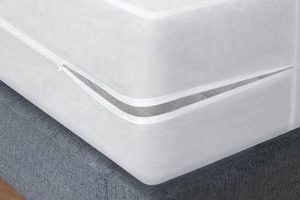
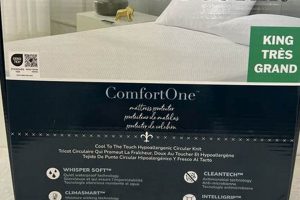
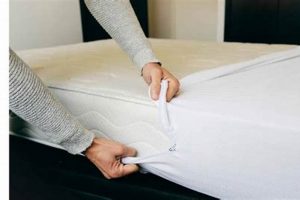
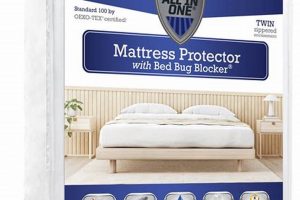
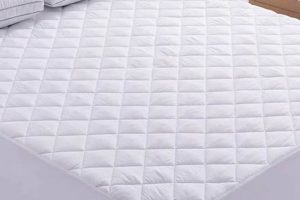
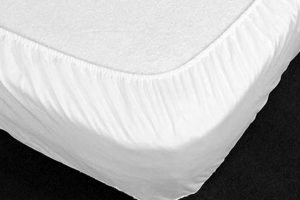
A mattress protector serves as a barrier encasing the mattress, shielding it from a variety of potential hazards. It is designed to safeguard the underlying mattress from liquids, stains, allergens, dust mites, and general wear and tear. As an example, the protector can prevent spilled drinks or accidental stains from penetrating the mattress fibers, thus preserving its cleanliness and prolonging its lifespan.
The utilization of a mattress protector offers several key advantages. It can contribute to a healthier sleep environment by reducing allergen exposure, especially beneficial for individuals with allergies or asthma. Protecting the mattress from damage also helps maintain its structural integrity and comfort level over time. In the past, simpler versions focused primarily on waterproofing; however, modern protectors often incorporate features like breathability and antimicrobial properties for enhanced performance and hygiene.
The subsequent sections will delve into specific types of mattress protectors, examining their materials, features, and appropriate applications. Furthermore, guidance will be provided on selecting the optimal protector to meet individual needs and preferences, along with instructions on proper care and maintenance to maximize its effectiveness.
Selecting and Utilizing a Mattress Protector Effectively
The following provides practical guidance for selecting and using a mattress protector to maximize its benefits and ensure optimal mattress protection.
Tip 1: Assess Specific Needs: Before purchase, evaluate the specific threats to the mattress. Allergy sufferers may prioritize protectors with allergen barriers, while families with young children might focus on waterproofing capabilities.
Tip 2: Consider Material Composition: Explore various materials, such as cotton, polyester, or polyurethane. Each offers different levels of breathability, waterproofing, and comfort. A breathable material will minimize heat buildup and promote air circulation.
Tip 3: Evaluate Waterproofing Capabilities: If liquid spills are a concern, verify the protectors waterproof rating. Look for protectors that explicitly state their ability to prevent liquid penetration. Some protectors offer full encasement, providing 360-degree protection.
Tip 4: Check for Allergen Barriers: For allergy management, ensure the protector features a tightly woven fabric designed to block dust mites and other allergens. Certification from reputable organizations can validate these claims.
Tip 5: Measure Mattress Dimensions Accurately: Ensure the protector fits snugly and securely. Incorrect sizing can compromise its protective capabilities and lead to discomfort.
Tip 6: Follow Manufacturers Care Instructions: Adhere to the manufacturer’s guidelines for washing and drying. Proper care will prolong the protector’s lifespan and maintain its effectiveness.
Tip 7: Replace When Necessary: Regular inspection for wear and tear is essential. Replace the protector if it shows signs of damage or reduced effectiveness.
By thoughtfully selecting and properly utilizing a mattress protector, the lifespan of the mattress can be extended, hygiene improved, and a more comfortable sleep environment established.
The final section will summarize the key benefits and reinforce the importance of implementing these strategies to safeguard a significant investment.
1. Protection against spills

Protection against spills is a primary function of a mattress protector, directly influencing mattress longevity and hygiene. The porous nature of mattress materials renders them highly susceptible to liquid absorption. Spills, if left unaddressed, penetrate the mattress core, creating environments conducive to mold and mildew growth. A mattress protector forms a barrier, preventing liquids from reaching the absorbent layers beneath. This functionality prevents degradation and costly replacements.
For example, a childs nighttime accident can introduce significant moisture into a mattress. Without protection, the fluid soaks deeply, leading to persistent odors and potential microbial proliferation. The same principle applies to beverages spilled during bedtime reading or pet-related accidents. A mattress protectors impermeable layer mitigates these risks, maintaining a clean and sanitary sleep surface. Furthermore, stain prevention correlates directly with the effective barrier the protector provides against spills. Difficult-to-remove stains, often associated with spilled liquids, are effectively avoided, preserving the aesthetic and resale value of the mattress.
In summary, liquid protection constitutes an indispensable feature of a mattress protector’s utility. By preventing fluid penetration, the protector preserves mattress integrity, inhibits microbial growth, and avoids persistent stains. Recognizing the critical role of spill protection reinforces the importance of mattress protectors in safeguarding sleep quality and long-term investment.
2. Allergen barrier implementation
Allergen barrier implementation represents a critical function of a mattress protector, directly impacting indoor air quality and the health of individuals susceptible to allergies. The design incorporates tightly woven fabrics or specialized membranes that impede the passage of allergens like dust mites, pet dander, pollen, and mold spores. This physical barrier prevents these allergens from accumulating within the mattress fibers, thereby reducing exposure during sleep. For individuals with allergic rhinitis, asthma, or eczema, the reduced allergen load can significantly alleviate symptoms such as sneezing, coughing, and skin irritation.
Mattress protectors with effective allergen barriers are often constructed from materials with pore sizes too small for dust mites to penetrate. These protectors may also feature zippered encasements, fully sealing the mattress to prevent allergen escape. Real-world examples include individuals experiencing improved sleep quality and reduced reliance on antihistamines after implementing a mattress protector with a proven allergen barrier. Certifications from organizations specializing in allergy control provide validation of a protector’s effectiveness in this regard. Furthermore, the barrier aids in preventing mold growth within the mattress core, as allergens often serve as a food source for mold.
In conclusion, allergen barrier implementation is a vital element of a mattress protector’s overall function. By actively reducing allergen accumulation, it contributes to a healthier sleep environment, particularly beneficial for allergy sufferers. Challenges exist in consistently maintaining the protectors integrity through regular washing and ensuring proper encasement. This understanding underscores the importance of selecting a protector with verified allergen barrier capabilities and adhering to recommended maintenance practices to maximize its benefits.
3. Dust mite prevention
Dust mite prevention constitutes a significant aspect of a mattress protector’s functionality. Mattresses, by their composition and use, provide an ideal habitat for dust mites, microscopic organisms that thrive on shed human skin cells. These mites and their fecal matter are potent allergens, contributing to respiratory problems and allergic reactions. A mattress protector creates a physical barrier, limiting dust mites’ access to the mattress core. This reduced access disrupts their life cycle and diminishes their population within the bedding. Effectively, the protector starves the dust mite population by restricting their food source, the shed skin cells. This preventive action is crucial for maintaining a hypoallergenic sleeping environment.
Real-world examples demonstrate the practical implications of dust mite prevention. Individuals experiencing nighttime allergies, such as sneezing, runny nose, or itchy skin, often find relief with the implementation of a mattress protector designed to block dust mites. The reduction in allergen exposure allows for improved sleep quality and diminished reliance on antihistamines. Furthermore, regular washing of the mattress protector helps to remove accumulated dust mites and their waste, further contributing to allergen control. Without a protector, dust mites can deeply embed within the mattress fibers, making complete removal exceedingly difficult. The presence of a removable, washable protector simplifies this hygiene process.
In summary, dust mite prevention is an indispensable function of a mattress protector, serving to minimize allergen exposure and enhance sleep quality. The protectors barrier effectively restricts dust mite proliferation within the mattress, promoting a healthier sleeping environment. Challenges include ensuring the protector is consistently used and properly maintained, but the benefits in terms of allergy management and improved hygiene are considerable. This understanding reinforces the importance of selecting a mattress protector with specific dust mite barrier properties and integrating it into a regular bedding hygiene routine.
4. Stain resistance maintenance
Stain resistance maintenance is a direct consequence of what a mattress protector does, contributing significantly to the lifespan and aesthetic appeal of the mattress. A mattress, owing to its absorbent nature, is highly vulnerable to staining from various sources, including spills, bodily fluids, and general soiling. Once a stain penetrates the mattress fibers, complete removal is often impossible, leading to discoloration, unpleasant odors, and potential degradation of the material. A mattress protector functions as a physical shield, preventing staining agents from reaching the mattress surface, thereby maintaining its original appearance and hygiene.
Consider the example of a beverage spill. Without a protector, the liquid is immediately absorbed, causing a visible and often permanent stain. A mattress protector, with its impermeable or stain-resistant layer, prevents this absorption, allowing for easy cleanup and preserving the mattress’s pristine condition. The protectors effectiveness in stain resistance reduces the need for harsh cleaning chemicals that can damage mattress materials. Furthermore, stain resistance plays a crucial role in maintaining the resale value of the mattress. A clean, unstained mattress commands a higher resale price compared to one with visible blemishes.
In conclusion, stain resistance maintenance is an integral function provided by a mattress protector, contributing directly to the cleanliness, longevity, and value of the underlying mattress. The protectors ability to prevent stains safeguards against unsightly blemishes, unpleasant odors, and potential material degradation. While proper usage and maintenance of the protector are essential to maximize its effectiveness, the benefits of stain resistance maintenance underscore its importance in preserving both the aesthetic and functional integrity of the mattress.
5. Longevity extension assurance

Longevity extension assurance is a direct consequence of a mattress protector’s design and functionality. By shielding the mattress from liquids, stains, allergens, and physical wear, the protector effectively mitigates factors that contribute to degradation and premature replacement. The protectors capacity to prevent spills and stains, for instance, reduces the need for aggressive cleaning methods, which often compromise the integrity of mattress materials. A barrier against allergens and dust mites minimizes internal contamination, thereby preventing the proliferation of organisms that can degrade foam and fiber components. Therefore, the protector helps to maintain the original structural integrity and comfort level of the mattress over a prolonged period.
Practical examples illustrate this connection. A mattress exposed to frequent spills without protection may exhibit sagging, mold growth, and a loss of support within a few years. Conversely, a mattress consistently protected from such threats can maintain its original firmness and shape for significantly longer. This extended lifespan translates to a tangible cost saving for the consumer. The protector also guards against abrasion from bedsheets and body weight, preventing the gradual breakdown of surface materials. Furthermore, mattress warranties are often voided by stains and damage, but with a protector, longevity extends as validity sustains without stain and damage.
In summary, longevity extension assurance is a central benefit offered by a mattress protector. By addressing various threats to mattress integrity, the protector contributes to a longer usable lifespan, preserving both comfort and value. While proper selection, maintenance, and timely replacement of the protector are essential, the fundamental principle remains: a protected mattress lasts longer, providing sustained support and hygiene. This understanding highlights the practical significance of investing in a quality mattress protector to safeguard a substantial bedding investment.
6. Comfort layer preservation
Comfort layer preservation is a critical function intimately linked to what a mattress protector accomplishes. The comfort layer, typically composed of materials such as memory foam, latex, or quilted fibers, directly influences the sleep experience. Damage or degradation of this layer compromises overall comfort and support. A mattress protector safeguards this layer from a variety of threats, contributing to its long-term integrity.
- Protection from Body Oils and Perspiration
Body oils and perspiration, over time, can break down the materials within the comfort layer, leading to a loss of resilience and support. A mattress protector acts as a barrier, preventing these substances from penetrating and causing premature wear. For example, memory foam, known for its sensitivity to heat and moisture, can degrade rapidly if exposed to consistent perspiration. The protector mitigates this effect, extending the lifespan of the foam and maintaining its conforming properties.
- Prevention of Dust Mite Infestation and Allergen Accumulation
Dust mites and allergens not only pose health risks but can also physically alter the comfort layer. As these substances accumulate within the fibers, they compress and distort the materials, diminishing their ability to provide cushioning and support. A mattress protector’s allergen barrier prevents this accumulation, preserving the comfort layer’s original loft and structure. This is particularly relevant for individuals with sensitivities to dust mites, as their presence often exacerbates the degradation process.
- Mitigation of Friction and Abrasion
Friction from bedsheets and body movement can gradually wear down the surface of the comfort layer. A mattress protector reduces this friction, minimizing abrasion and preventing the formation of depressions or uneven surfaces. Consider the example of frequent tossing and turning during sleep. Without protection, the constant rubbing can flatten the comfort layer in high-pressure areas, resulting in a less comfortable and supportive sleep surface. The protector serves as a buffer, absorbing much of this friction and preserving the layer’s evenness.
- Shielding from Spills and Stains
Spills and stains, beyond their aesthetic impact, can also compromise the comfort layer’s integrity. Liquids can seep into the materials, causing them to clump, harden, or develop mold. A mattress protector’s waterproof or stain-resistant properties prevent these issues, maintaining the comfort layer’s original texture and resilience. For instance, a coffee spill, if absorbed into the comfort layer, can create a hardened, uncomfortable spot, significantly impacting the sleep experience. The protector acts as a crucial line of defense against such incidents.
In summary, comfort layer preservation is a key benefit facilitated by a mattress protector. By safeguarding the comfort layer from moisture, allergens, abrasion, and spills, the protector contributes to a more comfortable, supportive, and hygienic sleep surface. This preservation directly translates to a longer lifespan for the mattress and a sustained level of sleep quality, highlighting the importance of incorporating a quality mattress protector into one’s bedding ensemble.
7. Hygiene enhancement support

Hygiene enhancement support constitutes a pivotal function of mattress protectors, directly contributing to a cleaner, healthier sleep environment. The mattress itself, being a large and frequently used surface, is prone to accumulating dust, allergens, bodily fluids, and other contaminants. A mattress protector serves as a removable and washable barrier, mitigating the accumulation of these undesirable elements and promoting overall hygiene. This support contributes to both the physical well-being and long-term cleanliness of the sleep surface.
- Barrier Against Bodily Fluids and Perspiration
Mattresses absorb perspiration, saliva, and other bodily fluids over time, creating an environment conducive to bacterial and fungal growth. A mattress protector, particularly one with waterproof properties, prevents these fluids from penetrating the mattress core. This barrier inhibits microbial proliferation and reduces the risk of unpleasant odors. For example, individuals who perspire heavily during sleep will find that a waterproof protector significantly reduces the accumulation of moisture within the mattress, contributing to a more hygienic sleep surface.
- Reduction of Allergen Accumulation
Mattress protectors, especially those designed with allergen barriers, minimize the accumulation of dust mites, pet dander, and pollen within the mattress fibers. These allergens can trigger respiratory problems and allergic reactions in susceptible individuals. By creating a barrier, the protector reduces exposure to these allergens, improving indoor air quality within the sleeping area. Real-world cases show that individuals with allergies or asthma often experience reduced symptoms after implementing a quality mattress protector.
- Prevention of Mold and Mildew Growth
Moisture trapped within a mattress can lead to the growth of mold and mildew, posing health risks and generating unpleasant odors. A mattress protector, particularly when combined with adequate ventilation, helps prevent moisture accumulation and inhibits fungal growth. For instance, in humid climates, a mattress without protection is highly susceptible to mold formation. The protector’s barrier and breathability features reduce the risk of such issues.
- Easy Maintenance and Washability
Unlike a mattress, which is difficult or impossible to clean thoroughly, a mattress protector is designed to be easily removed and washed. This allows for regular cleaning to remove accumulated dust, allergens, and bodily fluids, maintaining a high level of hygiene. Frequent washing of the protector eliminates potential sources of contamination and ensures a consistently clean sleep surface. The practicality of washing a protector versus cleaning an entire mattress underscores its value in hygiene management.
The aforementioned aspects of hygiene enhancement support converge to demonstrate the importance of mattress protectors. Acting as a washable shield against various contaminants, a protector promotes a healthier and more sanitary sleep environment. The implementation and consistent upkeep of a mattress protector serve as a proactive measure in maintaining long-term mattress cleanliness and safeguarding occupant health.
Frequently Asked Questions
The following addresses common inquiries regarding the protective capabilities of mattress protectors and their implications for mattress care and hygiene.
Question 1: Is a mattress protector truly necessary if the mattress warranty already covers stains?
While a warranty might cover certain stains, relying solely on it is inadvisable. Stain coverage often involves stringent requirements and may not address all types of damage. Furthermore, a protector prevents stains in the first place, eliminating the need for warranty claims and preserving the mattress’s cleanliness.
Question 2: Can a mattress protector completely prevent bed bug infestations?
A mattress protector with full encasement can significantly reduce the risk of bed bug infestations. By sealing the mattress, it prevents bed bugs from entering and establishing colonies within the mattress core. However, complete prevention requires diligence in inspecting and treating other potential harborage areas in the room.
Question 3: Does a mattress protector alter the feel or comfort of the mattress?
Some protectors, particularly those made from thicker or less breathable materials, may slightly alter the feel of the mattress. Selecting a protector with a soft, breathable fabric, such as cotton or Tencel, can minimize any noticeable change in comfort.
Question 4: How often should a mattress protector be washed?
A mattress protector should generally be washed every one to two months, or more frequently if spills or accidents occur. Adhering to the manufacturer’s care instructions ensures proper cleaning without compromising the protector’s functionality.
Question 5: Are all mattress protectors waterproof?
Not all mattress protectors offer waterproof protection. Some protectors are water-resistant, offering a degree of spill protection, while others are solely designed to protect against allergens and dust mites. Verifying the product’s specifications before purchase is essential.
Question 6: Can a mattress protector help with temperature regulation during sleep?
Certain mattress protectors are designed with breathable materials or cooling technologies to enhance temperature regulation during sleep. These protectors can help wick away moisture and promote airflow, preventing overheating and improving comfort.
In summary, a mattress protector serves multifaceted functions, extending beyond stain prevention to encompass hygiene, allergen control, and overall mattress longevity. Understanding its specific capabilities allows for informed decision-making in selecting and utilizing a protector effectively.
The next section provides a detailed comparison of different types of mattress protectors, exploring their features, benefits, and ideal applications.
Concluding Assessment
This exploration has illuminated the multifaceted role of a mattress protector. It serves not merely as a superficial barrier, but as a critical component in maintaining mattress hygiene, longevity, and overall sleep quality. From safeguarding against spills and allergens to preserving the comfort layer and inhibiting microbial growth, the functions enacted by a protector extend beyond simple preservation. Its impact on indoor air quality and mitigation of potential health hazards underscore its practical value.
The decision to utilize a mattress protector is a deliberate investment in long-term bedding care. Ongoing research and material innovations promise further enhancements in protector technology, increasing their efficacy and addressing evolving consumer needs. Therefore, a continued awareness of these advancements and proactive implementation of proper mattress protection strategies remain paramount for informed consumers.