



An overlay designed to enhance the comfort and support of a futon mattress can significantly improve the sleeping experience. This additional layer, typically made of materials like memory foam, latex, or down alternative, is placed directly on top of the futon mattress. As an example, a gel-infused memory foam addition can provide pressure relief and regulate temperature for a more restful sleep.
The addition of this layer offers several advantages. It can extend the lifespan of the futon mattress by protecting it from wear and tear. Furthermore, it provides enhanced support, which is particularly beneficial for individuals experiencing back pain or seeking improved spinal alignment. Historically, similar bedding enhancements have been used to adjust the firmness and comfort of sleeping surfaces to individual preferences, reflecting a long-standing desire for personalized sleep solutions.
The remainder of this discussion will delve into the various types available, factors to consider when selecting the appropriate option, and guidelines for care and maintenance to ensure longevity and optimal performance.
Optimizing Comfort
Selecting an appropriate overlay for a futon mattress requires careful consideration to ensure optimal comfort, support, and durability. The following guidelines offer practical advice for making an informed decision.
Tip 1: Material Selection: The composition directly impacts the feel and performance. Memory foam conforms to the body, offering pressure relief, while latex provides a more responsive and resilient surface. Down alternative offers a softer, plush feel. Evaluate personal preferences and needs before selecting a material.
Tip 2: Thickness Evaluation: Thickness determines the level of added support and cushioning. A thinner, one-inch addition primarily serves to protect the underlying futon. Thicker options, ranging from two to four inches, offer substantial improvements in comfort and support. Consider the existing futon’s firmness and desired level of change.
Tip 3: Density Assessment: For memory foam, density is a critical factor. Higher density options provide greater support and durability. A density of at least 3 lbs per cubic foot is recommended for enhanced support and longevity.
Tip 4: Temperature Regulation Features: Certain materials, such as gel-infused memory foam or latex, offer temperature regulation. These can be particularly beneficial for individuals who tend to sleep hot, providing a cooler and more comfortable sleep environment.
Tip 5: Size Compatibility Verification: Ensure the size perfectly matches the futon mattress dimensions. An ill-fitting addition can shift during use, compromising comfort and support.
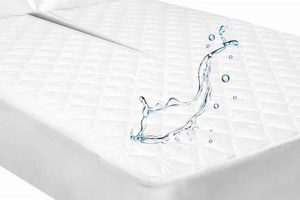
Tip 6: Protective Covering Consideration: Employing a mattress protector safeguards it from spills, stains, and allergens. This prolongs its lifespan and maintains a hygienic sleeping environment.
Tip 7: Support Requirements: Individuals with back pain or other musculoskeletal issues should opt for a firmer, more supportive addition. Consider options with zoned support to target specific areas of the body.
By carefully considering these factors, one can make an informed decision and select an addition that provides optimal comfort, support, and durability, significantly enhancing the sleeping experience on a futon mattress.
The subsequent sections will explore the cleaning and maintenance of futon overlays, ensuring continued performance and longevity.
1. Material Composition

Material composition is a foundational determinant of a futon mattress topper’s performance characteristics. The selection of materials like memory foam, latex, or down alternative directly impacts the level of support, comfort, and thermal regulation provided. For instance, a memory foam topper conforms to the sleeper’s body, distributing weight and alleviating pressure points. The density of the memory foam further influences its responsiveness and long-term durability; higher density options resist compression and provide consistent support over time. In contrast, latex offers a more resilient and buoyant feel, springing back quickly to its original shape. This inherent elasticity provides consistent support without the sinking sensation associated with memory foam. The selection of material, therefore, directly dictates the perceived comfort and support of the futon.
Practical implications of material choice extend beyond comfort. Certain materials exhibit hypoallergenic properties, making them suitable for individuals with sensitivities or allergies. Natural latex, for example, is inherently resistant to dust mites and mold. Down alternatives, typically composed of synthetic fibers, offer a similar advantage, as they do not harbor allergens as readily as natural down. Furthermore, material composition impacts the topper’s ability to regulate temperature. Gel-infused memory foam is designed to dissipate heat, providing a cooler sleeping surface compared to traditional memory foam. The impact of this effect is that temperature regulation can promote more comfortable rest.
In summary, the material composition is not merely a superficial characteristic, but rather a critical determinant of a futon mattress topper’s performance, durability, and suitability for individual needs. Careful consideration of material properties is essential for optimizing the sleep experience and ensuring a worthwhile investment. Neglecting this aspect can result in discomfort, inadequate support, and a shorter lifespan for the product.
2. Thickness dimensions

The thickness of a futon mattress topper directly influences its impact on comfort and support. Increased thickness generally translates to a more substantial alteration of the sleeping surface. A thin topper, typically one inch or less, primarily serves to protect the underlying futon mattress from wear and tear, offering minimal additional cushioning. In contrast, thicker toppers, ranging from two to four inches, provide a more significant enhancement in comfort, effectively distributing weight and relieving pressure points. The choice of thickness, therefore, hinges on the desired level of modification to the existing futon’s feel. For instance, a firm futon mattress might benefit from a thicker, plusher topper to introduce a softer sleeping surface, while a thinner topper might suffice for a futon that already possesses adequate softness but lacks sufficient pressure relief.
Thickness also impacts the topper’s ability to compensate for any deficiencies in the futon mattress itself. If the underlying futon exhibits sagging or uneven support, a thicker topper can help to mitigate these issues by creating a more uniform sleeping surface. However, it’s important to recognize that a topper cannot completely rectify severe deficiencies in the futon’s structure; it is primarily designed
to enhance, not replace, the existing mattress. Additionally, thickness can influence the overall profile of the sleeping arrangement. A very thick topper might raise the sleeping surface to an uncomfortable height, particularly in settings where the futon serves as a sofa during the day. Careful consideration of the overall dimensions is therefore essential to ensure compatibility with the intended use and environment.
In conclusion, the thickness dimension of a futon mattress topper is a critical factor that affects comfort, support, and overall usability. While a thicker topper generally offers greater potential for improvement, the optimal choice depends on the characteristics of the underlying futon mattress and the specific needs and preferences of the user. Understanding the interplay between thickness and other factors, such as material and density, is essential for making an informed purchase decision and maximizing the benefits of a futon mattress topper.
3. Density characteristics
Density, a crucial attribute of futon mattress toppers, particularly those composed of memory foam, significantly influences support, durability, and overall comfort. Higher density translates to a greater mass of material per unit volume, resulting in increased resistance to compression and enhanced structural integrity. Consequently, a high-density topper provides more substantial support, contouring effectively to the body and alleviating pressure points. Conversely, a low-density option compresses more readily under weight, offering less support and potentially leading to premature wear and tear. For instance, a memory foam topper with a density of 4 lbs per cubic foot offers greater support and longevity than one with a density of 2 lbs per cubic foot. The practical effect is that the 4 lbs density option will maintain its shape and supportiveness longer, providing consistent comfort over time.
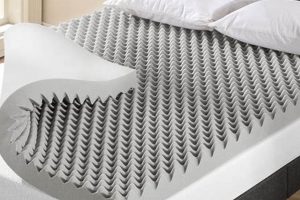
The importance of density extends to the topper’s ability to isolate motion. Higher density foams absorb and dissipate movement more effectively, minimizing the transfer of motion from one side of the futon to the other. This characteristic is particularly beneficial for couples or individuals who share a sleeping surface. Furthermore, density influences the thermal properties of the topper. Denser materials tend to retain more heat, which can be advantageous in colder climates but potentially problematic in warmer environments. Manufacturers often incorporate gel infusions or open-cell structures to mitigate heat retention in high-density memory foam, thereby enhancing breathability and temperature regulation. These added features are incorporated to create a more comfortable and adaptive sleeping environment.
In summary, the density characteristics of a futon mattress topper play a pivotal role in determining its performance and suitability for individual needs. High-density options offer enhanced support, durability, and motion isolation but may require careful consideration of thermal properties. Understanding the relationship between density and these factors is essential for making an informed purchasing decision and ensuring a satisfying sleep experience. Selecting the correct density characteristics can be challenging, but it can make the difference between a comfortable night’s sleep or one filled with discomfort.
4. Support capability

The support capability of a futon mattress topper is a critical determinant of its overall utility and effectiveness. This aspect refers to the topper’s ability to provide adequate spinal alignment, pressure relief, and consistent surface firmness. Insufficient support can exacerbate existing musculoskeletal issues, while excessive firmness may lead to discomfort and restricted circulation. A topper’s support capability directly influences the sleeper’s posture, and, by extension, the quality of rest obtained. For example, a memory foam topper with inadequate density might initially conform to the body but subsequently compress excessively, failing to provide sustained support and potentially leading to lower back pain. Similarly, a latex topper that is too soft might not offer sufficient resistance, resulting in spinal misalignment and discomfort.
Conversely, a well-designed topper with appropriate support characteristics can significantly improve sleep quality. By distributing weight evenly and alleviating pressure points, it reduces stress on joints and muscles, promoting relaxation and reducing the likelihood of waking up with aches and pains. This is particularly relevant for individuals who sleep on their sides, as a supportive topper can prevent excessive pressure on the shoulders and hips. The appropriate support further impacts the longevity of the futon mattress itself. By reducing the direct stress and wear on the underlying mattress, the topper extends its lifespan, delaying the need for replacement. This presents a tangible economic benefit, particularly given the cost of replacing a futon mattress.
Ultimately, understanding the connection between support capability and the selection of a futon mattress topper is paramount. The right topper can transform an uncomfortable or inadequate futon into a supportive and restful sleeping surface. However, neglecting this aspect can lead to discomfort, exacerbated health issues, and a shortened lifespan for both the topper and the underlying futon. Therefore, careful consideration of the topper’s materials, density, and overall construction is essential to ensure it provides the necessary support for a comfortable and healthful sleep experience.
5. Temperature regulation
Temperature regulation is a significant factor in optimizing the comfort and usability of a futon mattress topper. The ability of a topper to dissipate heat or maintain a comfortable temperature directly impacts sleep quality, particularly for individuals sensitive to thermal fluctuations. Material selection and construction techniques play crucial roles in determining a topper’s thermal performance.
- Material Breathability and Airflow
The inherent breathability of a topper’s materials dictates its ability to facilitate airflow and dissipate heat. Materials such as open-cell memory foam or natural latex promote air circulation, preventing the buildup of heat and moisture. In contrast, closed-cell foams and synthetic materials may trap heat, leading to discomfort. Real-world implications include individuals who experience night sweats or live in warmer climates benefiting significantly from breathable topper materials. These breathable materials prevent the body from overheating and causing disturbances in rest.
- Gel Infusions and Phase Change Materials
Incorporating gel infusions or phase change materials (PCMs) into the topper’s construction can enhance its temperature regulation capabilities. Gel infusions typically consist of gel beads or swirls integrated into the foam structure, which absorb and dissipate heat. PCMs, on the other hand, are substances that change phase (e.g., from solid to liquid) at specific temperatures, absorbing or releasing heat in the process. These technologies help maintain a more consistent temperature throughout the night. For example,
a gel-infused memory foam topper can provide a cooler sleeping surface compared to traditional memory foam, reducing the likelihood of overheating. - Construction Techniques and Layering
The construction techniques employed in manufacturing a topper can also influence its thermal performance. Layering different materials with varying breathability characteristics can create a more balanced temperature profile. For instance, a topper might consist of a layer of open-cell memory foam for breathability, followed by a layer of denser foam for support. This layered approach allows for both temperature regulation and adequate support. In colder climates, manufacturers might opt for construction techniques that minimize airflow, prioritizing heat retention.
- Cover Fabrics and Moisture Wicking
The fabric used for the topper’s cover plays a vital role in moisture management and overall breathability. Fabrics with moisture-wicking properties, such as bamboo or certain synthetic blends, can draw sweat away from the body, keeping the sleeper dry and comfortable. These fabrics promote evaporation, preventing the buildup of moisture and reducing the risk of overheating. Real world examples include topper covers made with these fabrics being highly regarded by customers since moisture-wicking properties are a sought-after feature.
These facets of temperature regulation directly affect the user experience with a futon mattress topper. By carefully considering material selection, construction techniques, and additional features like gel infusions or moisture-wicking fabrics, manufacturers can create toppers that provide optimal thermal comfort for a wide range of individuals and climates. Ultimately, a topper with effective temperature regulation enhances sleep quality and overall satisfaction.
6. Size compatibility
Ensuring appropriate dimensions is crucial when selecting a futon mattress topper. The objective is to achieve a precise fit, avoiding overhang or insufficient coverage. Incompatibility in size compromises comfort and negates potential benefits.
- Standard Futon Dimensions
Futon mattresses adhere to standard size designations, mirroring those of conventional mattresses: twin, full, queen, and occasionally, king. Futon frames and, by extension, overlays must correspond to these standardized measurements. Deviation from these dimensions results in a poorly fitted arrangement, impacting aesthetic appeal and functional performance. For example, a queen-size overlay placed on a full-size futon would present excess material, hindering folding functionality and presenting a visually unappealing arrangement.
- Impact on Comfort and Support
A properly sized addition evenly distributes support across the entire sleeping surface. Oversized options bunch up, creating uneven pressure points and compromising spinal alignment. Undersized variants leave portions of the futon exposed, negating the enhanced comfort the overlay is intended to provide. The practical effect is that individuals may experience discomfort, particularly in areas where the overlay does not adequately cover the futon surface. Unevenness or shifting during sleep may also occur.
- Functionality Considerations
Many futons function as both sofas and beds. The overlay must not impede this dual functionality. An ill-fitting addition can hinder the folding mechanism, preventing smooth transitions between configurations. This is particularly critical for futons used frequently as seating, where ease of conversion is paramount. For instance, an oversized, thick overlay may add considerable bulk, making it difficult or impossible to fold the futon into a sofa configuration.
- Longevity and Maintenance
An accurately sized overlay minimizes stress on the seams and materials, extending its lifespan. Excess material is prone to snagging and tearing, while insufficient coverage exposes the futon mattress to wear and tear. Proper fit also facilitates easier cleaning and maintenance. Overhang complicates the process of removing and replacing the addition, while insufficient coverage necessitates more frequent cleaning of the exposed futon mattress. Accurately sized coverings ensure better overall hygiene of the futon.
Size compatibility directly influences the overall effectiveness of a futon mattress topper. Selecting the correct dimensions ensures optimal comfort, support, functionality, and longevity. Disregarding this factor compromises the intended benefits and potentially shortens the lifespan of both the overlay and the futon mattress.
Frequently Asked Questions
This section addresses common inquiries regarding enhancements designed to improve the comfort and support of futon mattresses. Understanding these points facilitates informed decision-making.
Question 1: What materials are commonly used in a futon mattress topper, and how do they differ?
Common materials include memory foam, latex, and down alternatives. Memory foam conforms to the body, providing pressure relief; latex offers resilience and responsiveness; down alternatives offer a softer, plush feel. Each possesses unique characteristics influencing comfort and support.
Question 2: How does the thickness of a futon mattress topper impact its performance?
Thickness determines the level of added support and cushioning. Thinner options primarily protect the futon mattress, while thicker options significantly enhance comfort and support. The choice depends on the existing futon’s firmness and desired level of change.
Question 3: What is the significance of density in memory foam futon mattress toppers?
Density is a critical factor for memory foam. Higher density options offer greater support and durability. A density of at least 3 lbs per cubic foot is generally recommended for enhanced support and longevity.
Question 4: How can a futon mattress topper improve temperature regulation during sleep?
Certain materials, such as gel-infused memory foam or latex, offer temperature regulation. These materials dissipate heat, providing a cooler and more comfortable sleeping environment, particularly for individuals prone to overheating.
Question 5: How can I ensure that a futon mattress topper fits my futon mattress correctly?
Accurate measurement of the futon mattress is crucial. Ensure the chosen topper’s dimensions precisely match the mattress size. An ill-fitting topper can shift during use, compromising comfort and support.
Question 6: How does a mattress protector contribute to the longevity of a futon mattress topper?
A mattress protector safeguards the topper from spills, stains, and allergens. This extends its lifespan and maintains a hygienic sleeping environment. Regular use of a protector is advisable.
Selecting an appropriate topper involves careful consideration of materials, thickness, density, temperature regulation, size compatibility, and protective measures. These factors collectively influence the topper’s performance and lifespan.
The following section will delve into the cleaning and maintenance procedures essential for preserving the quality and extending the lifespan of futon mattress toppers.
Conclusion
The preceding discussion has explored various aspects of the “futon mattress topper,” emphasizing material composition, thickness dimensions, density characteristics, support capab
ility, temperature regulation, and size compatibility. Understanding these factors is paramount for selecting a product that effectively enhances the comfort and longevity of a futon mattress. A judiciously chosen addition addresses specific needs, improving sleep quality and overall user satisfaction.
Proper selection and maintenance of a “futon mattress topper” represent a worthwhile investment. Consideration of the aforementioned elements ensures that this investment yields optimal returns in terms of comfort, support, and durability. Continued awareness of advancements in materials and design will further facilitate informed decision-making in the future, allowing individuals to maximize the utility and lifespan of their futon sleeping arrangements.

![Best King Pillow Top Mattress Topper [Review] | Organic & Natural Mattress Buyer’s Guide: Non-Toxic Sleep Solutions](https://mattressworldpa.com/wp-content/uploads/2025/07/th-6122-300x200.jpg "Best King Pillow Top Mattress Topper [Review] Organic & Natural Mattress Buyer’s Guide: Non-Toxic Sleep Solutions")