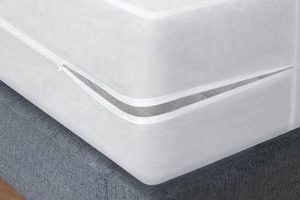
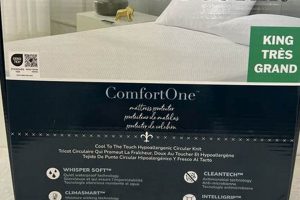
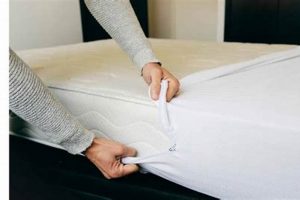
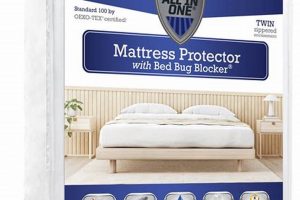
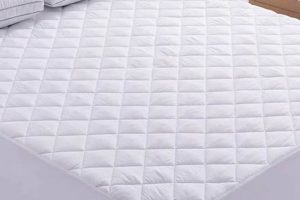
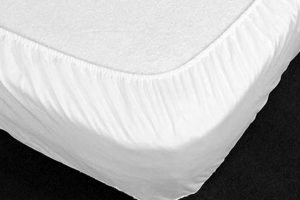
This bedding accessory is designed to encase a mattress, providing a protective layer against spills, stains, allergens, and wear. Its distinguishing characteristic lies in its ability to accommodate thicker mattresses, typically those exceeding standard depths. For example, a mattress measuring 15 inches in height would necessitate a protector with sufficient pocket depth to ensure a secure and wrinkle-free fit.
The significance of utilizing such a protector stems from its capacity to extend the lifespan of the mattress. By preventing contaminants from penetrating the mattress fibers, it maintains hygiene and mitigates the potential for allergen buildup. Furthermore, it safeguards the mattress warranty, as many warranties are voided by stains or damage. The increasing popularity of deeper mattresses, often featuring pillow tops or specialized comfort layers, has driven the demand for protectors designed to fit these non-standard dimensions.
The following discussion will delve into the various types of materials used in manufacturing these protectors, explore the key features to consider when selecting one, and outline proper care and maintenance procedures to maximize its effectiveness.
Selection and Use Guidance
The proper selection and use of this bedding component are crucial for maximizing its protective capabilities and ensuring a comfortable sleep environment.
Tip 1: Measure Mattress Depth: Accurate measurement of the mattress thickness is paramount. A measurement that is too short will result in a protector that cannot be properly installed. Conversely, an excessively deep pocket may lead to a loose fit and diminished protection.
Tip 2: Consider Material Composition: Material choice impacts breathability, waterproofness, and allergen resistance. Options range from cotton and bamboo blends to synthetic materials like polyurethane. Evaluate individual needs and sensitivities when selecting a material.
Tip 3: Prioritize Waterproofing Capabilities: The presence of a waterproof membrane safeguards the mattress from liquid spills and accidents. Verify the level of waterproofness offered, paying attention to the materials used and any certifications. A robust barrier prevents fluid penetration, preserving mattress integrity.
Tip 4: Evaluate Allergen Protection Features: Individuals with allergies should consider protectors specifically designed to block dust mites and other allergens. Look for certifications that validate the protector’s ability to inhibit allergen passage. A tightly woven fabric with small pore sizes offers superior allergen barrier performance.
Tip 5: Adhere to Washing Instructions: Washing the protector according to manufacturer’s instructions is essential for maintaining hygiene and effectiveness. High heat can damage certain materials, diminishing their waterproof or allergen-resistant properties. Proper laundering prolongs the lifespan of the protector.
Tip 6: Inspect for Wear and Tear: Regular inspection for signs of wear, such as rips or tears, is recommended. Compromised areas negate the protector’s effectiveness, leaving the mattress vulnerable to damage. Prompt replacement is advised upon detection of significant deterioration.
Utilizing this guidance will help ensure optimal protection and longevity of the mattress while promoting a healthier sleep environment.
The following section provides an overview of the different types available on the market.
1. Mattress depth accommodation

Mattress depth accommodation represents a core functional attribute of a deep pocket mattress protector. It dictates the protector’s suitability for use with mattresses exceeding standard thicknesses, a prevalent characteristic in modern bedding designs.
- Pocket Depth Measurement
Pocket depth refers to the vertical dimension of the protector’s sidewall, indicating the maximum mattress thickness it can encase. Inadequate pocket depth results in a protector that cannot be securely fitted, compromising its protective function and potentially damaging the mattress fabric. Examples include a 16-inch mattress requiring a protector with a minimum pocket depth of 16 inches; a mismatch causes slippage and incomplete coverage.
- Elasticized Skirting Systems
Elasticized skirting or corner straps contribute to secure mattress depth accommodation. These features provide a degree of adjustability, ensuring a snug fit even if the mattress depth slightly deviates from the protector’s specified capacity. Variations in elastic quality and construction affect the long-term elasticity and effectiveness of the system. A poorly designed system negates the benefits of adequate pocket depth.
- Impact on Protector Functionality
Proper mattress depth accommodation directly correlates with the protector’s ability to perform its intended function. A well-fitted protector provides a consistent barrier against liquids, allergens, and physical wear. Conversely, a protector lacking sufficient depth or a secure fitting mechanism is prone to shifting, bunching, and exposing portions of the mattress to potential damage. Gaps created by improper fit negate the protective barrier.
- Influence on Sleep Comfort
Inadequate depth accommodation affects sleep comfort. A poorly fitted protector can create uncomfortable pressure points, disrupt mattress contouring, or generate noise due to friction between the protector and the mattress or bed frame. These factors contribute to restlessness and reduced sleep quality. A taut, secure fit, achieved through appropriate depth accommodation, minimizes these disturbances.
The intricacies of mattress depth accommodation within the context of deep pocket mattress protectors directly influence the effectiveness of the product. A well-engineered design, encompassing both appropriate pocket depth and a reliable fitting mechanism, is paramount for achieving optimal mattress protection and preserving sleep quality. The absence of adequate accommodation renders the protector functionally deficient.
2. Material breathability

Material breathability is a critical attribute directly influencing the efficacy and user experience of a deep pocket mattress protector. It governs the passage of air and moisture vapor through the protector’s fabric, impacting temperature regulation and humidity levels within the sleep environment. Insufficient breathability traps heat and moisture, creating an uncomfortable microclimate conducive to bacterial growth and allergen accumulation, ultimately undermining the protector’s intended hygienic function. Consider a protector made from a non-breathable, impermeable material such as low-grade vinyl. While it may offer excellent waterproofing, it severely restricts airflow, leading to overheating, night sweats, and potential skin irritation.
The selection of breathable materials, such as cotton, bamboo, or specifically engineered synthetic fabrics, mitigates these adverse effects. These materials facilitate the evaporation of moisture, maintaining a more comfortable and hygienic sleep surface. For example, a deep pocket mattress protector constructed from a tightly woven cotton fabric provides a reasonable level of breathability, allowing for some air circulation while still offering protection against spills and allergens. Moreover, breathable waterproof membranes, often composed of polyurethane laminates, strike a balance between liquid impermeability and vapor permeability, effectively preventing moisture from penetrating the mattress while allowing for air exchange. This technology is particularly important in deep mattresses, where trapped moisture can be significant due to the increased volume of filling material.
In summary, material breathability is not merely a comfort factor but a functional necessity in a deep pocket mattress protector. It directly impacts the protector’s ability to maintain a hygienic sleep environment and prevent the buildup of moisture and allergens. The selection of appropriate breathable materials and the incorporation of breathable waterproof membranes are essential design considerations to ensure the protector effectively safeguards the mattress while promoting a comfortable and healthy sleep experience. The failure to prioritize breathability can lead to compromised hygiene, reduced comfort, and a diminished lifespan of both the protector and the underlying mattress.
3. Waterproof barrier
The inclusion of a waterproof barrier is a critical performance characteristic in a deep pocket mattress protector. It directly addresses the need to safeguard mattresses, particularly thicker, more expensive models, from liquid damage, staining, and the consequent proliferation of mold and bacteria.
- Material Composition of Waterproof Layers
The waterproof layer typically consists of a membrane laminated to a fabric backing. Common materials include polyurethane (PU), polyethylene (PE), and thermoplastic polyurethane (TPU). PU is favored for its balance of waterproofness, breathability, and flexibility. PE offers cost-effectiveness but lacks breathability, while TPU combines high performance with environmental considerations. A flawed membrane, or one susceptible to delamination after repeated washing, negates the protective benefits. For example, a low-grade protector using thin PE may tear easily, compromising the waterproof barrier.
- Mechanisms of Liquid Protection
The waterproof barrier functions by physically preventing liquids from penetrating the mattress fibers. This protection extends to spills, bodily fluids (sweat, urine), and cleaning solutions. The effectiveness depends on the integrity of the membrane and the seams. Seam construction is crucial, as inadequately sealed seams allow liquid to seep through. A robust barrier preserves the mattress’s condition and hygiene, mitigating risks associated with allergen accumulation and microbial growth. A protector subjected to a simulated urine spill for a defined duration and exhibiting zero penetration demonstrates effective liquid protection.
- Breathability Considerations
While waterproofness is paramount, breathability is also significant for user comfort. Non-breathable waterproof layers can trap heat and moisture, leading to discomfort and potential skin irritation. Modern protectors utilize breathable waterproof membranes that allow air and moisture vapor to pass through while preventing liquid penetration. These membranes employ microporous structures or hydrophilic polymers. Protectors lacking breathable layers may cause condensation on the mattress surface, indicating inadequate moisture management. A protector utilizing a TPU membrane will generally offer superior breathability compared to one using PE.
- Impact on Mattress Longevity and Warranty
The waterproof barrier directly contributes to mattress longevity by preventing damage from spills and stains, which can degrade mattress materials and void warranties. Mattress warranties often exclude coverage for damage caused by liquid exposure. Utilizing a deep pocket mattress protector with a reliable waterproof barrier can preserve the warranty and extend the usable lifespan of the mattress, representing a long-term cost saving. The presence of a large, untreated stain on a mattress may invalidate the manufacturer’s warranty claim.
The selection of a deep pocket mattress protector with a dependable waterproof barrier is an investment in the long-term protection and hygiene of the mattress. Attention to material composition, seam construction, and breathability is essential for maximizing the benefits of this feature. Inadequate waterproof protection compromises the mattress, potentially leading to costly replacements and health concerns.
4. Allergen resistance
The allergen resistance of a deep pocket mattress protector directly impacts indoor air quality and the well-being of individuals susceptible to allergic reactions. A primary function of such a protector is to create a barrier against dust mites, pet dander, mold spores, and other common allergens that accumulate within mattresses over time. Without this barrier, these allergens permeate the sleeping environment, potentially triggering or exacerbating respiratory issues, skin irritations, and other allergic symptoms. For example, individuals with asthma may experience increased difficulty breathing if exposed to high concentrations of dust mite allergens released from an unprotected mattress. The protector’s tightly woven fabric and, in some cases, specialized allergen-blocking membranes, act as a physical shield, preventing these particles from reaching the sleeper.
The effectiveness of a protector’s allergen resistance is determined by several factors, including the material used, the weave density, and the presence of antimicrobial treatments. Materials like tightly woven microfiber or those incorporating allergen-blocking technology are demonstrably more effective than loosely woven fabrics. The pore size of the fabric is crucial; smaller pores prevent the passage of even the smallest allergen particles. Additionally, some protectors are treated with antimicrobial agents to inhibit the growth of mold and bacteria, further reducing the potential for allergen production within the mattress. Consider a scenario where two identical mattresses are used for the same duration. One is protected by a high-quality, allergen-resistant deep pocket mattress protector, while the other is unprotected. After a year, testing reveals significantly higher concentrations of dust mites and allergens within the unprotected mattress compared to the protected one.
In conclusion, allergen resistance is a vital attribute of deep pocket mattress protectors, offering a practical means of mitigating allergen exposure within the sleeping environment. The use of such protectors, particularly those with high-quality materials and effective allergen-blocking technology, contributes to improved indoor air quality and reduced allergic symptoms. While not a complete solution for allergy management, these protectors serve as a valuable component in a comprehensive strategy for creating a healthier sleep environment. Overlooking this aspect may diminish the overall benefit derived from using a mattress protector.
5. Secure fit
A secure fit is paramount to the functionality of a deep pocket mattress protector. The design, intended to accommodate thicker mattresses, directly necessitates a secure and stable encasement to ensure protection and comfort. Absent a secure fit, the protector fails to effectively shield the mattress from spills, allergens, and wear, negating its intended purpose. The cause-and-effect relationship is direct: inadequate fit results in diminished protection and potential damage to the mattress. Consider a scenario where a protector, despite having adequate pocket depth, lacks sufficient elastic or securing mechanisms. This results in slippage and bunching, leaving portions of the mattress exposed to potential contamination and diminishing overall comfort.
The practical significance of a secure fit extends to the longevity of the mattress. A protector that remains firmly in place prevents friction and abrasion between the mattress and bedding, reducing wear and tear over time. Moreover, a secure fit ensures the protector remains smooth and taut, contributing to a more comfortable sleep surface. Conversely, a loose-fitting protector can create pressure points and disrupt the mattress’s natural contour, leading to discomfort and restless sleep. The presence of robust elastic edging, adjustable straps, or other securement features is essential for achieving and maintaining a proper fit, especially on thicker, heavier mattresses.
In conclusion, a secure fit is not merely a desirable attribute of a deep pocket mattress protector; it is a fundamental requirement for its efficacy and overall value. The absence of a secure fit compromises the protector’s ability to safeguard the mattress, maintain hygiene, and provide a comfortable sleep environment. Therefore, careful consideration of fit and securing mechanisms is crucial when selecting a deep pocket mattress protector, directly impacting the lifespan and condition of the underlying mattress. The ability to remain in place during typical use, cleaning, and repositioning is key for achieving sustained protection.
6. Ease of care
Ease of care is a significant factor influencing the practicality and long-term utility of a deep pocket mattress protector. The ability to maintain the cleanliness and hygiene of this bedding accessory directly affects its effectiveness in protecting the mattress and prolonging its lifespan.
- Washability
Washability refers to the protector’s ability to withstand regular laundering without compromising its structural integrity or protective properties. Machine washability is a desirable attribute, as it simplifies the cleaning process. Protectors requiring specialized cleaning methods, such as dry cleaning, may present a practical barrier to routine maintenance. A protector that shrinks excessively, loses its waterproof qualities, or suffers seam damage after a single wash cycle demonstrates poor washability.
- Drying Requirements
The drying requirements impact the overall ease of care. Protectors that can be tumble-dried on low heat offer convenience. Air drying may be necessary for certain materials to prevent shrinkage or damage to waterproof membranes, but this method can be time-consuming. Extended drying times can also increase the risk of mildew growth if the protector is not thoroughly dried. A protector that takes several days to air dry presents a logistical challenge for regular cleaning.
- Stain Resistance
Inherent stain resistance reduces the frequency and intensity of cleaning required. Some materials, such as those treated with stain-repellent finishes, are less susceptible to permanent staining from spills or bodily fluids. This characteristic simplifies spot cleaning and reduces the likelihood of requiring a full wash cycle to address minor stains. A protector that readily absorbs stains requires more frequent and rigorous cleaning to maintain its appearance and hygiene.
- Durability of Protective Features
The durability of protective features, such as waterproofing and allergen barriers, during cleaning is essential. Repeated washing can degrade these features, diminishing the protector’s effectiveness over time. Protectors that retain their protective qualities after numerous wash cycles offer greater long-term value. A protector where the waterproof membrane delaminates or the allergen barrier becomes compromised after a few washes demonstrates poor durability of protective features.
The ease of care associated with a deep pocket mattress protector is a critical consideration for consumers. Protectors that are easy to wash, dry, and maintain offer greater convenience and ensure long-term hygiene and protection for the mattress. Neglecting this aspect can lead to increased maintenance efforts, diminished protective capabilities, and a reduced lifespan for both the protector and the underlying mattress.
Frequently Asked Questions
The following questions address common inquiries and concerns regarding deep pocket mattress protectors, providing factual information to assist in informed decision-making.
Question 1: What constitutes a “deep pocket” in the context of mattress protectors?
A “deep pocket” typically refers to a mattress protector designed to accommodate mattresses exceeding standard thicknesses, generally ranging from 13 to 22 inches. The specific depth a protector is designed for should be clearly stated.
Question 2: How does a deep pocket mattress protector differ from a standard mattress protector?
The primary distinction lies in the pocket depth. Standard protectors are designed for mattresses with a thickness of approximately 8 to 12 inches, whereas deep pocket protectors are tailored for thicker mattresses, ensuring a secure and complete fit.
Question 3: What are the potential consequences of using a standard mattress protector on a deep mattress?
Attempting to use a standard protector on a deep mattress often results in an inadequate fit, leaving portions of the mattress exposed. This compromises protection against spills, allergens, and wear, and can also damage the protector.
Question 4: How is the correct size of a deep pocket mattress protector determined?
Accurate measurement of the mattress thickness is crucial. The protector’s stated pocket depth should match or slightly exceed the mattress thickness to ensure a proper fit. It is advisable to consult the manufacturer’s guidelines for specific sizing recommendations.
Question 5: Are all deep pocket mattress protectors waterproof?
Waterproofness is not an inherent feature of all deep pocket mattress protectors. The presence of a waterproof membrane, typically made of polyurethane or similar materials, must be explicitly stated in the product description.
Question 6: How frequently should a deep pocket mattress protector be cleaned?
The cleaning frequency depends on individual usage and potential exposure to spills or allergens. As a general guideline, washing the protector every 1-2 months is recommended. Adherence to the manufacturer’s care instructions is essential to maintain the protector’s integrity.
These FAQs provide a foundation for understanding the key characteristics and considerations associated with deep pocket mattress protectors. Further research and evaluation of specific product features are encouraged to meet individual needs.
The following section will explore common problems and solutions related to deep pocket mattress protectors.
Conclusion
This exploration has illuminated the critical attributes and considerations associated with a deep pocket mattress protector. The analysis has emphasized the importance of precise sizing, material selection, and appropriate care to maximize the protector’s effectiveness in safeguarding mattresses, particularly those with substantial depth. Waterproofing capabilities, allergen resistance, secure fit, and ease of maintenance have been identified as key determinants of performance and long-term value.
The utilization of a properly selected and maintained deep pocket mattress protector represents a proactive investment in mattress longevity, sleep hygiene, and overall well-being. Continued research and technological advancements will likely yield further improvements in material science and design, enhancing the protective capabilities and user experience. Prioritizing informed decision-making in the selection and use of these protectors is essential for achieving optimal results.