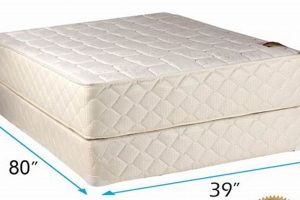
The discarding of a bed’s foundational support system, in conjunction with its corresponding sleeping surface, constitutes a logistical challenge for many households. This process frequently involves detaching the two components and arranging for their appropriate disposal, whether through municipal services, donation, or private hauling. For example, a resident upgrading their bedroom set might undertake this action.
Proper handling of such items offers multiple advantages. It prevents illegal dumping, ensures environmental responsibility by facilitating recycling where possible, and frees up valuable space within a residence. Historically, discarding these large items presented significant burdens; however, evolving waste management practices and accessible disposal options now provide more streamlined solutions.
The following sections will detail strategies for dismantling these items, explore available disposal avenues, and provide guidance on selecting the most suitable method based on individual circumstances and local regulations.
Essential Strategies for Mattress and Box Spring Disposal
The proper discarding of these bulky items requires careful planning and execution. The following tips provide guidance on navigating the process efficiently and responsibly.
Tip 1: Assess Local Regulations. Before commencing, research local municipal waste disposal guidelines. Many municipalities have specific rules regarding large item pick-up, including size restrictions, preparation requirements, and scheduled collection dates.
Tip 2: Dismantle Components Where Feasible. Reducing the size of the items facilitates handling and transportation. Depending on construction, the box spring may be disassembled to reduce its overall volume.
Tip 3: Protect Against Infestation. Thoroughly inspect the mattress and box spring for signs of bed bugs or other pests. Enclose infested items in tightly sealed plastic before removal to prevent further spread.
Tip 4: Utilize Protective Gear. When handling these heavy items, wear gloves and appropriate footwear to prevent injuries. A back brace may be considered for individuals with pre-existing back conditions.
Tip 5: Consider Donation Options. If the mattress and box spring are in usable condition, explore donation to local charities or shelters. Ensure the organization accepts such items and adheres to health and safety standards.
Tip 6: Explore Recycling Facilities. Some recycling centers specialize in mattress and box spring recycling. These facilities dismantle the items and recover valuable components, such as metal springs and wood.
Tip 7: Enlist Professional Removal Services. If DIY disposal proves challenging, consider hiring a professional junk removal service. These companies are equipped to handle bulky items safely and efficiently.
Adhering to these guidelines ensures a streamlined disposal process, minimizing potential difficulties and promoting responsible waste management practices.
The subsequent sections will delve into specific aspects of mattress and box spring disposal, providing further information on available resources and best practices.
1. Dismantling Complexity

The degree of effort required to disassemble these items before disposal significantly impacts the overall process. This complexity stems from variations in construction materials, fastening methods, and overall structural integrity.
- Construction Materials and Tools Required
Mattresses and box springs utilize a range of materials, including steel springs, wooden frames, fabric covers, and padding. Disassembly may necessitate various tools, such as pliers, screwdrivers, staple removers, and potentially cutting implements. The specific tools needed depend on the construction methods employed by the manufacturer.
- Fastening Methods and Accessibility
Components are typically secured using staples, nails, screws, or adhesives. The density and location of these fasteners can significantly increase dismantling difficulty. Furthermore, accessing concealed fasteners beneath layers of fabric and padding adds to the challenge.
- Structural Integrity and Safety Considerations
The internal components, particularly the steel springs under tension, pose potential safety hazards during disassembly. Improper handling may result in injury. Additionally, compromised structural integrity due to wear and tear can complicate the process.
- Time Investment and Physical Exertion
Disassembly can be a time-consuming and physically demanding task, especially for individuals with limited physical strength or mobility. The overall time investment varies depending on the item’s size, construction, and the dismantler’s experience.
In summary, the complexity involved in dismantling these items necessitates careful assessment of required tools, potential safety risks, and the physical capabilities of the individual undertaking the task. This assessment informs the decision to either proceed with DIY disassembly or seek professional assistance.
2. Disposal Options

Available routes for discarding a used mattress and box spring directly influence the overall undertaking. The available choices determine the logistical efforts, costs, and environmental impact associated with the procedure. Therefore, carefully considered disposal alternatives are a critical component of proper execution. The absence of suitable local programs can necessitate more expensive or environmentally damaging options, such as landfill disposal.
For example, municipalities with robust waste management systems may offer scheduled bulky item pickups, simplifying. Donation to charitable organizations represents a viable alternative, provided the items are in acceptable condition and meet the organization’s standards. Mattress recycling programs, where available, minimize environmental impact by recovering valuable materials. The practical application of this understanding lies in proactively researching and selecting the most appropriate disposal pathway based on individual circumstances and local resources.
Selecting the most efficient choice poses challenges; the absence of recycling programs or donation opportunities in certain areas. Navigating complex municipal regulations for waste disposal can further complicate the task. Understanding the interplay between available routes and resource implications enables households to manage their waste effectively while remaining compliant with regulations.
3. Local Regulations

The lawful discarding of mattresses and box springs is intrinsically linked to municipal ordinances. Local authorities often establish specific guidelines governing the disposal of bulky waste items, directly impacting how residents must approach this task. Non-compliance can result in fines or rejection of the waste, necessitating alternative and potentially more costly disposal methods.
Examples of such regulations include limitations on the size and weight of items accepted for curbside collection, requirements for advance scheduling of pickups, and stipulations regarding the proper wrapping or containment of the mattress and box spring to prevent the spread of pests. Some municipalities may mandate that these items be transported to designated waste transfer stations or recycling centers. In certain regions, incentives or penalties may be in place to encourage or discourage specific disposal pathways, such as recycling versus landfill disposal. For instance, a city might offer free mattress recycling days or impose higher fees for landfill disposal to promote environmentally responsible practices.
Understanding and adhering to local regulations is therefore not merely a matter of compliance but a practical necessity for efficient and cost-effective waste management. This knowledge enables residents to avoid penalties, streamline the disposal process, and contribute to the community’s overall environmental sustainability efforts. Failure to do so can lead to significant inconvenience and expense, underscoring the importance of verifying and following local guidelines before initiating the process.
4. Transportation Logistics
The efficient movement of large and unwieldy items is integral to the successful completion. Without proper planning and execution of transportation logistics, the entire process can be hampered, leading to delays, increased costs, and potential damage to property or injury to personnel.
- Vehicle Selection and Capacity
The choice of vehicle is paramount. Mattresses and box springs require a vehicle with sufficient cargo space and load-bearing capacity. A standard passenger car is typically inadequate. Pickup trucks, vans, or trailers are frequently necessary. Overloading a vehicle can create hazardous driving conditions and violate traffic regulations. Considerations must also be given to whether an open bed truck is suitable given weather conditions which could damage the items.
- Loading and Securing Techniques
Proper loading techniques are crucial to prevent damage during transit. The items should be positioned to distribute weight evenly and secured with ropes, straps, or tie-downs. Failure to properly secure the load can result in shifting, leading to damage or even causing an accident. The weight and bulk of these items can also make loading and securing difficult, potentially requiring multiple people.
- Route Planning and Accessibility
Strategic route planning can minimize travel time and avoid obstacles such as low bridges or narrow roadways. Consideration must be given to accessibility at both the point of origin and the destination. Obstructions such as stairs, tight doorways, or long walkways can complicate the transportation process, potentially requiring additional equipment or manpower.
- Personnel and Equipment Requirements
The scale of the job dictates the necessary personnel and equipment. At a minimum, transportation typically requires two individuals due to the size and weight of the items. Dollies, hand trucks, or furniture sliders can facilitate movement, particularly when navigating stairs or uneven surfaces. Appropriate protective gear, such as gloves and back supports, is essential to prevent injuries.
These considerations directly influence the practicality and cost-effectiveness of the removal effort. Optimizing these factors is crucial for a smooth and efficient outcome.
5. Environmental Impact

The discarding of mattresses and box springs carries significant environmental implications, primarily due to their bulk, composition, and prevalence in landfills. These items occupy substantial landfill space, exacerbating the problem of dwindling landfill capacity and contributing to soil and water contamination. The materials used in their construction, including steel, wood, and synthetic fibers, decompose slowly, leading to long-term environmental burdens. For example, the steel springs can persist for decades, while the synthetic components may never fully degrade. Furthermore, the production and transportation of new mattresses and box springs contribute to greenhouse gas emissions, creating a life-cycle impact that extends far beyond the disposal phase.
Responsible disposal practices, such as recycling, offer a means of mitigating these adverse effects. Mattress recycling facilities dismantle the items and recover valuable materials, diverting them from landfills and reducing the need for virgin resource extraction. Steel springs can be melted down and reused, while wood can be repurposed for other applications. Additionally, some components, such as foam and fabric, can be shredded and used in the production of other products. The benefits of recycling extend beyond landfill diversion; it also reduces energy consumption and pollution associated with manufacturing new materials. Communities with accessible recycling programs demonstrate a commitment to environmental stewardship and resource conservation.
In conclusion, the environmental impact of is a critical consideration in waste management. Recognizing the detrimental effects of landfill disposal and embracing sustainable practices, such as recycling, are essential for minimizing environmental harm and promoting a circular economy. Addressing this challenge requires a collective effort involving consumers, manufacturers, and policymakers to prioritize responsible disposal and promote the development of innovative recycling technologies.
6. Associated Costs

The task incurs a range of expenses directly tied to the chosen method of handling. These costs represent a significant factor in determining the most suitable approach for households and organizations alike. Failure to adequately account for these expenses can lead to budgetary strain or the adoption of less environmentally sound practices. The degree of financial burden varies considerably depending on factors such as geographic location, the availability of municipal services, and the condition of the items.
Direct expenses may include municipal bulky waste collection fees, which typically vary based on the number and size of items. Hiring a private junk removal service entails a potentially higher cost, but offers the convenience of professional handling and removal. Recycling facilities may charge a processing fee, although this is often offset by the environmental benefits. Donation, while often perceived as a cost-free option, may involve transportation expenses to deliver the items to a charitable organization. Furthermore, the cost of dismantling the items, including the purchase of necessary tools and protective equipment, should also be considered. For example, the total cost of disposal could range from $25 for municipal collection to $150 or more for professional hauling.
A thorough assessment of all potential expenses is critical for informed decision-making. Evaluating the trade-offs between cost, convenience, and environmental impact allows individuals to select the approach that best aligns with their budgetary constraints and ethical considerations. Neglecting to consider these can lead to unforeseen financial burdens or the adoption of disposal methods that are detrimental to the environment, highlighting the importance of a comprehensive cost analysis.
Frequently Asked Questions
This section addresses common inquiries concerning the proper and efficient discarding of used bedding components. Information provided aims to clarify procedures and offer guidance on responsible execution.
Question 1: Are mattresses and box springs considered hazardous waste?
No, generally these items are not classified as hazardous waste. However, if they are heavily infested with pests or contaminated with hazardous materials, special handling procedures may be required. Contact local waste management authorities for clarification in such cases.
Question 2: What is the typical cost associated with professional mattress and box spring removal?
Costs vary depending on location, the service provider, and the volume of items being removed. Expect to pay anywhere from $75 to $200 or more for a standard removal service. Obtain quotes from multiple providers for accurate pricing.
Question 3: Can a mattress or box spring be left on the curb for regular trash collection?
This depends on local municipal regulations. Many municipalities require bulky waste items, such as mattresses and box springs, to be scheduled for special collection. Illegally dumping these items can result in fines.
Question 4: What are the environmental implications of disposing of these items in landfills?
Landfilling contributes to landfill capacity depletion and slow decomposition of materials. Mattresses and box springs take up significant space and can release harmful chemicals into the environment as they degrade. Recycling is a preferred alternative.
Question 5: How does one prepare these items for disposal to prevent the spread of bed bugs?
If bed bugs are suspected, encase the mattress and box spring in tightly sealed plastic before removal. This prevents the pests from escaping and infesting other areas. Label the plastic clearly to alert waste handlers.
Question 6: Are there tax deductions available for donating a used mattress or box spring?
If the items are donated to a qualified charitable organization, a tax deduction may be possible. Obtain a receipt from the organization and consult a tax professional for specific guidance on deductibility.
Proper disposal requires adherence to local regulations, careful handling to prevent pest infestations, and consideration of environmental implications.
The next section will provide a checklist for ensuring the smooth execution of discarding mattresses and box springs.
Mattress Box Spring Removal
This article has explored the multifaceted aspects of mattress box spring removal, encompassing dismantling, disposal options, regulatory compliance, logistical considerations, environmental impact, and associated costs. Effective management of this process demands a comprehensive understanding of these interconnected factors to ensure responsible and efficient execution.
The ultimate success hinges on informed decision-making and adherence to best practices. The consequences of neglect extend beyond individual inconvenience, affecting community resources and environmental sustainability. A commitment to responsible practices in mattress box spring removal is thus a necessary component of effective waste management.




![Upgrade Your Sleep: Twin Mattress & Box Spring Set - [Year] | Organic & Natural Mattress Buyer’s Guide: Non-Toxic Sleep Solutions](https://mattressworldpa.com/wp-content/uploads/2025/07/th-3528-300x200.jpg "Upgrade Your Sleep: Twin Mattress & Box Spring Set - [Year] Organic & Natural Mattress Buyer’s Guide: Non-Toxic Sleep Solutions")