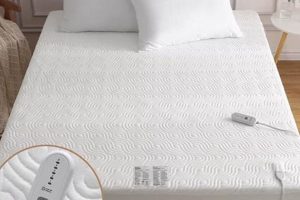
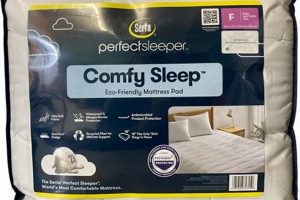
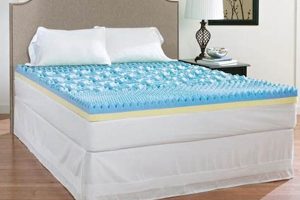
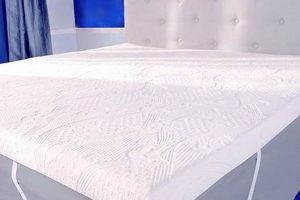
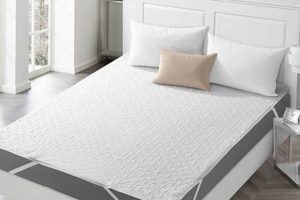
These products represent a form-fitting encasement designed to protect and enhance the lifespan of a bed’s sleeping surface. They typically feature a closure mechanism that secures the entire mattress, providing a barrier against spills, allergens, and dust mites. A common example is a terry cloth cover with a polyurethane lining and a closing mechanism that runs along the perimeter.
The utilization of these protective layers offers several advantages. They contribute to a cleaner sleeping environment by mitigating the accumulation of allergens and potential irritants. Moreover, they provide a safeguard against accidental stains and wear, thereby preserving the integrity and extending the usability of the underlying mattress. Historically, rudimentary forms of mattress protection have existed, evolving from simple cloth coverings to the sophisticated, engineered solutions available today.
The following sections will delve into the various materials used in their construction, different types of closures, proper care and maintenance, and key considerations when selecting the optimal protective layer for specific needs.
Guidance for Selection and Maintenance
Selecting and properly maintaining a total encasement is crucial to maximizing its protective benefits and longevity. The following tips offer practical guidance for informed decision-making and care.
Tip 1: Material Selection. Carefully evaluate the material composition. Options range from cotton and microfiber to waterproof synthetics. Consider factors such as breathability, allergen resistance, and ease of cleaning. For example, individuals with allergies may benefit from tightly woven fabrics designed to impede allergen penetration.
Tip 2: Closure Quality. The closure mechanism is a critical component. Inspect the quality and durability of the zipper. Opt for heavy-duty zippers with reinforced stitching to prevent separation or tearing. A secure closure is essential for complete mattress encasement.
Tip 3: Size Compatibility. Ensure accurate sizing. Measure the depth of the mattress to select a correctly sized encasement. An improperly sized cover may be difficult to install or provide inadequate protection.
Tip 4: Waterproofing Considerations. If liquid protection is a priority, choose a waterproof or water-resistant encasement. Understand the difference between these terms; water-resistant covers offer limited protection against spills, while waterproof covers provide a complete barrier.
Tip 5: Cleaning Protocols. Adhere to the manufacturer’s cleaning instructions. Regularly launder the encasement to remove dust mites, allergens, and surface stains. Avoid harsh chemicals or bleach, which can damage the material and compromise its protective properties.
Tip 6: Allergen Control. For allergy sufferers, select an encasement specifically designed to block allergens. Look for certifications from reputable organizations that validate allergen-blocking capabilities.
Tip 7: Installation Techniques. Follow the manufacturer’s instructions for proper installation. Ensure the encasement is fully secured and that the closure is completely sealed. A properly installed encasement will provide maximum protection.
Adhering to these recommendations will facilitate the selection of an appropriate encasement and ensure its sustained performance, ultimately contributing to a cleaner, healthier, and longer-lasting mattress.
The subsequent sections will explore specific use cases and advanced features of these protective bedding accessories.
1. Protection

Protection is the fundamental purpose served by total mattress encasements. These encasements are designed to safeguard the underlying mattress from a range of potential hazards, extending its lifespan and maintaining its condition.
- Spill and Stain Resistance
These encasements create a barrier against liquids, preventing spills and stains from penetrating the mattress. This is particularly important in households with children or pets. For example, an accidental spill of juice is contained on the surface of the encasement, preventing permanent staining and potential mold growth within the mattress.
- Allergen and Dust Mite Barrier
The encasement functions as a physical barrier, preventing allergens such as dust mites and pet dander from accumulating within the mattress. This is critical for individuals with allergies or asthma. By encasing the mattress, the population of dust mites is significantly reduced, minimizing exposure and allergic reactions.
- Bed Bug Prevention
A tightly sealed encasement prevents bed bugs from infesting the mattress. The encasement’s closure eliminates entry points, creating a barrier against these pests. In apartment buildings or areas with bed bug infestations, using an encasement is a proactive measure to protect the mattress.
- Wear and Tear Reduction
The encasement reduces the direct friction and wear on the mattress surface, extending its lifespan. Daily use can cause gradual breakdown of the mattress fibers. By adding a protective layer, the encasement absorbs some of this wear, preserving the mattress’s integrity.
These protective facets collectively underscore the value of mattress encasements. While mattresses represent a significant investment, they are susceptible to various forms of damage. Encasements offer a cost-effective means of preserving the mattress’s condition, promoting hygiene, and safeguarding against allergens and pests, and thereby, providing value over the life of the mattress.
2. Hygiene
Hygiene, in the context of mattress protection, extends beyond simple cleanliness. It encompasses the mitigation of factors that contribute to an unsanitary sleep environment. Zippered mattress encasements play a critical role in maintaining a high standard of hygiene by acting as a barrier against various contaminants and irritants.
- Moisture Control
These encasements, particularly those with waterproof or water-resistant properties, prevent the accumulation of moisture within the mattress core. Moisture, from sources such as perspiration or accidental spills, can foster the growth of mold and bacteria, leading to unpleasant odors and potential health risks. The barrier provided by the encasement mitigates this risk.
- Allergen Reduction
Mattresses are a prime breeding ground for dust mites, a common allergen. Zippered encasements, especially those designed with tightly woven fabrics, prevent dust mites and their associated allergens from penetrating the mattress. Regular laundering of the encasement further reduces allergen load, contributing to improved respiratory health for sensitive individuals.
- Odor Man
agementThe accumulation of body oils, sweat, and other fluids can result in unpleasant odors emanating from the mattress. By preventing these substances from reaching the mattress core, zippered encasements contribute to odor management. The encasement can be easily removed and laundered, eliminating odors before they become deeply embedded in the mattress.
- Protection Against Biological Contaminants
Encasements provide a barrier against various biological contaminants, including bacteria and fungi. The encasement’s smooth surface is less hospitable to microbial growth than the porous surface of a bare mattress. This is especially beneficial in healthcare settings or for individuals with compromised immune systems.
The hygienic benefits offered by zippered mattress encasements are multifaceted. By controlling moisture, reducing allergens, managing odors, and protecting against biological contaminants, these encasements contribute significantly to a cleaner and healthier sleep environment. The ability to easily remove and launder the encasement further enhances its hygienic value, making it an essential component of a comprehensive sleep hygiene strategy.
3. Allergen barrier

Zippered mattress encasements function as a primary defense against allergens in the sleep environment. Mattresses, by nature of their porous construction, readily accumulate dust mites, pet dander, mold spores, and other allergens. These allergens, once embedded within the mattress fibers, are difficult to eradicate through conventional cleaning methods. The encasement provides a physical barrier, preventing these allergens from penetrating the mattress and becoming entrenched. The zippered closure is crucial; it ensures complete encasement, eliminating potential entry points for allergens. An incomplete or poorly sealed encasement renders the allergen barrier ineffective. For example, an individual with a dust mite allergy may experience persistent symptoms despite using an encasement if the zipper is damaged or the encasement is not properly fitted.
The effectiveness of the allergen barrier is directly related to the material composition of the encasement. Tightly woven fabrics, such as those made from microfiber or specially treated cotton, offer superior allergen protection compared to loosely woven materials. Waterproof encasements often incorporate a membrane that further restricts allergen passage. Regular laundering of the encasement is also essential for maintaining its effectiveness. Accumulated allergens on the surface of the encasement can be released into the sleep environment if not removed through washing. For instance, someone with a pet allergy may find that their symptoms improve dramatically after using a zippered mattress encasement and washing it regularly to remove trapped pet dander.
In summary, the allergen barrier characteristic of zippered mattress encasements is a significant factor in promoting a healthier sleep environment. The encasement acts as a preventative measure, reducing exposure to common allergens and mitigating allergic reactions. The zippered closure and material composition are critical elements in ensuring the effectiveness of this barrier. However, regular laundering of the encasement is paramount to sustaining its allergen-blocking capabilities. The successful use of these encasements hinges on understanding their functionality and adhering to proper maintenance practices.
4. Durability

Durability is a critical performance attribute directly impacting the long-term value and effectiveness of zippered mattress encasements. The inherent function of these encasements protecting mattresses from spills, allergens, and wear necessitates resilience. An encasement that fails prematurely due to material degradation or structural weakness negates its protective purpose. For example, an encasement constructed from thin, loosely woven fabric may tear easily, compromising its barrier function against dust mites and liquids. Similarly, a zipper mechanism prone to failure renders the encasement unusable, exposing the mattress to potential damage. The selection of durable materials and robust construction techniques is therefore paramount in ensuring the encasement fulfills its intended role over an extended period.
The durability of zippered mattress encasements is influenced by several factors, including the type of fabric used, the quality of the zipper, and the construction methods employed. High-density fabrics, such as tightly woven polyester or cotton blends, exhibit greater resistance to tearing and abrasion than less dense materials. Waterproof encasements often incorporate a membrane that adds an additional layer of protection and reinforces the fabric. The zipper mechanism, being a point of stress, requires particular attention. Heavy-duty zippers with reinforced stitching are more likely to withstand repeated use and prevent separation. Double-stitched seams and reinforced corners also contribute to overall encasement durability. A real-world example illustrates this point: a consumer purchasing a budget encasement with a flimsy zipper may find it failing within months, whereas a higher-quality encasement with a robust zipper and reinforced construction could last for several years under similar usage conditions.
Ultimately, the durability of zippered mattress encasements directly impacts their cost-effectiveness and environmental footprint. A durable encasement translates to a longer service life, reducing the need for frequent replacements and minimizing waste. Conversely, a poorly constructed, non-durable encasement results in unnecessary expenses and contributes to landfill burden. The practical significance of understanding the link between durability and zippered mattress encasements lies in making informed purchasing decisions. Consumers should prioritize encasements constructed from high-quality materials, featuring robust zippers and employing durable construction techniques, to ensure long-term protection and value. Furthermore, adherence to proper care and maintenance guidelines can extend the lifespan of even the most durable encasements, maximizing their benefits and minimizing environmental impact.
5. Fit

In the context of zippered mattress encasements, “fit” transcends mere dimensional compatibility; it constitutes a crucial performance parameter that directly influences the encasement’s ability to fulfill its protective and hygienic functions. An improperly fitted encasement can compromise its intended purpose, potentially negating its benefits.
- Accurate Dimensional Measurement
Precise measurement of the mattress’s length, width, and depth is paramount. An encasement too small will be difficult to install, potentially stressing seams and zippers, leading to premature failure. Conversely, an encasement too large will result in a loose, ill-fitting cover, creating gaps through which allergens, liquids, or pests can penetrate. For example, a queen-size mattress that is slightly thicker than standard may require a deep-pocket encasement to ensure a secure and complete fit.
- Zipper Closure Integrity
A snug fit around the mattress is essential for maintaining the integrity of the zipper closure. An overly s
tretched encasement will place undue stress on the zipper, increasing the likelihood of separation or breakage. A loose fit, on the other hand, may leave portions of the zipper exposed, providing potential entry points for contaminants. Consider a scenario where an encasement is forced onto a mattress that exceeds its specified dimensions; the resulting strain on the zipper could cause it to fail during routine use, negating the encasement’s protective capabilities. - Surface Tension and Wrinkling
Proper fit minimizes surface tension and wrinkling. An encasement that is too large may exhibit excessive wrinkling, creating pockets that trap allergens or liquids. These wrinkles can also be uncomfortable for the sleeper and contribute to premature wear of the encasement material. Conversely, an overly tight encasement may stretch the fabric excessively, reducing its lifespan and potentially compromising its waterproof or allergen-barrier properties.
- Mattress Protection and Longevity
The ultimate goal of a zippered mattress encasement is to protect the mattress and extend its lifespan. An improperly fitted encasement undermines this objective. A loose fit allows for movement between the encasement and the mattress, leading to friction and accelerated wear. Gaps in coverage permit the ingress of liquids and allergens, compromising the mattress’s hygiene and potentially invalidating warranties. The selection of an encasement with a precise and secure fit is therefore critical to maximizing its protective benefits and prolonging the mattress’s usability.
The four facets highlighted above collectively underscore the significance of proper fit in the context of zippered mattress encasements. Accurate dimensional measurement, zipper closure integrity, minimal surface tension, and effective mattress protection all hinge upon selecting an encasement that conforms precisely to the mattress’s specifications. A properly fitted encasement not only enhances its protective capabilities but also contributes to its longevity and the overall comfort of the sleep environment.
6. Waterproof
Waterproof capabilities constitute a critical feature in zippered mattress encasements, addressing the pervasive risk of liquid damage to the underlying mattress. The integration of waterproof properties provides a substantial defense against spills, incontinence, and other moisture-related incidents, safeguarding the mattress from staining, odor development, and potential microbial growth.
- Membrane Technology
Waterproof encasements typically employ a specialized membrane laminated to the fabric. This membrane, often composed of polyurethane or similar materials, is impermeable to liquids while maintaining breathability to prevent moisture buildup within the encasement. For example, a high-quality encasement might utilize a microporous membrane that allows air to circulate but prevents water molecules from passing through. This technology is crucial in preventing liquid penetration, thereby protecting the mattress core.
- Seam Sealing
The seams of a waterproof encasement represent potential weak points where liquids could seep through. Effective seam sealing techniques, such as heat sealing or taping, are essential to ensure complete waterproofing. Untreated seams can compromise the entire encasement’s protection. An example would be a scenario where a spill occurs near an unsealed seam, resulting in liquid absorption into the mattress despite the presence of a waterproof membrane on the main fabric.
- Material Composition and Durability
The base fabric of a waterproof encasement must be durable enough to withstand the rigors of regular use and laundering without compromising the integrity of the waterproof membrane. Certain materials, such as tightly woven polyester blends, offer enhanced durability and resistance to abrasion. An inferior fabric may delaminate from the waterproof membrane over time, diminishing its effectiveness and leading to potential leaks.
- Zipper Protection
The zipper closure itself requires careful consideration in waterproof encasements. Zippers can act as pathways for liquid intrusion if not properly protected. Some encasements feature a waterproof flap or barrier that covers the zipper, preventing liquids from seeping through. An unprotected zipper could allow liquids to bypass the main waterproof barrier, defeating the purpose of the encasement.
In summary, the “waterproof” characteristic of zippered mattress encasements is a complex feature dependent on membrane technology, seam sealing, material composition, and zipper protection. Each of these facets contributes to the overall effectiveness of the encasement in preventing liquid damage and maintaining a hygienic sleep environment. The selection of a waterproof encasement requires careful consideration of these factors to ensure optimal performance and long-term protection for the mattress.
7. Ease of Use

Ease of use, pertaining to zippered mattress encasements, constitutes a significant factor influencing consumer satisfaction and the practical benefits derived from these protective bedding accessories. An encasement that is difficult to install, remove, or maintain diminishes its value, regardless of its protective qualities. Therefore, ease of use is an essential consideration when selecting such products.
- Installation Process
The installation process should be straightforward and require minimal effort. Encasements designed with features like stretchy side panels or clear labeling indicating the top and bottom facilitate the installation process. Conversely, encasements with stiff, non-stretchable materials or unclear markings can be cumbersome to install, particularly for individuals with limited mobility. For example, an encasement that requires two people to stretch and secure it around the mattress may be considered less user-friendly than one that can be easily installed by a single person.
- Zipper Operation
The zipper mechanism should operate smoothly and reliably. A zipper that snags, sticks, or breaks easily detracts from the overall user experience. High-quality zippers, often constructed from durable materials and featuring reinforced stitching, ensure smooth operation and prevent premature failure. The zipper pull should be easy to grasp and manipulate. The zipper’s path should be unobstructed by excess fabric or poorly designed seams. An encasement with a zipper that consistently jams or separates during use can be frustrating and render the encasement ineffective.
- Cleaning and Maintenance
The encasement should be easy to clean and maintain. Machine-washable and dryer-safe materials simplify the cleaning process. Stain-resistant fabrics minimize the need for frequent washing. Complex cleaning instructions or materials that require special handling detract from the encasement’s practicality. For example, an encasement that can be easily laundered at home is more convenient than one that requires professional cleaning.
- Removal Process
The removal process should be as effortless as the installation process. Encasements designed with features that facilitate easy removal, such as strategically placed handles or a full-perimeter zipper, enhance user convenience. Difficul
ty in removing an encasement can be particularly problematic when frequent laundering is required. An encasement that is difficult to remove may discourage regular cleaning, potentially compromising its hygienic benefits.
These facets highlight the importance of prioritizing ease of use when selecting zippered mattress encasements. An encasement that is easy to install, zip, clean, and remove promotes consistent use and maximizes the benefits of mattress protection. Conversely, an encasement that is difficult to manage may be neglected, ultimately undermining its effectiveness. The practical significance of ease of use lies in ensuring that the protective bedding accessory is not only effective but also convenient for everyday use.
Frequently Asked Questions
The following addresses common inquiries regarding zippered mattress pad covers, providing concise and informative responses to aid in understanding their functionality and selection.
Question 1: What distinguishes a zippered mattress pad cover from a standard mattress protector?
Zippered mattress pad covers encase the entire mattress, providing 360-degree protection, whereas standard mattress protectors typically cover only the top surface.
Question 2: Are all zippered mattress pad covers waterproof?
No. Waterproofing depends on the materials used. Verify the product description to confirm waterproof properties if liquid protection is a requirement.
Question 3: Can zippered mattress pad covers prevent bed bug infestations?
A tightly sealed zippered mattress pad cover can prevent bed bugs from infesting a mattress by eliminating entry points. It is a preventative measure, not a treatment for existing infestations.
Question 4: How often should a zippered mattress pad cover be cleaned?
Laundering every one to two months is generally recommended, though more frequent cleaning may be necessary in cases of spills or heavy use. Refer to the manufacturer’s instructions for specific cleaning guidelines.
Question 5: Will a zippered mattress pad cover alter the comfort or feel of a mattress?
The impact on comfort depends on the cover’s thickness and material. Thicker covers may slightly alter the feel, while thinner options are designed to be minimally intrusive.
Question 6: Do all zippered mattress pad covers offer allergen protection?
No. Allergen protection depends on the fabric’s weave and construction. Seek covers specifically designed and certified to block allergens for effective mitigation.
In conclusion, zippered mattress pad covers provide comprehensive mattress protection. Careful consideration of waterproofing, bed bug prevention, cleaning frequency, comfort impact, and allergen protection is crucial for optimal selection.
The next section will explore specific use cases and advanced features of these protective bedding accessories.
Zippered Mattress Pad Covers
This discourse has illuminated the multifaceted nature of zippered mattress pad covers, extending beyond a simple bedding accessory. It encompasses protection against spills, allergens, and pests, emphasizing hygiene, durability, and proper fit. Furthermore, the importance of ease of use, and waterproof characteristics has been discussed in detail. Selecting an appropriate zippered mattress pad cover necessitates a careful evaluation of material composition, closure mechanisms, and size compatibility to ensure optimal mattress preservation.
Given the significant investment represented by a mattress, the implementation of zippered mattress pad covers emerges as a prudent strategy. The sustained utilization of this measure contributes not only to a cleaner and healthier sleep environment but also to the long-term protection of the investment. Therefore, informed decision-making regarding these protective encasements is essential for responsible bedding management.